Aerospace coating represents the pinnacle of coating technology — where performance requirements are the most demanding, quality standards are the most rigorous, and the consequences of coating failure are the most severe. Aircraft components operate in extreme environments: temperatures ranging from -55°C at cruise altitude to +70°C on sun-baked tarmac, exposure to jet fuel, hydraulic fluid, de-icing chemicals, and UV radiation at altitude, and mechanical stresses from vibration, pressurization cycling, and aerodynamic loading. The coating systems used on these components must perform flawlessly through 20-30 years of service with scheduled maintenance intervals.
Technical
Powder Coating Aerospace Components: MIL-Spec Requirements, Primer Systems, and Weight Savings
Sundial Powder Coating·April 22, 2026·13 min
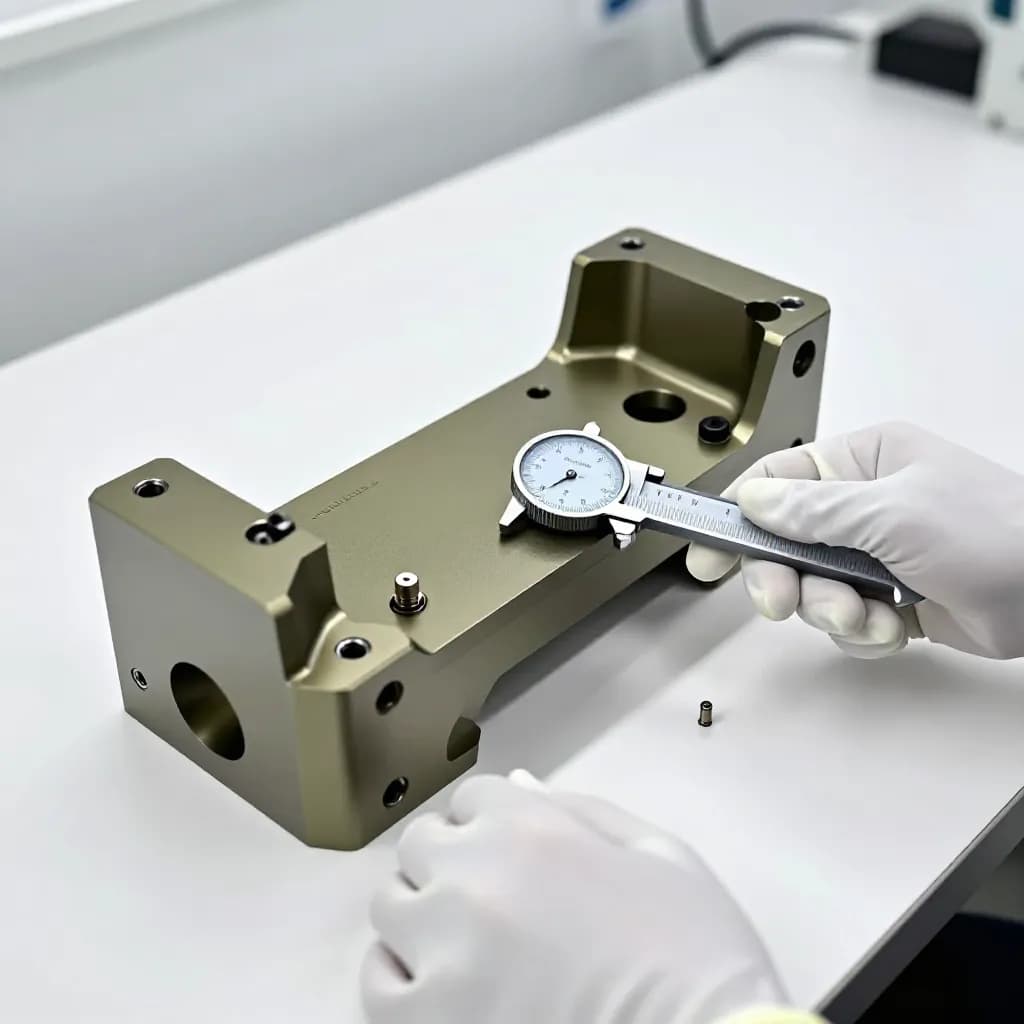
Powder coating's role in aerospace has expanded significantly over the past two decades, driven by the industry's environmental sustainability goals, weight reduction imperatives, and the development of powder formulations that meet the stringent performance requirements of aerospace specifications. While liquid chromate primer and polyurethane topcoat systems remain the dominant aerospace coating technology, powder coating has established a growing presence in interior components, non-structural exterior parts, ground support equipment, and selected structural applications where its advantages in environmental compliance, material efficiency, and process consistency provide compelling benefits.
Ready to Start Your Project?
From one-off customs to 15,000-part production runs — get precise pricing in 24 hours.
On This Page
Aerospace Coating: The Highest Performance Standards in the Industry
The aerospace coating market is governed by a comprehensive framework of military specifications (MIL-specs), industry standards (SAE AMS, ASTM), and OEM-specific requirements (Boeing BMS, Airbus AIMS) that define every aspect of coating material qualification, application procedures, and performance testing. Navigating this regulatory landscape is essential for any powder coating supplier or applicator seeking to serve the aerospace market.
MIL-Spec Requirements for Aerospace Powder Coatings
Military specifications (MIL-specs) form the foundation of aerospace coating requirements, with many commercial aerospace specifications derived from or referencing military standards. The key MIL-specs relevant to aerospace powder coatings include MIL-PRF-32348 (Powder Coating, Epoxy and Polyester, for Military and Aerospace Applications), which is the primary specification for powder coatings in defense and aerospace use.
MIL-PRF-32348 defines requirements for powder coating materials and application in several types: Type I (epoxy), Type II (polyester), Type III (epoxy-polyester hybrid), and Type IV (TGIC-free polyester). Each type is further classified by performance tier, with Class 1 requiring the highest level of corrosion resistance, chemical resistance, and mechanical performance. Key performance requirements include salt spray resistance (minimum 3,000 hours for Class 1 epoxy), fluid resistance (jet fuel, hydraulic fluid, de-icing fluid, lubricating oil), flexibility (no cracking at 180° bend over 1/8 inch mandrel), and impact resistance (minimum 80 inch-pounds direct and reverse).
MIL-DTL-53072 (Chemical Agent Resistant Coating — CARC) is relevant for military aircraft and ground equipment that must resist chemical warfare agent contamination. While CARC coatings are predominantly liquid-applied, powder coating alternatives are being developed and qualified to provide the same chemical agent resistance with the environmental and efficiency advantages of powder application.
Surface preparation for aerospace powder coating follows MIL-DTL-5541 (Chemical Conversion Coatings on Aluminum and Aluminum Alloys) for chromate conversion coating, or MIL-DTL-81706 for non-chromate alternatives. The aerospace industry is actively transitioning from hexavalent chromium pretreatments to trivalent chromium and chrome-free alternatives (zirconium, titanium-based) driven by REACH regulation in Europe and EPA restrictions in the United States. This transition creates both challenges (qualifying new pretreatment systems) and opportunities (powder coating's compatibility with chrome-free pretreatments) for the aerospace coating supply chain.
Aircraft Interior Components: Panels, Bins, and Seat Frames
Aircraft interior components represent the largest current application of powder coating in commercial aerospace. Overhead bin frames, seat track covers, galley structures, lavatory components, sidewall panel supports, and floor panel edge trim are all candidates for powder coating, with the technology offering significant advantages in weight, environmental compliance, and production efficiency compared to liquid paint alternatives.
The primary driver for powder coating adoption in aircraft interiors is weight savings. Powder coating achieves the required film build in a single coat at 50-75 microns, compared to the multi-coat liquid systems (primer + topcoat at 75-125 microns total) traditionally used on interior components. This thinner total film build, combined with the higher density of liquid paint systems (which include heavy solvent that evaporates but adds to wet film weight during application), results in weight savings of 20-40% per coated component. Across an entire aircraft interior containing thousands of coated components, these savings can total 10-30 kg — a meaningful contribution to fuel efficiency over the aircraft's 25-30 year service life.
Fire safety is the most critical performance requirement for aircraft interior coatings. FAR 25.853 (Flammability Requirements for Aircraft Interior Materials) and the corresponding EASA CS-25.853 define flammability, heat release, and smoke density requirements that all interior materials must meet. Powder coatings for aircraft interiors must pass the vertical burn test (self-extinguishing within 15 seconds, burn length below 8 inches), the heat release test (peak heat release below 65 kW/m², total heat release below 65 kW·min/m² over 2 minutes per OSU 65/65), and the smoke density test (specific optical density below 200 at 4 minutes per ASTM E662).
Color and finish requirements for aircraft interiors are defined by the airline's brand identity and cabin design scheme. Each airline specifies custom colors for interior components that coordinate with seat fabrics, carpet, and lighting design. Powder coating's precise color matching capability (Delta E below 1.0) and batch-to-batch consistency ensure that interior components manufactured over the aircraft's production run maintain visual consistency with the airline's design intent.
Landing Gear and Structural Component Coating
Landing gear components — struts, actuators, torque links, drag braces, and wheel assemblies — operate in one of the most demanding environments on an aircraft. These components must withstand extreme mechanical loads during takeoff and landing, exposure to runway de-icing chemicals (potassium acetate, sodium formate, propylene glycol), hydraulic fluid leaks, and the corrosive effects of standing water in wheel wells during flight at sub-zero temperatures.
The traditional coating system for landing gear is a chromate conversion coating pretreatment, epoxy chromate primer, and polyurethane topcoat — a liquid-applied system that provides excellent corrosion protection and chemical resistance but generates significant VOC emissions and hazardous waste. Powder coating alternatives for landing gear components are being developed and qualified, with epoxy powder primers showing particular promise as replacements for liquid chromate primers.
Epoxy powder primers for landing gear applications must meet the corrosion resistance requirements of MIL-PRF-23377 (Primer Coatings: Epoxy, High-Solids) or equivalent, including 3,000+ hours of salt spray resistance, resistance to hydraulic fluid (Skydrol) immersion, and adhesion retention after exposure to de-icing chemicals. Chrome-free epoxy powder primers incorporating corrosion-inhibiting pigments (strontium chromate alternatives such as zinc phosphate, calcium silicate, or rare earth compounds) are achieving performance levels approaching those of traditional chromate primers.
The qualification process for landing gear coatings is extensive and time-consuming, typically requiring 3-5 years from initial material development to production approval. The process includes laboratory testing (corrosion, chemical resistance, mechanical properties), component-level testing (coated landing gear components subjected to simulated service conditions), and fleet evaluation (coated components installed on in-service aircraft and monitored over multiple years). This lengthy qualification cycle reflects the safety criticality of landing gear components and the conservative approach of aerospace OEMs to coating system changes.
Boeing and Airbus OEM Specifications
Boeing and Airbus, as the two dominant commercial aircraft OEMs, maintain proprietary coating specifications that define requirements for all coatings used on their aircraft. These specifications are more detailed and often more demanding than the underlying MIL-specs, reflecting the OEMs' specific design requirements and field experience with coating performance on their aircraft platforms.
Boeing Material Specifications (BMS) relevant to powder coating include BMS 10-72 (Powder Coating, Polyester, for Interior Applications) and related specifications for specific component categories. BMS 10-72 defines requirements for powder coating materials, application procedures, and performance testing specific to Boeing aircraft interior components. Key requirements include OSU 65/65 heat release compliance, NBS smoke density below 200, vertical burn self-extinguishing within 15 seconds, and chemical resistance to common aircraft interior cleaning agents and fluids.
Airbus Industry Material Specifications (AIMS) provide equivalent requirements for Airbus aircraft. AIMS 04-05-011 and related specifications define powder coating requirements for Airbus interior and structural components. Airbus specifications place particular emphasis on toxicity testing of combustion products (per ABD 0031 — Airbus Directive for fire, smoke, and toxicity requirements), which goes beyond the FAR/CS 25.853 requirements by specifying maximum concentrations of toxic gases (HCN, HCl, HF, CO, NOx, SO2) generated during combustion.
Qualification of powder coatings to Boeing and Airbus specifications requires testing at OEM-approved laboratories, submission of detailed test reports, and formal approval by the OEM's materials engineering department. Once qualified, the powder coating formulation, manufacturing process, and raw material sources are locked — any change requires re-qualification. This configuration control ensures that the coating performance validated during qualification is maintained throughout the aircraft's production life and aftermarket support period.
The supply chain for aerospace powder coatings is tightly controlled. Powder manufacturers must hold aerospace quality certifications (AS9100 or equivalent), maintain full traceability of raw materials, and provide batch-specific certificates of analysis with every shipment. Coating applicators must be approved by the aircraft OEM or tier-1 supplier, with Nadcap (National Aerospace and Defense Contractors Accreditation Program) accreditation for coating processes increasingly required as evidence of process capability and quality management.
Weight Savings and Environmental Benefits in Aerospace
Weight savings and environmental compliance are the two primary drivers of powder coating adoption in aerospace, and both align with the industry's long-term strategic direction toward more sustainable manufacturing and operations.
The weight savings from powder coating versus liquid paint systems are significant when aggregated across an entire aircraft. A single-coat powder system at 50-75 microns replaces a two-coat liquid system at 75-125 microns, reducing coating weight by 30-50% per component. For a narrow-body aircraft (Boeing 737 or Airbus A320) with approximately 200-300 kg of interior and non-structural coatings, converting to powder coating could save 60-150 kg of coating weight. At a fuel burn rate of approximately 0.03 kg fuel per kg payload per flight hour, this weight saving translates to 1.8-4.5 kg of fuel saved per flight hour, or 5,400-13,500 kg of fuel saved annually for an aircraft flying 3,000 hours per year.
The environmental benefits of powder coating in aerospace extend beyond weight-related fuel savings. Powder coating eliminates the VOC emissions associated with liquid paint application — a significant consideration for aerospace manufacturing facilities that process large volumes of coatings. A single aircraft painting operation can generate 50-100 kg of VOC emissions using conventional liquid systems. Converting to powder coating eliminates these emissions entirely, supporting aerospace manufacturers' commitments to reduce their environmental footprint.
Hazardous waste reduction is another environmental benefit. Liquid aerospace coating operations generate hazardous waste from solvent cleaning, paint booth filters, overspray collection, and expired materials. Powder coating operations generate minimal waste — overspray is reclaimed and reused, and there are no solvents to dispose of. The elimination of hexavalent chromium from powder coating pretreatment systems (using chrome-free alternatives) further reduces the hazardous material footprint of the coating operation.
The aerospace industry's environmental sustainability roadmap — including IATA's commitment to net-zero carbon emissions by 2050 and the European Green Deal's impact on aviation — creates a favorable regulatory and market environment for powder coating adoption. As environmental regulations tighten and sustainability reporting becomes mandatory, the environmental advantages of powder coating become increasingly valuable in aerospace procurement decisions.
Emerging Aerospace Powder Coating Technologies
Several emerging powder coating technologies are being developed specifically for aerospace applications, addressing the remaining performance gaps that limit powder coating's penetration into structural and exterior aerospace applications.
Low-temperature cure powder coatings (120-140°C) are being developed for aerospace composite substrates — carbon fiber reinforced polymer (CFRP) and glass fiber reinforced polymer (GFRP) — that cannot withstand the 180-200°C cure temperatures of standard powder coatings. These formulations use specialized cross-linking chemistry (UV-initiated, moisture-initiated, or catalyzed low-temperature cure) to achieve full cross-link density at temperatures compatible with composite substrates. Successful development of aerospace-qualified low-temperature cure powders would open the large and growing market for composite aircraft component finishing.
Functional powder coatings with integrated corrosion sensing capability are being researched for aerospace structural applications. These smart coatings incorporate micro-encapsulated corrosion indicators or embedded sensors that change color or generate an electrical signal when corrosion initiates beneath the coating. Early detection of corrosion would enable condition-based maintenance rather than calendar-based inspection, potentially reducing maintenance costs and improving aircraft availability.
Nano-enhanced powder coatings incorporating graphene, carbon nanotubes, or nano-clay particles are being developed to improve the mechanical, thermal, and barrier properties of aerospace powder coatings. Graphene-enhanced epoxy powders have demonstrated 30-50% improvement in corrosion resistance and 20-30% improvement in mechanical properties compared to conventional formulations in laboratory testing. These nano-enhanced formulations are still in the development and qualification phase, but they represent a promising pathway to powder coatings that can meet the most demanding aerospace structural coating requirements.
Additive manufacturing (3D printing) of aerospace components creates new coating challenges and opportunities. Powder-bed fusion and directed energy deposition processes produce metal components with surface roughness (Ra 5-25 micrometers) that is significantly higher than machined or formed components. Powder coating can accommodate this surface roughness more effectively than thin liquid coatings, providing uniform coverage and corrosion protection on as-printed surfaces without extensive surface finishing. This compatibility with additive manufacturing surfaces positions powder coating favorably as 3D-printed aerospace components become more prevalent.
Ground Support Equipment and Space Launch Infrastructure
Aerospace ground support equipment (GSE) and space launch infrastructure represent a substantial market for powder-coated components that operates under less stringent specifications than flight hardware but still requires high-performance coating systems. Aircraft maintenance platforms, cargo loaders, tow tractors, fuel trucks, and ground power units all require durable powder coatings that withstand the airport environment — jet fuel exposure, de-icing chemical contact, UV radiation, and heavy mechanical use.
GSE coating specifications typically reference MIL-PRF-32348 or commercial equivalents, with requirements for chemical resistance to jet fuel (Jet A-1), hydraulic fluid (Skydrol), and de-icing chemicals (Type I and Type IV fluids). Epoxy powder coatings at 100-150 microns provide the chemical resistance needed for GSE applications, with polyester topcoats for UV-exposed surfaces. The high-visibility safety colors required for airport GSE — yellow (RAL 1023), orange (RAL 2004), and red (RAL 3020) — must maintain their color intensity for regulatory compliance, requiring super-durable polyester formulations with enhanced UV stabilizers.
Space launch infrastructure — launch pads, service towers, flame deflectors, and propellant handling equipment — faces the most extreme coating environment in the aerospace sector. Launch pad structures are exposed to rocket exhaust temperatures exceeding 2,000°C (though briefly), acoustic vibration levels that can damage coatings through fatigue, and the corrosive effects of rocket propellant residues (hydrazine, nitrogen tetroxide, solid propellant combustion products). While the most extreme exposure zones use specialized thermal protection systems rather than conventional coatings, the surrounding infrastructure uses heavy-duty epoxy and polyester powder coatings for corrosion protection in the coastal marine environment typical of launch facilities.
Satellite and spacecraft component coating is a niche but technically demanding application. Components destined for space must withstand the vacuum environment (outgassing requirements per ASTM E595 — total mass loss below 1.0%, collected volatile condensable materials below 0.1%), extreme temperature cycling (-150°C to +150°C in low Earth orbit), and atomic oxygen erosion in the upper atmosphere. Specialized powder coatings meeting these requirements are available but represent a small, highly specialized market segment.
Frequently Asked Questions
What MIL-spec governs aerospace powder coatings?
MIL-PRF-32348 is the primary specification for powder coatings in military and aerospace applications, defining requirements for epoxy, polyester, hybrid, and TGIC-free formulations. Class 1 requires 3,000+ hours salt spray resistance and resistance to jet fuel, hydraulic fluid, and de-icing chemicals. Boeing BMS and Airbus AIMS provide additional OEM-specific requirements.
How much weight does powder coating save on aircraft?
Powder coating reduces coating weight by 30-50% versus liquid systems — single coat at 50-75 microns replaces two-coat liquid at 75-125 microns. For a narrow-body aircraft, this can save 60-150 kg of coating weight, translating to 5,400-13,500 kg of annual fuel savings at 3,000 flight hours per year.
What fire safety requirements apply to aircraft interior powder coatings?
FAR 25.853 / CS-25.853 requires vertical burn self-extinguishing within 15 seconds, OSU 65/65 heat release compliance (peak below 65 kW/m²), and NBS smoke density below 200. Airbus additionally requires toxicity testing of combustion products per ABD 0031 for maximum concentrations of HCN, HCl, CO, and other toxic gases.
Can powder coating replace chromate primers on landing gear?
Chrome-free epoxy powder primers are being developed and qualified as chromate primer replacements. They use alternative corrosion-inhibiting pigments (zinc phosphate, calcium silicate, rare earth compounds) approaching chromate performance. Qualification takes 3-5 years including laboratory, component, and fleet evaluation testing.
What quality certifications are required for aerospace powder coating?
Powder manufacturers need AS9100 quality certification with full raw material traceability. Coating applicators require OEM approval and increasingly Nadcap accreditation for coating processes. Formulations are configuration-controlled — any change to materials or process requires re-qualification by the aircraft OEM.
Ready to Start Your Project?
From one-off customs to 15,000-part production runs — get precise pricing in 24 hours.