Architectural color trends do not emerge in isolation. They are shaped by broader cultural, environmental, and technological forces that influence how people relate to the built environment. In 2026, several converging forces are driving color choices in architecture and interior design: a deepening commitment to sustainability and natural materials, the continued influence of biophilic design principles, a post-pandemic emphasis on wellbeing and comfort in both residential and commercial spaces, and the growing capability of coating technologies to deliver virtually any color and finish with long-term durability.
Design
Architectural Color Trends 2026: What's Shaping Facades and Interiors
Sundial Powder Coating·April 20, 2026·9 min
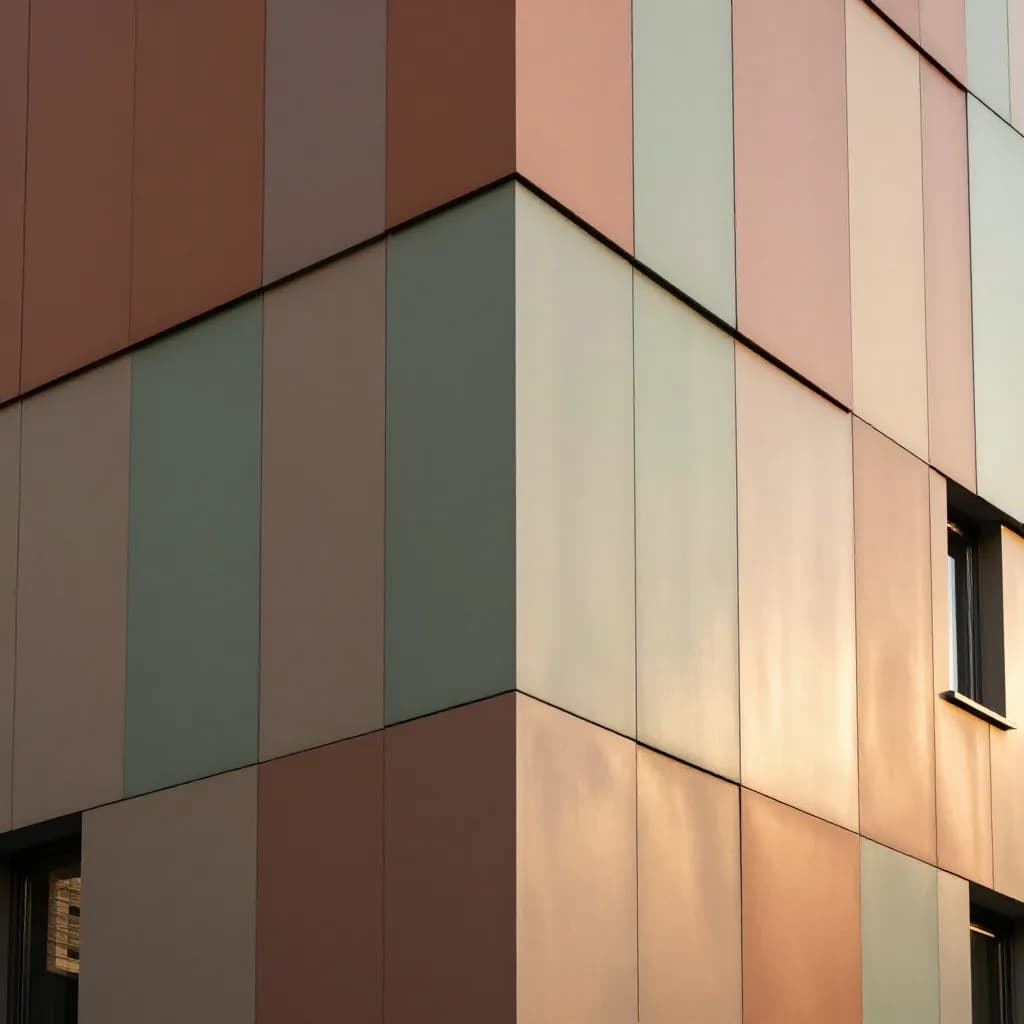
The result is a color landscape that feels simultaneously grounded and expressive. Architects are reaching for warm, earthy palettes that connect buildings to their natural surroundings, while using strategic bursts of bold color to create identity and wayfinding. The cool grey minimalism that dominated the 2010s has given way to warmer, more human-centered color schemes that prioritize how spaces feel, not just how they look. Powder coating technology plays a central role in enabling these trends, offering the full RAL Classic range plus custom colors in durable, UV-stable finishes that maintain their character for decades.
Ready to Start Your Project?
From one-off customs to 15,000-part production runs — get precise pricing in 24 hours.
On This Page
The Forces Shaping Architectural Color in 2026
Warm Earth Tones: The New Neutrals
The most significant color shift in contemporary architecture is the move from cool greys toward warm earth tones as the dominant neutral palette. Terracotta, sand, clay, warm taupe, and soft ochre are appearing on facades, interior walls, and furniture across residential, commercial, and hospitality projects worldwide. This trend reflects a desire for spaces that feel warm, welcoming, and connected to the natural world — a direct response to years of cool, clinical minimalism.
In the RAL system, this trend is expressed through colors like RAL 1019 Grey Beige, RAL 1011 Brown Beige, RAL 8001 Ochre Brown, and RAL 8023 Orange Brown. These warm neutrals pair naturally with timber cladding, natural stone, and exposed brick, creating material palettes that feel authentic and grounded. On facades, warm earth tones soften the appearance of large buildings and help them integrate with landscapes, particularly in Mediterranean, desert, and rural settings.
Interior applications are equally strong. Warm plaster tones, terracotta accent walls, and sand-colored cabinetry are replacing the all-white and cool-grey interiors that dominated the previous decade. Hospitality design is leading this shift, with boutique hotels and restaurants embracing earthy palettes that create intimate, cocoon-like atmospheres. The trend extends to workplace design, where warm neutrals are being used to create more comfortable, residential-feeling office environments that support employee wellbeing and attract talent.
Biophilic Greens: From Accent to Anchor
Green has completed its transition from occasional accent color to primary palette element in architectural design. Driven by the growing evidence base for biophilic design — the practice of incorporating natural elements into the built environment to improve occupant health and wellbeing — green is now appearing on facades, interior feature walls, kitchen cabinetry, bathroom vanities, and commercial interiors at a scale not seen in decades.
The greens gaining traction in 2026 are not the bright, synthetic greens of previous eras but rather the muted, organic tones found in nature: sage, olive, moss, eucalyptus, and forest green. RAL 6021 Pale Green has become one of the most sought-after colors for kitchen cabinetry and bathroom vanities, offering a soft, dusty sage that feels both contemporary and timeless. RAL 6011 Reseda Green provides a slightly deeper option for heritage-inspired interiors. RAL 6005 Moss Green remains the go-to for exterior metalwork — gates, fences, and garden structures — where a classic dark green integrates with garden landscapes.
On facades, dark greens like RAL 6012 Black Green and RAL 6009 Fir Green are emerging as sophisticated alternatives to the ubiquitous anthracite grey. These near-black greens offer the drama and modernity of dark facades with an organic warmth that pure grey cannot provide. They work particularly well on buildings surrounded by mature trees and established gardens, where the green facade creates a visual dialogue with the natural canopy.
The Dark Facade Continues
Dark facades remain one of the strongest trends in contemporary architecture, showing no signs of fading. RAL 7016 Anthracite Grey continues to dominate the market for window frames, doors, and facade cladding, but the palette is expanding. Architects are exploring a wider range of dark tones — charcoal, graphite, near-black blues, and deep greens — to create buildings with dramatic presence and strong visual identity.
RAL 7021 Black Grey has gained significant ground as architects seek an even deeper alternative to anthracite. RAL 8019 Grey Brown offers a warmer dark option that prevents large dark surfaces from feeling cold or industrial. RAL 5004 Black Blue adds a subtle blue undertone that softens the appearance of dark metalwork in certain lighting conditions. These nuanced dark tones allow architects to fine-tune the character of dark facades — cooler or warmer, harder or softer — while maintaining the contemporary drama that dark buildings deliver.
The dark facade trend is supported by advances in powder coating technology. Superdurable polyester formulations maintain deep, rich colors without the chalking and fading that plagued earlier dark coatings under intense UV exposure. This technical capability gives architects confidence that the dramatic dark finish they specify will look as intended not just on completion day, but for 15-25 years of exterior exposure.
Bold Accents and Color Blocking
After years of monochromatic restraint, bold accent colors are making a confident return to architectural facades. Rather than applying color uniformly across an entire building, architects are using vivid hues strategically — on entrance canopies, window reveals, balcony soffits, stairwell cores, and individual cladding panels — to create visual interest, wayfinding cues, and place-specific identity.
This approach, sometimes called architectural color blocking, allows buildings to maintain a sophisticated neutral base while expressing personality through carefully placed color moments. A residential development might use RAL 2004 Pure Orange on entrance doors against an otherwise grey facade. A school might use RAL 1018 Zinc Yellow, RAL 3018 Strawberry Red, and RAL 5012 Light Blue to identify different wings or year groups. A corporate campus might use its brand color on feature elements while keeping the overall palette neutral and professional.
The trend toward bold accents is particularly strong in educational, healthcare, and mixed-use developments where color serves both aesthetic and functional purposes. Color-coded wayfinding — using distinct colors to identify different departments, floors, or zones — improves navigation and creates a more intuitive user experience. Powder coating is ideally suited to this approach, as it can deliver any RAL color with consistent quality across different component types and production batches.
Textured and Matte Finishes
The finish of a coating is as important as its color in defining the character of an architectural surface. In 2026, the trend is decisively toward matte and textured finishes that create a tactile, material-rich quality on metal surfaces. High-gloss finishes, once the default for architectural metalwork, are increasingly reserved for specific accent applications, while matte, satin, and fine-textured finishes dominate facades, cladding, and interior metalwork.
Matte finishes reduce glare and reflections, creating a more natural, understated appearance that complements the warm earth tone and biophilic green palettes currently in favor. They also conceal minor surface imperfections and fingerprints more effectively than gloss finishes, which is a practical advantage for high-touch interior applications like door handles, handrails, and elevator interiors.
Textured powder coatings — including fine sand, coarse texture, and leather-effect finishes — add a physical dimension to color that flat finishes cannot achieve. These textures create surfaces that invite touch and catch light in complex, interesting ways, reinforcing the broader design trend toward materiality and sensory richness. AkzoNobel's Interpon range includes a comprehensive selection of textured finishes that can be combined with any color in the palette, giving architects and designers the freedom to specify both the color and the tactile quality of every coated surface.
Metallic and Pearlescent Effects
Metallic and pearlescent finishes continue to evolve, moving beyond simple silver and gold to encompass a sophisticated range of effects that reference natural minerals, aged metals, and precious materials. These finishes add depth and visual complexity to architectural surfaces, creating coatings that shift in appearance as lighting conditions and viewing angles change throughout the day.
Copper and bronze metallics are particularly strong in 2026, reflecting the broader trend toward warm, natural material palettes. RAL 8029 Pearl Copper and RAL 1036 Pearl Gold offer standardized metallic options, while custom metallic formulations can replicate the appearance of specific metals — brushed brass, patinated bronze, weathered Corten steel — with the consistency and durability of a powder coating system.
Anodized-look powder coatings represent another growing segment, offering the appearance of anodized aluminum in a wider range of colors and with the enhanced durability of a powder coating film. These finishes are popular for curtain wall mullions, window frames, and facade panels where the clean, metallic aesthetic of anodizing is desired but the color range or performance requirements exceed what traditional anodizing can deliver.
Specifying Trend-Responsive Colors with Confidence
For architects and specifiers, the challenge with color trends is balancing contemporary relevance with long-term appropriateness. A building's facade coating will be in place for 20-30 years, so the colors specified today must still look considered and intentional decades from now. The most successful approach is to use trend-responsive colors strategically — on elements that can be updated or replaced relatively easily — while anchoring the primary palette in timeless tones that transcend fashion cycles.
Facade base colors should be chosen from the enduring neutral palette: warm greys, earth tones, and classic dark tones that have proven their staying power across multiple design cycles. RAL 7016 Anthracite Grey, RAL 7030 Stone Grey, RAL 1015 Light Ivory, and RAL 9010 Pure White are examples of colors that have remained relevant for decades and will continue to serve buildings well into the future.
Trend-responsive colors are best applied to accent elements — entrance features, signage panels, interior feature walls, and furniture — where they can be refreshed without the cost and disruption of full facade recoating. This layered approach to color specification allows buildings to feel current and engaging while maintaining a timeless foundation.
Powder coating technology supports this approach perfectly. The ability to specify any RAL color — plus custom colors and special effects — in a durable, certified finish means that architects can realize their color vision with confidence, knowing that the coating will maintain its appearance for the full design life of the building. Superdurable polyester powder coatings from manufacturers like AkzoNobel (Interpon) provide the long-term color stability that makes bold color choices viable on exterior architectural surfaces.
Frequently Asked Questions
What are the biggest architectural color trends for 2026?
The dominant trends are warm earth tones replacing cool greys as the primary neutral palette, biophilic greens moving from accent to anchor color, continued popularity of dark facades (expanding beyond anthracite to include dark greens and warm charcoals), bold accent colors used strategically for wayfinding and identity, and a strong preference for matte and textured finishes over high gloss.
Is RAL 7016 Anthracite Grey still popular?
Yes, RAL 7016 remains the most specified dark neutral for architectural metalwork in Europe. However, the palette is expanding — architects are increasingly exploring alternatives like RAL 7021 Black Grey (deeper), RAL 8019 Grey Brown (warmer), and dark greens like RAL 6012 Black Green for more nuanced dark facade treatments.
What RAL colors work for biophilic design?
Key RAL colors for biophilic design include RAL 6021 Pale Green (sage, popular for cabinetry), RAL 6011 Reseda Green (deeper sage for heritage interiors), RAL 6019 Pastel Green (soft mint for healthcare and wellness), RAL 6005 Moss Green (classic exterior green), and RAL 6034 Pastel Turquoise (coastal and spa environments). These muted, nature-inspired greens create connections to the natural world.
How do I choose facade colors that won't look dated?
Anchor your facade in timeless neutrals — warm greys, earth tones, or classic whites — that have proven staying power across design cycles. Use trend-responsive colors on accent elements like entrance features, signage, and interior walls that can be updated more easily. This layered approach keeps buildings feeling current while maintaining a timeless foundation.
Can powder coating achieve matte and textured finishes?
Yes. Modern powder coatings are available in the full range of gloss levels from ultra-matte to high gloss, plus a variety of textures including fine sand, coarse texture, leather effect, and wrinkle finishes. These can be combined with any color in the RAL range or custom palette. Matte and textured finishes are increasingly popular for their natural, tactile quality and practical benefits like reduced glare and fingerprint concealment.
Ready to Start Your Project?
From one-off customs to 15,000-part production runs — get precise pricing in 24 hours.