Anodized aluminum has been a cornerstone of architectural specification for over half a century, valued for its distinctive metallic appearance, excellent durability, and the natural beauty of the oxidized aluminum surface. However, anodizing has inherent limitations that have driven the development of anodized-look powder coatings as a compelling alternative.
Design
Powder Coating Anodized Look Finishes: Replicating Anodized Appearance Across the Color Range
Sundial Powder Coating·April 22, 2026·11 min
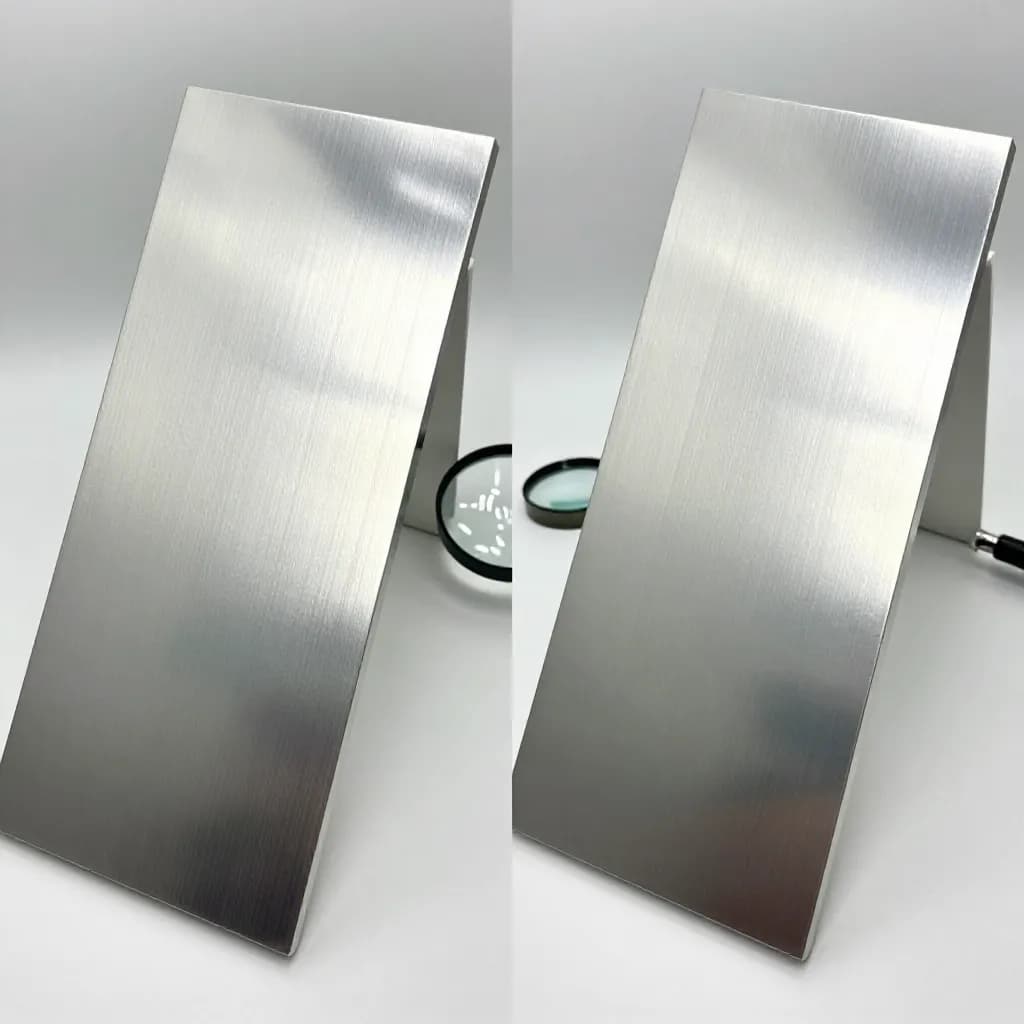
The fundamental challenge with anodizing is consistency. Because the anodized color depends on the aluminum alloy composition, temper, surface condition, and process parameters, achieving uniform color across large architectural projects is difficult. Different extrusion batches, even from the same alloy specification, can produce noticeably different anodized colors. This variation becomes apparent when components from different batches are installed adjacent to each other on a building facade.
Ready to Start Your Project?
From one-off customs to 15,000-part production runs — get precise pricing in 24 hours.
On This Page
Anodized Look Powder Coating: Consistency Meets Metallic Character
Anodized-look powder coatings solve this consistency problem by applying a controlled, formulated coating that replicates the visual character of anodized aluminum without depending on the substrate alloy for its color. Every component receives the same powder formulation, producing consistent color regardless of the underlying aluminum alloy, temper, or surface condition. This consistency is the primary reason architects and specifiers are increasingly choosing anodized-look powder coatings over actual anodizing for large-scale architectural projects.
How Anodized Look Powder Coatings Achieve Their Effect
Anodized-look powder coatings use a combination of translucent resin technology and metallic pigments to recreate the distinctive visual characteristics of anodized aluminum. Understanding how these coatings work explains both their capabilities and their limitations.
The translucent resin system is the key technology. Unlike conventional opaque powder coatings that completely hide the substrate, anodized-look formulations use resins with controlled translucency that allow light to penetrate the coating, interact with the metallic pigments at various depths, and reflect back to the viewer. This creates the layered, dimensional appearance that distinguishes anodized finishes from simple surface coatings.
The metallic pigments within the translucent resin are carefully selected to replicate the reflective character of anodized aluminum. Fine aluminum flakes oriented parallel to the surface create the smooth, directional reflectivity that characterizes anodized metal. The size, shape, and concentration of these flakes determine the intensity and character of the metallic effect.
The interaction between the translucent resin and the metallic pigments creates a depth effect that closely approximates the way light interacts with an actual anodized surface. Light enters the coating, reflects off metallic particles at different depths, and exits at slightly different angles, creating the subtle, luminous quality that makes anodized finishes so visually appealing.
The color of anodized-look powder coatings is determined by the tinting of the translucent resin and the selection of metallic pigments. Natural silver anodized effects use untinted resin with aluminum flakes. Bronze, gold, and champagne effects use warm-tinted resins. Dark anodized effects use heavily tinted resins that create deep, rich metallic tones. Black anodized effects combine dark tinting with fine metallic particles to create the characteristic dark metallic surface of black anodized aluminum.
The Complete Anodized Look Color Range
Anodized-look powder coatings are available in a comprehensive color range that replicates the full spectrum of anodized aluminum finishes, from natural silver through bronze and gold to dark and black anodized effects.
Natural silver anodized look replicates the bright, clean metallic appearance of clear anodized aluminum. This is the most commonly specified anodized-look finish, used for curtain wall mullions, window frames, and facade elements where the natural aluminum aesthetic is desired with the consistency of powder coating. Natural silver is available in several variations, from bright, highly reflective finishes to softer, more muted silver tones.
Light bronze anodized look creates a warm, subtle metallic tone that is one of the most popular architectural finishes worldwide. Light bronze adds warmth to building facades without the visual weight of darker finishes, making it suitable for both contemporary and traditional architectural styles. It coordinates well with natural stone, timber, and glass.
Medium bronze anodized look provides a richer, more pronounced bronze character that creates stronger visual definition on building facades. Medium bronze is the most commonly specified bronze tone for commercial architecture, offering a balance between warmth and authority.
Dark bronze anodized look approaches the visual weight of black while retaining warm bronze undertones. It is popular for premium commercial and institutional buildings where a sophisticated, authoritative appearance is desired. Dark bronze pairs well with glass curtain walls, creating a refined contrast between the transparent and opaque elements of the facade.
Champagne and gold anodized looks provide warm, light metallic tones that are popular in luxury residential and hospitality architecture. These finishes add a sense of quality and refinement without the boldness of full gold.
Black anodized look replicates the deep, dark metallic surface of black anodized aluminum. Unlike standard black powder coating, black anodized look retains a subtle metallic character that gives it depth and dimension. It is increasingly specified as an alternative to solid black for architectural applications where a more refined, less flat black is desired.
Advantages of Anodized Look Over Actual Anodizing
Anodized-look powder coatings offer several practical advantages over actual anodizing that make them the preferred choice for an increasing number of architectural projects.
Color consistency across production batches is the most significant advantage. Powder coating delivers the same color from the same formulation regardless of the aluminum alloy, temper, or surface condition. This eliminates the batch-to-batch variation that is the most common quality complaint with anodized finishes on large projects.
Substrate flexibility allows anodized-look finishes to be applied to any aluminum alloy, including recycled aluminum alloys that may not anodize well. Actual anodizing produces its best results on specific alloys, particularly the 6000 series, and can produce inconsistent or unsatisfactory results on casting alloys, high-recycled-content alloys, or mixed-alloy assemblies. Powder coating performs consistently on all aluminum alloys.
Touch-up and repair capability is a practical advantage for construction projects. Damaged anodized surfaces cannot be repaired on site without re-anodizing the entire component, which is usually impractical for installed building elements. Powder-coated surfaces can be touched up with color-matched repair products, and individual components can be recoated without affecting adjacent elements.
Wider color range is available in anodized-look powder coatings compared to actual anodizing. While anodizing is limited to the colors achievable through electrolytic coloring and dyeing processes, powder coating can replicate these colors and extend the range to include tones and effects that anodizing cannot produce.
Environmental advantages include the elimination of the chemical-intensive anodizing process, which uses sulfuric acid, nickel salts, and other chemicals that require careful waste management. Powder coating produces no liquid waste and no volatile organic compound emissions.
The primary limitation of anodized-look powder coatings compared to actual anodizing is that they do not provide the extreme hardness and abrasion resistance of the anodized oxide layer. For applications where surface hardness is critical, such as high-traffic flooring or heavily abraded surfaces, actual anodizing may still be the better choice.
Architectural Specification of Anodized Look Finishes
Specifying anodized-look powder coatings for architectural projects requires referencing the appropriate quality standards and defining the visual and performance parameters that ensure the finished result meets design expectations.
Qualicoat has established specific requirements for anodized-look powder coatings within its quality certification framework. These requirements address the metallic appearance, color consistency, and weathering performance of anodized-look finishes, providing specifiers with independent verification that the coating will maintain its anodized character over the building's service life.
The European standard EN 12206 covers powder coatings for architectural aluminum, including provisions for metallic and anodized-look finishes. This standard defines test methods for color measurement, gloss, adhesion, hardness, and weathering resistance that apply to anodized-look products.
In North America, AAMA specifications cover metallic and anodized-look powder coatings under the same performance tiers as standard colors. AAMA 2604 and AAMA 2605 provide the performance benchmarks for moderate and high-performance exterior applications respectively.
When writing specifications for anodized-look finishes, include the following parameters: the specific anodized tone, referenced to the manufacturer's standard range or a physical sample; the gloss level, typically satin at 30-40 gloss units for most anodized-look applications; the acceptable color tolerance, expressed as Delta E values; the performance standard, such as Qualicoat Class 2 or AAMA 2605; and the requirement for sample approval on representative component geometries.
The sample approval process is particularly important for anodized-look finishes because their metallic character makes them angle-dependent. The same finish can appear significantly different on flat panels, curved profiles, and complex three-dimensional components. Approve samples on actual or representative component shapes under the lighting conditions of the intended installation.
Anodized Look for Window and Curtain Wall Systems
Window frames and curtain wall mullions are the largest application area for anodized-look powder coatings, where the finish provides the metallic aluminum aesthetic that has defined commercial architecture for decades while offering the consistency and flexibility advantages of powder coating.
For curtain wall systems, anodized-look powder coatings enable consistent color across hundreds or thousands of mullion sections that may be extruded from different aluminum billets over the course of a large project. This consistency is virtually impossible to achieve with actual anodizing on projects of this scale, where alloy variation between extrusion batches inevitably produces visible color differences.
Window frame applications benefit from the ability to apply different finishes to interior and exterior faces. A natural silver or bronze anodized look on the exterior can be combined with a white or wood-effect interior finish, allowing the window to coordinate with both the building facade and the interior design scheme. This dual-finish capability is straightforward with powder coating but complex and expensive with anodizing.
The thermal break profiles used in modern high-performance window systems present a specific advantage for powder coating over anodizing. Thermal break systems join interior and exterior aluminum profiles with a polyamide insulating strip, creating a composite section that cannot be anodized as a complete unit. Powder coating can be applied to the assembled thermal break section, ensuring consistent color across the visible faces of both the interior and exterior profiles.
For window and curtain wall applications, specify anodized-look powder coatings that meet the system manufacturer's approved finish specifications. Most major window and curtain wall system companies maintain lists of approved powder coating suppliers and formulations that have been tested for compatibility with their systems, including adhesion to thermal break profiles and performance under the system's specific testing protocols.
Maintaining and Caring for Anodized Look Finishes
Anodized-look powder coatings require the same straightforward maintenance as any architectural powder coating, with some additional considerations specific to their metallic character.
Routine cleaning with mild, pH-neutral detergent and clean water is the primary maintenance requirement. Clean the surfaces at regular intervals, typically every 6-12 months for urban environments and annually for rural locations, to remove accumulated dirt, pollution deposits, and biological growth. Use soft cloths or sponges rather than abrasive pads, which can scratch the surface and dull the metallic effect.
Avoid alkaline cleaning agents, which can attack the metallic pigments in anodized-look coatings and cause permanent discoloration or dulling. Similarly, avoid acidic cleaners that can etch the coating surface. If stubborn contamination requires stronger cleaning, consult the powder coating manufacturer for approved cleaning product recommendations.
The metallic character of anodized-look finishes means that scratches and abrasion are more visible than on solid-color coatings. The metallic pigments create a directional reflective pattern that is disrupted by surface damage, making scratches appear as dull lines against the surrounding metallic surface. Careful handling during transport and installation is essential to maintain the pristine appearance of anodized-look components.
Touch-up of minor damage is possible using color-matched touch-up products supplied by the powder coating manufacturer. However, touch-up repairs on metallic finishes are inherently more visible than on solid colors because the metallic effect cannot be perfectly replicated with a brush-applied product. For this reason, prevention of damage through careful handling is preferable to relying on touch-up repair.
Long-term performance monitoring should include periodic visual inspection and, for critical projects, spectrophotometer measurement of color and gloss to track any changes over time. Compare measurements against the original reference panels retained at the start of the project. Any significant deviation from the reference values may indicate the need for cleaning, maintenance, or eventual recoating.
Frequently Asked Questions
What is anodized look powder coating?
Anodized look powder coating uses translucent resin technology and metallic pigments to replicate the distinctive metallic appearance of anodized aluminum. It provides the same visual character as anodizing with superior color consistency, broader substrate compatibility, and easier touch-up capability.
Why choose anodized look powder coating over actual anodizing?
The primary advantage is color consistency across production batches, eliminating the variation inherent in anodizing. Additional benefits include substrate flexibility, touch-up capability, wider color range, and environmental advantages from eliminating the chemical-intensive anodizing process.
What colors are available in anodized look powder coating?
The full anodized color range is available, including natural silver, light bronze, medium bronze, dark bronze, champagne, gold, and black anodized effects. The powder coating color range actually exceeds what is achievable through actual anodizing processes.
Is anodized look powder coating as durable as actual anodizing?
For weathering and color retention, anodized look powder coatings perform comparably to anodizing when certified to Qualicoat Class 2 or AAMA 2605. The main difference is surface hardness: anodized surfaces are harder and more abrasion-resistant than powder coatings, which matters for high-traffic applications.
Can anodized look powder coating be applied to any aluminum alloy?
Yes, unlike actual anodizing which produces variable results on different alloys, anodized look powder coating delivers consistent color on all aluminum alloys including recycled content alloys and casting alloys. This substrate flexibility is a significant advantage for projects using mixed alloy components.
Ready to Start Your Project?
From one-off customs to 15,000-part production runs — get precise pricing in 24 hours.