Wood grain powder coating is a finishing technique that produces remarkably realistic wood-look finishes on aluminum and other metal substrates. The technology combines conventional powder coating with a sublimation transfer process to reproduce the natural grain patterns, color variations, and visual depth of real timber species — all on a metal surface that offers the durability, dimensional stability, and low maintenance that wood cannot match in exterior applications.
Technical
Wood Grain Powder Coating: How Sublimation Creates Realistic Wood Finishes
Sundial Powder Coating·April 20, 2026·8 min
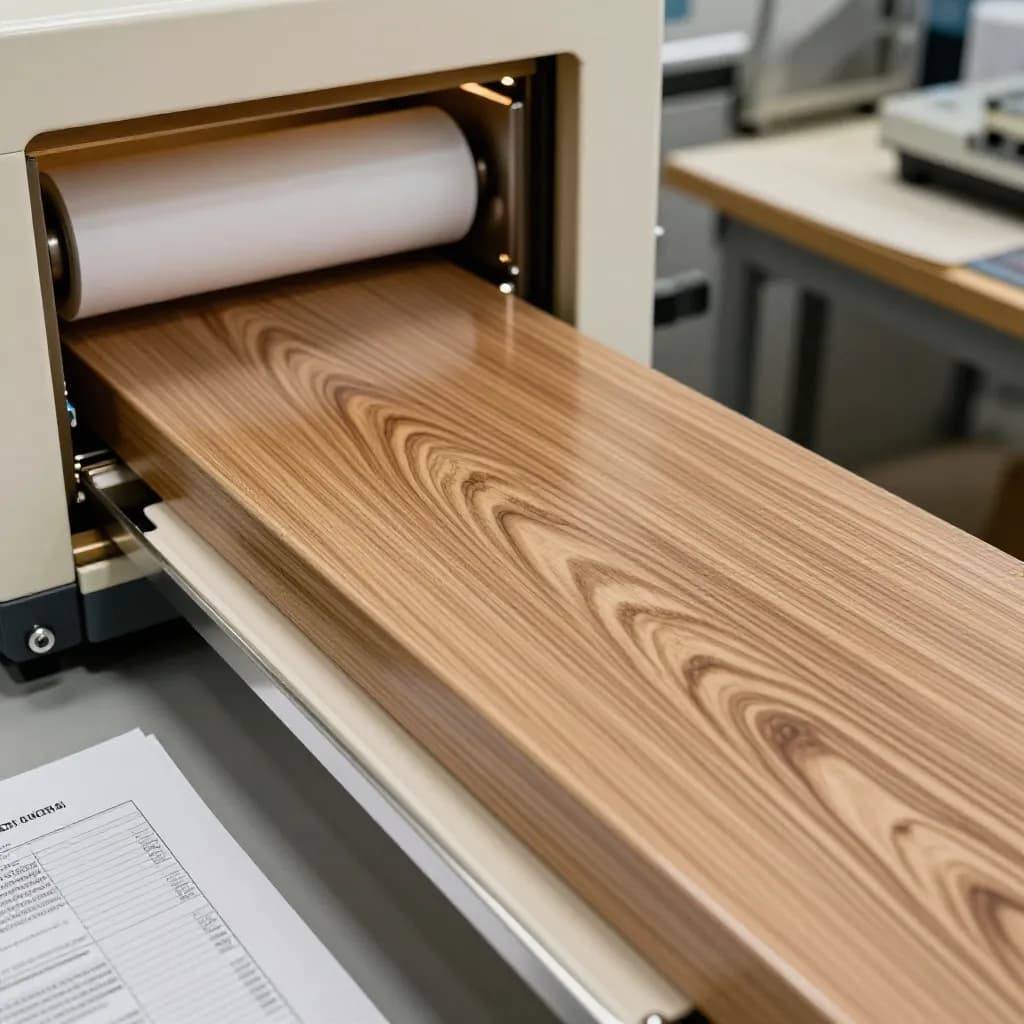
The demand for wood grain finishes on aluminum has grown significantly in recent years, driven by architectural trends that favor natural materials and warm aesthetics combined with the practical need for low-maintenance, long-lasting building components. Aluminum windows, doors, cladding, fencing, pergolas, and outdoor furniture finished with wood grain powder coating deliver the visual warmth of timber without the ongoing maintenance burden of painting, staining, sealing, and replacing rotting or warping wood.
Ready to Start Your Project?
From one-off customs to 15,000-part production runs — get precise pricing in 24 hours.
On This Page
What Is Wood Grain Powder Coating?
Modern sublimation technology has advanced to the point where wood grain powder coated surfaces are virtually indistinguishable from real wood at normal viewing distances. The patterns include not only the visual grain but also subtle color gradations, knot details, and the natural variation that makes real wood visually appealing. When combined with a textured base coat that provides a tactile wood-like feel, the result is a finish that satisfies both visual and touch expectations.
How the Sublimation Transfer Process Works
The sublimation transfer process is a multi-step finishing technique that begins with conventional powder coating and adds a pattern transfer stage. First, the aluminum component is pretreated and powder coated with a specially formulated base coat — typically a polyester powder in a color that matches the lightest tone in the desired wood pattern. This base coat is cured in the normal way, creating a smooth, uniform foundation for the pattern transfer.
After the base coat has cured and cooled, a printed sublimation film is wrapped tightly around the coated component. This film is a thin, flexible sheet printed with the wood grain pattern using sublimation inks — special dyes that convert directly from solid to gas when heated, without passing through a liquid phase. The film is secured to the component using heat-resistant tape or vacuum bagging to ensure intimate contact between the film and the coated surface across the entire area.
The wrapped component is then placed in a sublimation oven, typically at 180-210°C for 8-15 minutes. The heat causes the sublimation inks on the film to vaporize and penetrate into the surface of the powder coating, where they bond permanently with the resin matrix. The depth of ink penetration — typically 20-40 microns — ensures that the pattern is not merely a surface print but is embedded within the coating, making it resistant to scratching and wear. After cooling, the film is removed, revealing the finished wood grain pattern. A clear topcoat may be applied for additional UV protection and gloss control.
Available Wood Species and Patterns
The range of wood grain patterns available through sublimation transfer is extensive and continues to expand as printing technology improves. The most popular architectural patterns replicate widely recognized timber species that are traditionally used in building construction and furniture making.
Oak is the most requested wood grain pattern, available in variations from light natural oak to medium golden oak and dark fumed oak. Walnut patterns offer rich, dark tones with dramatic grain character, popular for premium residential and commercial projects. Cherry provides warm reddish-brown tones, while teak delivers the golden-brown hues associated with tropical hardwood. Cedar patterns offer a lighter, more rustic character suited to outdoor structures and cladding. Additional species commonly available include mahogany, pine, ash, maple, and rosewood, each with multiple color variations.
Beyond replicating specific timber species, sublimation technology can produce weathered wood effects, reclaimed timber looks, and contemporary wood-inspired patterns that do not directly replicate a natural species but capture the essence of wood grain in modern colorways. Some manufacturers also offer custom pattern development, allowing architects to specify unique wood grain designs that match a specific timber reference sample or design concept. The pattern library from major sublimation film suppliers typically includes 50-100+ wood grain options, ensuring that virtually any design vision can be realized.
Applications for Wood Grain Powder Coating
Wood grain powder coating has found widespread application across the building and construction industry, wherever the aesthetic of natural timber is desired but the performance limitations of real wood make it impractical. Aluminum window and door frames are the largest application segment — wood grain finishes allow aluminum windows to blend seamlessly with timber-clad buildings, heritage streetscapes, and residential designs where a warm, natural appearance is essential.
Exterior cladding and facade panels in wood grain finishes provide the visual warmth of timber cladding without the fire risk, maintenance burden, and dimensional instability of real wood. This is particularly valuable in bushfire-prone areas and in high-rise construction where combustible timber cladding is prohibited by building regulations. Wood grain aluminum cladding is also immune to termite damage, rot, and the warping and splitting that affects timber in exposed locations.
Fencing, gates, pergolas, and outdoor structures are increasingly specified in wood grain powder coated aluminum, offering a timber aesthetic with decades of maintenance-free performance. Garden furniture, balustrades, shutters, and louvres are additional applications where the combination of wood-look aesthetics and metal durability creates compelling value. In commercial interiors, wood grain aluminum is used for ceiling panels, partition framing, and shopfront systems where the warmth of wood is desired in a fire-rated, durable material.
Durability and Maintenance of Wood Grain Finishes
Wood grain powder coated finishes deliver durability that matches or exceeds standard solid-color powder coatings. Because the sublimation pattern is embedded within the powder coating film rather than printed on the surface, it is resistant to scratching, abrasion, and cleaning. The underlying polyester powder coating provides the same UV resistance, weathering performance, and corrosion protection as any quality architectural powder coating, and the sublimation inks are formulated for UV stability to prevent pattern fading.
Leading wood grain powder coating systems are certified to the same quality standards as solid-color coatings. Qualicoat Class 1 and Class 2 certifications, GSB Master and Florida approvals, and AAMA 2604 compliance are available for wood grain finishes from major manufacturers. These certifications confirm that the wood grain finish has passed the same rigorous adhesion, hardness, weathering, and corrosion resistance tests as conventional powder coatings, providing confidence in long-term exterior performance.
Maintenance of wood grain powder coated surfaces follows the same simple protocol as any powder coated finish: regular cleaning with warm water and mild pH-neutral soap using a soft cloth. The cleaning frequency depends on the environment — annually for rural locations, more frequently for coastal or industrial settings. Unlike real timber, wood grain powder coated surfaces never need sanding, staining, oiling, or repainting. They will not rot, warp, split, or attract insects. This maintenance-free performance, combined with a realistic timber appearance, makes wood grain powder coating one of the most compelling finish options for modern architecture.
Frequently Asked Questions
How realistic does wood grain powder coating look?
Modern sublimation technology produces wood grain finishes that are virtually indistinguishable from real timber at normal viewing distances. The patterns include natural grain detail, color variation, and knot features. When combined with a textured base coat, the finish also provides a tactile wood-like feel.
How durable is wood grain powder coating compared to solid colors?
Wood grain powder coating is equally durable as solid-color powder coating. The sublimation pattern is embedded within the coating film, not printed on the surface, making it resistant to scratching and wear. Leading systems carry the same Qualicoat, GSB, and AAMA certifications as standard architectural powder coatings.
Can wood grain powder coating be applied to any shape?
Wood grain sublimation works best on profiles and components where the transfer film can make intimate contact with the surface. Flat and gently curved surfaces produce the best results. Complex three-dimensional shapes with deep recesses may be challenging because the film must contact every surface for pattern transfer. Consult with the applicator about feasibility for complex geometries.
Does wood grain powder coating fade in sunlight?
Quality wood grain powder coatings use UV-stable sublimation inks and polyester base coats that resist fading. Certified systems (Qualicoat Class 2, GSB Florida) are tested for long-term UV exposure and maintain their appearance for 15-25+ years. Some gradual mellowing may occur over decades, similar to natural timber aging.
Ready to Start Your Project?
From one-off customs to 15,000-part production runs — get precise pricing in 24 hours.