Powder coating pretreatment is the series of chemical and mechanical processes applied to a metal substrate before powder coating to ensure proper adhesion, corrosion resistance, and long-term coating performance. Pretreatment removes surface contaminants such as oil, grease, dirt, and oxide layers, and then creates a conversion coating — a thin, chemically bonded layer on the metal surface that promotes adhesion and provides an additional barrier against corrosion.
Guides
What Is Powder Coating Pretreatment? Why Surface Prep Matters
Sundial Powder Coating·April 23, 2026·12 min
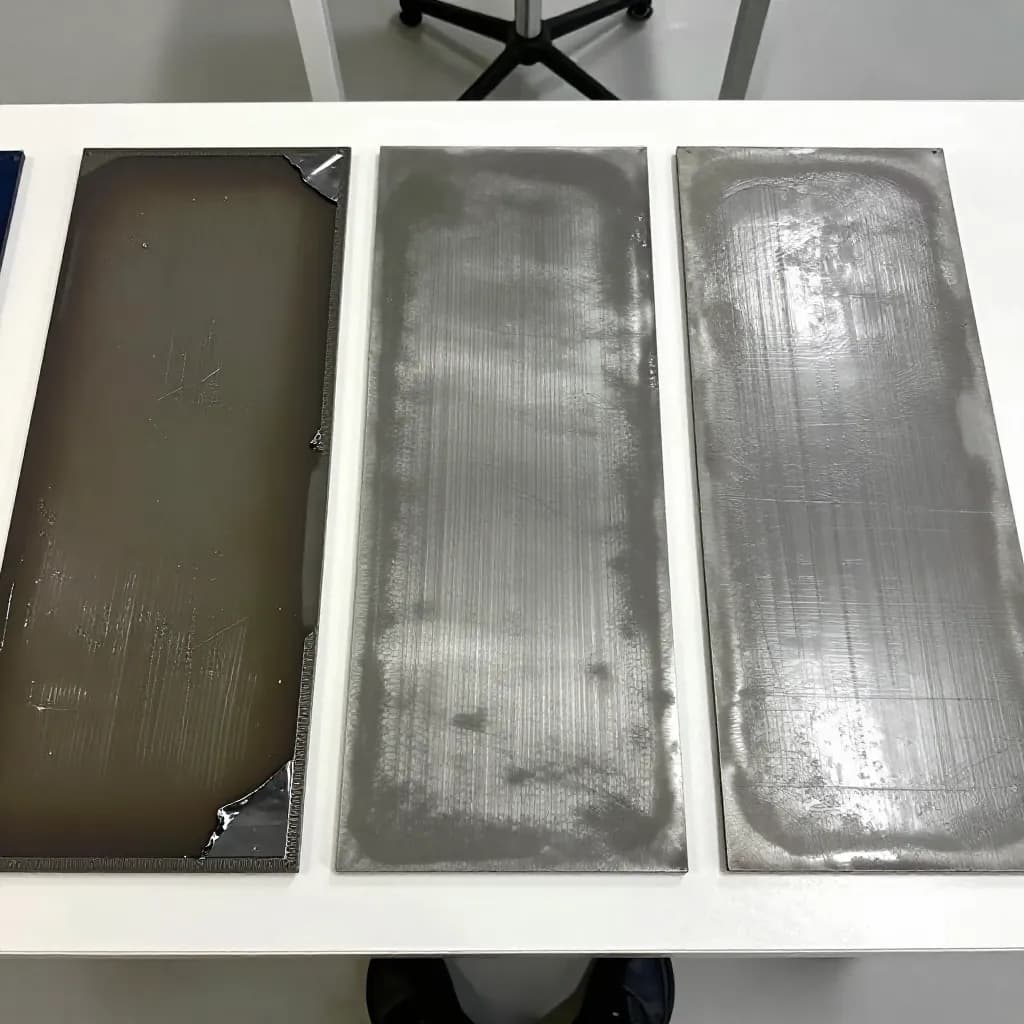
Pretreatment is arguably the most critical step in the entire powder coating process. A perfectly applied powder coating will fail prematurely if the substrate beneath it was not properly prepared. Conversely, a well-pretreated substrate can compensate for minor variations in powder application and curing, delivering reliable performance even under less-than-ideal coating conditions.
Ready to Start Your Project?
From one-off customs to 15,000-part production runs — get precise pricing in 24 hours.
On This Page
What Powder Coating Pretreatment Is and Why It Matters
The importance of pretreatment is reflected in every major quality standard for powder coating. Qualicoat, GSB, and AAMA specifications all include detailed requirements for pretreatment processes, and certified applicators must demonstrate that their pretreatment systems meet these requirements through regular testing and auditing.
The consequences of inadequate pretreatment are severe and often delayed. A poorly pretreated part may look perfect immediately after coating, but adhesion failure, blistering, and corrosion can develop within months or years of service. By the time these failures become visible, the coated product is already in the field, and the cost of remediation far exceeds the cost of proper pretreatment.
Understanding pretreatment options, their capabilities, and their limitations is essential for anyone involved in specifying, applying, or purchasing powder-coated products.
Cleaning: The Foundation of Pretreatment
Every pretreatment process begins with thorough cleaning to remove contaminants from the metal surface. No conversion coating can form properly on a contaminated surface, and no powder coating can adhere reliably to a substrate that has not been cleaned. Cleaning is the non-negotiable foundation of the entire pretreatment sequence.
Alkaline cleaning is the most common method for removing oils, greases, and water-soluble contaminants from metal surfaces. Alkaline cleaners contain surfactants, builders, and emulsifiers that lift and suspend contaminants, allowing them to be rinsed away. The cleaning solution is typically applied by spray or immersion at temperatures of 40-60 degrees Celsius, with contact times of 1-3 minutes for spray and 3-10 minutes for immersion.
Acid cleaning, or acid pickling, is used to remove heavy oxide layers, mill scale, and rust from steel surfaces. Hydrochloric acid, sulfuric acid, or phosphoric acid solutions dissolve the oxide layer, exposing clean metal beneath. Acid cleaning is more aggressive than alkaline cleaning and is typically used when the substrate has significant surface oxidation.
Solvent cleaning using vapor degreasing or solvent wipe is used for removing heavy oil and grease contamination, particularly on machined parts with cutting fluid residues. While effective, solvent cleaning is increasingly being replaced by aqueous alkaline cleaning for environmental and safety reasons.
Mechanical cleaning methods including grit blasting, shot blasting, and wire brushing physically remove contaminants and create a surface profile that enhances mechanical adhesion. Grit blasting is particularly important for heavy steel fabrications, structural steel, and parts with weld spatter or heavy corrosion that chemical cleaning alone cannot address.
The water quality used for rinsing between cleaning stages and after conversion coating is critical. Dissolved minerals in rinse water can leave deposits on the metal surface that interfere with conversion coating formation and powder adhesion. Deionized or reverse osmosis water is used for final rinse stages to ensure a clean, contaminant-free surface.
Iron Phosphate Pretreatment
Iron phosphate is the most widely used conversion coating for powder coating applications, offering a good balance of performance, simplicity, and operating cost. The process deposits a thin layer of iron phosphate crystals on the steel surface, typically 0.3-1.0 grams per square meter, that provides adhesion promotion and moderate corrosion resistance.
The iron phosphate process is relatively simple, typically consisting of 3-5 stages: alkaline clean, water rinse, iron phosphate conversion coating, water rinse, and optional final seal rinse. The conversion coating stage uses an acidic phosphate solution at 35-55 degrees Celsius with a contact time of 1-2 minutes for spray application. The solution reacts with the steel surface to form an amorphous iron phosphate layer that is chemically bonded to the substrate.
The resulting conversion coating appears as a blue, gold, or iridescent film on the steel surface. Coating weight is controlled by adjusting solution concentration, temperature, contact time, and pH. Higher coating weights generally provide better corrosion resistance but may reduce adhesion if the layer becomes too thick or powdery.
Iron phosphate pretreatment is suitable for indoor products and moderate outdoor applications where the coating system does not need to meet the most demanding corrosion resistance specifications. It is the standard pretreatment for furniture, appliances, shelving, electrical enclosures, and general industrial products.
For more demanding applications — architectural aluminum, automotive components, and products requiring extended outdoor durability — iron phosphate may not provide sufficient corrosion resistance. In these cases, zinc phosphate or newer zirconium-based pretreatments offer enhanced performance.
The simplicity and low operating cost of iron phosphate make it the most accessible pretreatment for small and medium-sized powder coating operations. The process requires less equipment, fewer chemicals, and less process control than zinc phosphate, making it practical for job shops and smaller production facilities.
Zinc Phosphate Pretreatment
Zinc phosphate is a higher-performance conversion coating that provides significantly better corrosion resistance than iron phosphate. The process deposits a crystalline layer of zinc phosphate on the metal surface, typically 1.5-4.0 grams per square meter, that creates a more effective barrier against corrosion and provides excellent adhesion for powder coatings.
The zinc phosphate process is more complex than iron phosphate, typically requiring 7-10 stages: alkaline clean, water rinse, surface conditioning (activation), zinc phosphate conversion coating, water rinse, passivation or seal rinse, and deionized water rinse. The additional stages reflect the more demanding process control required to produce a consistent, high-quality zinc phosphate coating.
Surface conditioning, or activation, is a critical step unique to zinc phosphate processes. A titanium-based conditioning agent is applied before the phosphate stage to create nucleation sites on the metal surface. These sites promote the formation of a fine, dense, uniform crystal structure in the zinc phosphate layer, which provides better corrosion resistance and adhesion than a coarse crystal structure.
The zinc phosphate conversion coating stage operates at 45-65 degrees Celsius with carefully controlled concentrations of zinc, phosphate, and accelerator chemicals. The process produces a gray, crystalline coating that is visibly different from the iridescent film of iron phosphate. Crystal size, coating weight, and uniformity are monitored through regular quality control testing.
Zinc phosphate is the standard pretreatment for automotive components, architectural aluminum, and any application requiring high corrosion resistance. It is specified by Qualicoat, AAMA, and automotive OEM standards for their most demanding performance tiers.
The higher performance of zinc phosphate comes with higher operating costs, more complex process control, and greater sludge generation compared to iron phosphate. The zinc and phosphate in the process wastewater require treatment before discharge, adding to the environmental management burden.
Zirconium and Next-Generation Pretreatments
Zirconium-based pretreatments represent the newest generation of conversion coating technology, offering performance comparable to zinc phosphate with significant environmental and operational advantages. These thin-film pretreatments deposit a nanoscale layer of zirconium oxide on the metal surface, typically only 20-100 nanometers thick, that provides excellent adhesion and corrosion resistance.
The zirconium process is simpler than zinc phosphate, typically requiring only 4-6 stages with lower operating temperatures and fewer chemicals. The conversion coating stage operates at ambient to 40 degrees Celsius, reducing energy consumption compared to heated phosphate processes. The thin-film chemistry produces virtually no sludge, eliminating the sludge handling and disposal costs associated with phosphate processes.
Environmental advantages are a major driver of zirconium adoption. The process uses no heavy metals (zinc, nickel, or manganese), no phosphates, and generates minimal waste. This simplifies wastewater treatment, reduces chemical consumption, and aligns with increasingly stringent environmental regulations. Many facilities have converted from zinc phosphate to zirconium specifically to reduce their environmental footprint.
Performance testing has demonstrated that zirconium pretreatments provide corrosion resistance comparable to zinc phosphate on steel and superior performance on aluminum. Salt spray testing of powder-coated panels with zirconium pretreatment routinely achieves 1000-2000 hours, meeting the requirements of automotive and architectural specifications.
Multi-metal capability is another advantage of zirconium pretreatments. A single zirconium process can effectively treat steel, aluminum, and zinc-coated substrates in the same line, simplifying operations for facilities that coat multiple substrate types. Zinc phosphate processes require different formulations for different metals.
The adoption of zirconium pretreatments is accelerating across the powder coating industry, driven by environmental benefits, operational simplicity, and proven performance. Major automotive OEMs, architectural coaters, and appliance manufacturers have validated zirconium technology in production, and it is increasingly accepted by quality certification bodies.
Chromate and Chrome-Free Pretreatments for Aluminum
Aluminum substrates require specific pretreatment approaches because aluminum's natural oxide layer and electrochemical properties differ significantly from steel. The pretreatment must remove the existing oxide layer, create a new conversion coating that promotes adhesion, and provide corrosion protection appropriate for the application.
Chromate conversion coating was historically the standard pretreatment for aluminum, using hexavalent chromium compounds to create a highly effective corrosion-resistant layer. Chromate pretreatments provide outstanding performance and have decades of proven field history. However, hexavalent chromium is classified as a carcinogen, and its use is increasingly restricted by regulations including the European REACH regulation.
Chrome-free alternatives have been developed to replace chromate pretreatments without sacrificing performance. These include trivalent chromium processes, titanium/zirconium processes, and silane-based treatments. Each offers different performance characteristics and compatibility with various aluminum alloys and coating systems.
For architectural aluminum, Qualicoat and GSB specifications define approved pretreatment processes that include both chromate and chrome-free options. The trend is strongly toward chrome-free processes, with many certified applicators having already completed the transition. Qualicoat has approved several chrome-free pretreatment systems that meet its performance requirements.
Anodizing pretreatment — creating a controlled anodic oxide layer on aluminum before powder coating — is used for the most demanding applications. The anodic oxide provides excellent adhesion and corrosion resistance, and when combined with powder coating, creates a highly durable system suitable for marine and industrial environments.
The choice of aluminum pretreatment depends on the alloy, the application environment, the quality specification being followed, and regulatory constraints. Specifiers should work with pretreatment chemical suppliers and quality certification bodies to select the most appropriate process for their specific requirements.
Testing Pretreatment Quality
Regular testing of pretreatment quality is essential to ensure consistent coating performance. Pretreatment is an invisible process — the conversion coating is too thin to see clearly — so testing is the only way to verify that the process is functioning correctly.
Coating weight measurement is the primary quality control test for phosphate pretreatments. A pretreated panel is weighed, the conversion coating is stripped with a chromic acid solution, and the panel is reweighed. The difference in weight, expressed in grams per square meter, indicates the amount of conversion coating deposited. Target coating weights vary by process type and specification.
For zirconium and other thin-film pretreatments, coating weight measurement is less practical due to the extremely thin films involved. X-ray fluorescence (XRF) measurement is used instead, providing a non-destructive measurement of the zirconium or other element deposited on the surface.
Water break testing is a simple but effective field test for surface cleanliness. A pretreated panel is rinsed with clean water, and the water film is observed. If the water sheets uniformly across the surface without breaking into droplets, the surface is clean and properly wetted. Water break indicates contamination that will compromise coating adhesion.
Cross-cut adhesion testing (ISO 2409 or ASTM D3359) evaluates the adhesion of the powder coating to the pretreated substrate. A grid pattern is cut through the coating, adhesive tape is applied and removed, and the amount of coating removed is rated on a standardized scale. Poor adhesion results indicate pretreatment problems.
Salt spray testing (ISO 9227 or ASTM B117) evaluates the corrosion resistance of the complete coating system, including pretreatment. Coated panels with a scribed line are exposed to salt fog for defined periods, and the extent of corrosion and coating delamination around the scribe is measured. Salt spray results directly reflect pretreatment quality.
Process monitoring — tracking chemical concentrations, temperatures, pH levels, and contact times — provides ongoing assurance that the pretreatment process is operating within its specified parameters. Deviations from target values should trigger investigation and corrective action before coating quality is affected.
Frequently Asked Questions
Why is pretreatment important for powder coating?
Pretreatment removes contaminants and creates a conversion coating that promotes adhesion and corrosion resistance. Without proper pretreatment, powder coatings can delaminate, blister, or allow corrosion within months. Pretreatment is the single most important factor in long-term coating performance.
What is the difference between iron phosphate and zinc phosphate?
Iron phosphate is simpler and less expensive, suitable for indoor and moderate outdoor applications. Zinc phosphate provides significantly better corrosion resistance and is specified for automotive, architectural, and demanding outdoor applications. Zinc phosphate requires more complex process control.
What is zirconium pretreatment?
Zirconium pretreatment is a next-generation thin-film conversion coating that deposits a nanoscale zirconium oxide layer on metal. It provides performance comparable to zinc phosphate with environmental advantages: no heavy metals, no phosphates, minimal sludge, and lower operating temperatures.
How do you test pretreatment quality?
Key tests include coating weight measurement for phosphate processes, XRF measurement for thin-film processes, water break testing for cleanliness, cross-cut adhesion testing for coating adhesion, and salt spray testing for corrosion resistance. Regular process monitoring ensures consistent results.
Can one pretreatment work for both steel and aluminum?
Zirconium-based pretreatments can effectively treat steel, aluminum, and zinc-coated substrates in the same process line. Traditional zinc phosphate requires different formulations for different metals. Multi-metal capability is a key advantage of newer pretreatment technologies.
Ready to Start Your Project?
From one-off customs to 15,000-part production runs — get precise pricing in 24 hours.