Powder coating is one of the most durable finishes available, but even the toughest coatings benefit from a structured maintenance program. A well-planned schedule extends the life of the finish, catches problems early, and prevents small issues from becoming expensive failures. Without regular attention, environmental exposure, mechanical wear, and contamination can gradually degrade even high-quality powder coatings.
Guides
Powder Coating Maintenance Schedule Guide: Inspections, Cleaning, and Recoating Timelines
Sundial Powder Coating·April 23, 2026·12 min
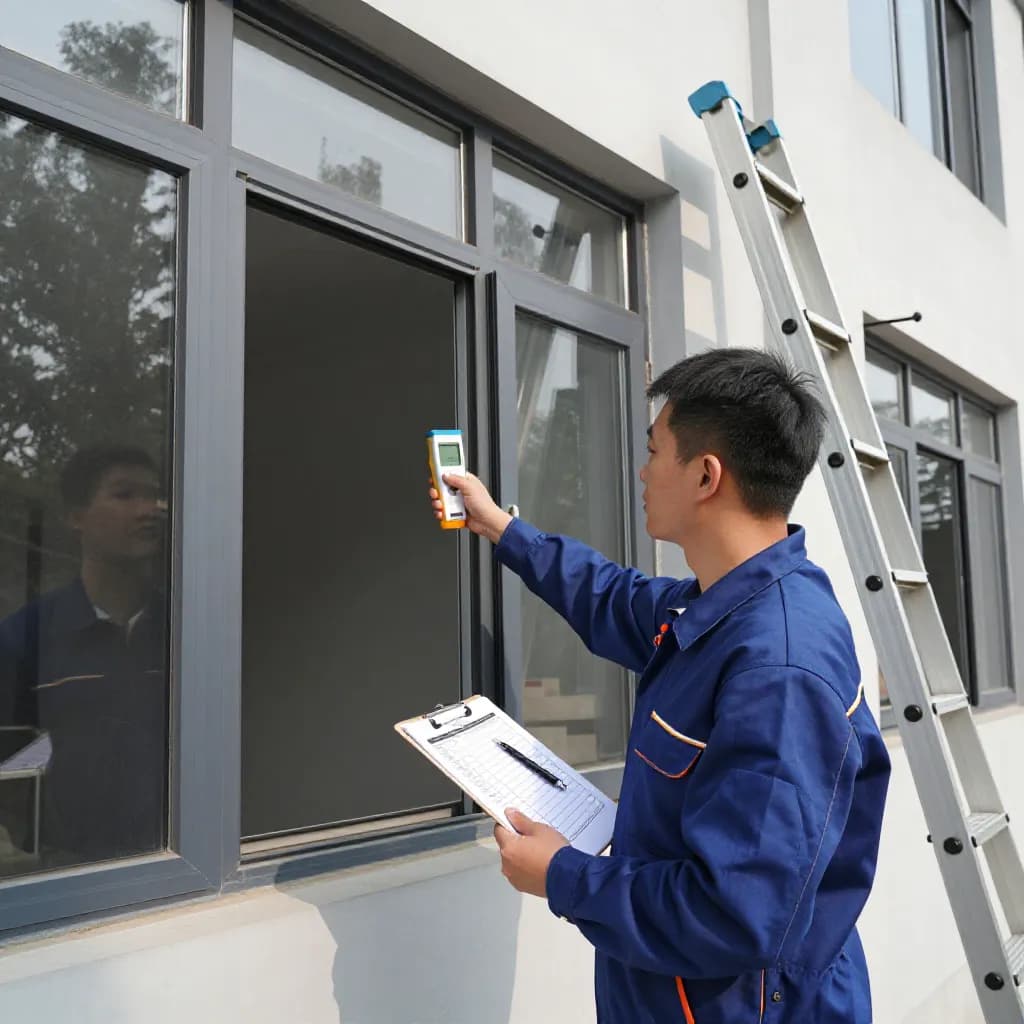
The purpose of a maintenance schedule is not to add unnecessary work. It is to establish predictable intervals for inspection, cleaning, and assessment so that the coating performs for its full expected service life. For architectural applications, that can mean 20 to 25 years. For industrial and automotive applications, the timeline varies based on exposure conditions, but the principle remains the same: proactive care is always less costly than reactive repair.
Ready to Start Your Project?
From one-off customs to 15,000-part production runs — get precise pricing in 24 hours.
On This Page
Why a Maintenance Schedule Matters for Powder Coated Surfaces
A maintenance schedule also creates accountability. When inspections and cleaning are documented, building owners, facility managers, and fleet operators have a clear record that supports warranty claims, regulatory compliance, and asset management decisions. This documentation becomes especially valuable when questions arise about coating performance or when planning capital expenditure for recoating projects.
This guide provides a practical framework for maintaining powder coated surfaces across residential, commercial, and industrial applications. It covers inspection protocols, cleaning frequency, recoating indicators, and documentation practices that keep your coated assets in optimal condition.
Annual Inspection Protocol: What to Look For
A thorough annual inspection is the foundation of any powder coating maintenance program. The goal is to identify early signs of degradation before they progress to coating failure. Inspections should be systematic, covering every coated surface and documenting findings consistently from year to year.
Start with a visual assessment of the entire coated surface. Look for chalking, which appears as a powdery residue on the surface when you run a finger across it. Mild chalking is normal after several years of UV exposure, but heavy chalking indicates the coating is losing its protective properties. Check for color fading by comparing exposed areas to protected reference points such as under gaskets, behind trim, or on unexposed faces.
Examine the coating for mechanical damage including scratches, chips, and abrasion marks. Pay particular attention to high-traffic areas, edges, corners, and points where hardware contacts the coated surface. These are the locations where damage typically appears first. Note the size, depth, and location of any damage found.
Inspect for adhesion issues by looking for peeling, flaking, or lifting at edges and around fastener holes. Blistering or bubbling indicates moisture infiltration or substrate corrosion beneath the coating. Check all joints, seams, and transitions where different materials meet, as these are common failure points. If the substrate is ferrous metal, look for rust staining or bleeding through the coating, which signals that corrosion has begun underneath.
Finally, assess the overall gloss level. A noticeable reduction in gloss compared to the original finish or to protected reference areas suggests UV degradation is progressing. Record gloss readings with a gloss meter if available, as numerical data provides objective tracking over time.
Cleaning Frequency: Matching the Schedule to the Environment
Cleaning frequency depends primarily on the environment where the coated surface is located. There is no single schedule that works for every situation, but established guidelines from organizations like Qualicoat and AAMA provide a solid starting point that can be adjusted based on local conditions.
For residential applications in mild, inland environments, cleaning powder coated surfaces once or twice per year is generally sufficient. This applies to items like patio furniture, fencing, railings, and window frames that are not exposed to heavy industrial fallout or coastal salt spray. A spring cleaning after winter and an autumn cleaning before winter covers most residential needs.
Commercial and architectural installations in urban environments should be cleaned at least twice per year, and quarterly cleaning is recommended for buildings near highways, industrial zones, or construction sites where airborne contamination is higher. The accumulation of pollutants, road salt residue, and industrial fallout accelerates coating degradation if left in contact with the surface.
Coastal environments demand the most frequent cleaning. Salt spray deposits are highly corrosive and should be removed at minimum every three months. In severe coastal exposures within 500 meters of the shoreline, monthly cleaning may be necessary during seasons with prevailing onshore winds. Qualicoat Seaside specifications explicitly require increased cleaning frequency for coated aluminum in marine environments.
Industrial installations exposed to chemical fumes, process emissions, or heavy particulate fallout may require monthly or even weekly cleaning depending on the specific contaminants involved. The key principle is that any substance that could chemically attack the coating or trap moisture against the surface should be removed promptly rather than allowed to accumulate.
Cleaning Methods and Best Practices
Effective cleaning of powder coated surfaces requires the right technique and appropriate products. The goal is to remove contaminants without damaging the coating itself. Aggressive cleaning methods can cause more harm than the dirt they remove, so a gentle approach is always the starting point.
Begin every cleaning session with a rinse of clean water to remove loose dirt, dust, and debris. This prevents abrasive particles from being dragged across the surface during washing. Use low-pressure water, not high-pressure washers, as pressures above 1500 psi can damage powder coatings, force water into joints, and compromise edge coverage.
For routine cleaning, a solution of mild, pH-neutral detergent in warm water is all that is needed. Apply the solution with a soft cloth, sponge, or soft-bristle brush, working from the top down to prevent dirty water from running over already-cleaned areas. Rinse thoroughly with clean water after washing to remove all detergent residue, which can itself cause staining or attract dirt if left on the surface.
For stubborn deposits such as bird droppings, tree sap, or industrial fallout, a slightly stronger cleaning solution may be needed. Isopropyl alcohol or mineral spirits can be used on localized areas for organic contaminants, but should be tested on an inconspicuous area first. Never use acetone, MEK, or other aggressive solvents on powder coated surfaces, as these can soften or dissolve the coating.
Avoid abrasive cleaning tools including steel wool, scouring pads, and stiff wire brushes. These will scratch the coating surface, reducing gloss and creating sites where corrosion can initiate. Microfiber cloths and soft natural sponges are the safest options for contact cleaning.
When to Recoat: Recognizing End-of-Life Indicators
Every powder coating eventually reaches the end of its effective service life, and recognizing the indicators helps you plan recoating before the substrate is compromised. Recoating a surface that still has good substrate condition is far simpler and less expensive than dealing with corrosion damage that results from waiting too long.
The most reliable indicator is a combination of significant chalking and color change. When chalking becomes heavy enough that it transfers readily to a dark cloth, and color has shifted noticeably from the original specification, the coating's UV-protective properties are substantially depleted. At this stage, the coating is still providing some barrier protection, but its aesthetic and functional performance is declining.
Gloss retention below 50 percent of the original value is another key threshold. For a coating that started at 80 gloss units, a reading below 40 indicates significant surface degradation. Gloss loss alone does not necessarily mean the coating has failed, but combined with chalking and color change, it confirms that the finish is approaching end of life.
Widespread adhesion loss, peeling, or flaking that extends beyond isolated damage points indicates systemic coating failure. This may result from UV degradation of the coating-substrate interface, moisture infiltration, or original pretreatment breakdown. When adhesion loss is widespread rather than localized, spot repair is no longer practical and full recoating is the appropriate response.
Substrate corrosion visible through or beneath the coating is the most urgent recoating indicator. Rust bleeding, blistering over corroded areas, or visible oxidation at chip sites means the coating is no longer protecting the metal. Prompt action is needed to arrest corrosion before it causes structural damage or spreads beneath adjacent intact coating.
Recoating Timelines by Application and Environment
Expected recoating timelines vary significantly based on the coating specification, substrate preparation quality, and environmental exposure. Understanding typical timelines helps with long-term budgeting and maintenance planning, though actual performance should always be confirmed through regular inspection rather than assumed from general guidelines.
Architectural aluminum finished with super-durable polyester powder coatings to Qualicoat Class 2 or AAMA 2605 standards typically delivers 20 to 25 years of service before recoating is needed. These high-performance specifications are designed for maximum weathering resistance and represent the longest-lasting powder coating systems available for exterior use.
Standard polyester powder coatings meeting Qualicoat Class 1 or AAMA 2604 specifications generally provide 15 to 20 years of exterior service. These are the most common architectural specifications and offer an excellent balance of performance and availability. In sheltered or mild environments, they may exceed these timelines.
General-purpose polyester and polyester-epoxy hybrid coatings used on furniture, fixtures, and light industrial applications typically last 8 to 15 years in exterior exposure, depending on film thickness and environmental severity. Interior applications with these same coatings can last essentially indefinitely, as they are not subject to UV degradation or weather exposure.
Epoxy powder coatings, while excellent for chemical and corrosion resistance, degrade rapidly in UV exposure and may chalk and fade within 2 to 5 years outdoors. Epoxy coatings are best suited for interior, underground, or covered applications where UV exposure is minimal. If used outdoors, they should be topcoated with a UV-resistant polyester layer.
Coastal and heavy industrial environments can reduce these timelines by 20 to 40 percent, reinforcing the importance of environment-specific inspection schedules rather than relying solely on general guidelines.
Documentation: Building a Maintenance Record
Thorough documentation transforms maintenance from a reactive chore into a strategic asset management tool. A complete maintenance record supports warranty claims, informs recoating decisions, and provides evidence of due diligence for regulatory or insurance purposes.
Every maintenance record should begin with baseline documentation established at the time of original coating. This includes the powder manufacturer and product name, color code, gloss level, film thickness measurements, pretreatment method, cure schedule, and the applicator's quality certifications. Photographs of the freshly coated surface provide a visual reference for future comparison. If the coating carries a warranty, file the warranty documentation with the maintenance record.
Inspection records should follow a consistent format that captures the date, inspector name, weather conditions, and findings for each area inspected. Use a standardized checklist that covers chalking, fading, gloss, adhesion, mechanical damage, and substrate condition. Assign severity ratings to any defects found, such as minor, moderate, or severe, and note whether immediate action is required or monitoring is sufficient.
Cleaning records should document the date, method, products used, and any observations made during cleaning. Cleaning personnel are often the first to notice coating changes because they are in close contact with the surface, so their observations have diagnostic value.
Photographic documentation is invaluable for tracking changes over time. Photograph the same reference points at each inspection, using consistent lighting and angles. Include a color reference card in photographs to ensure accurate color reproduction. Digital photographs with embedded date stamps create an objective timeline of coating condition.
Store all maintenance records in a centralized, accessible location. Cloud-based document management systems are ideal because they allow multiple stakeholders to access records, prevent loss from physical damage, and support long-term archival. Retain records for the full life of the coating plus any warranty period.
Building Your Custom Maintenance Plan
A practical maintenance plan combines the general guidelines in this article with the specific conditions of your installation. No two sites are identical, so the most effective plans are tailored to the actual environment, coating specification, and operational requirements of each project.
Start by categorizing your coated surfaces by exposure severity. Surfaces facing prevailing weather, direct sunlight, or pollution sources will degrade faster than sheltered or north-facing surfaces. Coastal, industrial, and high-altitude locations impose harsher conditions than inland suburban environments. Assign each category an appropriate inspection and cleaning frequency based on the guidelines provided earlier.
Identify high-risk areas that warrant more frequent attention. These include south and west-facing facades that receive maximum UV exposure, ground-level surfaces exposed to splash-back and road salt, areas near exhaust vents or industrial processes, and any locations with a history of coating problems. These areas may need quarterly inspection even if the general schedule calls for annual checks.
Establish clear responsibilities for each maintenance task. Specify who performs inspections, who handles routine cleaning, and who is authorized to approve repair or recoating work. For commercial and institutional buildings, maintenance responsibilities should be written into facility management contracts with specific performance standards.
Set calendar reminders for all scheduled maintenance activities. Maintenance that depends on someone remembering to do it will eventually be forgotten. Automated scheduling through facility management software or simple calendar systems ensures that inspections and cleaning happen on time, every time.
Finally, review and update the maintenance plan annually based on inspection findings. If the coating is performing better than expected, you may be able to extend intervals. If degradation is progressing faster than anticipated, tighten the schedule accordingly. A maintenance plan is a living document that should evolve with the condition of the coating it protects.
Frequently Asked Questions
How often should I inspect powder coated surfaces?
A comprehensive inspection should be performed at least once per year for most applications. Coastal, industrial, and high-exposure environments may require semi-annual or quarterly inspections. High-risk areas such as south-facing facades and ground-level surfaces should be checked more frequently regardless of the general schedule.
How often should powder coated surfaces be cleaned?
Residential surfaces in mild environments need cleaning once or twice per year. Commercial buildings in urban areas should be cleaned quarterly. Coastal installations require cleaning every one to three months depending on proximity to the shoreline. Industrial environments may need monthly or weekly cleaning based on contamination levels.
How do I know when powder coating needs to be recoated?
Key indicators include heavy chalking that transfers to a dark cloth, significant color fading compared to protected reference areas, gloss retention below 50 percent of original, widespread adhesion loss or peeling, and visible substrate corrosion. A combination of these signs confirms the coating has reached end of life.
What should I document for powder coating maintenance?
Document the original coating specification, inspection findings with severity ratings, cleaning dates and methods, photographs of reference points over time, and any repair or touch-up work performed. Maintain baseline data including color code, gloss level, and film thickness for comparison during future inspections.
Can I pressure wash powder coated surfaces?
Low-pressure rinsing is acceptable, but high-pressure washing above 1500 psi can damage powder coatings, force water into joints, and compromise edge coverage. Use a gentle spray pattern and keep the nozzle at least 12 inches from the surface. A garden hose with a standard nozzle is safer for routine cleaning.
Ready to Start Your Project?
From one-off customs to 15,000-part production runs — get precise pricing in 24 hours.