Nylon powder coating is a thermoplastic finishing system based on polyamide resins that produces tough, flexible, and chemically resistant coatings on metal substrates. Unlike thermoset powder coatings such as polyester or epoxy that undergo irreversible chemical cross-linking during cure, nylon coatings melt and flow when heated but do not chemically change. They can theoretically be remelted, though in practice the coatings are permanent and highly durable once applied.
Technical
What Is Nylon Powder Coating? Nylon 11, Nylon 12, and Applications
Sundial Powder Coating·April 23, 2026·11 min
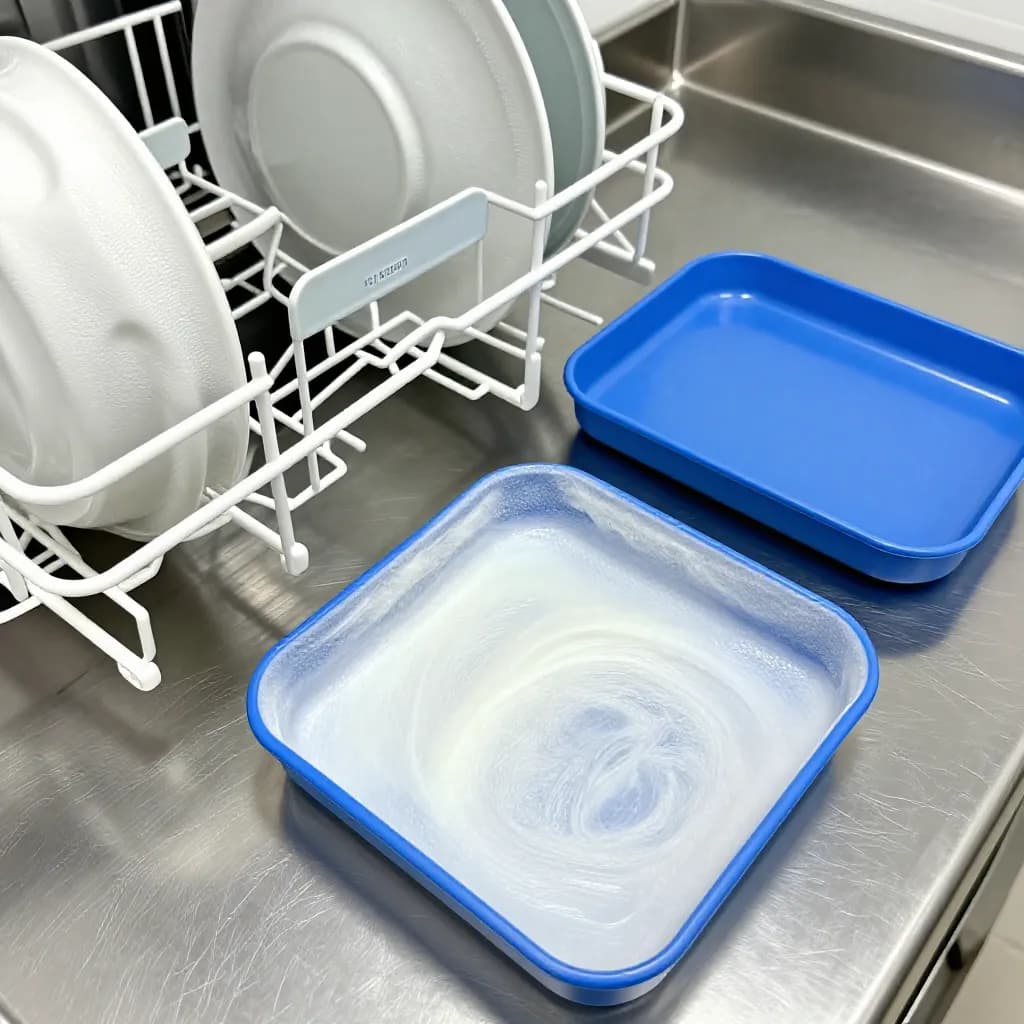
Nylon powder coatings are primarily applied using the fluidized bed dipping process, where preheated metal parts are immersed in a bed of aerated nylon powder. The hot metal surface melts the powder on contact, building up a thick, continuous coating typically ranging from 200 to 500 microns. This thick film is one of nylon coating's defining characteristics and is essential to its functional performance.
Ready to Start Your Project?
From one-off customs to 15,000-part production runs — get precise pricing in 24 hours.
On This Page
What Nylon Powder Coating Is
The polyamide chemistry that forms the basis of nylon coatings gives them a unique combination of properties that no thermoset powder coating can match. Nylon coatings are exceptionally tough and abrasion-resistant, with a low coefficient of friction that makes coated surfaces slippery and self-lubricating. They resist a broad range of chemicals including fuels, oils, solvents, and cleaning agents. They maintain flexibility at low temperatures and resist cracking under repeated impact and flexing.
Two grades dominate the nylon powder coating market: nylon 11 and nylon 12. Each has distinct properties that make it better suited to specific applications, and understanding the differences between them is essential for proper specification.
Nylon 11: Properties and Advantages
Nylon 11, also known as polyamide 11 or PA11, is derived from castor oil, making it one of the few high-performance engineering polymers produced from a renewable feedstock. This bio-based origin gives nylon 11 a lower carbon footprint than petroleum-derived alternatives, an increasingly important consideration for environmentally conscious specifiers.
The mechanical properties of nylon 11 coatings are outstanding. The material offers excellent tensile strength, high elongation at break, and superior impact resistance across a wide temperature range. Nylon 11 coatings maintain their flexibility and toughness at temperatures as low as minus 40 degrees Celsius, making them suitable for equipment operating in cold climates.
Chemical resistance is another strength of nylon 11. The coating resists attack by fuels, hydraulic fluids, oils, greases, and a wide range of organic solvents. It also provides good resistance to dilute acids and alkalis, though concentrated mineral acids can degrade the coating over time. This chemical resistance profile makes nylon 11 particularly valuable for automotive, hydraulic, and industrial applications.
Nylon 11 has slightly lower moisture absorption than many other polyamides, which contributes to better dimensional stability and more consistent mechanical properties in humid environments. However, it absorbs more moisture than nylon 12, which can be a factor in applications involving prolonged water immersion.
The operating temperature range for nylon 11 coatings extends from minus 40 to approximately 80-90 degrees Celsius for continuous service, with short-term tolerance to higher temperatures. Above its continuous service temperature, the coating begins to soften and lose mechanical properties, though it does not decompose until much higher temperatures.
Nylon 12: Properties and Advantages
Nylon 12, or polyamide 12 (PA12), is a petroleum-derived polyamide that offers the lowest moisture absorption of any standard nylon grade. This characteristic is its primary advantage over nylon 11 and makes it the preferred choice for applications involving prolonged water exposure, high humidity, or dimensional stability requirements.
With moisture absorption of approximately 1.5 percent at saturation compared to 1.9 percent for nylon 11, nylon 12 maintains more consistent mechanical properties and dimensions in wet environments. This makes it the standard choice for water treatment equipment, marine hardware, and outdoor applications where rain and condensation are constant factors.
Nylon 12 coatings share many of the same strengths as nylon 11: excellent abrasion resistance, low friction coefficient, good chemical resistance, and outstanding impact toughness. The differences between the two grades are relatively subtle and primarily relate to moisture behavior, chemical resistance specifics, and raw material sourcing.
In terms of chemical resistance, nylon 12 offers slightly better resistance to stress cracking in the presence of certain chemicals, particularly zinc chloride solutions. This makes it preferred for applications where chemical stress cracking is a concern. Nylon 11, conversely, offers slightly better resistance to certain fuels and hydraulic fluids.
The operating temperature range for nylon 12 is similar to nylon 11, with continuous service capability from minus 40 to approximately 80 degrees Celsius. Both grades can tolerate brief excursions to higher temperatures without permanent damage.
For most general-purpose applications, either nylon 11 or nylon 12 will perform satisfactorily. The choice between them typically comes down to specific environmental factors — moisture exposure favoring nylon 12, fuel and oil exposure favoring nylon 11, and sustainability considerations favoring the bio-based nylon 11.
Food Contact and Regulatory Compliance
One of the most important attributes of nylon powder coatings is their compliance with food contact regulations. Both nylon 11 and nylon 12 coatings are approved for direct food contact under FDA regulations in the United States and equivalent regulations in the European Union and other jurisdictions. This approval makes nylon the coating of choice for food processing equipment, commercial kitchen fixtures, and consumer products that contact food.
FDA compliance for nylon coatings is established under 21 CFR 175.300, which covers polymeric coatings for food contact surfaces. The regulation specifies requirements for extractable substances, ensuring that the coating does not transfer harmful chemicals to food under normal conditions of use. Nylon coatings that meet these requirements can be used in contact with all food types at temperatures up to the coating's service limit.
In the European Union, food contact compliance is governed by Regulation EC 1935/2004 and specific measures for plastic materials. Nylon coatings must meet migration limits for overall migration and specific migration of individual substances. Compliance testing involves exposing the coated surface to food simulants under defined time and temperature conditions.
The practical applications of food-contact-compliant nylon coatings are extensive. Commercial dishwasher racks are perhaps the most visible application — the thick nylon coating protects the wire rack from corrosion while providing a safe, non-reactive surface for dishes and utensils. Food processing conveyor components, mixing equipment, storage containers, and dispensing mechanisms all use nylon coatings for their combination of food safety, durability, and chemical resistance.
NSF International certification is often required for nylon-coated components used in commercial food service and water treatment. NSF/ANSI standards verify that the coating meets specific health and safety requirements for its intended application.
Application Methods for Nylon Powder Coating
The fluidized bed process is the primary application method for nylon powder coatings, and the thick films it produces are essential to nylon's functional performance. The process involves preheating the metal substrate to 280-330 degrees Celsius, immersing it in a fluidized bed of nylon powder for 2-10 seconds, and optionally post-heating to ensure complete fusion and a smooth surface finish.
The preheat temperature is the most critical process variable. Too low a temperature results in incomplete powder melting, poor adhesion, and a rough, porous coating. Too high a temperature can cause thermal degradation of the nylon, resulting in discoloration, reduced mechanical properties, and potential outgassing. The optimal temperature window depends on the specific nylon grade and the part's thermal mass.
Part geometry and thermal mass significantly influence the coating process. Heavy, thick-walled parts retain heat longer and accumulate thicker coatings than thin, lightweight parts. Operators must account for these differences when setting preheat temperatures and dwell times to achieve consistent film thickness across a range of part sizes.
Electrostatic spray application of nylon powder is also possible but less common. Electrostatic nylon coatings are thinner — typically 75-150 microns — and are used when the full thickness of a fluidized bed coating is not required. Electrostatic application offers better control over thin film uniformity and is suitable for parts that cannot be preheated to fluidized bed temperatures.
Surface preparation for nylon coating typically involves grit blasting to create a mechanical anchor profile, followed by application of a primer in some cases. Primers improve adhesion on substrates that do not bond well directly to nylon, such as certain aluminum alloys and stainless steels. For carbon steel, direct adhesion to a properly blasted surface is usually adequate.
Key Industrial Applications
Nylon powder coatings serve a wide range of industries where their unique combination of toughness, chemical resistance, low friction, and food safety compliance provides clear advantages over alternative coatings.
The food service industry is the largest consumer of nylon-coated products. Dishwasher racks, refrigerator shelving, food storage containers, and commercial kitchen equipment all rely on nylon coatings for their durability and food contact compliance. The coating must withstand thousands of wash cycles with aggressive detergents and high temperatures while maintaining its integrity and appearance.
Automotive and transportation applications include fuel system components, brake line clips, seat frame hardware, and under-hood brackets. Nylon's resistance to fuels, oils, and road chemicals makes it ideal for components exposed to the harsh under-vehicle environment. The low friction coefficient also benefits moving parts and assemblies.
Medical and healthcare equipment uses nylon coatings for wheelchair frames, hospital bed components, walker handles, and surgical instrument trays. The coating provides a comfortable grip, resists cleaning chemicals, and meets biocompatibility requirements for patient-contact surfaces.
Industrial applications include valve bodies, pump components, conveyor parts, and material handling equipment. Nylon's abrasion resistance extends the service life of components subject to wear, while its chemical resistance protects against process chemicals and cleaning agents.
Agricultural equipment benefits from nylon coatings on components exposed to fertilizers, pesticides, and soil abrasion. The coating's toughness and chemical resistance protect equipment in demanding field conditions where maintenance access is limited.
Electrical applications leverage nylon's dielectric properties for insulating bus bars, connectors, and transformer components. The thick films achievable with fluidized bed application provide reliable electrical insulation even in high-voltage applications.
Performance Characteristics and Testing
Nylon powder coatings are characterized by a set of performance properties that distinguish them from thermoset powder coatings. Understanding these properties is essential for proper specification and application.
Abrasion resistance is one of nylon's standout properties. In Taber abrasion testing, nylon coatings typically lose less than 10 milligrams per 1000 cycles with CS-17 wheels, compared to 20-40 milligrams for typical polyester powder coatings. This superior abrasion resistance translates directly into longer service life for components subject to wear and friction.
Impact resistance is exceptional. Nylon coatings can withstand direct impacts exceeding 160 inch-pounds without cracking or delaminating, far exceeding the impact resistance of thermoset coatings. This toughness is maintained at low temperatures, making nylon suitable for cold-climate applications where brittle thermoset coatings might crack.
The coefficient of friction for nylon coatings is typically 0.2-0.3 against steel, significantly lower than most thermoset coatings. This low friction reduces wear on mating surfaces, prevents sticking and binding in mechanical assemblies, and makes coated surfaces easy to clean.
Salt spray resistance varies with film thickness and substrate preparation but typically exceeds 1000 hours at 300-micron film thickness on properly prepared steel. This corrosion resistance, combined with the coating's mechanical toughness, provides comprehensive protection in aggressive environments.
Chemical resistance testing confirms nylon's broad resistance to fuels, oils, solvents, and cleaning agents. Standard test protocols involve immersing coated panels in various chemicals at elevated temperatures and evaluating changes in adhesion, appearance, and mechanical properties. Both nylon 11 and nylon 12 demonstrate excellent retention of properties after chemical exposure.
Frequently Asked Questions
What is the difference between nylon 11 and nylon 12 powder coating?
Nylon 11 is bio-based (from castor oil) with slightly better fuel and oil resistance. Nylon 12 has lower moisture absorption, making it better for wet environments. Both offer excellent abrasion resistance, toughness, and food contact compliance. The choice depends on the specific environmental exposure.
Is nylon powder coating food safe?
Yes. Both nylon 11 and nylon 12 powder coatings are FDA-approved for direct food contact under 21 CFR 175.300 and comply with EU food contact regulations. They are widely used for dishwasher racks, food processing equipment, and commercial kitchen fixtures.
How thick is nylon powder coating?
Nylon powder coating applied by fluidized bed is typically 200-500 microns thick, much thicker than standard thermoset powder coatings at 60-120 microns. Electrostatic spray application of nylon produces thinner films of 75-150 microns for applications not requiring full fluidized bed thickness.
What temperature can nylon powder coating withstand?
Nylon 11 and nylon 12 coatings are rated for continuous service from minus 40 to approximately 80-90 degrees Celsius. They can tolerate brief exposure to higher temperatures without permanent damage but will soften and lose mechanical properties above their continuous service limit.
Why is nylon coating used on dishwasher racks?
Nylon coating provides FDA food contact compliance, excellent resistance to dishwasher detergents, outstanding abrasion and impact resistance, and corrosion protection for the underlying wire. The thick fluidized bed coating withstands thousands of wash cycles while maintaining its integrity.
Ready to Start Your Project?
From one-off customs to 15,000-part production runs — get precise pricing in 24 hours.