GSB International is a quality assurance association for the coating of building components, headquartered in Germany. Founded in 1976, GSB certifies the quality of powder-coated and liquid-painted aluminum and steel products used in architecture and construction. The GSB quality mark guarantees that coated products have been manufactured under controlled conditions using approved materials and processes, and that they meet defined performance standards for durability and appearance.
Technical
What Is GSB Certification for Coatings? The German Quality Mark Explained
Sundial Powder Coating·April 23, 2026·11 min
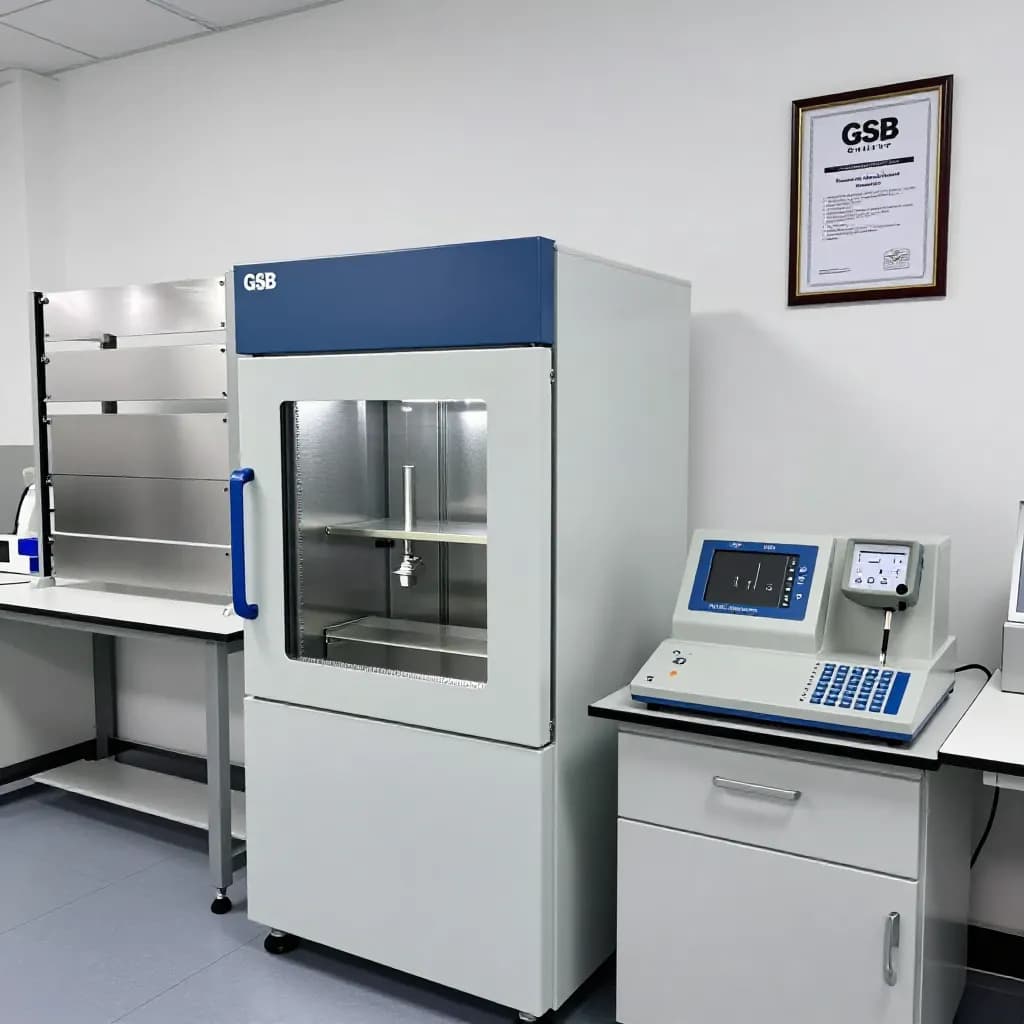
Like Qualicoat, GSB certification is a process-based system that certifies the entire coating operation rather than individual products. Licensed coaters must demonstrate that their pretreatment, coating application, curing, and quality control processes meet GSB requirements. Compliance is verified through regular inspections by independent auditors, including unannounced visits that ensure standards are maintained consistently rather than only during scheduled audits.
Ready to Start Your Project?
From one-off customs to 15,000-part production runs — get precise pricing in 24 hours.
On This Page
What GSB Certification Is
GSB certification originated in Germany and has its strongest presence in German-speaking countries — Germany, Austria, and Switzerland — as well as in Northern and Central Europe. However, its recognition has expanded globally, and GSB-certified coaters operate on every continent. The certification is increasingly specified for international projects, particularly those involving European architects or building systems.
The GSB system covers both aluminum and steel substrates, which distinguishes it from Qualicoat, which focuses exclusively on aluminum. This broader scope makes GSB relevant for a wider range of architectural products, including steel facades, steel windows, and mixed-material building systems.
GSB's reputation for rigorous quality control and its strong presence in the demanding German construction market have established it as one of the most respected quality marks in the architectural coating industry.
GSB Quality Tiers: Standard, Master, and Premium
GSB defines three quality tiers that correspond to increasing levels of coating durability, providing specifiers with a clear framework for matching coating performance to project requirements.
GSB Standard is the entry-level tier, suitable for general architectural applications in moderate environments. Standard-tier coatings use conventional polyester powder with adequate weathering resistance for typical building applications. The accelerated weathering requirements ensure basic durability, and the mechanical and chemical resistance tests verify that the coating will withstand normal handling and service conditions. GSB Standard is appropriate for interior applications, low-rise buildings, and projects in environments without extreme UV or corrosive exposure.
GSB Master is the mid-tier certification requiring super durable polyester powder coatings with enhanced weathering resistance. Master-tier coatings must demonstrate significantly better gloss retention and color stability in accelerated weathering tests compared to Standard tier. The requirements are designed to ensure reliable performance in demanding outdoor environments, including high-UV locations and moderately aggressive atmospheres. GSB Master is the most commonly specified tier for commercial and institutional buildings in Europe.
GSB Premium is the highest tier, requiring fluoropolymer powder coatings — PVDF or FEVE chemistry — that provide the ultimate in weathering resistance. Premium-tier coatings must meet the most demanding accelerated weathering requirements and demonstrate exceptional long-term performance. GSB Premium is specified for landmark buildings, high-rise facades, and projects requiring 25-30 year coating performance. Only fluoropolymer chemistries can meet the Premium tier requirements.
The three-tier system parallels the Qualicoat class system (Classes 1, 2, and 3) and the AAMA specification tiers (2603, 2604, and 2605), though the specific test methods and numerical requirements differ between the systems.
Testing and Performance Requirements
GSB's testing requirements are comprehensive, covering weathering resistance, mechanical properties, chemical resistance, and corrosion protection. The testing program ensures that certified coatings perform reliably across all the demands they will face in architectural service.
Accelerated weathering testing is central to GSB's durability assessment. Test panels are exposed in xenon arc weathering chambers that simulate the effects of sunlight, heat, and moisture. The duration and performance requirements increase with each tier — Standard requires adequate performance after moderate exposure, Master requires enhanced performance after extended exposure, and Premium requires exceptional performance after the most demanding exposure protocols.
GSB also requires natural outdoor weathering exposure for Master and Premium tier products. Test panels are exposed at outdoor test sites and evaluated periodically for gloss retention, color change, and chalking. This real-world data supplements the accelerated testing and provides validation of long-term performance predictions.
Mechanical testing includes adhesion testing using the cross-cut method (DIN EN ISO 2409), hardness testing, impact resistance, and flexibility testing. These tests verify that the cured coating has adequate mechanical properties for the stresses encountered during handling, transportation, installation, and service.
Corrosion resistance testing evaluates the coating system's ability to protect the substrate from corrosion. For aluminum, the Machu test (acetic acid salt spray) is a key requirement. For steel, neutral salt spray testing per ISO 9227 is specified. The required test durations and performance criteria increase with each quality tier.
Chemical resistance testing evaluates the coating's resistance to common environmental chemicals, including mortar and cement (relevant during construction), cleaning agents, and atmospheric pollutants. The coating must withstand exposure to these substances without significant degradation.
Boiling water resistance and humidity resistance tests evaluate the adhesion and integrity of the coating system under sustained moisture exposure. These tests are particularly sensitive to pretreatment quality and are important indicators of long-term performance in humid environments.
Pretreatment and Process Requirements
GSB places strong emphasis on pretreatment quality, recognizing its critical role in long-term coating performance. The specification defines requirements for each stage of the pretreatment process and requires regular verification of pretreatment quality.
For aluminum substrates, GSB requires a multi-stage pretreatment process including degreasing, etching, conversion coating, and rinsing. The conversion coating must be from GSB's list of approved products, which have been tested and validated for use in the GSB system. Both chromate and chrome-free conversion coatings are approved, with the industry trending strongly toward chrome-free alternatives.
For steel substrates, GSB requires appropriate surface preparation including cleaning, degreasing, and either chemical pretreatment or mechanical preparation (blast cleaning). The specific requirements depend on the steel type and the intended application environment. Hot-dip galvanized steel requires specific pretreatment procedures to ensure adhesion to the zinc surface.
Etch depth requirements for aluminum ensure that the natural oxide layer and surface contaminants are completely removed. GSB specifies minimum etch weights that must be achieved and verified through regular testing. Insufficient etching is one of the most common causes of premature coating failure, and GSB's etch requirements help prevent this problem.
Rinse water quality is specified to prevent mineral deposits and contamination that can compromise conversion coating quality and powder adhesion. Final rinse stages must use deionized or demineralized water with conductivity below specified limits.
Process documentation and traceability are required. GSB-licensed coaters must maintain records of pretreatment chemical concentrations, temperatures, contact times, and test results. These records must be available for review during GSB inspections and provide traceability for any quality issues that arise.
GSB inspectors verify pretreatment compliance during their audits by reviewing process records, testing pretreated panels, and observing the pretreatment process in operation. Non-compliance with pretreatment requirements is treated as a serious finding that requires immediate corrective action.
GSB Inspection and Licensing Process
The GSB licensing process is rigorous and ongoing, designed to ensure that certified coaters maintain consistent quality throughout their operations.
Initial licensing requires a comprehensive audit of the applicator's facility, equipment, processes, and quality management system. The audit covers pretreatment capability, spray booth and oven equipment, powder storage and handling, quality testing equipment and procedures, and staff training and competence. The applicator must demonstrate that their operation meets all GSB requirements before a license is granted.
Ongoing compliance is verified through regular inspections, including both scheduled and unannounced visits. GSB-licensed coaters are inspected at least twice per year, with additional inspections possible if quality concerns arise. The unannounced nature of some inspections ensures that the coater maintains standards at all times, not just when an inspection is expected.
During inspections, GSB auditors collect coated samples from current production for independent laboratory testing. These samples are tested for film thickness, adhesion, gloss, color, hardness, and other properties specified by the relevant quality tier. The results are compared against GSB requirements, and any non-conformances are documented and must be corrected.
Process audits during inspections verify that pretreatment chemicals are within specification, oven temperatures are calibrated and within range, powder storage conditions are appropriate, and quality control testing is being performed at the required frequency. The auditor reviews quality records and verifies that corrective actions from previous inspections have been implemented.
Non-compliance can result in warnings, conditional licensing, suspension, or withdrawal of the GSB license depending on the severity and recurrence of the issues. The graduated enforcement approach encourages continuous improvement while maintaining the integrity of the quality mark.
GSB also conducts round-robin testing programs where samples from multiple licensed coaters are tested simultaneously in independent laboratories. These programs verify the consistency of quality across the GSB network and identify any systematic issues that need to be addressed.
GSB vs. Qualicoat: Comparison and Equivalence
GSB and Qualicoat are the two major European quality marks for architectural coatings, and understanding their similarities and differences helps specifiers make informed choices and write effective specifications.
Both systems share the same fundamental objective: ensuring consistent, high-quality coating performance on architectural products. Both use a tiered quality system with three levels corresponding to standard, enhanced, and premium performance. Both require regular independent inspections of licensed coaters. Both maintain lists of approved powder coatings and pretreatment products.
The tier equivalences are approximate: GSB Standard corresponds to Qualicoat Class 1, GSB Master to Qualicoat Class 2, and GSB Premium to Qualicoat Class 3. While the specific test methods and numerical requirements differ, the performance outcomes at each tier are broadly comparable.
Key differences include substrate scope — GSB covers both aluminum and steel, while Qualicoat focuses on aluminum. This makes GSB more relevant for projects involving steel building components. GSB's testing protocols also differ in some specifics, such as the accelerated weathering test conditions and the corrosion test methods used.
Geographic prevalence differs. Qualicoat has broader international recognition and a larger network of licensed coaters worldwide. GSB has its strongest presence in German-speaking countries and Northern Europe. Many European coaters hold both certifications, allowing them to serve projects specifying either quality mark.
For international projects, specifiers often reference both systems as equivalent alternatives: Coating shall meet GSB Master or Qualicoat Class 2 requirements. This approach maximizes the pool of qualified bidders while maintaining the required performance level.
The two organizations have worked toward harmonization of their requirements, and the differences between them have narrowed over time. For practical purposes, specifiers can consider the equivalent tiers of GSB and Qualicoat as providing comparable quality assurance.
How to Specify GSB Certification
Effective specification of GSB certification requires clear language that identifies the required quality tier, any additional requirements, and the verification method.
A standard GSB specification clause might read: All powder-coated aluminum and steel components shall be finished by a GSB-licensed coater using GSB-approved powder coatings. The coating system shall meet GSB Master requirements. The coater shall provide a current GSB license certificate and evidence of compliance with the specified quality tier.
For projects requiring the highest performance, specify GSB Premium: The coating system shall meet GSB Premium requirements using fluoropolymer powder coating (PVDF or FEVE chemistry). The coater shall demonstrate current GSB Premium licensing and provide the powder manufacturer's GSB approval certificate for the specified product.
Verification of GSB licensing is straightforward. The GSB website maintains a directory of licensed coaters that can be searched by company name, location, or quality tier. Specifiers should verify that the proposed coater holds a current license for the required tier and that the license has not been suspended or withdrawn.
Color and finish specification should reference the project's color standard (RAL, NCS, or custom reference) with acceptable tolerances for color deviation and gloss variation. GSB's quality requirements include color and gloss consistency, but project-specific tolerances may be tighter than the GSB minimum.
For projects in aggressive environments — coastal, industrial, or tropical — specifiers may add requirements beyond the standard GSB tier, such as enhanced corrosion testing, specific pretreatment requirements, or two-coat systems. These additional requirements should be clearly stated in the specification.
Submittal requirements should include the coater's GSB license certificate, the powder manufacturer's GSB approval for the specified product, color samples for approval, and any warranty documentation. Reviewing these submittals before production ensures that the specified quality level will be achieved.
For projects outside the traditional GSB market, including a brief explanation of what GSB certification means helps contractors and suppliers understand the quality expectations and source appropriate products and services.
Frequently Asked Questions
What is GSB certification?
GSB International is a quality assurance association that certifies powder-coated and liquid-painted aluminum and steel for architecture. It verifies that coaters meet defined standards for pretreatment, application, and quality control through regular independent inspections including unannounced visits.
What are the GSB quality tiers?
GSB Standard uses conventional polyester for moderate environments. GSB Master uses super durable polyester for enhanced weathering. GSB Premium uses fluoropolymer coatings for maximum durability. Each tier has progressively more demanding performance requirements.
How does GSB compare to Qualicoat?
GSB Standard roughly equals Qualicoat Class 1, Master equals Class 2, and Premium equals Class 3. Both systems provide comparable quality assurance with similar objectives. GSB covers both aluminum and steel, while Qualicoat focuses on aluminum. Many European coaters hold both certifications.
Does GSB cover steel as well as aluminum?
Yes. Unlike Qualicoat, which focuses exclusively on aluminum, GSB certifies coatings on both aluminum and steel substrates. This broader scope makes GSB relevant for projects involving steel facades, steel windows, and mixed-material building systems.
How do I verify a GSB license?
The GSB website maintains a searchable directory of licensed coaters. You can verify that a coater holds a current license for the required quality tier. Request the coater's GSB license certificate and the powder manufacturer's GSB approval for the specific product being used.
Ready to Start Your Project?
From one-off customs to 15,000-part production runs — get precise pricing in 24 hours.