Fluoropolymer powder coating is a premium finishing system based on fluorine-containing polymer resins that delivers the highest weathering resistance of any organic coating technology. The carbon-fluorine bond at the heart of these coatings is one of the strongest chemical bonds in organic chemistry, providing extraordinary resistance to UV degradation, chemical attack, and environmental weathering. This molecular-level stability translates into coatings that maintain their color, gloss, and protective properties for 25-30 years or more in exterior exposure.
Technical
What Is Fluoropolymer Powder Coating? FEVE, PVDF, and 30-Year Durability
Sundial Powder Coating·April 23, 2026·12 min
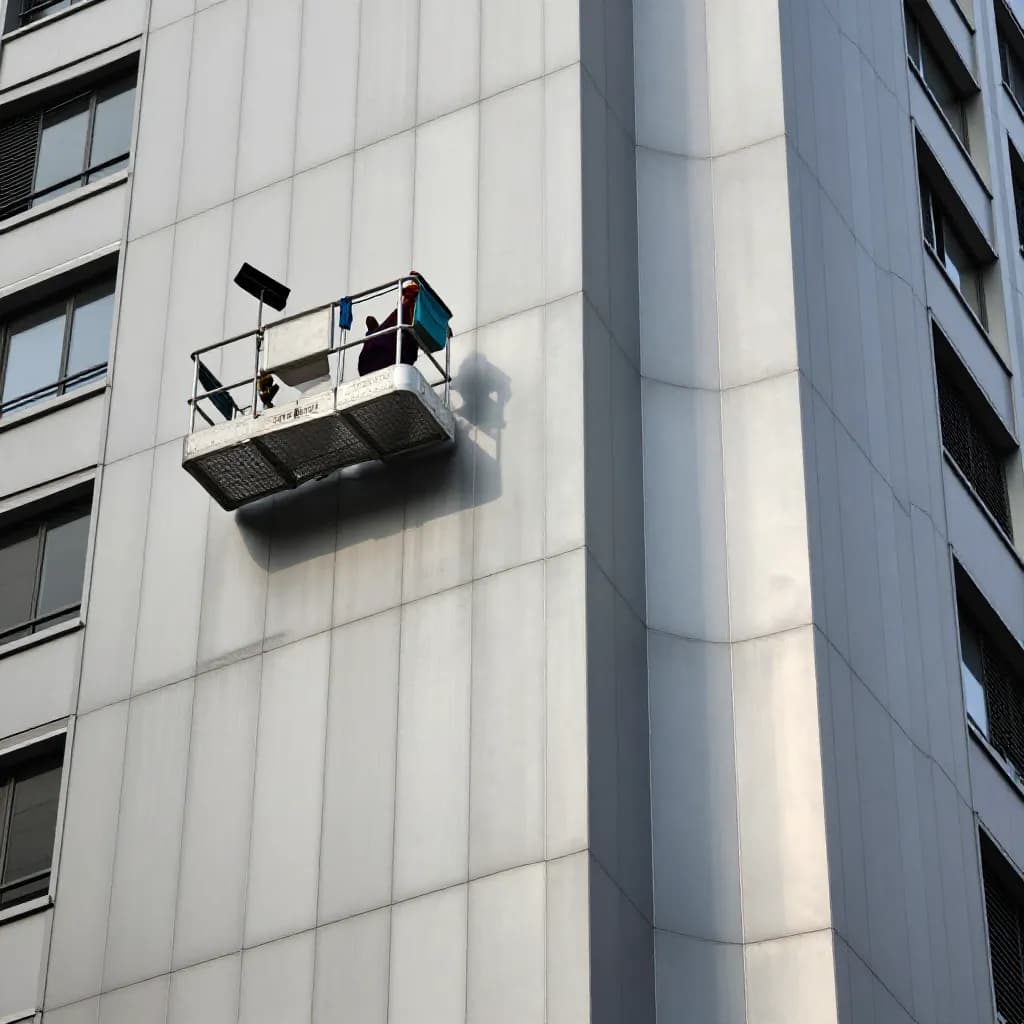
Two fluoropolymer chemistries dominate the powder coating market: PVDF (polyvinylidene fluoride) and FEVE (fluoroethylene vinyl ether). Each has distinct characteristics, application methods, and performance profiles, but both deliver the extreme durability that defines the fluoropolymer category.
Ready to Start Your Project?
From one-off customs to 15,000-part production runs — get precise pricing in 24 hours.
On This Page
What Fluoropolymer Powder Coating Is
Fluoropolymer powder coatings represent the highest performance tier in architectural finishing specifications worldwide. They are specified for landmark buildings, high-rise facades, transportation infrastructure, and any application where decades of maintenance-free performance is required. The major quality certification systems — Qualicoat Class 3, GSB Premium, and AAMA 2605 — all require fluoropolymer chemistry for their highest performance categories.
While fluoropolymer coatings represent a small percentage of total powder coating volume, they occupy the most demanding and visible applications in the built environment. Their proven track record of multi-decade performance on buildings around the world has established them as the benchmark for architectural coating durability.
PVDF Powder Coatings: The Established Standard
PVDF-based powder coatings have been the established standard for high-performance architectural finishing since the 1960s, when liquid PVDF coatings (known by the trade name Kynar 500) first demonstrated their exceptional weathering performance on building facades. The powder coating version of PVDF technology brings the same durability to a solvent-free application process.
PVDF powder coatings typically contain 70 percent PVDF resin blended with 30 percent acrylic resin. The acrylic component is necessary because pure PVDF does not adhere well to metal substrates and does not accept pigments effectively. The 70/30 PVDF/acrylic blend provides the adhesion, pigmentation, and processing characteristics needed for practical application while maintaining the weathering performance that PVDF is known for.
The crystalline structure of PVDF resin contributes to its exceptional UV resistance. The highly ordered molecular arrangement resists photodegradation more effectively than amorphous polymers, and the strong carbon-fluorine bonds are essentially immune to UV-induced bond breaking. This combination of crystallinity and bond strength is the foundation of PVDF's multi-decade outdoor performance.
PVDF powder coatings require a two-coat application system: an epoxy or polyester primer at 50-75 microns followed by the PVDF topcoat at 25-35 microns. The primer provides adhesion and corrosion protection, while the PVDF topcoat provides weathering resistance and aesthetic properties. This two-coat requirement adds complexity and cost compared to single-coat polyester systems but is essential for achieving the full performance potential of the PVDF chemistry.
The cure temperature for PVDF powder coatings is typically 230-250 degrees Celsius, higher than standard polyester or epoxy systems. This elevated cure temperature is necessary to melt the crystalline PVDF resin and achieve proper film formation.
FEVE Powder Coatings: The Single-Coat Alternative
FEVE (fluoroethylene vinyl ether) powder coatings represent a newer generation of fluoropolymer technology that offers a significant practical advantage over PVDF: single-coat application. FEVE resins are amorphous rather than crystalline, which gives them better pigment wetting, substrate adhesion, and film-forming properties than PVDF. These characteristics enable FEVE coatings to be applied as a single coat directly over pretreated metal, eliminating the primer requirement of PVDF systems.
The weathering performance of FEVE powder coatings is comparable to PVDF, with both chemistries meeting the requirements of the most demanding architectural specifications. FEVE coatings have demonstrated excellent gloss retention, color stability, and chalk resistance through decades of natural weathering exposure at test sites in Florida, Arizona, and other high-UV locations.
FEVE's amorphous structure allows it to cure at lower temperatures than PVDF — typically 180-200 degrees Celsius, similar to standard polyester powder coatings. This lower cure temperature simplifies processing and reduces energy consumption compared to PVDF systems. It also makes FEVE compatible with standard powder coating ovens without modification.
The single-coat capability of FEVE provides significant practical and economic advantages. Eliminating the primer coat reduces application time, material consumption, and energy use. It simplifies the coating line by removing the need for a separate primer application and cure cycle. For applicators considering an upgrade from polyester to fluoropolymer performance, FEVE offers a more straightforward transition than PVDF.
FEVE powder coatings are available in a broad range of colors and finishes, including solid colors, metallics, and textured effects. The resin's good pigment compatibility allows for vibrant, consistent colors that maintain their appearance through decades of outdoor exposure.
30-Year Performance: Testing and Proof
The claim of 25-30 year outdoor performance for fluoropolymer coatings is not marketing hyperbole — it is supported by decades of real-world exposure data and rigorous accelerated testing. The evidence base for fluoropolymer durability is among the most extensive in the coatings industry.
Natural weathering exposure at test sites in South Florida is the gold standard for evaluating architectural coating durability. Florida's combination of intense UV radiation, high humidity, salt air, and frequent rain creates one of the most aggressive natural weathering environments in the world. AAMA 2605, the most demanding North American architectural coating specification, requires 10 years of South Florida exposure testing with specific limits on gloss loss, color change, chalk rating, and erosion.
Fluoropolymer coatings consistently meet and exceed AAMA 2605 requirements after 10 years of Florida exposure. Many test panels have been exposed for 20-30 years and continue to show excellent performance, with gloss retention above 50 percent and color change (Delta E) below 5 units. These results confirm that fluoropolymer coatings can maintain acceptable appearance for the full service life of a building.
Accelerated weathering testing using xenon arc or fluorescent UV chambers provides faster screening of coating durability. While accelerated tests cannot perfectly replicate natural weathering, they provide useful comparative data. Fluoropolymer coatings typically retain 50 percent gloss after 4000-6000 hours of accelerated weathering, compared to 1000-2000 hours for standard polyester and 2000-3000 hours for super durable polyester.
Building case studies provide the most compelling evidence. Landmark buildings coated with fluoropolymer finishes in the 1970s and 1980s continue to perform well after 40-plus years of service, with many requiring no recoating. This real-world track record gives architects and building owners confidence in specifying fluoropolymer coatings for projects with long design lives.
Architectural Specification and Quality Standards
Fluoropolymer powder coatings are specified through the highest performance tiers of the major architectural quality certification systems. Understanding these specifications is essential for architects, specifiers, and coating applicators working on premium architectural projects.
AAMA 2605 is the most demanding North American specification for architectural coatings. It requires 10 years of South Florida exposure with specific performance limits: minimum 50 percent gloss retention, maximum 5 Delta E color change, chalk rating of 8 or better, and no more than 10 percent film erosion. Only fluoropolymer coatings — PVDF and FEVE — consistently meet these requirements. AAMA 2605 is routinely specified for high-rise buildings, curtain walls, and landmark architectural projects.
Qualicoat Class 3 is the European equivalent, requiring fluoropolymer chemistry and enhanced accelerated weathering performance compared to Class 1 (standard polyester) and Class 2 (super durable polyester). Qualicoat Class 3 coatings must demonstrate superior gloss retention and color stability in Florida exposure and accelerated testing.
GSB Premium certification represents the highest tier of the German quality mark system, requiring fluoropolymer chemistry with performance testing that parallels Qualicoat Class 3 requirements. GSB Premium is widely specified for architectural projects in Germany, Austria, Switzerland, and other European markets.
Specifying fluoropolymer coatings requires attention to the complete system, not just the topcoat. The pretreatment, primer (for PVDF systems), and topcoat must all be approved and compatible. Certified applicators must demonstrate that their processes meet the quality system's requirements for equipment, process control, and quality assurance.
For projects requiring the highest level of confidence in long-term performance, specifying fluoropolymer coatings from certified applicators using approved powder products provides the most reliable path to achieving the building's design life expectations.
Applications Beyond Architecture
While architecture is the primary market for fluoropolymer powder coatings, their extreme durability makes them valuable in other demanding applications where long-term weathering resistance justifies the premium specification.
Transportation infrastructure uses fluoropolymer coatings for bridge components, highway sound barriers, traffic signal housings, and railway station structures. These applications require decades of outdoor performance with minimal maintenance, often in locations where access for recoating is difficult and expensive.
Solar energy installations specify fluoropolymer coatings for mounting structures, tracker frames, and balance-of-system components that must maintain their integrity through 25-30 year project lifetimes in high-UV environments. The coating's durability matches the expected service life of the solar panels themselves.
Telecommunication towers and antenna structures use fluoropolymer coatings for their combination of weathering resistance and color stability. Maintaining consistent color is important for structures that must comply with aviation visibility requirements or blend with their surroundings.
Premium outdoor furniture and site furnishings for commercial and public spaces specify fluoropolymer coatings when the owner requires extended service life and minimal maintenance. Park benches, transit shelters, and urban furniture in high-profile locations benefit from the coating's ability to maintain appearance through years of outdoor exposure.
Industrial applications in chemical processing, offshore platforms, and marine environments use fluoropolymer coatings for their combined UV resistance and chemical resistance. The fluoropolymer chemistry resists both sunlight and aggressive chemicals, providing comprehensive protection in environments where other coatings would fail.
In each of these applications, the extended service life of fluoropolymer coatings reduces lifecycle maintenance requirements and total cost of ownership, often justifying the higher initial specification.
FEVE vs. PVDF: Making the Right Choice
Choosing between FEVE and PVDF fluoropolymer powder coatings requires understanding the practical differences between the two chemistries and matching them to the project's specific requirements.
FEVE's primary advantage is single-coat application. This simplifies the coating process, reduces material and energy consumption, and makes fluoropolymer performance accessible to applicators who may not have the equipment or experience for two-coat PVDF systems. For applicators looking to offer fluoropolymer performance as an upgrade from polyester, FEVE provides the most straightforward path.
PVDF's primary advantage is its established track record. With over 50 years of proven performance on buildings worldwide, PVDF has the longest and most extensive real-world exposure history of any fluoropolymer coating. This track record provides confidence for specifiers and building owners who prioritize proven performance over processing convenience.
Weathering performance is comparable between the two chemistries when properly formulated and applied. Both meet the requirements of AAMA 2605, Qualicoat Class 3, and GSB Premium. Independent testing and natural exposure data confirm that FEVE and PVDF deliver similar long-term durability.
Color and finish options are broadly similar, though FEVE's better pigment compatibility may offer slight advantages in achieving certain colors and effects. Both chemistries are available in the full range of architectural colors and finishes.
Processing considerations may favor one chemistry over the other depending on the applicator's existing equipment. FEVE cures at standard temperatures (180-200 degrees Celsius) and requires no primer, making it compatible with existing polyester coating lines. PVDF requires higher cure temperatures (230-250 degrees Celsius) and a separate primer application, which may require equipment modifications.
The market trend is toward increasing adoption of FEVE, driven by its processing advantages and comparable performance. However, PVDF remains the established reference standard, and many specifications continue to reference PVDF-based systems by name.
Frequently Asked Questions
How long do fluoropolymer powder coatings last outdoors?
Fluoropolymer powder coatings maintain their appearance for 25-30 years or more in outdoor exposure. Buildings coated with fluoropolymer finishes in the 1970s and 1980s continue to perform well after 40-plus years. This durability is confirmed by decades of South Florida exposure testing.
What is the difference between FEVE and PVDF powder coating?
FEVE is an amorphous fluoropolymer that can be applied in a single coat at standard cure temperatures. PVDF is a crystalline fluoropolymer requiring a two-coat system and higher cure temperatures. Both deliver comparable weathering performance meeting AAMA 2605 and Qualicoat Class 3 requirements.
Why are fluoropolymer coatings specified for architecture?
Fluoropolymer coatings provide the longest-lasting exterior finish available, maintaining color and gloss for 25-30 years. They meet the highest performance tiers of architectural standards (AAMA 2605, Qualicoat Class 3, GSB Premium) and reduce lifecycle maintenance costs for buildings.
What makes fluoropolymer coatings so durable?
The carbon-fluorine bond in fluoropolymer resins is one of the strongest in organic chemistry, resisting UV degradation and chemical attack. This molecular-level stability prevents the photodegradation that causes chalking, fading, and gloss loss in other coating chemistries.
Can fluoropolymer powder coating be applied in one coat?
FEVE fluoropolymer powder coatings can be applied as a single coat directly over pretreated metal. PVDF powder coatings require a two-coat system with an epoxy or polyester primer. The single-coat capability of FEVE simplifies processing and reduces application costs.
Ready to Start Your Project?
From one-off customs to 15,000-part production runs — get precise pricing in 24 hours.