Coating facilities generate wastewater from several process stages, with pretreatment being the most significant source. Metal pretreatment processes — including degreasing, pickling, conversion coating, and rinsing — produce large volumes of water containing dissolved metals, acids, alkalis, phosphates, and surfactants. Multi-stage pretreatment lines with multiple rinse tanks can consume thousands of liters of water per hour, all of which becomes contaminated process water requiring treatment before discharge.
Environmental
Water Pollution from Coating Operations: Pretreatment Discharge and Prevention
Sundial Powder Coating·April 20, 2026·8 min
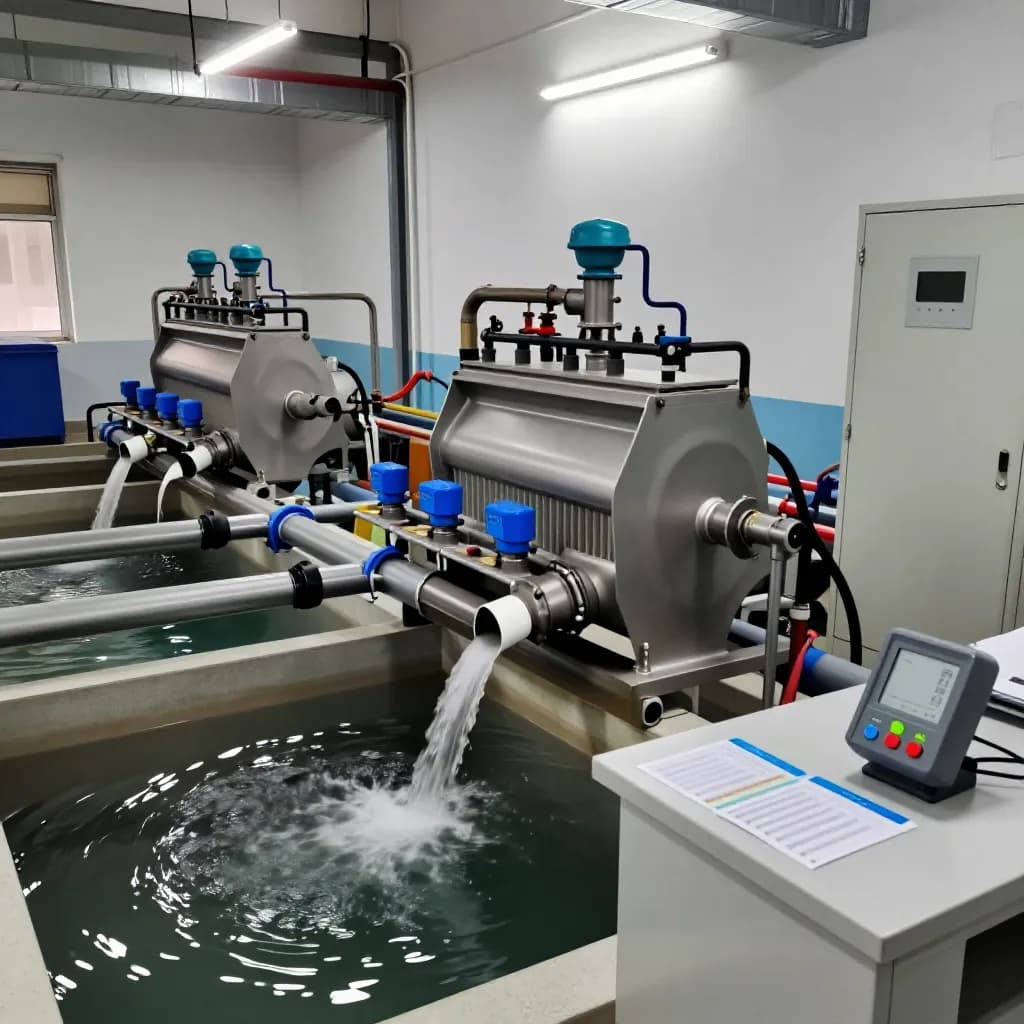
Water-wash spray booths used in liquid paint operations are another major source. Booth water circulates continuously, capturing paint overspray and accumulating paint solids, solvents, and chemical additives over time. This water must be periodically treated and replaced, generating contaminated wastewater and paint sludge. Even with chemical treatment to detackify paint solids, booth water contains dissolved organic compounds and suspended particles that require proper management.
Ready to Start Your Project?
From one-off customs to 15,000-part production runs — get precise pricing in 24 hours.
On This Page
Sources of Water Pollution in Coating Facilities
Additional water pollution sources include equipment cleaning water (particularly from waterborne paint systems), floor wash water from production areas, cooling water from process equipment, and stormwater runoff from outdoor storage areas that may be contaminated with coating materials or chemicals. Each of these streams has a different pollutant profile and may require separate treatment approaches.
Regulated Pollutants in Coating Wastewater
Coating facility wastewater contains several categories of regulated pollutants. Heavy metals are a primary concern, particularly zinc, chromium, nickel, and aluminum from pretreatment processes, and lead, cadmium, and chromium from pigments in paint-contaminated water. Discharge limits for heavy metals are typically set at very low concentrations — often in the range of 0.1-2.0 mg/L depending on the metal and receiving water — because of their toxicity and tendency to bioaccumulate in aquatic ecosystems.
Phosphates from phosphate conversion coating processes contribute to eutrophication of receiving waters, promoting excessive algal growth that depletes dissolved oxygen and harms aquatic life. Many jurisdictions have imposed strict phosphate discharge limits, driving the adoption of phosphate-free pretreatment alternatives. Fluoride from certain etching and conversion coating processes is also regulated due to its toxicity to aquatic organisms.
Other regulated parameters include pH (typically required to be between 6.0 and 9.0 for discharge), total suspended solids (TSS), biochemical oxygen demand (BOD), chemical oxygen demand (COD), and oil and grease. Solvent-based paint operations may also contribute volatile organic compounds to wastewater, which can cause air quality issues at wastewater treatment plants and toxicity to biological treatment processes.
Wastewater Treatment Requirements
Coating facilities discharging to municipal sewer systems must comply with pretreatment standards established by the local publicly owned treatment works (POTW) or water authority. These standards are designed to protect the municipal treatment plant from pollutants that could interfere with biological treatment processes, contaminate biosolids, or pass through to receiving waters. Facilities must obtain pretreatment permits that specify discharge limits, monitoring requirements, and reporting obligations.
On-site wastewater treatment systems for coating facilities typically include pH adjustment (neutralization), chemical precipitation of dissolved metals using hydroxide or sulfide reagents, flocculation and clarification to remove suspended solids, and sludge dewatering. More advanced systems may include membrane filtration, ion exchange, or activated carbon adsorption for polishing. The treatment sludge generated — containing precipitated metals and other contaminants — is typically classified as hazardous waste and must be disposed of accordingly.
Facilities discharging directly to surface waters face even stricter requirements under national pollutant discharge elimination systems (such as the US NPDES program or EU Water Framework Directive). Direct discharge permits set effluent limits based on both technology-based standards and water quality-based standards designed to protect the specific receiving water body.
Minimizing Water Use and Discharge
Water conservation in coating operations begins with process optimization. Counter-current rinsing, where clean water enters the final rinse stage and flows backward through preceding stages, can reduce rinse water consumption by 80-90% compared to single-stage overflow rinsing. Conductivity-controlled rinse water addition ensures that fresh water is added only when rinse quality drops below the required threshold, eliminating unnecessary water use.
Closed-loop water recycling systems treat and recirculate process water, dramatically reducing both water consumption and wastewater discharge. Technologies such as reverse osmosis, nanofiltration, and ion exchange can purify rinse water to a quality suitable for reuse, with only a small concentrate stream requiring disposal. While these systems require capital investment, they can reduce water consumption by 90% or more and may eliminate the need for a wastewater discharge permit entirely.
Process substitution offers another pathway to water reduction. Replacing wet chemical pretreatment with dry alternatives — such as mechanical abrasion, plasma treatment, or dry-in-place conversion coatings — can eliminate pretreatment rinse water entirely for some applications. Similarly, replacing water-wash spray booths with dry-filter booths eliminates booth water as a waste stream, though this is primarily relevant to liquid paint operations.
Powder Coating's Reduced Water Footprint
Powder coating operations have a significantly smaller water footprint than liquid paint operations for several reasons. The application process itself uses no water — powder is applied dry using electrostatic spray equipment, and overspray is recovered using dry cyclone and filter systems. There are no water-wash spray booths, no booth water to treat, and no paint sludge to dewater and dispose of.
The primary water consumption in a powder coating facility comes from the pretreatment stage, which is common to both powder and liquid coating operations. However, powder coating's excellent adhesion to properly pretreated substrates means that simpler pretreatment processes — sometimes with fewer stages and lower chemical concentrations — can be sufficient, potentially reducing pretreatment water consumption compared to liquid paint systems that require more aggressive surface preparation.
Some powder coating operations have further reduced their water footprint by adopting dry pretreatment technologies. Mechanical preparation (blasting), dry-in-place conversion coatings, and plasma surface treatment can eliminate wet pretreatment entirely for certain substrates and applications. When combined with powder coating's waterless application process, these dry pretreatment methods can create a coating line with near-zero process water consumption and no wastewater discharge.
Frequently Asked Questions
What are the main water pollutants from coating operations?
The primary pollutants are heavy metals (zinc, chromium, nickel, aluminum) from pretreatment processes, phosphates from conversion coatings, suspended solids from paint overspray, and pH extremes from acid and alkaline process chemicals. Oil, grease, and organic compounds from paint systems may also be present.
Do coating facilities need wastewater discharge permits?
Yes, facilities discharging process wastewater to municipal sewers need pretreatment permits from the local water authority, and those discharging to surface waters need national discharge permits (such as NPDES in the US). Permits specify pollutant limits, monitoring frequency, and reporting requirements.
How can coating facilities reduce water consumption?
Key strategies include counter-current rinsing (reducing rinse water by 80-90%), conductivity-controlled water addition, closed-loop recycling with membrane filtration or ion exchange, and substituting wet pretreatment with dry alternatives such as blasting or plasma treatment.
Does powder coating use less water than liquid painting?
Yes. Powder coating's dry application process eliminates water-wash spray booths and their associated wastewater. While pretreatment water use is similar, powder coating facilities can more readily adopt dry pretreatment alternatives, potentially achieving near-zero process water consumption.
Ready to Start Your Project?
From one-off customs to 15,000-part production runs — get precise pricing in 24 hours.