Volatile organic compounds, commonly known as VOCs, are carbon-based chemicals that evaporate readily at room temperature. In the coatings industry, VOCs are primarily found in the solvents used to dissolve resins and control the viscosity of liquid paints, stains, and varnishes. When a liquid coating is applied and begins to dry, these solvents evaporate into the surrounding air, releasing VOCs into the atmosphere.
Technical
Understanding VOC in Coatings: What You Need to Know
Sundial Powder Coating·April 18, 2026·8 min
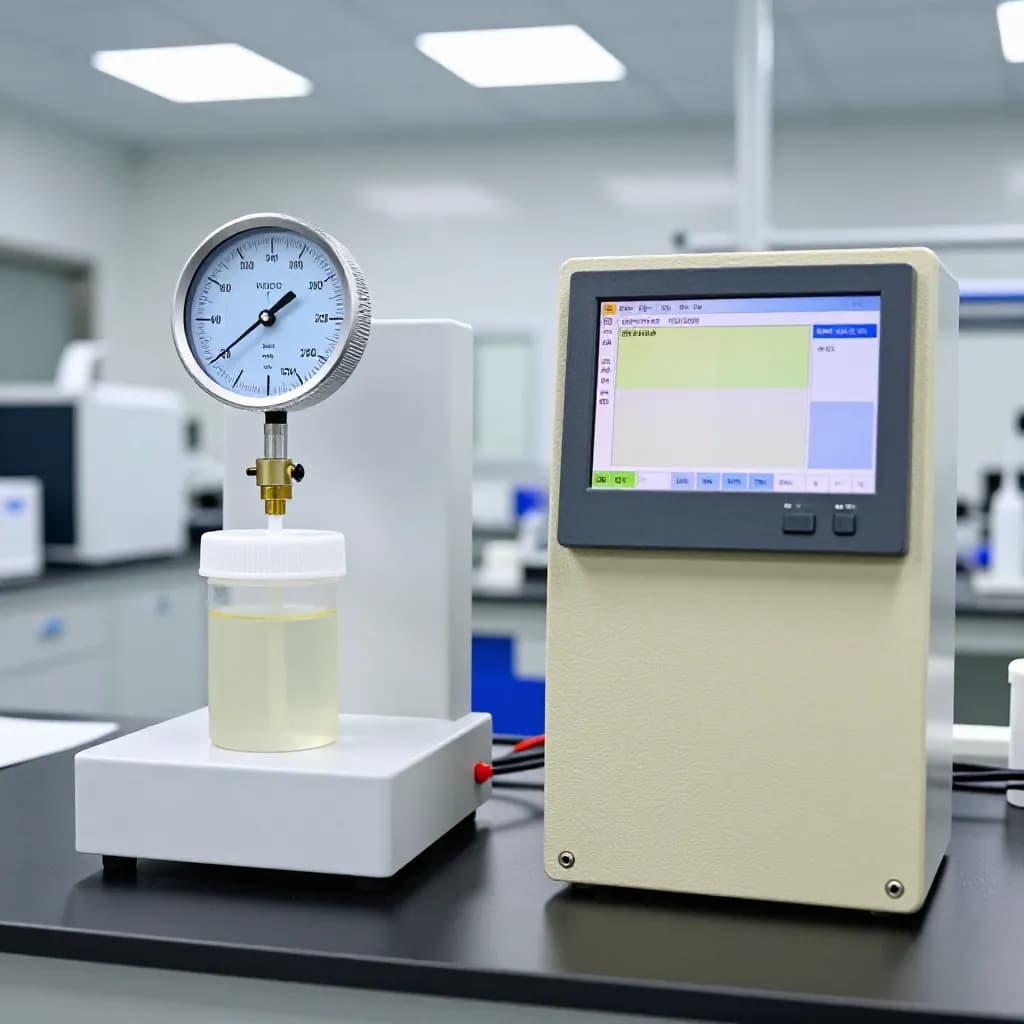
Common VOCs found in coatings include toluene, xylene, formaldehyde, benzene, ethylene glycol, and methylene chloride. While these chemicals serve important functional purposes during application — helping the coating flow smoothly, adhere properly, and cure evenly — their release into the environment raises significant health and environmental concerns.
Ready to Start Your Project?
From one-off customs to 15,000-part production runs — get precise pricing in 24 hours.
On This Page
What Are Volatile Organic Compounds (VOCs)?
It is important to note that not all organic compounds in coatings are classified as VOCs. Regulatory definitions typically exclude compounds with very low vapor pressures or those that are considered to have negligible photochemical reactivity. The precise definition of what constitutes a VOC can vary between regulatory jurisdictions, which is one reason the coatings industry must navigate a complex web of compliance requirements.
Why Do VOCs Matter?
VOCs matter for two primary reasons: human health and environmental impact.
From a health perspective, exposure to VOCs can cause a range of short-term symptoms including headaches, dizziness, nausea, eye and respiratory tract irritation, and allergic skin reactions. Long-term or chronic exposure to certain VOCs has been linked to more serious conditions including liver and kidney damage, central nervous system disorders, and in some cases, cancer. Workers in coating application facilities face the highest exposure risks, but building occupants can also be affected by off-gassing from freshly applied interior coatings.
Environmentally, VOCs are precursors to ground-level ozone formation. When VOCs react with nitrogen oxides (NOx) in the presence of sunlight, they produce tropospheric ozone — the primary component of smog. Ground-level ozone damages crops, forests, and ecosystems, and contributes to respiratory problems in urban populations. Some VOCs are also classified as hazardous air pollutants (HAPs) with direct toxic effects on both human health and the environment.
The coatings industry is one of the largest industrial sources of VOC emissions globally. Approximately 3 billion gallons of paint are produced annually worldwide, and traditional solvent-based formulations can contain 40-60% solvents by weight. This makes VOC reduction in coatings a significant lever for improving air quality.
VOC Regulations Around the World
Governments worldwide have implemented increasingly stringent regulations to limit VOC emissions from coatings.
In the United States, the Environmental Protection Agency (EPA) regulates VOCs under the Clean Air Act. The EPA sets VOC content limits for architectural coatings, with flat coatings typically limited to 50-150 g/L and non-flat coatings limited to 100-250 g/L, depending on the specific product category. Individual states, particularly California through its South Coast Air Quality Management District (SCAQMD) Rule 1113, often impose even stricter limits.
The European Union regulates VOC emissions through the Paints Directive (2004/42/EC), which sets maximum VOC content limits for decorative paints and vehicle refinishing products. The Industrial Emissions Directive (2010/75/EU) further controls VOC emissions from industrial coating operations.
In Canada, the Volatile Organic Compound Concentration Limits for Architectural Coatings Regulations (SOR/2009-264) establish maximum VOC concentrations for various coating categories sold in the Canadian market.
These regulations continue to tighten over time, driving the coatings industry toward lower-VOC and zero-VOC formulations. Manufacturers who fail to comply face significant fines, product recalls, and reputational damage.
How VOC Content Is Measured
VOC content in coatings is typically measured in grams per liter (g/L) and can be determined through several standardized test methods.
The most common method in North America is EPA Method 24, which measures the total volatile content of a coating by heating a sample and measuring the weight loss. The VOC content is then calculated by subtracting the water and exempt solvent content from the total volatile content.
In Europe, ISO 11890 provides standardized methods for determining VOC content, with Part 1 covering a difference method and Part 2 covering a gas chromatographic method. The gas chromatographic method is generally considered more accurate as it can identify and quantify individual VOC components.
ASTM D3960 provides a standard practice for determining VOC content of paints and related coatings, while ASTM D6886 uses gas chromatography to determine individual VOC compounds.
It is worth noting that the measured VOC content of a coating as supplied may differ from the actual VOC emissions during application, as some formulations continue to release VOCs during the curing process over days or weeks after application.
Low-VOC and Zero-VOC Coating Technologies
The coatings industry has developed several technologies to reduce or eliminate VOC emissions.
Water-based (waterborne) coatings replace organic solvents with water as the primary carrier. While not completely VOC-free — they may still contain small amounts of co-solvents — waterborne coatings typically have VOC levels of 50-150 g/L compared to 350-500 g/L for traditional solvent-based products. Modern waterborne formulations have closed much of the performance gap with solvent-based coatings, offering excellent durability, adhesion, and appearance.
High-solids coatings increase the proportion of film-forming solids while reducing solvent content. These formulations typically achieve 60-80% solids by volume, compared to 30-50% for conventional coatings, resulting in significantly lower VOC emissions per unit of applied film.
Powder coatings represent the most significant VOC reduction technology, as they contain virtually zero volatile organic compounds. Applied as a dry powder and cured through heat, powder coatings eliminate the need for solvents entirely. AkzoNobel's Interpon range, for example, offers a comprehensive portfolio of powder coatings that deliver premium color and performance with near-zero VOC emissions.
Radiation-cured coatings (UV and electron beam) use reactive monomers and oligomers that polymerize upon exposure to UV light or electron beams, eliminating the need for solvent evaporation. These systems offer extremely fast cure times and very low VOC emissions.
Each technology has its optimal application range, and the choice depends on factors including substrate type, performance requirements, application method, and production volume.
The Role of Powder Coatings in VOC Reduction
Powder coatings stand out as the most environmentally advantageous coating technology from a VOC perspective. Because they are applied as a dry powder — typically using electrostatic spray equipment — and cured through heat in an oven, there are no solvents to evaporate and therefore virtually no VOC emissions during application or curing.
Beyond zero VOC emissions, powder coatings offer additional environmental benefits. Overspray powder can be collected and recycled, achieving material utilization rates of 95-98% compared to 30-70% for liquid coatings. This dramatically reduces waste generation and raw material consumption.
AkzoNobel's powder coatings division, operating under the Interpon brand, has been at the forefront of sustainable coating innovation. Their Eco+ portfolio highlights products that deliver verified environmental gains including reduced energy consumption through lower curing temperatures, decreased waste generation, and extended product service life. Their Low-E powder coatings, for example, cure at temperatures 50°C lower than standard formulations, reducing energy consumption by up to 20% while curing up to 25% faster.
The powder coating industry continues to expand its capabilities, with modern formulations available in virtually any color — including the full RAL Classic range — and a wide variety of textures, gloss levels, and special effects. Superdurable and hyperdurable polyester powder coatings now offer exterior weathering performance that rivals or exceeds traditional liquid coating systems.
Choosing the Right Low-VOC Coating for Your Project
Selecting the appropriate low-VOC coating requires balancing environmental goals with performance requirements.
For architectural and decorative applications, waterborne latex paints have become the standard choice, offering excellent color range, ease of application, and low odor. Look for products certified by recognized eco-labels such as EU Ecolabel, Blue Angel, or Green Seal.
For industrial metal finishing, powder coatings should be the first consideration whenever the substrate can withstand the curing temperatures (typically 160-200°C for standard formulations, or as low as 150°C for low-bake products). Powder coatings deliver superior durability, chemical resistance, and consistency compared to most liquid alternatives.
For substrates that cannot tolerate heat curing — such as wood, plastic, or assembled components with heat-sensitive elements — waterborne or high-solids liquid coatings offer the best balance of low VOC content and application flexibility.
For high-performance industrial applications requiring extreme chemical resistance or very thin film builds, radiation-cured coatings may be the optimal choice.
Always verify that the selected coating meets the VOC limits applicable in your jurisdiction, and request technical data sheets and safety data sheets from the manufacturer to confirm VOC content and any special handling requirements.
Frequently Asked Questions
What does VOC stand for in paint?
VOC stands for Volatile Organic Compounds. These are carbon-based chemicals in paint that evaporate at room temperature, releasing gases into the air as the paint dries. They are the primary source of the strong smell associated with fresh paint and are regulated due to their impact on air quality and human health.
Are powder coatings zero VOC?
Powder coatings are considered virtually zero-VOC because they contain no solvents. They are applied as a dry powder and cured through heat, eliminating the solvent evaporation that causes VOC emissions in liquid coatings. This makes powder coating one of the most environmentally friendly coating technologies available.
What is a safe VOC level for interior paint?
For interior paints, look for products with VOC content below 50 g/L for flat finishes and below 100 g/L for non-flat finishes. Many premium interior paints now achieve VOC levels below 5 g/L or are certified as zero-VOC. Green building standards like LEED typically require VOC levels below specific thresholds for credit qualification.
How long do VOCs off-gas from paint?
Most VOC off-gassing from paint occurs during the first 48-72 hours after application, but low-level emissions can continue for weeks or even months depending on the formulation, film thickness, ventilation, temperature, and humidity. Ensuring good ventilation during and after painting significantly reduces indoor VOC concentrations.
What is the difference between low-VOC and zero-VOC paint?
Low-VOC paints typically contain less than 50 g/L of volatile organic compounds, while zero-VOC paints contain less than 5 g/L. Note that zero-VOC refers to the base paint — adding colorants can increase the VOC content slightly. Both options are significantly better for indoor air quality than traditional solvent-based paints, which can contain 300-500 g/L of VOCs.
Ready to Start Your Project?
From one-off customs to 15,000-part production runs — get precise pricing in 24 hours.