Starting a powder coating business can be a rewarding venture, but it requires a realistic assessment of the market opportunity, the capital investment, and the operational demands before committing. The powder coating industry serves a broad range of customers — from individual consumers wanting motorcycle frames or garden furniture refinished, to industrial manufacturers needing production coating for thousands of components per week, to architectural fabricators requiring certified coatings for building facades.
Guides
Starting a Powder Coating Business: Equipment, Facility, Certifications, and Market Guide
Sundial Powder Coating·April 22, 2026·13 min
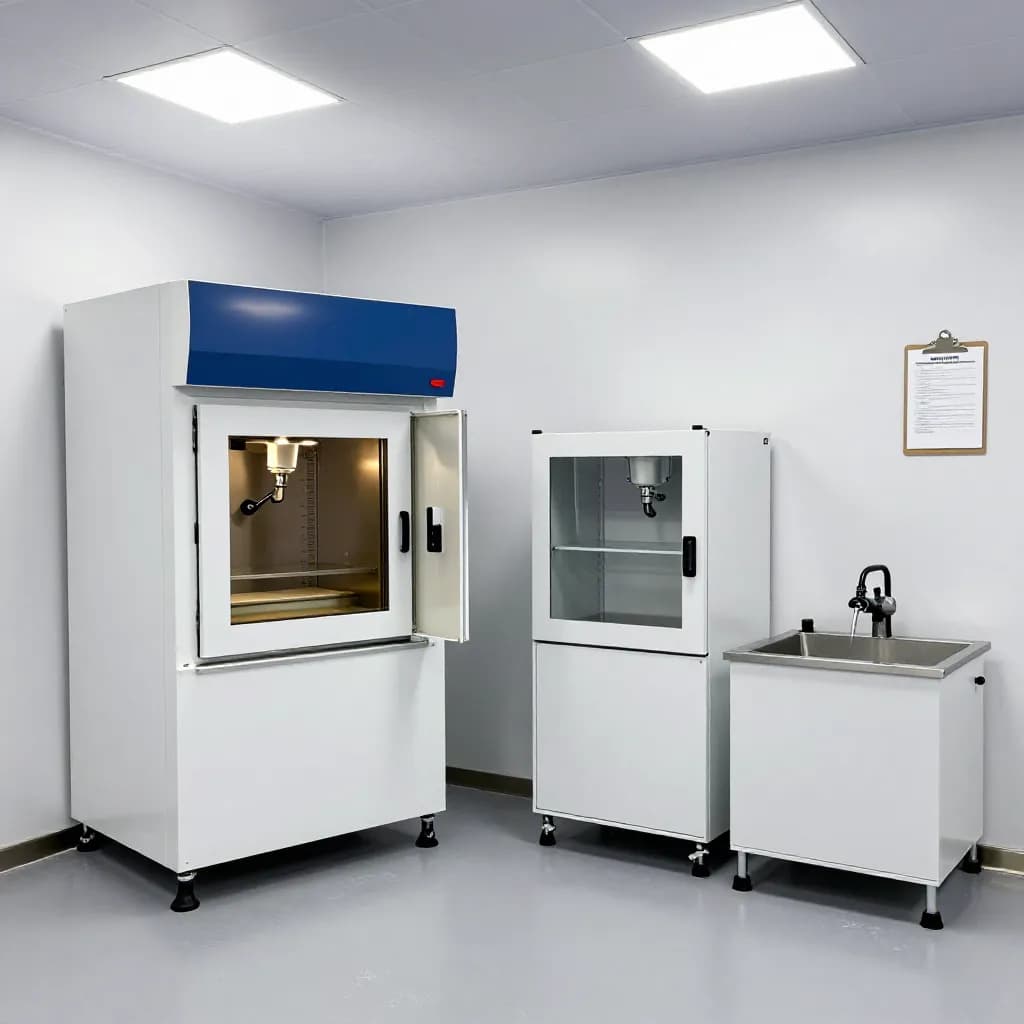
The barrier to entry varies dramatically depending on which market segment you target. A basic job shop serving local consumers and small businesses can start with relatively modest equipment and facility investment. A production coating operation serving OEM manufacturers requires significantly more sophisticated equipment, quality systems, and technical expertise. An architectural coating business serving the construction industry requires the highest level of investment, including certified pretreatment systems, quality laboratory equipment, and industry certifications such as Qualicoat or GSB.
Ready to Start Your Project?
From one-off customs to 15,000-part production runs — get precise pricing in 24 hours.
On This Page
Is a Powder Coating Business Right for You?
Before investing, conduct a thorough assessment of the local market. Who are the potential customers? What coating services do they currently use, and are they satisfied? What volumes and quality levels do they require? Is there unmet demand that a new entrant could serve, or is the market already well-supplied by existing coaters? Talk to potential customers directly — their feedback will tell you more about the market opportunity than any industry report.
Essential Equipment for a Powder Coating Operation
The core equipment for a powder coating operation includes a pretreatment system, a spray booth, a curing oven, a powder application system, and a conveyor or handling system. Each component must be sized and specified to match your target throughput, part size range, and quality requirements.
The spray booth is where powder is applied to parts. Booth options range from simple open-face manual booths for low-volume job shop work to fully enclosed automatic booths with reciprocating gun arrays for high-volume production. Booth construction materials include powder-coated steel, stainless steel, and non-conductive plastic panels. The booth must include an effective powder recovery system — either a cyclone separator or a cartridge filter module — to collect overspray powder for reuse. Quick color change capability is important if you will handle diverse color requirements.
The curing oven must be large enough to accommodate your largest parts and must achieve and maintain the cure temperatures required by the powder products you use — typically 160-200°C for standard thermoset powders. Oven options include batch ovens (where parts are loaded, the door is closed, and the oven cycles through the cure profile) and conveyorized ovens (where parts move continuously through the oven on a conveyor). Batch ovens are more flexible and less expensive but slower, while conveyorized ovens offer higher throughput but require more space and capital. Gas-fired ovens are more energy-efficient than electric ovens for larger installations, but electric ovens are simpler to install and maintain.
Facility Requirements and Layout Planning
The facility for a powder coating operation must provide adequate space for the coating process, material storage, part handling, and support functions. A minimum facility size for a basic job shop operation is approximately 200-300 square meters, while a production coating operation may require 500-2,000 square meters or more depending on throughput requirements and part sizes.
Layout planning should follow the process flow: goods receiving and inspection, pretreatment, drying, powder application, curing, cooling, final inspection, and packaging/dispatch. Minimize the distance parts travel between process steps and avoid backtracking or cross-traffic that creates congestion and increases handling damage risk. Allow adequate space around each process station for operator access, maintenance, and material handling equipment.
Facility infrastructure requirements include adequate electrical supply (coating equipment, ovens, lighting, and ventilation are significant power consumers), gas supply if using gas-fired ovens, compressed air supply (clean, dry, oil-free air is essential for powder application), water supply and drainage for pretreatment systems, ventilation and extraction systems for the spray booth and pretreatment area, and appropriate lighting for quality inspection. The facility must comply with local building codes, fire regulations, and environmental permits. Consult with local authorities early in the planning process to understand requirements and avoid costly modifications after construction.
Pretreatment: The Foundation of Coating Quality
Pretreatment is the most critical and most frequently underestimated aspect of a powder coating operation. The best powder application in the world will fail if the substrate is not properly cleaned and prepared. Pretreatment removes oils, greases, oxides, and other contaminants from the substrate surface and applies a conversion coating that promotes adhesion and enhances corrosion resistance.
For a startup operation, the pretreatment system choice depends on the substrates you will process and the quality level you need to achieve. A basic iron phosphate spray wash system is suitable for mild steel parts in moderate-duty applications. A zinc phosphate system provides superior corrosion resistance for more demanding applications. For aluminum substrates, a chromate or chrome-free conversion coating system is required. Multi-metal pretreatment systems that can handle both steel and aluminum are available but require careful chemistry management.
Invest in proper pretreatment from the start — it is far more expensive to upgrade later than to install the right system initially. Budget for ongoing chemistry costs, water treatment, and waste disposal, which are significant recurring expenses. Establish a rigorous pretreatment monitoring program that includes regular testing of chemistry concentration, temperature, pH, and conductivity. Many coating failures that are attributed to powder quality or application technique actually originate in inadequate pretreatment — making this the area where quality discipline pays the greatest dividends.
Certifications and Quality Systems
The certifications you need depend on the market segments you intend to serve. For general industrial job shop work, ISO 9001 quality management certification provides a credible quality framework and is increasingly expected by industrial customers. The certification process typically takes six to twelve months and involves documenting your quality management system, implementing it, and passing an audit by an accredited certification body.
For architectural coating work, Qualicoat or GSB certification is essential for credibility and market access in Europe. These certifications impose specific requirements for pretreatment systems, application equipment, testing capability, and staff competence that must be in place before the certification audit. The investment in equipment and systems to meet these requirements is substantial but opens access to the higher-value architectural market. In North America, demonstrating compliance with AAMA specifications is the equivalent requirement.
Beyond formal certifications, establish a quality management system that covers all aspects of your operation — from order receipt and material handling through pretreatment, coating, curing, inspection, and dispatch. Document your processes, train your staff, calibrate your measurement equipment, and maintain records that demonstrate traceability and compliance. Even if you do not pursue formal certification immediately, operating to a documented quality system from day one builds good habits, reduces defects, and positions you for certification when the business is ready.
Market Analysis and Business Planning
A thorough market analysis is essential before committing capital to a powder coating business. Identify the potential customer segments in your geographic area — automotive aftermarket, industrial manufacturing, architectural fabrication, agricultural equipment, furniture, consumer goods — and assess the size, growth trajectory, and competitive landscape of each segment.
Research existing coating suppliers in your area. How many are there? What services do they offer? What are their strengths and weaknesses? Are customers satisfied, or is there unmet demand for better quality, faster turnaround, or specific capabilities? Talk to potential customers about their coating needs, pain points, and what they would value in a new supplier. This primary research is more valuable than published market data because it reflects the specific dynamics of your local market.
Develop a business plan that includes realistic revenue projections based on your market analysis, a detailed capital budget for equipment and facility, an operating cost budget covering materials, labor, utilities, and overhead, a cash flow projection that accounts for the ramp-up period before the business reaches profitability, and a marketing plan for acquiring your first customers. Be conservative in your revenue projections — new coating businesses typically take twelve to twenty-four months to build a customer base sufficient for profitability. Ensure you have adequate working capital to sustain the business through this ramp-up period.
Staffing and Skills Development
The quality of your staff is as important as the quality of your equipment. Powder coating requires a combination of technical knowledge, manual skill, and quality awareness that takes time to develop. Key roles in a coating operation include spray operators (who apply the powder), pretreatment operators (who manage the chemical preparation process), quality inspectors (who verify coating conformance), and maintenance technicians (who keep equipment running reliably).
Recruiting experienced powder coating operators can be challenging because the industry does not have a widely recognized formal training pathway. Many operators learn on the job, and their skill level varies significantly. When hiring, look for candidates with attention to detail, mechanical aptitude, and a quality-conscious mindset — these attributes are more important than specific coating experience, which can be taught. Invest in training from equipment suppliers, powder manufacturers, and industry associations, all of which offer courses covering coating technology, application techniques, and quality control.
As the business owner or manager, you need a working understanding of all aspects of the coating process — even if you are not operating the equipment yourself. This knowledge is essential for making informed decisions about equipment, materials, and process parameters, for diagnosing quality problems, and for communicating credibly with customers about technical requirements. Attend industry training courses, visit other coating operations, and build relationships with powder suppliers and equipment manufacturers who can provide ongoing technical support.
Common Mistakes and How to Avoid Them
The most common mistake in starting a powder coating business is underestimating the importance of pretreatment. New entrants often invest heavily in spray booths and ovens while skimping on pretreatment, only to discover that coating adhesion failures and corrosion problems destroy their reputation and profitability. Invest in proper pretreatment from the start and maintain it rigorously.
Underpricing is another frequent mistake. New businesses often set prices too low to win initial customers, then find they cannot cover their costs or invest in quality improvements. Understand your true cost structure — including overhead, depreciation, and quality costs — and price accordingly. Competing on price alone is a race to the bottom; compete on quality, service, and reliability instead.
Overinvesting in equipment before establishing a customer base is equally dangerous. Start with equipment that matches your realistic near-term volume, not your optimistic five-year projection. A well-maintained basic line that produces consistent quality is more valuable than an expensive automated line running at 20% capacity. Plan for phased investment that adds capability as the business grows and revenue supports it.
Neglecting environmental compliance can result in fines, enforcement action, and even business closure. Understand your environmental obligations from the outset — air emissions, wastewater discharge, waste disposal, and chemical storage all have regulatory requirements that must be met. Budget for compliance costs and build them into your pricing. Finally, do not underestimate the importance of sales and marketing — the best coating operation in the world is worthless without customers. Dedicate time and resources to business development from day one.
Frequently Asked Questions
How much does it cost to start a powder coating business?
Startup costs vary widely depending on scale and market segment. A basic job shop with manual equipment can start for a modest investment in used or entry-level equipment plus facility costs. A production-grade operation with automated equipment, proper pretreatment, and quality laboratory requires significantly more. Develop a detailed capital budget based on your specific requirements.
Do I need certifications to start a powder coating business?
Certifications are not legally required but are increasingly expected by customers. ISO 9001 is recommended for credibility with industrial customers. Qualicoat or GSB certification is essential for architectural work in Europe. Start with a documented quality system and pursue formal certification as the business matures and the target market demands it.
How long does it take for a new powder coating business to become profitable?
Most new coating businesses take twelve to twenty-four months to build a customer base sufficient for profitability. The ramp-up period depends on the local market, your sales effectiveness, and the quality of your service. Ensure you have adequate working capital to sustain the business through this period.
What is the most important equipment investment for a new coating business?
The pretreatment system is the most important investment because it determines coating adhesion and corrosion resistance — the foundations of coating quality. Many startups underinvest in pretreatment and overinvest in spray equipment. A good pretreatment system with a basic spray booth will produce better results than an expensive booth with inadequate pretreatment.
Should I buy new or used powder coating equipment?
Used equipment can significantly reduce startup costs, but inspect it carefully for condition, age, and compatibility with your requirements. Ovens and booths are generally safe to buy used if well-maintained. Powder application guns and controllers should be current-generation for best performance. Pretreatment systems should be evaluated by a specialist before purchase.
Ready to Start Your Project?
From one-off customs to 15,000-part production runs — get precise pricing in 24 hours.