Single-coat powder coating systems apply one layer of powder directly over a pretreated metal substrate. The single coat serves all functions simultaneously — corrosion protection, UV resistance, color, and decorative finish. This is the most common powder coating approach, used for the majority of architectural, industrial, and consumer product applications. The single coat is typically applied at 60 to 80 microns for standard applications and up to 120 microns for applications requiring enhanced protection.
Comparison
Single-Coat vs Two-Coat Powder Coating Systems: When You Need Primer Plus Topcoat
Sundial Powder Coating·April 22, 2026·11 min
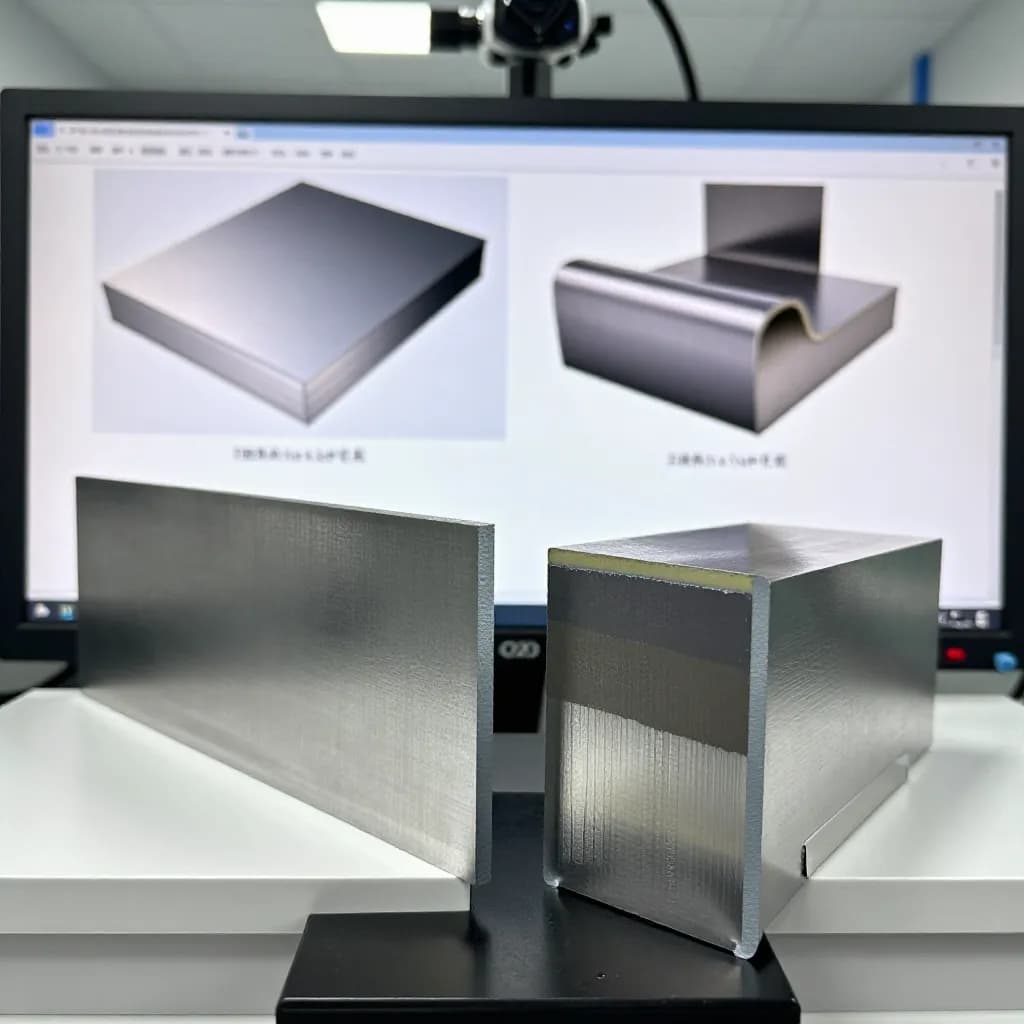
The success of single-coat systems depends heavily on the quality of the substrate pretreatment. Because there is no primer layer to provide additional corrosion protection and adhesion promotion, the pretreatment must create a strong chemical bond between the metal and the powder coating while providing a secondary barrier against corrosion. Multi-stage chemical pretreatment with iron phosphate, zinc phosphate, or chrome-free conversion coatings is standard practice for single-coat systems.
Ready to Start Your Project?
From one-off customs to 15,000-part production runs — get precise pricing in 24 hours.
On This Page
Understanding Single-Coat Powder Systems
Single-coat systems offer significant advantages in manufacturing efficiency. One application step and one curing cycle mean faster throughput, lower energy consumption, and simpler production logistics compared to two-coat systems. For applications where the corrosion environment is mild to moderate and the performance requirements can be met by a single coat of appropriate powder chemistry, the single-coat approach provides the best balance of performance and economy.
Understanding Two-Coat Powder Systems
Two-coat powder coating systems apply a primer coat followed by a topcoat, with each layer optimized for its specific function. The primer coat — typically an epoxy or epoxy-polyester formulation — provides maximum adhesion to the pretreated substrate and superior corrosion protection. The topcoat — typically a polyester or polyurethane formulation — provides UV resistance, color, gloss, and weathering performance. Together, the two layers create a coating system that outperforms either layer alone.
The primer coat in a two-coat system is usually applied at 25 to 50 microns and may be partially cured (gelled) or fully cured before the topcoat is applied. Partial curing — sometimes called a gel cure or B-stage cure — leaves the primer surface slightly reactive, promoting chemical bonding with the topcoat. Full curing of the primer before topcoat application is also practiced, with inter-coat adhesion achieved through mechanical bonding to the primer surface.
The topcoat is applied over the primer at 40 to 80 microns, bringing the total system thickness to 65 to 130 microns. This total thickness is comparable to a single-coat system, but the performance is superior because each layer is optimized for its specific function rather than compromising between corrosion protection and UV resistance in a single formulation. The primer provides the corrosion barrier while the topcoat provides the weather resistance and aesthetics.
Performance Differences: Corrosion Protection
The corrosion protection advantage of two-coat systems over single-coat systems is well-documented and can be substantial depending on the specific formulations and test conditions. In salt spray testing, two-coat systems with epoxy primer and polyester topcoat routinely achieve 1500 to 3000 hours of resistance, compared to 500 to 1000 hours for single-coat polyester systems of equivalent total thickness. This two to three times improvement in salt spray performance reflects the superior corrosion resistance of the epoxy primer layer.
The reason for this performance difference lies in the chemistry. Epoxy resins provide excellent adhesion to metal substrates and superior barrier properties against moisture and chemical penetration. However, epoxy degrades under UV exposure, making it unsuitable as a topcoat for exterior applications. Polyester resins provide excellent UV resistance and weathering performance but are less effective as corrosion barriers than epoxy. The two-coat system combines the strengths of both — epoxy's corrosion protection beneath polyester's weather resistance.
At damage sites — scratches, chips, and other coating breaches — two-coat systems also outperform single-coat systems. When the topcoat is damaged but the primer remains intact, the epoxy primer continues to protect the substrate from corrosion. In a single-coat system, any damage that penetrates the full coating thickness exposes bare metal directly. This damage tolerance gives two-coat systems a significant advantage in applications where coating damage from handling, installation, or service is likely.
When Single-Coat Systems Are Sufficient
Single-coat powder coating systems are appropriate and cost-effective for a wide range of applications where the corrosion environment is mild to moderate and the coating is unlikely to sustain significant damage during service. Indoor applications — office furniture, shelving, electrical enclosures, and interior architectural components — rarely require the enhanced protection of a two-coat system because they are not exposed to moisture, salt spray, or UV radiation.
Sheltered exterior applications in mild climates also perform well with single-coat systems. Covered walkway railings, building interior components visible through windows, and exterior components in dry, non-coastal environments can achieve acceptable service life with a single coat of quality polyester powder over proper pretreatment. The key factors are the severity of the corrosion environment and the expected service life — if the environment is mild and the expected life is 10 to 15 years, a single-coat system is typically sufficient.
Consumer products with moderate service life expectations — small appliances, consumer electronics housings, sporting goods, and garden tools — are also well-served by single-coat systems. These products are typically used in sheltered environments, have service lives of 5 to 15 years, and are not subject to the demanding corrosion environments that justify two-coat systems. The manufacturing efficiency and lower cost of single-coat application make it the economical choice for these applications.
When Two-Coat Systems Are Necessary
Two-coat powder coating systems are specified when the application demands maximum corrosion protection, extended service life, or compliance with demanding performance specifications. The most common situations requiring two-coat systems include severe corrosion environments, high-value long-life assets, and applications governed by specifications that mandate primer plus topcoat.
Severe corrosion environments — coastal locations, industrial atmospheres, chemical processing facilities, and marine-adjacent installations — subject coatings to aggressive salt spray, chemical exposure, and moisture levels that can overwhelm single-coat systems. In these environments, the epoxy primer layer provides an essential additional barrier that significantly extends the coating system's service life. Architectural aluminum in coastal high-rise buildings, structural steel in industrial plants, and outdoor equipment in marine environments all benefit from two-coat protection.
High-value, long-life assets justify two-coat systems because the cost of premature coating failure — including access costs for maintenance, production downtime, and replacement expenses — far exceeds the incremental cost of the primer layer. Bridges, transmission towers, pipeline components, and architectural facades on landmark buildings are examples where the two-coat system's enhanced durability provides clear economic value over the asset's 25 to 50 year expected life.
Specification requirements also drive two-coat system adoption. Qualicoat Class 3 for architectural aluminum, AAMA 2605 for high-performance architectural coatings, and various industrial specifications for corrosion protection all require or recommend primer plus topcoat systems for their most demanding performance tiers.
Specification Standards and Requirements
Major coating specification systems define when single-coat and two-coat systems are appropriate, providing clear guidance for specifiers. Qualicoat — the leading European quality label for architectural powder coating on aluminum — defines three performance classes. Class 1 and Class 2 can be achieved with single-coat systems using standard and superdurable polyester powders respectively. Class 3, the highest performance tier, requires a two-coat system with primer and topcoat to achieve the enhanced corrosion and weathering resistance demanded by the specification.
AAMA specifications in North America follow a similar tiered approach. AAMA 2603 and 2604 can be met with single-coat systems, while AAMA 2605 — the most demanding specification requiring 10 years of South Florida exposure testing — is typically achieved with two-coat systems or high-performance single-coat fluoropolymer systems. The choice between single-coat and two-coat depends on the specific performance requirements of the project and the coating chemistry available.
ISO 12944, the international standard for protective paint systems on steel structures, classifies corrosion environments from C1 (very low) to CX (extreme) and specifies coating system requirements for each category. For environments C4 (high) and above, multi-coat systems including primer are recommended to achieve the required durability. While ISO 12944 was developed primarily for liquid paint systems, its environmental classification and durability requirements are increasingly applied to powder coating systems as well.
Practical Guidance for Specifiers
For specifiers deciding between single-coat and two-coat powder coating systems, the decision framework is straightforward. Start by assessing the corrosion environment using ISO 12944 categories or equivalent classification. For environments C1 through C3 (very low to medium corrosivity), single-coat polyester powder coating over proper pretreatment provides adequate protection for most applications. For environments C4 and above (high to extreme corrosivity), specify a two-coat system with epoxy or zinc-rich primer and polyester topcoat.
Next, consider the expected service life and the consequences of premature failure. For products with 5 to 15 year expected life in moderate environments, single-coat systems are appropriate. For assets with 20 to 50 year expected life, or where the cost of maintenance access is high, two-coat systems provide better lifecycle value. The incremental cost of the primer layer is typically 20 to 40 percent of the single-coat cost — a modest premium for a two to three times improvement in corrosion protection.
Finally, check whether the applicable specification mandates a specific system. If the project specification requires Qualicoat Class 3, AAMA 2605, or equivalent high-performance standards, the two-coat system is likely required. If no specific standard is mandated, base the decision on the corrosion environment and service life assessment. When in doubt, the two-coat system provides a margin of safety that protects against unexpected corrosion challenges and extends the coating's service life beyond minimum requirements.
Frequently Asked Questions
Is a two-coat powder system always better than single-coat?
Not always. Two-coat systems provide superior corrosion protection but add cost and processing time. For mild to moderate environments with 5-15 year service life expectations, single-coat systems provide adequate protection at lower cost. Two-coat systems are justified for severe environments, long-life assets, and demanding specifications.
How much better is a two-coat system for corrosion resistance?
Two-coat systems with epoxy primer and polyester topcoat typically achieve 1500-3000 hours of salt spray resistance, compared to 500-1000 hours for single-coat polyester systems. This two to three times improvement reflects the superior corrosion barrier properties of the epoxy primer layer.
What primer chemistry is used in two-coat powder systems?
Epoxy powder primers are the most common, providing excellent adhesion and corrosion resistance. Zinc-rich powder primers are used for the most demanding corrosion environments, providing galvanic protection in addition to barrier protection. Epoxy-polyester hybrid primers offer a balance of properties for moderate environments.
Does the primer need to be fully cured before applying the topcoat?
Both approaches are used. Partial curing (gel cure) leaves the primer slightly reactive for better chemical bonding with the topcoat. Full curing before topcoat application relies on mechanical bonding. Both methods produce excellent inter-coat adhesion when properly executed. The choice depends on the manufacturer's recommended system.
Which specifications require two-coat powder systems?
Qualicoat Class 3, AAMA 2605, and ISO 12944 for C4-CX environments typically require or recommend two-coat systems. These represent the highest performance tiers for architectural and industrial powder coating. Lower-tier specifications like Qualicoat Class 1-2 and AAMA 2603-2604 can be met with single-coat systems.
How much does a two-coat system add to the cost?
A two-coat powder system typically adds 20-40% to the coating cost compared to a single-coat system, due to the additional material, application step, and curing cycle. This premium is modest relative to the two to three times improvement in corrosion protection and is easily justified for high-value, long-life applications.
Ready to Start Your Project?
From one-off customs to 15,000-part production runs — get precise pricing in 24 hours.