Wood effect powder coating represents one of the most remarkable achievements in surface finishing technology, enabling aluminum and steel components to replicate the warm, natural appearance of timber with extraordinary realism. This technology has transformed architectural design by allowing architects to specify the aesthetic of wood with the durability, fire performance, and low maintenance characteristics of powder-coated metal.
Design
Powder Coating Wood Effect Finishes: Sublimation Process, Oak, Walnut, Teak Effects for Architecture
Sundial Powder Coating·April 22, 2026·12 min
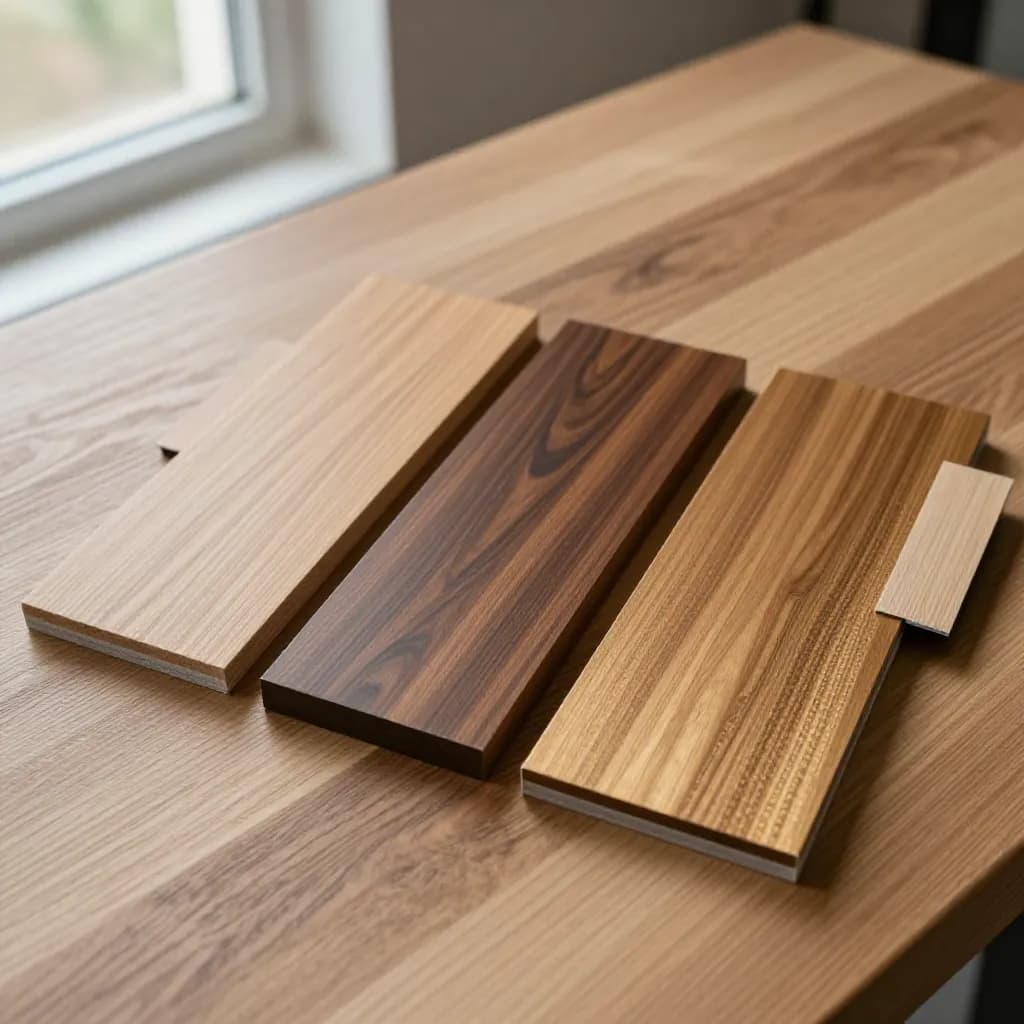
The demand for wood effect finishes has grown dramatically as architects seek to incorporate natural material references into buildings while meeting increasingly stringent requirements for fire safety, durability, and sustainability. Real timber, while beautiful, presents challenges in terms of fire classification, dimensional stability, maintenance frequency, and long-term durability, particularly in exterior applications. Wood effect powder coating on aluminum eliminates these concerns while delivering a visual result that is often indistinguishable from real wood at normal viewing distances.
Ready to Start Your Project?
From one-off customs to 15,000-part production runs — get precise pricing in 24 hours.
On This Page
Wood Effect Powder Coating: The Best of Both Worlds
Modern wood effect powder coatings are available in an extensive range of timber species and finishes, from light Scandinavian pine and natural oak to rich walnut, mahogany, and exotic teak. The technology can replicate not only the color of different timbers but also the grain pattern, texture, and even the subtle color variations that characterize natural wood. This realism has made wood effect powder coating a mainstream specification choice for window frames, door systems, cladding profiles, pergolas, fencing, and interior architectural elements.
The Sublimation Transfer Process Explained
Wood effect powder coating is achieved through a two-stage process: first, a base powder coat is applied and cured in the conventional manner; second, a printed transfer film carrying the wood grain pattern is applied to the coated surface using heat and vacuum pressure in a process called sublimation transfer.
In the sublimation stage, the coated component is wrapped in a specially printed polyester film that carries the wood grain design in sublimation inks. The wrapped component is then placed in a vacuum oven or vacuum bag system, where heat, typically 180-200 degrees Celsius, and vacuum pressure cause the sublimation inks to vaporize and penetrate into the surface of the powder coating. The inks migrate into the coating to a depth of approximately 20-40 microns, becoming an integral part of the coating rather than sitting on the surface.
This penetration is what gives sublimation wood effects their remarkable durability. Because the wood grain pattern is embedded within the coating rather than printed on top of it, it cannot be scratched off, peeled away, or worn through by normal use. The pattern is as durable as the powder coating itself, maintaining its appearance for the full service life of the coating system.
The base powder coat color is critical to the final wood effect appearance. The sublimation inks are translucent, so the base color shows through and influences the overall tone of the wood effect. A warm brown base creates a rich, traditional timber appearance, while a lighter base produces a more contemporary, bleached wood effect. The powder manufacturer specifies the correct base color for each wood effect design to ensure the intended final appearance.
The sublimation process requires specialized equipment and expertise. Not all powder coating applicators offer sublimation services, and the quality of the result depends heavily on the skill of the operator, the quality of the transfer films, and the precision of the temperature and vacuum parameters. Specifiers should verify that the applicator has demonstrated experience with sublimation transfer and can provide reference projects and sample panels for evaluation.
Oak Effect: The Most Popular Wood Grain Finish
Oak is the most widely specified wood effect in powder coating, reflecting the enduring popularity of oak timber in architecture and interior design. Oak effect powder coatings are available in a comprehensive range of tones and grain characters, from light, blonde Scandinavian oak to rich, dark fumed oak, and from straight-grained quarter-sawn patterns to the more dramatic cathedral grain of flat-sawn timber.
Light oak effects, replicating the appearance of natural or lightly oiled European oak, are the most popular choice for contemporary architectural applications. These finishes have a warm, honey-toned character with visible grain detail that creates a natural, inviting appearance. Light oak is widely specified for window frames, door systems, and cladding profiles on residential buildings where the warmth of timber is desired with the performance of aluminum.
Medium oak effects replicate the appearance of traditionally stained or aged oak, with richer brown tones and more pronounced grain contrast. These finishes are popular for heritage-style buildings, traditional residential architecture, and commercial projects where a classic timber aesthetic is appropriate.
Dark oak effects, including fumed oak and smoked oak variations, create dramatic, sophisticated finishes that combine the warmth of wood with the visual depth of dark colors. Dark oak is increasingly popular in contemporary architecture as an alternative to plain dark colors, adding natural texture and warmth to modern building designs.
Rustic oak effects incorporate additional visual elements such as knots, medullary rays, and color variation that replicate the character of reclaimed or naturally weathered oak. These finishes are popular for hospitality, retail, and residential projects where an authentic, characterful timber appearance is desired.
The realism of oak effect powder coatings has reached a level where they are often indistinguishable from real oak at normal viewing distances. Close inspection reveals the absence of actual wood grain texture, though some manufacturers offer textured base coats that add a tactile wood grain feel to complement the visual effect.
Walnut, Teak, and Exotic Timber Effects
Beyond oak, powder coating sublimation technology offers a wide range of timber species effects that allow architects to specify virtually any wood appearance on metal substrates.
Walnut effect powder coatings replicate the rich, dark brown tones and distinctive swirling grain pattern of American or European walnut. Walnut is prized in furniture and interior design for its luxurious, sophisticated character, and walnut effect powder coating brings this aesthetic to architectural metalwork, elevator interiors, and premium commercial spaces. The deep, warm tones of walnut pair beautifully with brass, gold, and copper metallic accents.
Teak effect finishes replicate the warm, golden-brown appearance of this prized tropical hardwood. Teak is traditionally associated with marine and outdoor applications due to its natural weather resistance, making teak effect powder coating a natural choice for exterior architectural elements, garden furniture, and marine-adjacent buildings. The golden warmth of teak creates a relaxed, resort-like atmosphere that is popular in hospitality and residential design.
Mahogany effect powder coatings capture the deep, reddish-brown tones and fine, straight grain of this classic furniture timber. Mahogany effects are specified for heritage restoration, traditional architectural styles, and premium interior applications where a formal, refined timber appearance is desired.
Cherry, maple, ash, and pine effects expand the palette further, each offering a distinct color tone and grain character. Pine effects are popular in Scandinavian-influenced design for their light, natural appearance. Cherry effects provide a warm, reddish tone for traditional and transitional interiors. Ash effects offer a light, contemporary timber look with prominent grain detail.
Exotic timber effects, including zebrano, wenge, and iroko, are available for projects requiring distinctive, unusual wood appearances. These effects are typically custom-produced and may require longer lead times than standard timber species, but they provide design options that would be prohibitively expensive or environmentally problematic to achieve with actual exotic hardwoods.
Architectural Applications of Wood Effect Powder Coating
Wood effect powder coating has become a mainstream specification choice across multiple architectural application areas, driven by the combination of timber aesthetics with metal performance characteristics.
Window and door systems are the largest application area for wood effect powder coating. Aluminum windows and doors with wood effect exterior finishes allow architects to achieve the warm, residential character of timber fenestration with the dimensional stability, weather resistance, and low maintenance of aluminum. Many window system manufacturers offer wood effect as a standard finish option, with interior and exterior faces available in different finishes to coordinate with both the building facade and interior design scheme.
Cladding and facade systems in wood effect powder coating create the appearance of timber-clad buildings without the fire safety, maintenance, and durability concerns associated with real timber cladding. This is particularly valuable for multi-story residential buildings where fire regulations may restrict the use of combustible timber cladding but where the design intent calls for a warm, natural facade appearance.
Pergolas, canopies, and outdoor structures benefit from wood effect powder coating because these elements are exposed to weather and UV radiation that would rapidly degrade real timber without intensive maintenance. Powder-coated aluminum pergolas in wood effect finishes maintain their appearance for 15-20 years with minimal maintenance, compared to the annual treatment typically required for timber structures.
Interior architectural elements including ceiling systems, wall panels, partition frames, and staircase components use wood effect powder coating to introduce timber warmth into commercial and institutional interiors. The fire performance of powder-coated aluminum is a significant advantage in these applications, particularly in buildings with stringent fire safety requirements such as hospitals, schools, and high-rise offices.
Fencing and gate systems in wood effect powder coating provide the appearance of timber fencing with the security, durability, and low maintenance of metal. These systems are popular for residential developments, parks, and commercial properties where a natural boundary treatment is desired without the ongoing maintenance commitment of timber fencing.
Quality and Durability of Wood Effect Finishes
The durability of wood effect powder coatings depends on both the base powder coating system and the sublimation transfer quality. When properly specified and applied, wood effect finishes provide exterior performance comparable to standard architectural powder coatings.
The base powder coating provides the primary protection for the substrate and determines the overall durability of the system. Super-durable polyester base coats are the standard choice for exterior wood effect applications, providing UV stability and weathering resistance that maintains the integrity of the coating film for 15-20 years or more.
The sublimation inks that create the wood grain pattern are embedded within the coating and are protected by the surrounding resin matrix. However, the inks themselves have UV stability characteristics that must be considered. High-quality sublimation films use UV-stable inks that maintain their color and contrast throughout the coating's service life. Lower-quality films may use inks that fade or shift in color under prolonged UV exposure, causing the wood grain pattern to become less distinct over time.
Qualicoat certification for wood effect finishes, known as Qualideco, provides independent verification of both the base coating performance and the sublimation transfer durability. Qualideco-certified wood effect finishes have been tested for color retention, pattern stability, and weathering resistance under accelerated conditions, providing specifiers with confidence in long-term performance.
The quality of the sublimation transfer itself affects the visual realism and durability of the finish. Consistent vacuum pressure and temperature during the transfer process ensure uniform ink penetration and pattern clarity. Inadequate vacuum can cause blurred or incomplete pattern transfer, while excessive temperature can cause ink bleeding or color distortion. Experienced sublimation applicators maintain precise process control to ensure consistent, high-quality results.
For projects requiring the highest level of quality assurance, specify Qualideco-certified wood effect finishes from approved applicators. Request sample panels produced under production conditions for approval, and require that the applicator maintains process records demonstrating consistent temperature and vacuum parameters throughout the production run.
Specifying Wood Effect Powder Coating: A Practical Guide
Wood effect powder coating specification requires defining the timber species, tone, grain character, base coating performance, and sublimation quality standard. The following guide covers the key specification parameters.
Select the timber species and tone from the manufacturer's standard range or provide a physical timber sample for custom matching. Standard ranges typically include multiple variations of popular species such as oak, walnut, teak, and mahogany, each in several tone options from light to dark. Custom matching is available for specific timber references but may require longer lead times and minimum order quantities.
Specify the grain character. Different sublimation film designs replicate different grain patterns, from straight, uniform grain to more dramatic, varied patterns with knots and color variation. The grain character significantly affects the realism and visual impact of the finish, so evaluate physical samples carefully before approving.
Define the base coating performance standard. For exterior applications, specify super-durable polyester base coat with Qualicoat Class 2 or AAMA 2605 certification. For interior applications, standard polyester is adequate. The base coat color will be determined by the powder manufacturer to complement the specific sublimation film design.
Reference the Qualideco standard for the sublimation transfer quality. Qualideco certification ensures that the wood effect finish has been tested for pattern stability, color retention, and weathering resistance. Specifying Qualideco certification provides the highest level of quality assurance for architectural wood effect applications.
Consider the viewing distance and scale of the application. Wood effect finishes are most convincing at normal architectural viewing distances of 1-3 meters or more. At very close range, the absence of actual wood grain texture may be apparent. For applications where close-range viewing is expected, consider specifying a textured base coat that adds tactile grain character to complement the visual wood effect.
Address the treatment of cut edges and joints. Sublimation transfer covers the visible surfaces of profiles and panels, but cut edges and internal joints may expose the base coat color. Specify how these areas should be treated, whether through color-matched touch-up, edge banding, or design detailing that conceals exposed edges.
Frequently Asked Questions
How is wood effect powder coating achieved?
Wood effect is created through sublimation transfer. A base powder coat is applied and cured, then a printed film carrying the wood grain design is applied using heat and vacuum. The sublimation inks vaporize and penetrate 20-40 microns into the coating, becoming an integral, durable part of the finish.
How realistic does wood effect powder coating look?
Modern wood effect powder coatings are often indistinguishable from real timber at normal viewing distances of 1-3 meters. The sublimation process replicates color, grain pattern, and subtle variations convincingly. Close inspection may reveal the absence of actual wood grain texture, though textured base coats can add tactile realism.
How durable is wood effect powder coating outdoors?
With super-durable polyester base coats and high-quality UV-stable sublimation inks, wood effect finishes provide 15-20 years of exterior performance. Qualideco certification verifies both base coating durability and sublimation pattern stability under accelerated weathering conditions.
What wood species are available in powder coating?
Standard ranges include oak in multiple tones, walnut, teak, mahogany, cherry, maple, ash, and pine. Exotic species such as zebrano, wenge, and iroko are available as custom options. Each species is offered in several tone variations from light to dark.
Can wood effect powder coating be used on steel as well as aluminum?
Yes, the sublimation process works on any powder-coated surface regardless of the substrate material. Both aluminum and steel components can receive wood effect finishes. The base powder coating and pretreatment must be appropriate for the specific substrate to ensure adhesion and corrosion protection.
What is Qualideco certification for wood effect finishes?
Qualideco is the quality certification standard specifically for sublimation-decorated powder-coated aluminum. It verifies base coating performance, sublimation transfer quality, pattern stability, and weathering resistance through independent testing. Specifying Qualideco certification provides the highest quality assurance for architectural wood effect applications.
Ready to Start Your Project?
From one-off customs to 15,000-part production runs — get precise pricing in 24 hours.