White is the second most specified color in powder coating after black, and arguably the most demanding to get right. While black finishes are forgiving of minor color variations, white exposes every inconsistency. A slight shift in undertone, a marginal difference in gloss level, or the faintest hint of yellowing becomes immediately apparent on a white surface, particularly when multiple components are viewed together in bright daylight.
Design
Powder Coating White Finishes: RAL 9010, 9016, 9003 and Yellowing Prevention
Sundial Powder Coating·April 22, 2026·12 min
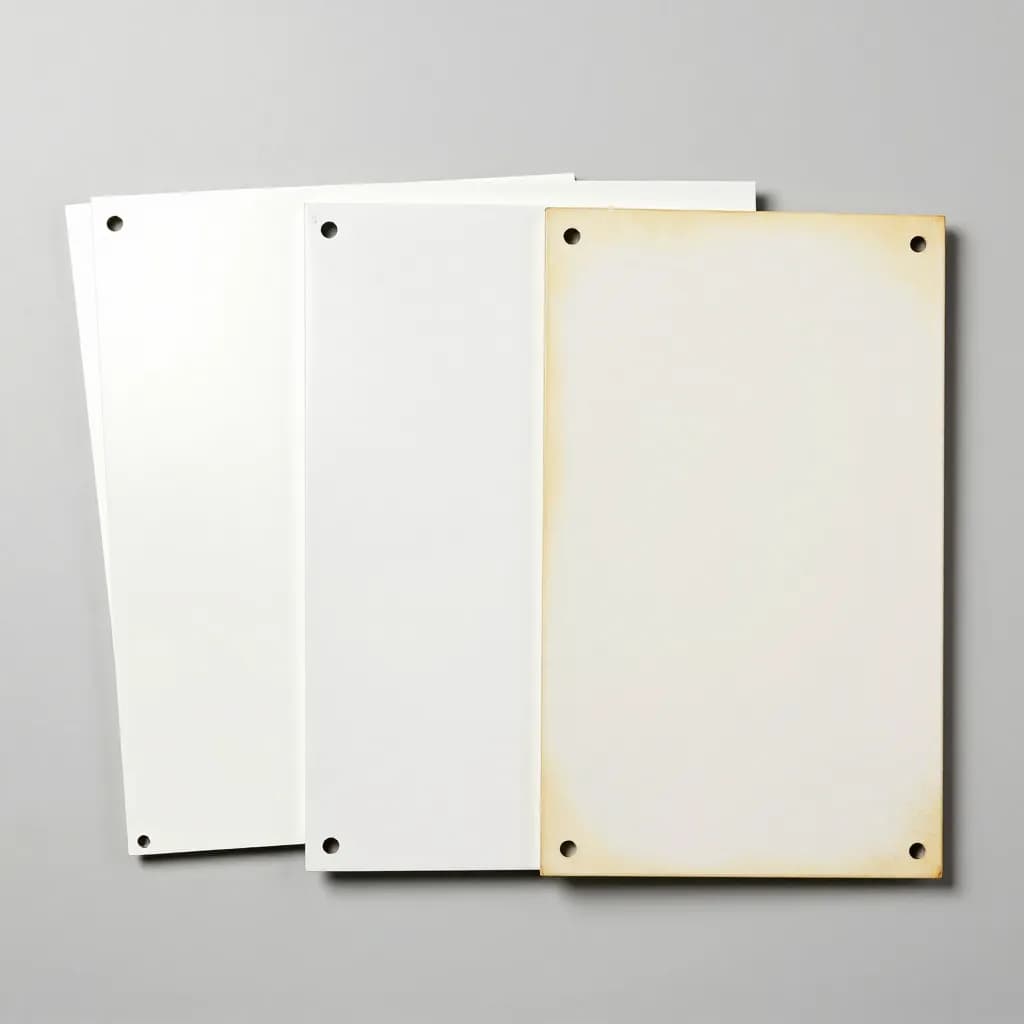
The challenge with white powder coating extends beyond initial color accuracy. White finishes must maintain their appearance over time, resisting the yellowing and discoloration that can result from UV exposure, heat, and environmental contamination. A white facade that looks pristine on installation day but turns cream or yellow within a few years represents a specification failure that is both visually obvious and difficult to remedy without complete recoating.
Ready to Start Your Project?
From one-off customs to 15,000-part production runs — get precise pricing in 24 hours.
On This Page
The Importance of Getting White Right in Powder Coating
Architects and designers specify white for its ability to create clean, bright, expansive visual effects. White facades reflect light, making buildings appear larger and more open. White interior metalwork contributes to bright, airy spaces. White furniture and fixtures communicate cleanliness and modernity. Achieving these design intentions requires understanding the nuances of white powder coating specification, from RAL code selection to resin chemistry and quality certification.
RAL 9010 vs RAL 9016 vs RAL 9003: Choosing the Right White
The three most commonly specified white RAL codes in powder coating are RAL 9010 Pure White, RAL 9016 Traffic White, and RAL 9003 Signal White. Each has a distinct character that suits different applications and design contexts.
RAL 9010 Pure White is the most widely used white in architectural powder coating across Europe and much of the world. It is a warm white with a very subtle cream or ivory undertone that gives it a soft, natural appearance. RAL 9010 coordinates well with natural materials such as timber, stone, and concrete, making it the default choice for residential architecture, window frames, and interior metalwork where a comfortable, inviting white is desired.
RAL 9016 Traffic White is a cooler, brighter white with a slight blue undertone. It appears crisper and more clinical than RAL 9010, making it the preferred choice for commercial and institutional buildings, signage, and applications where maximum brightness and a contemporary aesthetic are priorities. RAL 9016 is also the standard white for road markings and traffic infrastructure, which explains its name.
RAL 9003 Signal White sits between RAL 9010 and RAL 9016 in terms of warmth, offering a neutral white without a strong warm or cool bias. It is frequently specified for industrial applications, electrical enclosures, and laboratory equipment where a clean, neutral white is required. RAL 9003 is also popular in the appliance industry.
When selecting a white, always evaluate physical powder-coated samples under the actual lighting conditions of the intended installation. The difference between these whites is subtle but becomes significant when components are placed alongside other white elements such as painted walls, ceiling tiles, or other manufacturers' products.
Yellowing Prevention: Resin Chemistry and UV Stability
Yellowing is the primary durability concern for white powder coatings, and understanding its causes is essential for effective specification. Yellowing occurs when the organic resin binder in the powder coating degrades under UV radiation, heat, or chemical exposure, producing chromophores that shift the coating's appearance from white toward yellow or cream.
The resin system is the most important factor in yellowing resistance. Standard polyester powder coatings offer good UV stability and are suitable for most exterior applications with expected service lives of 10-15 years. Super-durable polyester formulations use modified resin chemistry that significantly improves UV resistance, extending color retention to 15-20 years or more. For the most demanding applications, fluoropolymer-based powder coatings such as PVDF or FEVE systems provide the highest level of yellowing resistance, maintaining color stability for 25 years or longer.
Epoxy and hybrid epoxy-polyester powder coatings should never be used for exterior white applications. Epoxy resins are highly susceptible to UV degradation and will yellow and chalk rapidly when exposed to sunlight. These chemistries are suitable only for interior applications where UV exposure is minimal.
Beyond resin selection, the quality of the titanium dioxide pigment used in white formulations affects yellowing resistance. High-quality rutile titanium dioxide with appropriate surface treatments provides superior UV screening compared to lower-grade pigments. Premium powder coating manufacturers use carefully selected TiO2 grades that maximize both opacity and long-term color stability.
Curing conditions also influence yellowing. Overcuring white powder coatings, whether through excessive temperature or extended oven time, can cause thermal yellowing that is visible immediately after coating. Precise oven profiling and temperature monitoring are essential for maintaining the intended white appearance.
Architectural White Specification and Quality Standards
Specifying white powder coating for architectural applications requires referencing appropriate quality standards that guarantee long-term color retention. In Europe, Qualicoat certification provides the primary framework. Qualicoat Class 1 requires powder coatings to pass 1,000 hours of accelerated weathering with limited color change, suitable for standard exterior applications. Qualicoat Class 2 doubles this requirement to 2,000 hours, providing enhanced assurance for projects in demanding climates or with extended performance expectations.
Qualicoat Class 3, the newest and most stringent tier, requires 3,000 hours of accelerated weathering and is designed for projects demanding the absolute highest level of long-term color stability. For white finishes, Class 2 or Class 3 certification provides meaningful protection against yellowing over the building's service life.
In North America, AAMA specifications define performance tiers. AAMA 2603 covers basic interior and mild exterior applications. AAMA 2604 requires 5 years of South Florida exposure testing, suitable for moderate exterior use. AAMA 2605 demands 10 years of South Florida exposure and represents the highest performance tier, equivalent to Qualicoat Class 2 or higher.
When specifying white for architectural projects, include the following in your specification: the RAL code or custom color reference, the target gloss level with tolerance, the required quality certification tier, and the acceptable Delta E color change over the expected service life. For critical applications, specify that all components must be coated from the same powder batch and that color verification must be performed using spectrophotometer measurements with Delta E values reported against the approved reference standard.
Gloss Levels in White Powder Coating
The gloss level of a white powder coating dramatically affects its visual character and practical performance. High-gloss white, measuring above 80 units at 60 degrees, creates a bright, reflective surface that maximizes light reflection and visual impact. Gloss white is the traditional choice for appliances, bathroom fixtures, and clean-room environments where a pristine, easy-to-clean surface is essential. However, high-gloss white is unforgiving of surface imperfections and shows dirt, fingerprints, and scratches more readily than lower gloss alternatives.
Satin white, typically 30-50 gloss units, offers a refined appearance that balances brightness with practicality. Satin finishes reduce glare compared to high gloss, making them more comfortable in architectural applications where large white surfaces might otherwise create uncomfortable reflections. Satin white is increasingly popular for window frames, curtain wall systems, and interior architectural metalwork.
Matte white, below 20 gloss units, creates a soft, chalky appearance that is currently trending in contemporary interior design and furniture. Matte white surfaces absorb light rather than reflecting it, producing a calm, understated aesthetic. However, matte white finishes can be more difficult to clean than gloss or satin alternatives because dirt can settle into the micro-texture that creates the matte effect.
An important consideration for exterior white applications is that gloss level affects weathering visibility. High-gloss white surfaces show chalking, the gradual loss of surface gloss caused by UV degradation, more obviously than matte or satin surfaces. Specifying a satin or semi-gloss finish for exterior white applications can extend the period before weathering becomes visually apparent, even though the underlying coating performance is identical.
Common Problems with White Powder Coating and How to Avoid Them
White powder coating is susceptible to several problems that are less apparent or less common with darker colors. Contamination is the most frequent issue. Because white provides no camouflage for foreign particles, even microscopic contaminants such as dust, fiber, or colored powder residue from previous coating runs become visible defects. Coating facilities must maintain rigorous cleanliness protocols when processing white, including thorough booth cleaning, dedicated spray equipment where possible, and filtered air supply to the application area.
Outgassing is another common problem with white finishes. When substrates such as cast aluminum, hot-dip galvanized steel, or heavily welded fabrications release trapped gases during the curing process, the escaping gas creates pinholes or bubbles in the coating surface. These defects are far more visible on white than on darker or textured finishes. Proper substrate preparation, including degassing heat cycles before coating, is essential for achieving defect-free white finishes on problematic substrates.
Color variation between components is a persistent challenge. White powder coatings can shift in appearance due to differences in film thickness, substrate material, pretreatment quality, and curing conditions. Aluminum and steel substrates coated with the same white powder can appear slightly different because the substrate color influences the final appearance, particularly at lower film thicknesses. Specifying a minimum film thickness of 80 microns for white finishes helps ensure complete opacity and consistent color regardless of substrate.
Storage and handling of white powder also require attention. White powders can absorb moisture and contaminants more readily than pigmented powders, leading to application problems and color shifts. Store white powder in sealed containers in climate-controlled environments, and use opened containers promptly to minimize exposure to ambient contamination.
White Powder Coating in Interior Design and Furniture
White powder coating has become a cornerstone of contemporary interior design, providing a durable, consistent finish for metal furniture, shelving systems, lighting fixtures, and decorative elements. The clean, bright appearance of white powder-coated metal complements virtually every interior style, from minimalist Scandinavian aesthetics to industrial loft conversions and traditional residential interiors.
For furniture applications, the choice between warm and cool whites is particularly important because the coated metal will be viewed alongside other interior elements. RAL 9010 Pure White coordinates naturally with warm-toned interiors featuring timber, leather, and earth-toned textiles. RAL 9016 Traffic White suits cooler, more contemporary spaces with concrete, glass, and chrome accents. Mismatching the white undertone with the surrounding palette creates a subtle but persistent visual discord that undermines the design intent.
Durability is a key advantage of powder-coated white furniture over liquid-painted alternatives. The thick, hard powder coating film resists chipping, scratching, and wear far more effectively than conventional paint, maintaining its appearance through years of daily use. This durability is particularly valuable for commercial furniture in hospitality, retail, and office environments where replacement cycles are driven by appearance rather than structural failure.
For interior applications, standard polyester or hybrid epoxy-polyester powder coatings provide adequate performance since UV exposure is limited. However, components placed near windows or in sunlit areas should use polyester formulations to avoid yellowing. Epoxy-polyester hybrids offer superior chemical and stain resistance for kitchen, bathroom, and laboratory furniture where exposure to cleaning agents and chemicals is expected.
Specifying White Powder Coating: A Practical Checklist
Successful white powder coating specification requires attention to detail across several parameters. Use this checklist to ensure your specification covers all critical factors and minimizes the risk of color inconsistency, yellowing, or premature degradation.
First, define the exact white. Specify the RAL code, such as RAL 9010, RAL 9016, or RAL 9003, or provide a physical reference sample for custom matching. Include the acceptable color tolerance as a Delta E value, typically Delta E less than 1.0 for architectural applications where multiple components must match precisely.
Second, specify the gloss level numerically. State the target gloss value and acceptable range at 60 degrees, for example 70 plus or minus 5 gloss units. Avoid subjective terms like semi-gloss or eggshell, which are interpreted differently across the industry.
Third, select the appropriate resin chemistry. For exterior applications, specify super-durable polyester as a minimum, with fluoropolymer systems for projects requiring maximum long-term color stability. For interior applications, standard polyester or epoxy-polyester hybrid systems are appropriate depending on the chemical exposure environment.
Fourth, reference the applicable quality standard. Specify Qualicoat Class 1, 2, or 3, GSB Standard or Master, or AAMA 2603, 2604, or 2605 as appropriate for the application environment and expected service life.
Fifth, address batch consistency. Require that all components for a visible assembly are coated from the same powder batch, and that color verification is performed using calibrated spectrophotometer measurements against an approved reference panel. Specify that the coater must retain reference panels for the duration of the project for ongoing quality verification.
Finally, specify minimum film thickness. For white finishes, 80 microns minimum ensures complete opacity and consistent color across different substrate materials and surface conditions.
Frequently Asked Questions
What is the difference between RAL 9010 and RAL 9016 white powder coating?
RAL 9010 Pure White is a warm white with a subtle cream undertone, making it soft and natural. RAL 9016 Traffic White is a cooler, brighter white with a slight blue undertone, appearing crisper and more clinical. RAL 9010 is preferred for residential and warm interiors, while RAL 9016 suits commercial and contemporary applications.
How do I prevent white powder coating from yellowing?
Use super-durable polyester or fluoropolymer powder formulations for exterior applications, never epoxy or hybrid systems. Ensure precise curing temperatures to avoid thermal yellowing. Specify Qualicoat Class 2 or AAMA 2605 certified coatings for maximum long-term color stability. High-quality titanium dioxide pigments also improve yellowing resistance.
Can white powder coating be used outdoors without yellowing?
Yes, when the correct resin chemistry is specified. Super-durable polyester white coatings maintain color stability for 15-20 years in exterior applications. Fluoropolymer systems extend this to 25 years or more. Avoid epoxy-based whites outdoors as they yellow rapidly under UV exposure.
Why does my white powder coating look different on aluminum versus steel?
Substrate color can influence the final appearance of white powder coating, particularly at lower film thicknesses where the substrate shows through slightly. Specifying a minimum film thickness of 80 microns ensures complete opacity and consistent color regardless of whether the substrate is aluminum, steel, or galvanized metal.
What gloss level is best for white architectural powder coating?
Satin white at 30-50 gloss units is the most popular choice for architectural applications. It balances brightness with practicality, reducing glare while maintaining a refined appearance. Satin finishes also show weathering less obviously than high-gloss alternatives, extending the period before maintenance is visually necessary.
Ready to Start Your Project?
From one-off customs to 15,000-part production runs — get precise pricing in 24 hours.