A full wheel refurbishment is more than just a new coat of color. It is a comprehensive process that restores your wheels to like-new condition by addressing both cosmetic and structural issues. The process begins with stripping the existing finish, whether that is paint, powder, or clear coat, down to bare alloy. This reveals the true condition of the wheel and exposes any damage that needs repair before the new finish is applied.
Local Info
Wheel Refurbishment and Powder Coating: A Complete Service Guide
Sundial Powder Coating·April 20, 2026·8 min
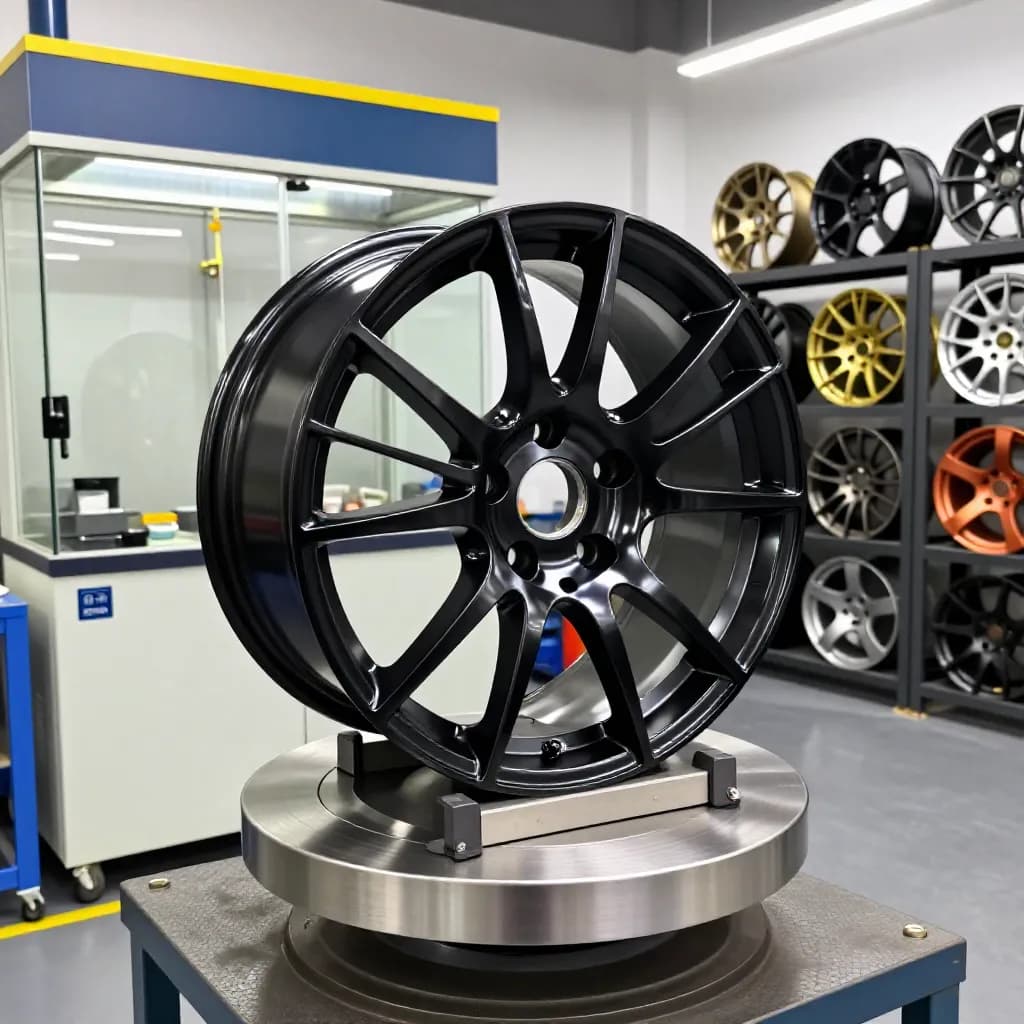
Once stripped, the wheel is assessed for damage. Curb rash, corrosion pitting, and minor bends are identified and repaired. Curb damage is filled and shaped to restore the original profile, corroded areas are cleaned and treated, and minor bends are straightened on a hydraulic press. The goal is to return the wheel to its original geometry and surface condition before any coating is applied.
Ready to Start Your Project?
From one-off customs to 15,000-part production runs — get precise pricing in 24 hours.
On This Page
What Wheel Refurbishment Includes
After repair, the wheel is media blasted to create a clean, uniform surface with the right profile for coating adhesion. Pretreatment follows, applying a chemical conversion coating that enhances the bond between the alloy and the powder. Only then is the powder applied and cured, followed by a clear coat if the finish requires it. The result is a wheel that looks and performs like new.
Types of Wheel Damage That Can Be Repaired
Curb rash is the most common wheel damage and one of the easiest to repair during refurbishment. Those scuffs and gouges along the rim edge from parking mishaps are filled with specialized alloy filler, sanded smooth, and become invisible under the new coating. Even significant curb damage that has removed material from the rim lip can be restored to a smooth, factory-like profile.
Corrosion is a frequent issue, especially on wheels that have been exposed to road salt, brake dust, or moisture trapped behind wheel covers. Corrosion appears as bubbling, pitting, or white powdery deposits on the alloy surface. During refurbishment, all corrosion is removed by blasting and chemical treatment, and the affected areas are repaired before coating. Catching corrosion early prevents it from progressing to structural damage.
Peeling clear coat is both unsightly and a sign that the original finish has failed. Once clear coat begins to lift, moisture gets underneath and accelerates deterioration. Refurbishment strips the failed clear coat entirely, addresses any corrosion that has developed underneath, and applies a fresh, properly bonded finish. Minor bends from pothole impacts can also be corrected during the refurbishment process, restoring the wheel's roundness and balance.
The Refurbishment Process Step by Step
The process starts with removing the tires. While some shops can work around mounted tires for basic refinishing, a full refurbishment requires bare wheels for proper stripping, repair, and coating coverage. Your tires are stored safely and remounted after coating, or you can have new tires fitted at that point if needed.
Stripping removes all existing finish using chemical strippers, media blasting, or a combination of both. The stripped wheel is then inspected thoroughly for cracks, corrosion, and structural damage. Any necessary repairs are performed, including filling curb damage, treating corrosion, and straightening minor bends. The repaired wheel is blasted again to create a uniform surface, then pretreated with a chemical conversion coating.
Powder is applied electrostatically in the spray booth, ensuring even coverage across the complex geometry of a wheel, including the spoke faces, barrel, and inner rim. The wheel is cured in the oven at the specified temperature and duration. For finishes that require it, a clear coat layer is applied and cured separately. Finally, the wheel is inspected, the tire is remounted, and the assembly is balanced to ensure smooth running.
Popular Wheel Finish Options
Gloss black remains one of the most popular wheel finishes, offering a clean, modern look that complements virtually any vehicle color. It is a versatile choice that works equally well on sports cars, SUVs, and daily drivers. Satin black provides a similar aesthetic with a more understated, matte-like appearance that hides brake dust and minor imperfections better than a high-gloss finish.
Gunmetal and anthracite are popular alternatives to black, offering a sophisticated grey tone that adds depth without the starkness of pure black. These colors work particularly well on silver, white, and grey vehicles where black wheels might create too much contrast. Metallic gunmetal finishes add a subtle sparkle that catches light attractively.
Two-tone finishes combine a dark color on the spoke faces with a machined or silver lip, replicating the factory look of many premium OEM wheels. Custom colors open up unlimited possibilities, from brand-matched hues to bold statement colors. Bronze, copper, and gold tones have grown in popularity for enthusiast builds, while period-correct silver and grey finishes are common choices for classic car restorations.
How to Care for Refurbished Wheels
Proper care extends the life of your refurbished wheels significantly. Regular cleaning is the most important maintenance step. Wash your wheels every two weeks, or more frequently if you drive in conditions that generate heavy brake dust or road salt. Use a pH-neutral wheel cleaner and a soft brush or microfiber cloth. Avoid acidic wheel cleaners, as they can attack the clear coat and powder finish over time.
Brake dust is mildly corrosive and should not be allowed to bake onto the wheel surface for extended periods. If you notice heavy brake dust buildup, clean it off promptly rather than waiting for your next scheduled wash. The longer brake dust sits on the finish, the harder it is to remove and the more likely it is to cause staining or etching.
Seasonal considerations matter as well. Before winter, consider applying a wheel sealant or wax that provides an additional barrier against road salt and grime. After winter, give your wheels a thorough clean to remove any salt residue that accumulated during the cold months. Avoid automatic car washes with harsh chemicals or abrasive brushes that can damage the finish. A little regular attention keeps your refurbished wheels looking sharp for years.
Frequently Asked Questions
How long does wheel refurbishment take?
A full set of four wheels typically takes five to ten business days depending on the extent of damage repair needed and the complexity of the chosen finish. Simple single-color finishes are faster than two-tone or custom color work. Discuss your timeline with the shop when dropping off your wheels so you can plan accordingly.
Can cracked wheels be refurbished?
Cracked wheels present a safety concern and are generally not suitable for refurbishment. A crack compromises the structural integrity of the wheel and can lead to sudden failure under load. Most reputable shops will inspect for cracks during the stripping process and advise you if a wheel is not safe to recoat. Replacement is the recommended course of action for cracked wheels.
Do I need to remove the tires before bringing wheels in?
Most refurbishment shops prefer to receive wheels with tires removed, but many can handle tire removal and remounting as part of the service. Check with your shop when booking. If you are having new tires fitted anyway, it makes sense to have the wheels refurbished while the old tires are off.
Will refurbishment affect my wheel balance?
The stripping and recoating process adds a very thin layer of material that can slightly affect balance. A professional refurbishment shop will rebalance your wheels after remounting the tires to ensure smooth, vibration-free driving. This should be included as a standard part of the refurbishment service.
Ready to Start Your Project?
From one-off customs to 15,000-part production runs — get precise pricing in 24 hours.