Taking a few minutes to prepare before your visit saves time at the shop and helps the coater give you an accurate assessment. Start by disassembling your parts as much as practical. Remove bolts, nuts, washers, rubber bushings, plastic caps, gaskets, and any non-metal components. Powder coating requires oven curing at high temperatures, and anything that is not metal will be damaged or destroyed in the process.
Local Info
Visiting a Powder Coater? Here's Your Preparation Checklist
Sundial Powder Coating·April 20, 2026·7 min
Clean off heavy grease, oil, and grime. You do not need to make the parts spotless, as the coater handles final cleaning and preparation, but removing the worst of the contamination shows consideration and lets the coater see the actual condition of the metal underneath. A quick wipe with a degreaser or solvent is usually sufficient.
Ready to Start Your Project?
From one-off customs to 15,000-part production runs — get precise pricing in 24 hours.
On This Page
Before You Go: Preparing Your Parts
If your parts have areas that must remain uncoated, identify them before you leave home. Threaded holes, bearing surfaces, electrical contacts, mounting faces, and any precision-machined areas typically need masking during the coating process. Making a list or marking these areas with tape helps you communicate masking requirements clearly when you arrive at the shop.
What to Bring with You
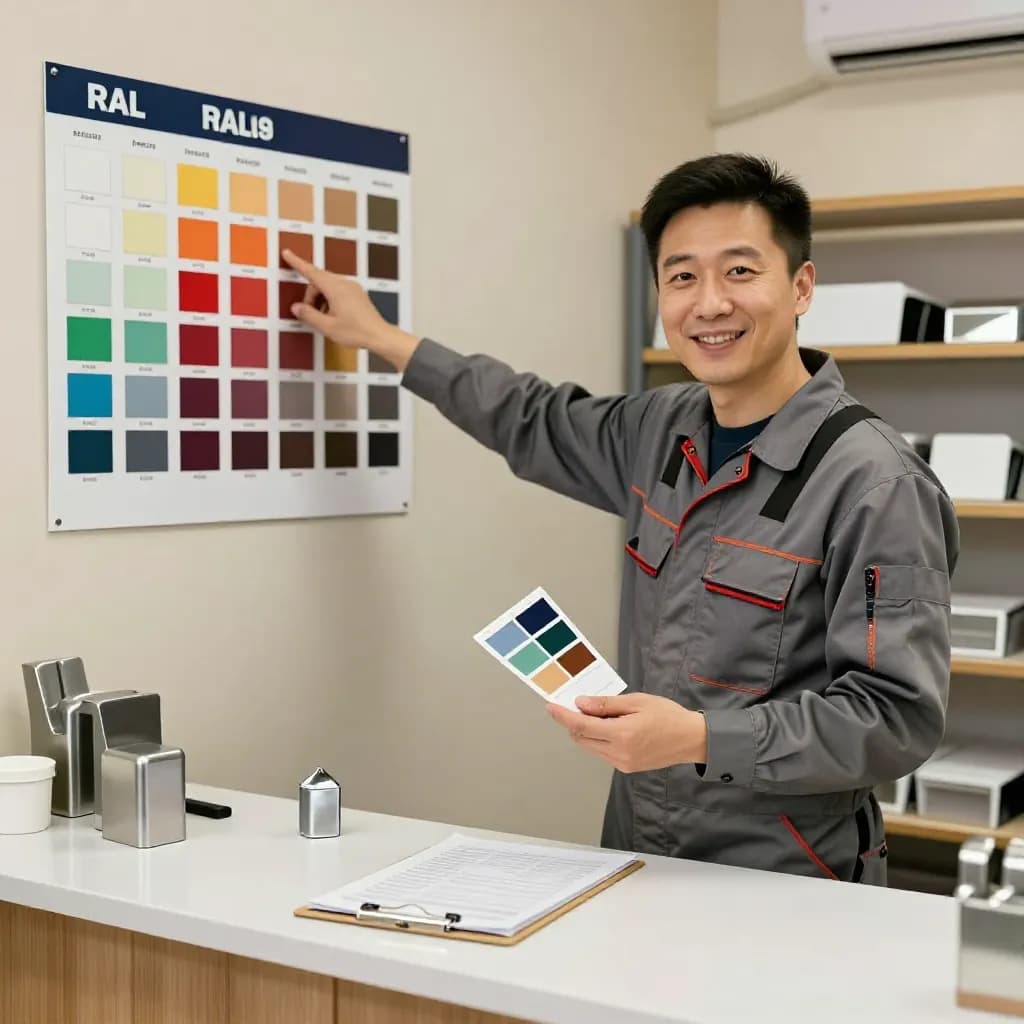
Bring the parts themselves, obviously, but also bring supporting materials that help the coater understand your project. A color reference is the most important supporting item. If you have a RAL code, Pantone number, or color name, write it down. If you have a physical sample of the color you want, whether it is a paint chip, a piece of coated metal, or a fabric swatch, bring it along. The more specific your color reference, the more accurately the coater can match your expectation.
Photos of the desired finished result are incredibly helpful, especially for complex projects. If you are restoring a classic car part, a photo of the original finish gives the coater a clear target. If you are coating furniture to match an interior scheme, a photo of the room helps them understand the context. Even a screenshot from a website or social media post showing a similar finished project communicates your vision effectively.
Bring a list of any areas that need masking, along with marked-up photos or diagrams if the masking requirements are complex. For motorcycle frames, engine parts, or precision components, masking instructions can be detailed, and having them written down prevents anything from being forgotten during a verbal conversation. If you have specific quality requirements or a deadline, note those down as well.
Questions to Have Ready
Prepare a few key questions before your visit so you can evaluate the shop and understand their process. Ask about turnaround time for your specific project, as this varies based on part condition, color choice, and the shop's current workload. A general answer is less useful than one based on actually seeing your parts.
Ask about their pretreatment process. This is the chemical preparation step that determines how well the powder adheres and how long the finish lasts. A shop that uses multi-stage pretreatment with a conversion coating is set up for durable results. Understanding their process helps you assess the quality you can expect.
Inquire about warranty coverage, how they handle the specific material your parts are made from, and whether they can provide a color sample before committing to the full job. If your parts are aluminum, ask about their experience with aluminum pretreatment specifically, as it requires different chemistry than steel. These questions demonstrate that you are an informed customer and help you gauge the coater's expertise and transparency.
At the Shop: What to Discuss and Confirm
When you arrive, walk through the project with the coater while they inspect your parts. Discuss the condition of the metal, any repairs that might be needed, and the preparation steps required. This is when the coater can give you the most accurate assessment of the work involved and the expected timeline.
Confirm the color and finish together. If the shop has sample boards or color fans, review them in person. Colors look different on a screen than they do on actual coated metal, and seeing physical samples eliminates guesswork. If you want a specific gloss level, whether high gloss, satin, or matte, confirm this explicitly, as the same color is available in different gloss levels that dramatically change the appearance.
Go through your masking requirements in detail, pointing out each area on the actual parts. Confirm that the coater has noted every thread, bearing surface, and mating face that needs protection. Agree on the timeline and ask how you will be notified when the parts are ready. Before you leave, make sure you and the coater have a shared understanding of the color, finish, masking, timeline, and any special requirements.
After Drop-Off: Staying Informed
Before leaving the shop, confirm how you will receive updates on your order. Some shops send a text or email when your parts enter the coating stage and again when they are ready for pickup. Others prefer a phone call. Knowing the communication process helps you plan your schedule and avoids the uncertainty of wondering when your parts will be done.
Ask about the pickup process. Will your parts be ready at a specific time, or do you need to call ahead to confirm? Are there specific hours for pickup, or can you collect outside normal business hours by arrangement? If you need the parts delivered rather than picking them up, discuss delivery options and any associated logistics.
Keep a record of your order details, including the agreed color specification, any masking instructions you provided, the quoted timeline, and the coater's contact information. This documentation is useful if any questions arise during the coating process and serves as a reference if you need to order matching parts in the future. A quick photo of the color sample you approved is a simple but valuable record to keep on your phone.
Frequently Asked Questions
Do I need an appointment to visit a powder coating shop?
While many shops accept walk-ins, calling ahead is courteous and ensures someone is available to discuss your project. Some shops schedule consultations to give each customer adequate time and attention. A quick call also confirms their hours and location, saving you a wasted trip if they are closed or at capacity.
What if I am not sure what color I want?
That is perfectly fine. Most shops have color sample boards, fan decks, or catalogs you can browse during your visit. The coater can also make recommendations based on your intended use, the environment the parts will be in, and current popular choices. Seeing physical samples on actual coated metal is the best way to choose a color you will be happy with.
Can I bring parts that still have old paint on them?
Yes, the coater will strip old paint, powder, or other finishes as part of the preparation process. Mention the existing finish when you drop off so the coater can plan the appropriate stripping method. Parts with multiple layers of old coating take longer to prepare, which may affect turnaround time.
What if my parts need repair before coating?
Many coating shops can handle minor repairs like weld touch-ups, filling small dents, and treating corrosion. For more significant structural repairs, the coater may recommend a fabricator or welder. Discuss any visible damage during your visit so the coater can include repair work in their assessment and quote.
Ready to Start Your Project?
From one-off customs to 15,000-part production runs — get precise pricing in 24 hours.