Bulk powder coating becomes the practical choice when you have a significant quantity of parts that need a consistent, durable finish. Production runs for manufactured products, construction projects requiring hundreds of identical components, fleet vehicle accessories, and furniture production lines all generate the kind of volume where bulk coating delivers efficiency and consistency that piece-by-piece work cannot match.
Local Info
Bulk and Batch Powder Coating: How to Manage Large Orders
Sundial Powder Coating·April 20, 2026·8 min
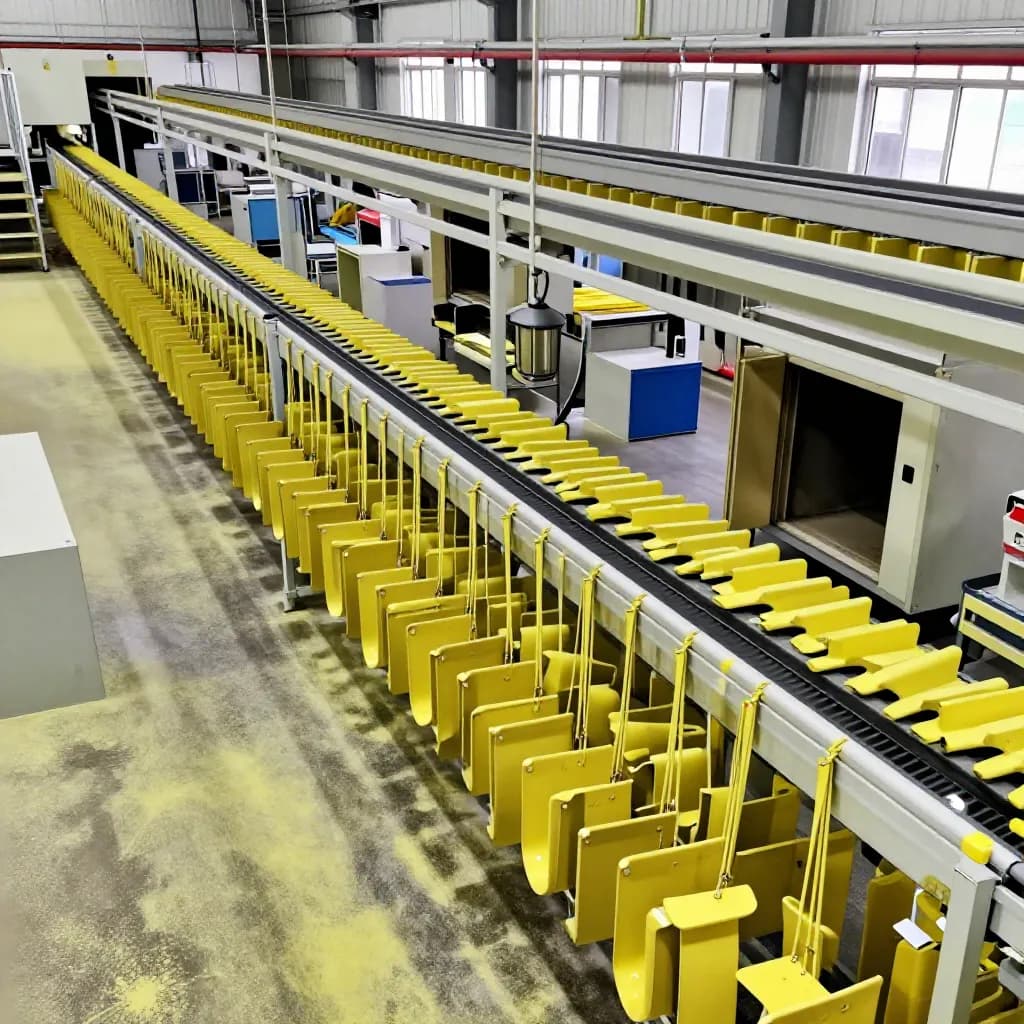
Construction projects are a common driver of bulk orders. A commercial building might need several hundred meters of railing sections, dozens of louvre panels, hundreds of brackets, and multiple sets of doors and frames, all requiring the same color and finish standard. Coordinating these as a single bulk order ensures color consistency across every component and simplifies project logistics.
Ready to Start Your Project?
From one-off customs to 15,000-part production runs — get precise pricing in 24 hours.
On This Page
When Bulk Coating Makes Sense
Manufacturers who produce metal products benefit from bulk coating arrangements that integrate with their production schedule. Whether you make furniture, lighting fixtures, agricultural equipment, or industrial enclosures, having a coating partner who can handle your production volumes reliably and consistently is essential to maintaining your output quality and delivery commitments.
Planning a Large Order
Successful bulk coating starts with thorough planning well before the first part arrives at the shop. Begin by confirming exact quantities, part dimensions, and the coating specification including color, gloss level, film thickness, and any relevant quality standards. Provide detailed drawings or samples so the coater can plan rack layouts, calculate powder requirements, and schedule oven capacity.
Scheduling is critical for large orders. Discuss the delivery timeline with your coater and work backward from your installation or assembly date to determine when parts need to arrive at the coating facility. Factor in time for preparation, coating, quality inspection, and delivery. For very large orders, the work may need to be phased across multiple weeks, so agree on a batch schedule that aligns with your project milestones.
Color consistency across a large order requires planning from the powder supply side as well. Your coater should source sufficient powder from a single production batch to cover the entire order, or at minimum verify batch-to-batch color consistency before switching to a new powder batch mid-project. Discuss this with your coater during planning to prevent visible color variation between components installed side by side.
Quality Control Across Large Batches
Maintaining consistent quality across hundreds or thousands of parts requires systematic process control. A professional coater will monitor film thickness, adhesion, and cure on a defined sampling basis throughout the production run. This means testing parts from the beginning, middle, and end of each batch to verify that process parameters remain stable and the finish meets specification.
Color verification is particularly important for large orders. The coater should check coated parts against the approved reference panel at regular intervals using both visual assessment and instrumental measurement with a spectrophotometer. Any drift in color is caught early and corrected before it affects a significant number of parts.
Documentation for large orders should include batch records showing which parts were coated in each oven cycle, the process parameters used, and the test results achieved. This traceability allows any quality question to be investigated by identifying exactly when and how a specific group of parts was processed. For projects with formal quality requirements, this documentation is often a contractual deliverable.
Packaging and Delivery for Bulk Orders
Protecting freshly coated parts during packaging, storage, and transport is essential to delivering the quality you paid for. The coater should use appropriate packaging methods for the type and size of parts, whether that means individual wrapping, foam separation, custom racking, or palletized stacking with interleaving material to prevent contact damage.
For construction projects, discuss site delivery logistics with your coater. Parts may need to be delivered in a specific sequence matching the installation schedule, labeled by location or zone, or palletized in quantities that match crane lift capacities. Communicating these requirements during planning ensures the coater packages and stages the order accordingly.
Storage conditions matter if there will be a gap between coating and installation. Coated parts should be stored in a dry, covered area away from direct sunlight and construction debris. Prolonged outdoor storage, especially in coastal or industrial environments, can allow surface contamination that affects the coating's long-term performance. Plan your delivery schedule to minimize storage time on site.
Communication and Project Management
Large coating contracts benefit from clear communication structures and defined points of contact on both sides. Assign a project coordinator who serves as the single point of contact between your organization and the coating shop. This person manages the flow of information about schedules, quantities, quality requirements, and any changes that arise during the project.
Regular progress updates keep everyone aligned. For multi-week projects, a weekly status call or email covering completed batches, upcoming schedule, any quality observations, and delivery planning prevents surprises and allows both parties to adjust plans proactively. The coater should flag any issues, such as parts arriving in worse condition than expected or powder supply delays, as soon as they are identified.
Change management is important for large orders. If quantities change, colors are revised, or the delivery schedule shifts, communicate these changes formally and confirm that the coater can accommodate them. Last-minute changes to a large order can have significant knock-on effects on scheduling, powder procurement, and logistics, so early communication of any changes is essential.
Frequently Asked Questions
What is the minimum order size for bulk powder coating?
Minimum order sizes vary by shop and depend on the complexity of the work. Some coaters consider anything over fifty pieces a bulk order, while others define bulk as hundreds or thousands of parts. Discuss your quantities with the coater to determine whether your order qualifies for bulk scheduling and any associated benefits.
How do I ensure color consistency across a large batch?
Work with your coater to source sufficient powder from a single manufacturing batch for the entire order. The coater should verify color against an approved reference panel at regular intervals throughout production using both visual and instrumental checks. Consistent process parameters, including film thickness and cure schedule, also contribute to uniform color across the batch.
Can bulk orders be delivered in stages?
Yes, phased delivery is common for construction and manufacturing projects. Discuss your delivery schedule with the coater during planning so they can batch the coating work and stage deliveries to match your installation or assembly timeline. Clear labeling and sequencing of deliveries prevents confusion on site.
What documentation should I expect with a bulk order?
A professional coater will provide batch records, test reports covering film thickness and adhesion, color verification data, and certificates of conformance where applicable. For projects with formal quality requirements, discuss documentation expectations during the planning phase so the coater can build the necessary testing and record-keeping into their process.
Ready to Start Your Project?
From one-off customs to 15,000-part production runs — get precise pricing in 24 hours.