Finding a powder coater nearby is easy enough with a quick search, but finding the right one takes a bit more thought. The qualities that separate a great local coater from an average one come down to process control, color capability, turnaround reliability, and professional certifications. A shop that invests in proper pretreatment equipment, calibrated ovens, and trained staff will consistently deliver finishes that last years longer than one cutting corners.
Local Info
Powder Coater Near Me: How to Find the Right Local Service
Sundial Powder Coating·April 20, 2026·10 min
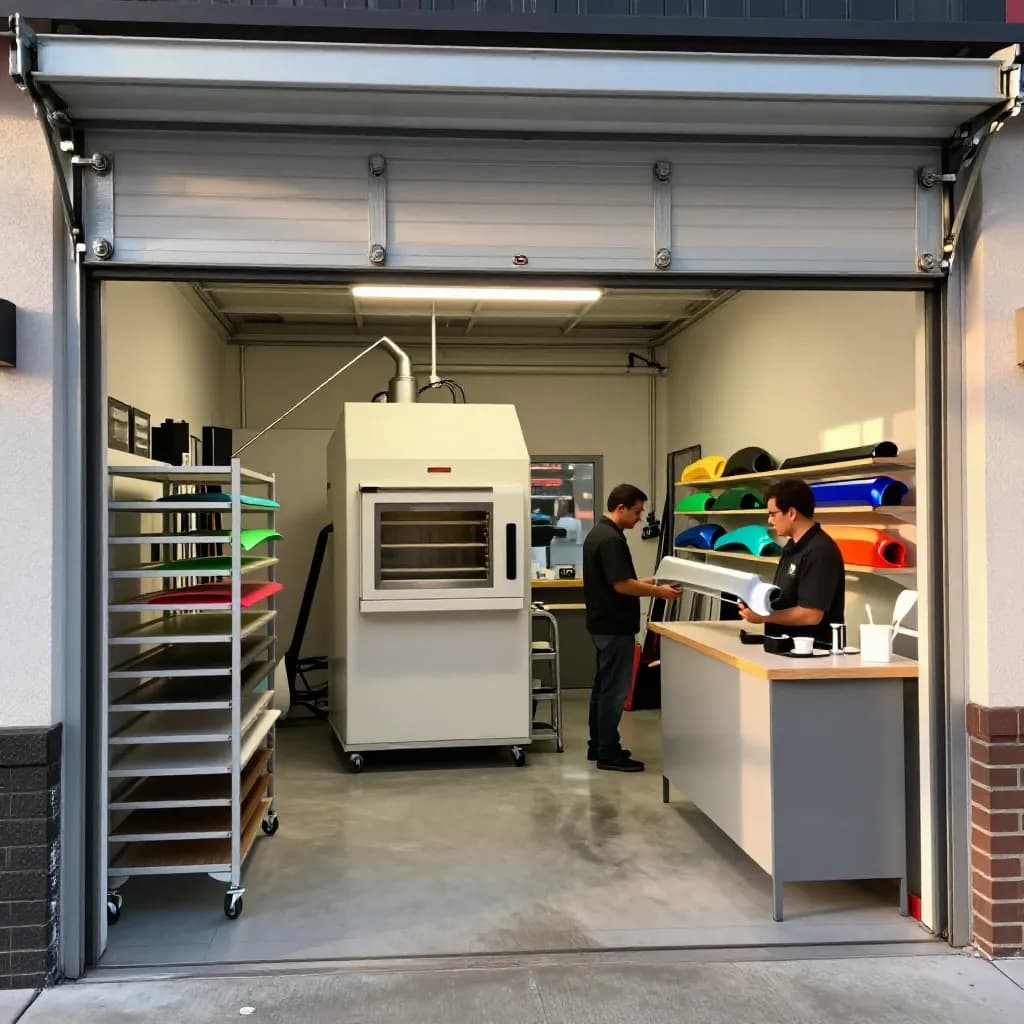
Look for a coater that offers a wide range of colors and finishes. A shop limited to a handful of stock colors may not be able to match your vision, especially for custom or restoration projects. Quality coaters maintain relationships with major powder manufacturers and can source virtually any color, texture, or specialty finish you need. Ask about their color range before committing.
Ready to Start Your Project?
From one-off customs to 15,000-part production runs — get precise pricing in 24 hours.
On This Page
What to Look for in a Local Powder Coater
Certifications and industry affiliations are strong indicators of a shop that takes quality seriously. Look for shops that reference standards like Qualicoat, GSB, or AAMA, or that hold ISO quality management certification. These are not just badges on a wall. They represent documented processes, regular audits, and a commitment to consistent results that casual operators simply do not maintain.
Questions to Ask Before You Commit
Before handing over your parts, ask the coater about their pretreatment process. Pretreatment is the chemical cleaning and conversion coating applied before powder is sprayed, and it is the single biggest factor in how long your finish will last. A shop using a multi-stage wash system with iron phosphate or zirconium conversion coating is set up for durable results. A shop that only blasts and coats is skipping a critical step.
Ask how they monitor their oven temperature and cure cycle. Proper curing requires the parts to reach a specific temperature for a specific duration, and this needs to be verified, not guessed. Quality shops use data loggers or temperature recorders to document every batch. Under-cured powder scratches easily and over-cured powder becomes brittle and can discolor.
Other important questions include whether they offer a warranty on their work, whether you can see color samples before committing, and how they handle masking for threaded holes, bearing surfaces, or areas that must remain uncoated. A coater who answers these questions confidently and openly is one who understands their craft.
How to Evaluate Quality
The best way to evaluate a powder coater is to visit the shop in person. A clean, organized facility where parts are hung neatly on racks, the spray booth is well-maintained, and the workspace is free of excessive dust tells you the shop takes contamination control seriously. Contamination is the enemy of a good powder coat finish, and a tidy shop is a strong quality indicator.
Online reviews are helpful but read them critically. Look for patterns rather than individual complaints. A shop with dozens of positive reviews mentioning consistent quality, good communication, and reliable turnaround is likely a solid choice. Pay attention to how the shop responds to negative reviews as well. A professional, solution-oriented response says a lot about how they handle problems.
Ask to see examples of work similar to yours. If you are having wheels coated, ask to see finished wheels. If you need outdoor railings done, ask about their experience with architectural work. A coater who has handled projects like yours before will understand the specific requirements and potential challenges involved.
What to Bring to Your First Visit
Bring your parts clean and disassembled as much as possible. Remove rubber grommets, plastic caps, stickers, and any non-metal components before you arrive. The less disassembly and cleaning the shop has to do, the faster your job moves through the process. Heavy grease or oil should be wiped off, though the shop will handle the final chemical cleaning.
Bring a color reference if you have one. A RAL code, a Pantone number, a paint chip, or even a physical sample of the color you want gives the coater a clear target. If you are not sure about color, ask to see their sample boards or request a test panel before committing to the full job. Colors can look very different on a screen compared to actual coated metal.
If any areas of your parts must remain uncoated, bring clear instructions. A marked-up photo showing which holes, threads, or surfaces need masking eliminates misunderstandings. If you have photos of the desired finished result, bring those too. The more information you provide upfront, the better the coater can meet your expectations.
Typical Turnaround Times and What Affects Them
Most local powder coating shops complete standard jobs within three to seven business days. Simple items in stock colors with minimal prep work can sometimes be turned around faster, while complex projects with heavy stripping, custom colors, or large volumes may take longer. Understanding what affects turnaround helps you plan your project timeline realistically.
Part condition is one of the biggest factors. Parts that arrive clean and ready to blast move through the process much faster than heavily corroded or multi-layered items that need chemical stripping before blasting can even begin. The number of parts and the size of the batch also matter. A single set of wheels is a quick job, but fifty railing sections require scheduling and rack space.
Color availability plays a role as well. Stock colors that the shop keeps on hand can be sprayed immediately, while custom or specialty colors may need to be ordered from the powder supplier, adding a few days to the timeline. If turnaround time is critical for your project, discuss it upfront and ask whether choosing a stock color could speed things up.
Getting the Best Results from Your Local Coater
Communication is the foundation of a successful powder coating project. Be clear about what you want, ask questions about anything you do not understand, and make sure both you and the coater agree on color, finish, masking, and timeline before work begins. Most problems in powder coating come not from technical failures but from mismatched expectations that could have been resolved with a conversation.
Prepare your parts properly before drop-off. Disassemble everything that can be disassembled, remove non-metal components, and clean off heavy contamination. Provide written masking instructions and color references. The effort you put into preparation directly translates into a smoother process and a better result.
Set realistic expectations about what powder coating can and cannot do. It produces an exceptionally durable and attractive finish, but it cannot hide dents, deep scratches, or structural damage in the underlying metal. If your parts need repair work before coating, discuss that with the coater upfront. A good coater will be honest about what preparation your parts need and will help you understand what the finished result will look like.
Frequently Asked Questions
How do I find a reputable powder coater near me?
Search online for powder coating services in your area and check review platforms for consistent positive feedback. Ask for recommendations in local automotive, motorcycle, or fabrication communities. Visit the shop in person if possible to see the facility, meet the team, and assess their professionalism before committing to a job.
What is the difference between a good and bad powder coater?
A good powder coater uses proper pretreatment, monitors oven temperature with data loggers, offers a range of colors, and communicates clearly about the process. A poor coater skips pretreatment, guesses at cure times, offers limited options, and cannot answer basic questions about their process. The difference shows up in finish durability and consistency.
Can I watch my parts being coated?
Many shops are happy to show you around and explain their process, though they may not allow you in the spray booth during active coating for safety and contamination reasons. Ask if you can visit during a quieter time to see the facility and understand how your parts will be handled.
Do I need to remove old paint before bringing parts in?
No, the powder coating shop will handle stripping old finishes as part of their process. However, letting the shop know about existing coatings or paint helps them plan the right stripping method and estimate turnaround time accurately. Heavily coated parts take longer to strip than bare or lightly finished ones.
What if I am not happy with the finished result?
Contact the shop as soon as possible and explain the issue clearly. Reputable coaters stand behind their work and will address legitimate quality concerns, whether that means touch-up, recoating, or discussing what went wrong. Having agreed on color samples and specifications beforehand makes resolving any disputes much simpler.
Ready to Start Your Project?
From one-off customs to 15,000-part production runs — get precise pricing in 24 hours.