The WELL Building Standard, developed by the International WELL Building Institute (IWBI), is a performance-based certification system focused exclusively on the health and wellbeing of building occupants. Unlike LEED and BREEAM, which address broad environmental sustainability, WELL concentrates on how buildings affect the people who use them. The standard evaluates buildings across ten concepts: air, water, nourishment, light, movement, thermal comfort, sound, materials, community, and mind. Powder coatings are directly relevant to the Air and Materials concepts.
Environmental
Powder Coatings and the WELL Building Standard: Air Quality, Low-Emitting Materials, and Occupant Health
Sundial Powder Coating·April 22, 2026·11 min
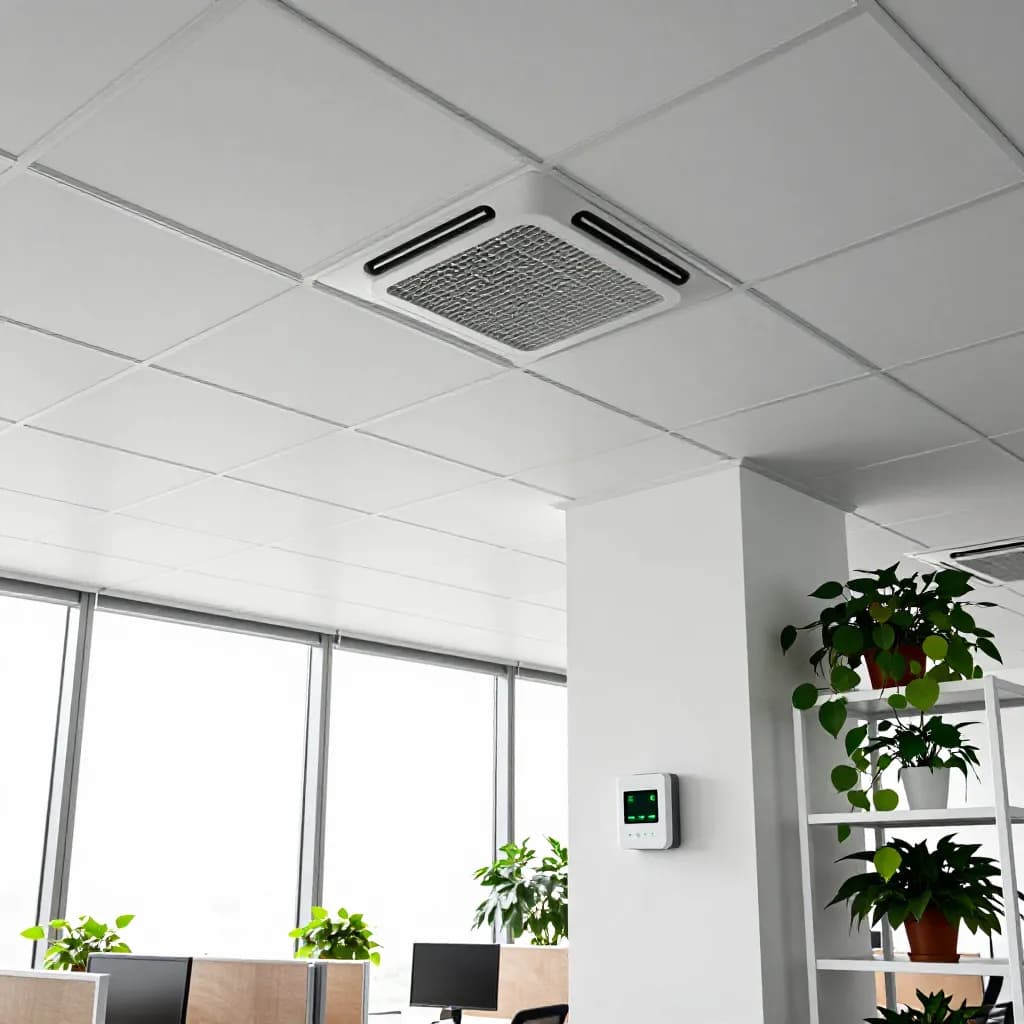
WELL v2, the current version, uses a points-based system where projects earn points through preconditions (mandatory requirements) and optimizations (optional enhancements). The Air concept addresses indoor air quality through requirements for ventilation, air filtration, and the control of pollutant sources — including emissions from building materials and finishes. The Materials concept evaluates the chemical composition of building products and their potential impact on occupant health through exposure to hazardous substances.
Ready to Start Your Project?
From one-off customs to 15,000-part production runs — get precise pricing in 24 hours.
On This Page
The WELL Building Standard and Material Health
The growing adoption of WELL certification — with over 40,000 projects registered globally — creates market opportunities for building product manufacturers who can demonstrate that their products support occupant health. Powder coatings, with their zero-VOC emissions and absence of solvent-based hazards, are inherently aligned with WELL's health-focused objectives. Understanding the specific WELL features where powder coatings contribute enables manufacturers and specifiers to maximize the certification value of powder-coated building products.
WELL Air Concept: Reducing Pollutant Sources
The WELL Air concept includes several features that directly address emissions from building materials and finishes. Feature A06: Enhanced Air Quality requires projects to meet specific indoor air quality thresholds for pollutants including total volatile organic compounds (TVOCs), formaldehyde, carbon monoxide, and particulate matter. Specifying low-emitting materials, including powder coatings, contributes to achieving these thresholds by minimizing the introduction of VOC sources into the indoor environment.
Feature A08: Healthy Entrance specifically addresses the transition zone between outdoor and indoor environments, where contaminants can be tracked into the building. While this feature primarily concerns flooring and entryway design, powder-coated metal elements in entrance systems — door frames, hardware, and vestibule panels — contribute to the overall low-emission profile of the entrance zone. The durability of powder coatings also means that these elements resist degradation that could release particles or chemical compounds over time.
Feature A13: Enhanced Supply Air requires advanced air filtration and ventilation strategies. While this feature focuses on mechanical systems rather than materials, the overall indoor air quality achieved is influenced by the emission profile of all interior materials. Projects that specify low-emitting materials throughout — including powder-coated metal components — reduce the pollutant load that ventilation systems must manage, potentially enabling more energy-efficient ventilation strategies while maintaining air quality targets. This systems-level benefit of low-emitting materials is increasingly recognized in integrated building design approaches.
WELL Materials Concept: Chemical Transparency and Restriction
The WELL Materials concept addresses the chemical composition of building products and their potential health impacts. Feature X06: VOC Restrictions sets maximum VOC content and emission limits for interior paints, coatings, adhesives, sealants, and other product categories. For interior coatings, WELL references CDPH Standard Method v1.2 emission limits and product-specific VOC content limits. Powder coatings meet these requirements inherently due to their zero-VOC formulation.
Feature X07: Materials Transparency rewards the use of products with published ingredient disclosures. Health Product Declarations (HPDs), Declare labels, Cradle to Cradle Certified material health certificates, and manufacturer ingredient inventories all qualify. Powder coating manufacturers who publish HPDs or obtain Declare labels for their products provide documentation that supports this WELL feature. The transparency requirement extends beyond simply listing ingredients to include hazard screening against authoritative chemical hazard lists.
Feature X08: Materials Optimization goes further, rewarding products that have been optimized to avoid hazardous ingredients. This feature references the Living Building Challenge Red List, GreenScreen for Safer Chemicals benchmarks, and Cradle to Cradle Certified material health ratings. Powder coatings formulated without Red List chemicals — which include halogenated flame retardants, certain heavy metals, and specific organic compounds — qualify for this optimization credit. The combination of material transparency (X07) and material optimization (X08) creates a comprehensive framework for evaluating the health profile of building products, and powder coatings' relatively simple, solvent-free chemistry positions them favorably within this framework.
Low-Emitting Materials Testing and Certification
Demonstrating compliance with WELL's low-emitting materials requirements involves specific testing protocols and third-party certifications. The CDPH Standard Method v1.2 (California Section 01350) is the primary emission testing standard referenced by WELL. This method evaluates VOC emissions from products over a 14-day period in a controlled environmental chamber, measuring individual VOC concentrations and comparing them against chronic reference exposure levels (CRELs) and one-half of the chronic RELs for specific compounds.
For powder-coated products, CDPH testing typically confirms negligible emissions well below the allowable limits. The testing process involves placing a representative sample of the powder-coated product in a sealed chamber with controlled temperature, humidity, and air exchange rate, then measuring emitted compounds using thermal desorption gas chromatography-mass spectrometry (TD-GC-MS). The results are expressed as predicted indoor air concentrations based on a standard room model.
Third-party certification programs provide an efficient pathway to WELL compliance documentation. GREENGUARD Gold certification, administered by UL, uses testing protocols aligned with CDPH and is recognized by WELL as evidence of low-emission compliance. The Indoor Air Comfort Gold certification by Eurofins provides similar recognition in European markets. SCS Indoor Advantage Gold is another accepted certification. Powder coating manufacturers who obtain these certifications for their products simplify the compliance documentation process for WELL project teams and increase the likelihood of specification on health-focused building projects.
Occupant Health Benefits of Powder-Coated Interiors
The health benefits of specifying powder coatings for interior building applications extend beyond the absence of VOC emissions. Powder coatings' hard, dense film surface resists the accumulation of dust, allergens, and biological contaminants more effectively than many alternative finishes. This characteristic supports the WELL Air concept's objectives of maintaining clean indoor environments and reducing occupant exposure to airborne particulates and biological agents.
Antimicrobial powder coatings, which incorporate silver ion or other antimicrobial technologies into the coating matrix, provide an additional layer of occupant health protection. These coatings inhibit the growth of bacteria, mold, and fungi on coated surfaces, reducing the potential for microbial contamination in healthcare facilities, schools, food service areas, and other environments where hygiene is critical. While WELL does not currently award specific credits for antimicrobial coatings, their use supports the broader health and wellbeing objectives of the standard.
The durability of powder coatings also contributes to long-term occupant health by maintaining the integrity of the coating film throughout the building's service life. Unlike some liquid coatings that may chalk, flake, or degrade over time — potentially releasing particles and chemical compounds into the indoor environment — powder coatings maintain their physical and chemical stability for decades. This long-term stability means that the low-emission profile established at building commissioning is maintained throughout the operational life, providing consistent indoor air quality performance that supports occupant health over the long term.
Integrating Powder Coatings into WELL Certification Strategy
Maximizing the WELL certification contribution of powder coatings requires integration into the project's overall materials strategy from the early design stages. The WELL Assessor and project team should identify which Air and Materials features are being targeted and determine the documentation requirements for each. Powder coating manufacturers should be engaged early to confirm product availability, provide technical data, and supply certification documentation.
A coordinated approach to material specification can leverage powder coatings across multiple WELL features simultaneously. A single powder-coated interior wall panel system, for example, can contribute to VOC Restrictions (X06) through zero-VOC content, Materials Transparency (X07) through a published HPD, Materials Optimization (X08) through Red List-free formulation, and Enhanced Air Quality (A06) through negligible emissions. Documenting these multiple contributions for each powder-coated product maximizes the credit value per product selection.
The WELL Performance Rating, which evaluates existing buildings based on measured performance rather than design intent, adds another dimension to the value of powder coatings. Because WELL Performance measures actual indoor air quality through on-site monitoring, the real-world low-emission performance of powder coatings contributes directly to achieving performance targets. Buildings with powder-coated interior finishes benefit from lower background VOC levels, supporting compliance with TVOC thresholds during performance verification. This performance-based validation reinforces the design-stage specification of powder coatings and provides ongoing evidence of their contribution to occupant health.
Market Trends and Future WELL Development
The WELL Building Standard continues to evolve, with regular updates to features and scoring criteria that reflect advancing understanding of building-health relationships. The COVID-19 pandemic accelerated interest in healthy buildings, driving a significant increase in WELL registrations and expanding the standard's influence on building design and material specification. Post-pandemic updates to WELL have strengthened requirements for air quality, surface hygiene, and material health — all areas where powder coatings provide advantages.
The WELL Health-Safety Rating, introduced during the pandemic as an operational rating for existing buildings, includes requirements for cleaning protocols, air quality management, and material selection that align with powder coatings' characteristics. The rating's emphasis on cleanable, durable surfaces and low-emitting materials creates additional market pull for powder-coated interior products in commercial, healthcare, and educational facilities.
Looking ahead, the integration of WELL with other certification systems — including LEED, BREEAM, and Fitwel — is creating a more holistic approach to building performance assessment. Projects pursuing multiple certifications benefit from materials that contribute to credits across systems, and powder coatings' combination of environmental performance (relevant to LEED and BREEAM) and health performance (relevant to WELL) makes them valuable multi-certification contributors. Powder coating manufacturers who develop comprehensive sustainability and health documentation packages that address multiple certification systems provide maximum value to project teams navigating this increasingly complex certification landscape.
Frequently Asked Questions
How do powder coatings support WELL Building Standard certification?
Powder coatings support WELL through zero-VOC emissions (Air concept features), material transparency via HPDs and Declare labels (Materials concept), and material optimization through avoidance of hazardous ingredients. Their durability also maintains low-emission performance throughout the building's operational life.
What testing is required for WELL low-emitting materials compliance?
WELL references CDPH Standard Method v1.2 for emission testing, which evaluates VOC emissions over 14 days in a controlled chamber. Third-party certifications including GREENGUARD Gold, Indoor Air Comfort Gold, and SCS Indoor Advantage Gold are accepted as evidence of compliance.
Does WELL require Health Product Declarations for coatings?
WELL Feature X07 (Materials Transparency) awards points for products with published ingredient disclosures including HPDs, Declare labels, or Cradle to Cradle Certified material health certificates. While not mandatory for all projects, these disclosures contribute to WELL points and are increasingly requested by project teams.
How does WELL differ from LEED for coating specification?
WELL focuses exclusively on occupant health and wellbeing, while LEED addresses broader environmental sustainability. WELL's materials assessment emphasizes chemical transparency, hazard avoidance, and indoor air quality impact, whereas LEED also considers lifecycle environmental impacts, recycled content, and responsible sourcing.
Can antimicrobial powder coatings contribute to WELL credits?
While WELL does not currently award specific credits for antimicrobial coatings, they support the standard's broader health objectives by inhibiting microbial growth on surfaces. Antimicrobial powder coatings are particularly relevant for healthcare, education, and food service projects pursuing WELL certification.
Ready to Start Your Project?
From one-off customs to 15,000-part production runs — get precise pricing in 24 hours.