Water is a critical resource in powder coating operations, used primarily in the pretreatment stage that prepares metal substrates for coating adhesion and corrosion protection. A typical multi-stage pretreatment system includes alkaline cleaning, rinse stages, conversion coating (phosphate or zirconium-based), and final rinse stages. Each stage requires water of specific quality, and the total water consumption of a pretreatment line can range from 2,000 to 50,000 liters per day depending on the system design, production volume, and the number of rinse stages.
Environmental
Water Conservation in Powder Coating Operations: Pretreatment, Closed-Loop Systems, and Zero Liquid Discharge
Sundial Powder Coating·April 22, 2026·11 min
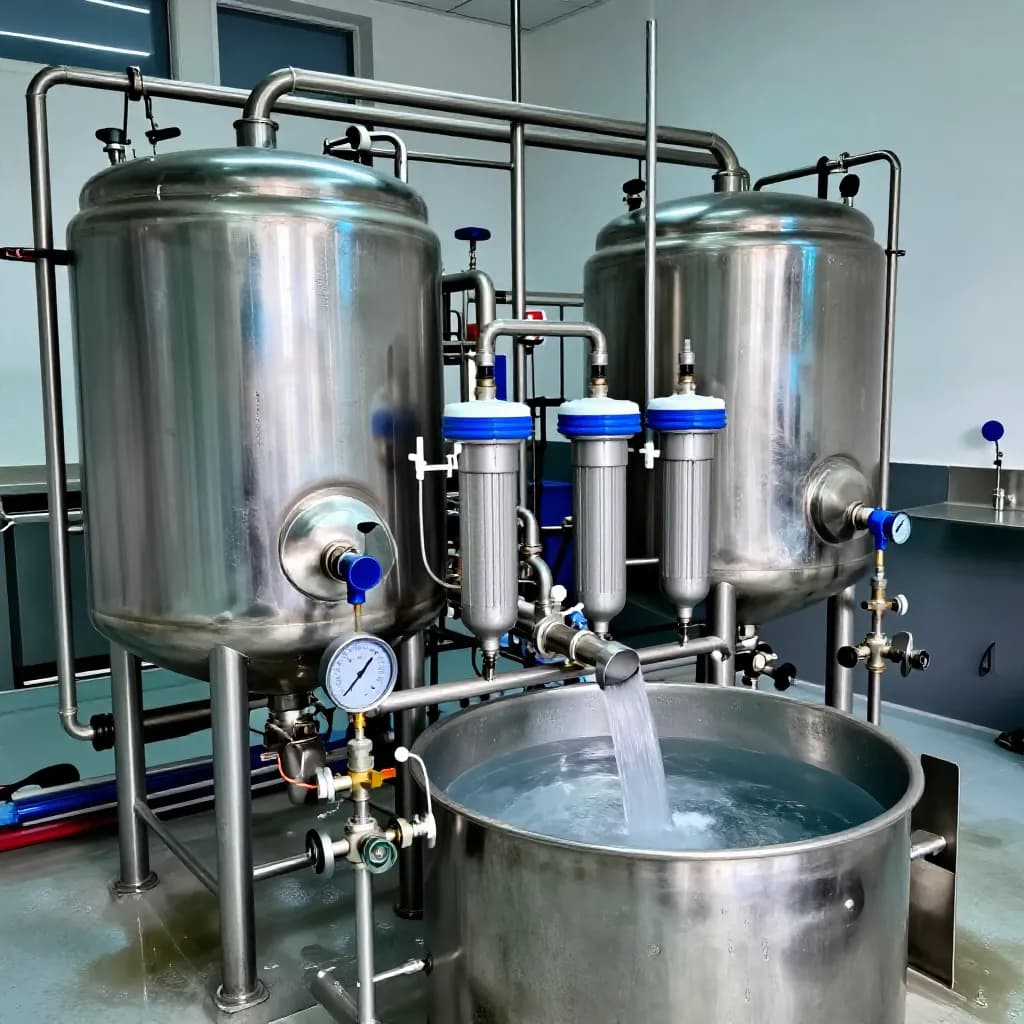
The environmental and economic pressures to reduce water consumption in industrial operations are intensifying globally. Water scarcity affects an increasing number of regions where powder coating facilities operate, and water utility costs are rising in most jurisdictions. Discharge regulations for industrial wastewater are becoming more stringent, with lower permissible limits for heavy metals, phosphates, fluorides, and total dissolved solids. These converging pressures make water conservation not merely an environmental aspiration but a business imperative for powder coating operations.
Ready to Start Your Project?
From one-off customs to 15,000-part production runs — get precise pricing in 24 hours.
On This Page
Water Use in Powder Coating Operations
Unlike the powder application and curing stages — which use no water — the pretreatment stage presents both the challenge and the opportunity for water conservation. The good news is that proven technologies and management practices can reduce pretreatment water consumption by 50-90% compared to conventional once-through systems, while simultaneously improving pretreatment quality and reducing wastewater treatment costs. This article examines the strategies and technologies available for achieving these reductions.
Pretreatment Water Optimization Strategies
The first step in water conservation is optimizing the existing pretreatment system to minimize water consumption without compromising coating quality. Counter-current rinsing is the most fundamental optimization technique, where fresh water enters the final rinse stage and flows backward through preceding rinse stages, with the most contaminated water overflowing from the first rinse stage to drain. This arrangement can reduce rinse water consumption by 50-70% compared to parallel-flow rinsing while maintaining or improving rinse quality.
Conductivity-controlled rinse water management uses inline conductivity sensors to monitor rinse water quality in real time and add fresh water only when contamination levels exceed specified thresholds. This demand-based approach eliminates the continuous overflow of rinse water that characterizes timer-based or manual systems, reducing water consumption to the minimum required to maintain rinse quality. Modern conductivity controllers can be integrated with programmable logic controllers (PLCs) to optimize water addition based on production schedules and contamination loading.
Spray rinse systems use significantly less water than immersion rinse tanks for equivalent rinse quality. Converting immersion rinse stages to spray rinse reduces water consumption by 30-50% per stage. The combination of counter-current flow, conductivity control, and spray rinsing can reduce total rinse water consumption to 10-20% of a conventional once-through immersion system. Additional strategies include optimizing drag-out reduction through proper rack design and drain times, maintaining chemical bath concentrations to minimize rinse contamination, and scheduling production to maximize batch processing efficiency.
Closed-Loop Water Recycling Systems
Closed-loop water recycling systems treat and reuse rinse water within the pretreatment line, dramatically reducing fresh water consumption and wastewater discharge. The core technology in most closed-loop systems is reverse osmosis (RO), which uses semi-permeable membranes to separate dissolved contaminants from water, producing permeate (clean water) suitable for reuse as rinse water and concentrate (reject) containing the removed contaminants.
A typical closed-loop configuration collects overflow water from rinse stages, passes it through pre-filtration to remove suspended solids, then through RO membranes to produce permeate that is returned to the rinse stages. The RO concentrate, which contains elevated levels of dissolved metals, phosphates, and other contaminants, is either further concentrated for disposal or treated through additional processes. RO systems can recover 70-85% of the feed water as reusable permeate, with advanced systems achieving recovery rates above 90% through multi-stage membrane configurations.
Ion exchange systems provide an alternative or complementary technology for closed-loop water recycling. Mixed-bed ion exchange resins remove dissolved cations and anions from rinse water, producing deionized water suitable for high-quality rinsing. The resins are periodically regenerated using acid and alkali solutions, producing a regenerant waste stream that requires treatment. Ion exchange is particularly effective for final rinse stages where very low conductivity water is required. The choice between RO and ion exchange — or a combination of both — depends on water quality requirements, contamination types, production volumes, and economic factors specific to each facility.
Zero Liquid Discharge Technologies
Zero liquid discharge (ZLD) represents the ultimate goal of water conservation, where all wastewater is treated and recycled within the facility with no liquid effluent discharged to sewer or surface water. ZLD systems combine multiple treatment technologies to progressively concentrate and separate contaminants from water, recovering maximum water for reuse and producing only solid waste for disposal.
A typical ZLD system for powder coating pretreatment begins with conventional wastewater treatment (pH adjustment, chemical precipitation, flocculation, and clarification) to remove heavy metals and suspended solids. The clarified water is then processed through RO to recover 70-85% as reusable permeate. The RO concentrate is further concentrated using technologies such as electrodialysis reversal (EDR), high-recovery RO, or mechanical vapor compression (MVC) evaporation. The final concentrate is processed through a crystallizer or spray dryer to produce solid residue for disposal, with the evaporated water recovered as distillate.
The economics of ZLD depend on several factors: the cost of fresh water supply, wastewater discharge fees, regulatory requirements for effluent quality, and the capital and operating costs of ZLD equipment. In regions with high water costs, strict discharge regulations, or water scarcity, ZLD can be economically justified. In other regions, near-zero liquid discharge (NZLD) systems that achieve 95-98% water recovery may provide a better balance of environmental performance and economic viability. The trend toward stricter discharge regulations and rising water costs is progressively improving the economic case for ZLD across more regions and facility types.
Alternative Pretreatment Technologies for Water Reduction
Beyond optimizing conventional wet pretreatment systems, alternative pretreatment technologies can fundamentally reduce or eliminate water use in the pretreatment stage. Zirconium-based conversion coatings operate at lower chemical concentrations and generate less sludge than traditional iron or zinc phosphate systems, reducing both water consumption and wastewater treatment requirements. Some zirconium systems can operate with fewer rinse stages than phosphate systems, further reducing water use.
Silane and organosilane pretreatments represent another water-reducing alternative. These thin-film technologies operate at very low chemical concentrations, generate minimal sludge, and can function effectively with reduced rinse stages. Some silane systems are designed for no-rinse application, where the conversion coating is applied and dried without a subsequent water rinse, eliminating rinse water consumption entirely for that stage. The performance of silane pretreatments has improved significantly in recent years, with some systems approaching the corrosion protection performance of zinc phosphate on steel substrates.
Mechanical pretreatment methods such as shot blasting and abrasive blasting eliminate water use entirely by using physical abrasion rather than chemical solutions to clean and profile the substrate surface. While mechanical pretreatment does not provide the chemical conversion layer that enhances coating adhesion and corrosion resistance, it is suitable for many industrial applications where the powder coating itself provides adequate corrosion protection. Combining mechanical cleaning with a thin-film chemical pretreatment applied by spray or roll-coat minimizes water consumption while maintaining coating performance for demanding applications.
Water Quality Monitoring and Management
Effective water conservation requires robust monitoring systems that track water consumption, water quality, and system performance in real time. Flow meters installed on fresh water supply lines, rinse stage overflows, and wastewater discharge points provide the data needed to calculate water consumption rates, identify leaks or inefficiencies, and verify the performance of conservation measures. Totalizing flow meters with data logging capability enable trend analysis and benchmarking against conservation targets.
Water quality monitoring is equally important for maintaining pretreatment performance while minimizing water use. Key parameters include conductivity (indicating total dissolved solids), pH, temperature, and specific contaminant concentrations relevant to the pretreatment chemistry. Online analyzers for conductivity and pH provide continuous monitoring, while periodic laboratory analysis of parameters such as heavy metal concentrations, phosphate levels, and total organic carbon ensures comprehensive water quality management.
Water balance analysis — tracking all water inputs, uses, and outputs across the facility — identifies the largest consumption points and the most impactful conservation opportunities. A detailed water balance should account for fresh water supply, rinse water consumption by stage, evaporative losses from heated baths, drag-out losses, wastewater discharge volumes, and water recovered through recycling systems. This analysis, updated regularly, provides the management information needed to drive continuous improvement in water efficiency and to demonstrate progress against conservation targets to regulators, customers, and other stakeholders.
Regulatory Compliance and Reporting for Water Management
Water management in powder coating operations is subject to regulatory requirements that vary by jurisdiction but generally address both water consumption and wastewater discharge. Discharge permits typically specify maximum allowable concentrations for pollutants including heavy metals (zinc, nickel, chromium, iron), phosphates, fluorides, pH range, total suspended solids, and biochemical oxygen demand. Compliance with these limits requires effective wastewater treatment and regular monitoring and reporting.
In the European Union, the Industrial Emissions Directive (IED) and associated Best Available Techniques (BAT) reference documents establish performance benchmarks for water consumption and wastewater quality in surface treatment operations. The BAT conclusions for surface treatment using organic solvents (which includes powder coating pretreatment) specify water consumption benchmarks and wastewater quality standards that represent achievable performance using current technology. Facilities operating under IED permits must demonstrate compliance with these benchmarks or justify deviations.
In the United States, the Clean Water Act and EPA's Effluent Limitations Guidelines for Metal Finishing (40 CFR Part 433) set technology-based discharge limits for pretreatment wastewater. Many facilities discharge to publicly owned treatment works (POTWs) under pretreatment permits that may impose limits stricter than federal guidelines. State and local regulations add further requirements. Water conservation measures that reduce discharge volumes and contaminant loads simplify regulatory compliance and may qualify facilities for reduced monitoring requirements or permit fee reductions. Documenting water conservation achievements in environmental reports and sustainability disclosures demonstrates environmental stewardship and supports corporate sustainability commitments.
Frequently Asked Questions
How much water does a powder coating pretreatment system use?
A typical multi-stage pretreatment system consumes 2,000 to 50,000 liters per day depending on system design, production volume, and number of rinse stages. Optimized systems with counter-current rinsing, conductivity control, and water recycling can reduce consumption by 50-90% compared to conventional once-through systems.
What is zero liquid discharge in powder coating?
Zero liquid discharge (ZLD) means all wastewater is treated and recycled within the facility with no liquid effluent discharged. ZLD systems combine conventional treatment, reverse osmosis, and evaporation/crystallization to recover maximum water and produce only solid waste. The economics depend on local water costs and discharge regulations.
Can pretreatment be done without water?
Mechanical pretreatment methods like shot blasting eliminate water use entirely. Some chemical pretreatments, such as no-rinse silane systems, dramatically reduce water consumption. However, most high-performance pretreatment systems still require some water for rinsing, though closed-loop recycling can minimize fresh water consumption.
What is counter-current rinsing?
Counter-current rinsing is a water conservation technique where fresh water enters the final rinse stage and flows backward through preceding stages, with the most contaminated water overflowing from the first stage. This arrangement reduces rinse water consumption by 50-70% compared to parallel-flow rinsing while maintaining rinse quality.
How does reverse osmosis help in powder coating water recycling?
Reverse osmosis uses semi-permeable membranes to separate dissolved contaminants from rinse water, producing clean permeate for reuse and concentrate for disposal. RO systems can recover 70-85% of feed water as reusable permeate, with advanced multi-stage systems achieving over 90% recovery rates.
Ready to Start Your Project?
From one-off customs to 15,000-part production runs — get precise pricing in 24 hours.