A powder coating warranty is the coater's commitment that their finish will perform as expected for a defined period. Standard warranties typically cover adhesion failure, where the coating peels or lifts from the substrate without external cause. They also cover blistering, which indicates a pretreatment or application defect, and premature fading or chalking beyond acceptable limits for the powder type used.
Local Info
Powder Coating Warranties and Guarantees: What to Look For
Sundial Powder Coating·April 20, 2026·8 min
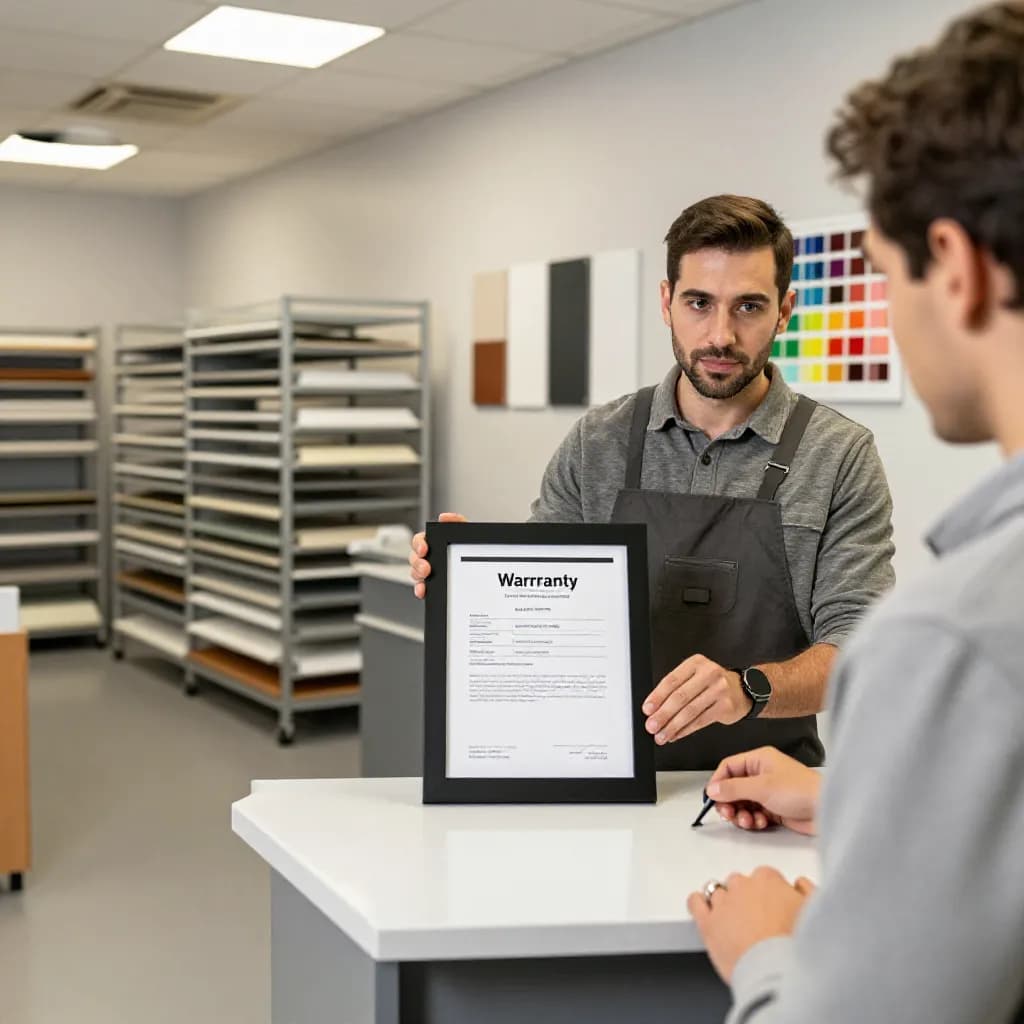
The scope of coverage varies between coaters and depends on the type of work performed. A warranty on architectural exterior cladding will have different terms than a warranty on a set of indoor furniture legs. The environment the coated item will face, the powder system used, and the pretreatment process all factor into what the coater is willing to guarantee and for how long.
Ready to Start Your Project?
From one-off customs to 15,000-part production runs — get precise pricing in 24 hours.
On This Page
What Powder Coating Warranties Typically Cover
Warranties are a meaningful indicator of a coater's confidence in their own work. A shop that offers a written warranty is telling you they trust their process, their materials, and their quality control enough to stand behind the result. A shop that avoids discussing warranty or offers only vague verbal assurances may not have the same level of confidence in their output.
What Warranties Usually Exclude
Understanding exclusions is just as important as understanding coverage. Most powder coating warranties exclude damage caused by physical impact, such as scratches, dents, or chips from objects striking the coated surface. The coating is durable, but it is not indestructible, and damage from external forces is not a coating defect.
Chemical exposure and improper cleaning are common exclusions. Using harsh solvents, abrasive cleaners, or pressure washers at close range can damage any coating, and this type of damage falls outside warranty coverage. Similarly, exposure to chemicals not anticipated in the original specification, such as industrial pollutants or agricultural chemicals, is typically excluded.
Normal weathering is generally excluded from standard warranties, though the definition of normal varies. All coatings experience some degree of gloss reduction and color shift over extended outdoor exposure. Warranty terms define acceptable limits for these changes, usually expressed as Delta E for color change and percentage of gloss retention. Changes within these defined limits are considered normal performance, not defects.
How Warranty Duration Relates to Quality
Warranty duration is a useful proxy for the quality of the coating system and the coater's process. A basic one-year warranty typically covers workmanship defects and indicates the coater is confident the finish will not fail due to obvious process errors like under-curing or poor adhesion. This is the minimum you should expect from any professional coater.
A five-year warranty suggests a more robust process including proper pretreatment, quality powder from a reputable manufacturer, and controlled application and curing parameters. Coaters offering this level of warranty are typically investing in multi-stage pretreatment, calibrated ovens, and regular quality testing. The longer warranty reflects their confidence in the durability of their complete system.
Architectural warranties of ten to twenty-five years represent the highest tier of powder coating quality. These warranties are backed by both the coater and the powder manufacturer and require certified processes, documented quality control, and specific powder systems designed for long-term exterior performance. Projects specifying these warranties demand coaters with Qualicoat, GSB, or equivalent certification.
How to Protect Your Warranty
Following the coater's maintenance guidelines is the simplest way to keep your warranty valid. Most warranties require periodic cleaning with mild soap and water to remove environmental deposits that can degrade the finish over time. The recommended cleaning frequency depends on the environment, with coastal and industrial locations typically requiring more frequent attention than sheltered inland sites.
Document any issues promptly. If you notice peeling, blistering, unusual fading, or any other potential defect, photograph it and contact the coater as soon as possible. Early reporting allows the coater to inspect the issue while it is still developing, which helps determine the cause and makes resolution simpler. Waiting months or years to report a problem can complicate the warranty claim process.
Keep records of your coating order, including the color specification, the coater's quote or order confirmation, any warranty documentation provided, and your maintenance activities. If a warranty claim arises years after the original coating, having this documentation readily available streamlines the process and demonstrates that you have upheld your maintenance obligations.
Questions to Ask About Warranty Before Ordering
Before committing to a coating job, ask the coater directly what their warranty covers and for how long. Request the warranty terms in writing rather than relying on verbal assurances. A professional coater will have standard warranty documentation that clearly states coverage, exclusions, duration, and the process for making a claim.
Ask what pretreatment process and powder type will be used on your parts, as these directly affect the warranty the coater can offer. A job using basic pretreatment and economy powder will carry a shorter warranty than one using multi-stage pretreatment and premium architectural-grade powder. Understanding this relationship helps you make an informed decision about the level of quality and protection you are paying for.
Inquire about the claims process. What happens if you discover a defect? Who do you contact? What evidence do you need to provide? How long does the resolution process take? A coater who can answer these questions clearly has a mature warranty process and is prepared to honor their commitments. Vague or evasive answers about the claims process should give you pause.
Frequently Asked Questions
Do all powder coaters offer warranties?
Not all coaters offer formal written warranties, but reputable professional shops typically do. The scope and duration vary based on the coater's process quality, the powder system used, and the intended application. Always ask about warranty terms before ordering and request them in writing. A coater who is unwilling to provide any warranty may not be confident in their own work.
What is the difference between a coater warranty and a powder manufacturer warranty?
The coater's warranty covers their workmanship, including pretreatment, application, and curing. The powder manufacturer's warranty covers the performance of the powder itself, such as color stability and weathering resistance. For architectural projects, both warranties may apply, with the coater responsible for process quality and the manufacturer responsible for material performance.
Can I void my powder coating warranty?
Yes, warranties can be voided by improper maintenance, unauthorized modifications, exposure to conditions outside the specification, or failure to report issues within the required timeframe. Follow the coater's care instructions, clean the finish as recommended, and report any concerns promptly to keep your warranty valid.
What should I do if my powder coating fails within the warranty period?
Contact the coater immediately with photos and a description of the issue. Provide your original order details and any warranty documentation. The coater will typically inspect the affected item, determine the cause of the failure, and offer a resolution, which may include recoating at no charge if the failure is covered under the warranty terms.
Ready to Start Your Project?
From one-off customs to 15,000-part production runs — get precise pricing in 24 hours.