Zinc-rich primers are specialized coatings that contain a high concentration of zinc dust — typically 65 to 95 percent zinc by weight in the dry film — suspended in an organic or inorganic binder. The zinc particles provide galvanic or cathodic protection to the underlying steel substrate, meaning the zinc corrodes preferentially instead of the steel when moisture and electrolytes are present. This sacrificial protection mechanism is the same principle that makes hot-dip galvanizing effective, but delivered in a paint-like application.
Comparison
Powder Coating vs Zinc-Rich Primer: Corrosion Protection Strategies Compared
Sundial Powder Coating·April 22, 2026·11 min
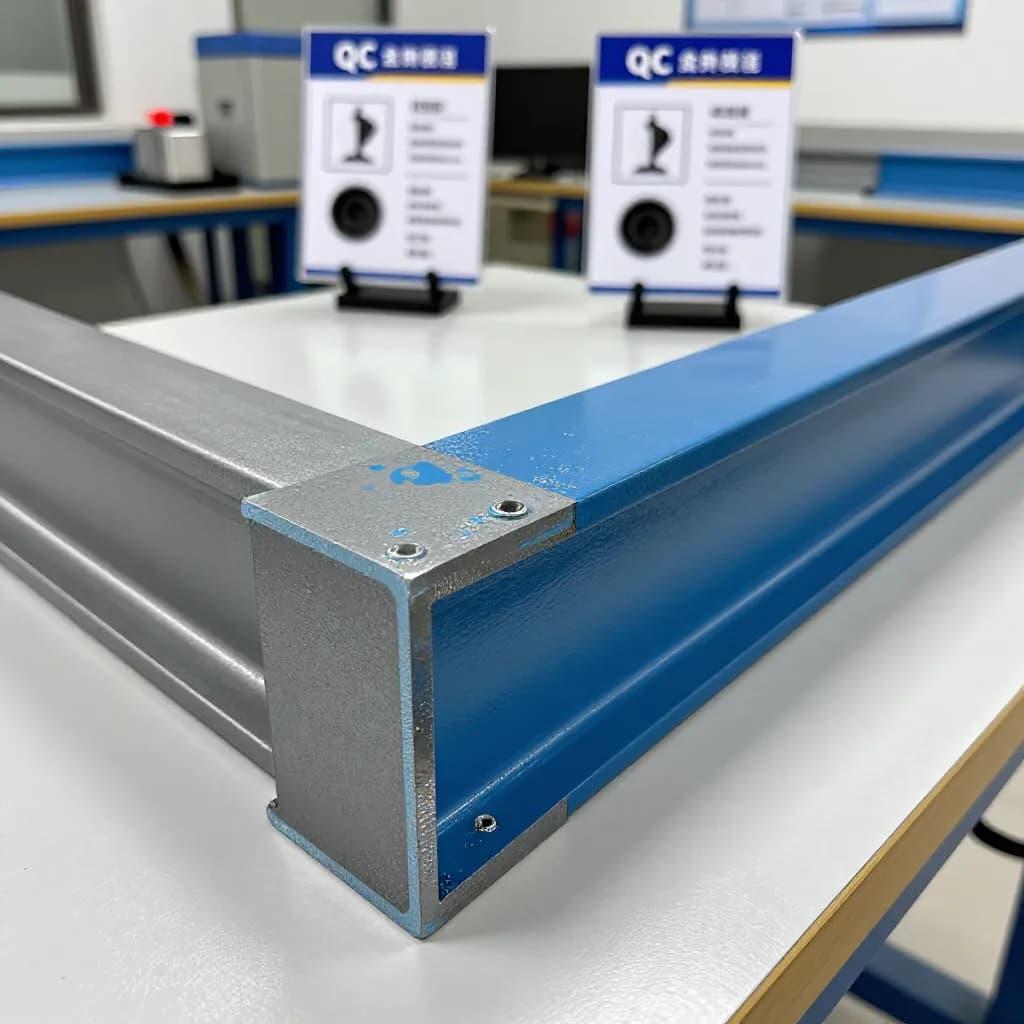
Organic zinc-rich primers use epoxy, polyurethane, or other organic resins as the binder, making them easier to apply and topcoat than inorganic versions. Inorganic zinc-rich primers use alkyl silicate binders that form a harder, more heat-resistant film with superior galvanic protection but require more careful surface preparation and application technique. Both types are widely used in structural steel, bridge, marine, petrochemical, and infrastructure applications where long-term corrosion protection is critical.
Ready to Start Your Project?
From one-off customs to 15,000-part production runs — get precise pricing in 24 hours.
On This Page
How Zinc-Rich Primers Protect Steel
The key advantage of zinc-rich primers is their ability to protect steel even when the coating is damaged. If the primer film is scratched, chipped, or otherwise breached, the exposed zinc surrounding the damage site continues to provide galvanic protection to the exposed steel, preventing rust from forming at the damage point. This self-healing characteristic is unique to zinc-rich coatings and is not provided by barrier coatings alone, including standard powder coatings.
How Powder Coating Protects Metal
Powder coating protects metal primarily through barrier protection — the continuous polymer film physically separates the metal substrate from moisture, oxygen, chemicals, and other corrosive agents in the environment. The effectiveness of this barrier depends on the film thickness, the density and integrity of the cured film, the quality of the substrate pretreatment, and the chemical resistance of the powder formulation.
Standard powder coatings applied at 60 to 120 microns provide a substantially thicker barrier than most liquid paint systems, which contributes to their excellent corrosion resistance in many environments. The electrostatic application process and heat curing produce a dense, pinhole-free film that is difficult for moisture and chemicals to penetrate. When applied over a properly pretreated substrate with an appropriate conversion coating, powder coating provides corrosion protection that meets or exceeds 1000 hours of salt spray resistance in standard ASTM B117 testing.
However, standard powder coatings do not provide galvanic protection. If the powder coating film is damaged — by impact, scratching, or wear — the exposed metal is unprotected and will begin to corrode. The corrosion can then spread beneath the intact coating through a process called undercutting or creep, where rust forms at the damage site and progressively lifts the surrounding coating from the substrate. This is the fundamental limitation of barrier-only protection systems and the reason why zinc-rich primers are specified for the most demanding corrosion environments.
Complementary Systems: Using Both Together
The most effective corrosion protection systems often combine zinc-rich primers with powder coating topcoats, leveraging the galvanic protection of zinc with the barrier protection and aesthetic qualities of powder coating. This dual-protection approach is specified in demanding applications where coating damage is likely and long-term corrosion resistance is critical — structural steel in coastal environments, offshore platforms, bridges, transmission towers, and heavy industrial equipment.
In a typical complementary system, a zinc-rich primer is applied first — either as a liquid zinc-rich primer or as a zinc-rich powder primer — to provide the galvanic protection layer. A powder coating topcoat is then applied over the primer to provide barrier protection, UV resistance, color, and aesthetic finish. The zinc primer protects the steel if the topcoat is damaged, while the topcoat protects the zinc primer from premature consumption by limiting its exposure to the corrosive environment.
Zinc-rich powder primers are available and offer the same process advantages as standard powder coatings — zero VOC emissions, high material utilization, and consistent application. These primers contain zinc dust at concentrations sufficient to provide galvanic protection and are designed to be topcoated with standard polyester or polyurethane powder coatings. The all-powder system — zinc-rich powder primer plus powder topcoat — provides the highest level of corrosion protection achievable with powder coating technology while maintaining the environmental and efficiency benefits of a solvent-free process.
Performance in Corrosive Environments
The performance difference between zinc-rich primers and standard powder coatings becomes most apparent in severely corrosive environments. In marine and coastal environments where salt spray exposure is continuous, zinc-rich primer systems routinely achieve 15 to 25 years of service life on structural steel, with some inorganic zinc systems lasting 30 years or more. Standard powder coatings without zinc primers may provide 10 to 15 years of protection in the same environment, with performance heavily dependent on the quality of pretreatment and the integrity of the coating film.
In industrial environments with chemical exposure — refineries, chemical plants, pulp and paper mills — zinc-rich primers provide an essential safety net against coating damage from chemical spills, mechanical impact, and thermal cycling. The galvanic protection continues to function even when the topcoat is compromised, preventing the rapid corrosion that can occur when bare steel is exposed to aggressive chemicals.
For mild to moderate corrosive environments — interior applications, sheltered exterior locations, and environments without significant salt or chemical exposure — standard powder coating over a proper pretreatment provides excellent corrosion protection without the need for a zinc-rich primer. The additional cost and complexity of a zinc-rich primer system is justified only when the corrosion environment is severe, the consequences of coating failure are significant, or the structure is difficult to access for maintenance and recoating.
Application and Process Considerations
Surface preparation requirements differ between zinc-rich primers and standard powder coatings. Zinc-rich primers, particularly inorganic zinc-rich primers, require near-white or white metal blast cleaning to SSPC-SP 10 or SP 5 standards, with a surface profile of 50 to 75 microns. This level of preparation is more demanding and costly than the preparation typically required for standard powder coating, which can achieve good results with commercial blast cleaning or chemical pretreatment.
Application of liquid zinc-rich primers requires careful attention to mixing, film thickness, and environmental conditions. The high zinc content makes the primer prone to settling, requiring continuous agitation during application. Film thickness must be controlled within a narrow range — too thin and galvanic protection is insufficient, too thick and the primer may crack or have poor cohesion. Inorganic zinc primers also require specific humidity conditions for proper curing of the silicate binder.
Zinc-rich powder primers simplify the application process significantly. As single-component dry powders, they eliminate mixing, settling, and pot life concerns. The electrostatic application process provides more uniform film thickness control than liquid spray, and the heat curing process is straightforward and consistent. For operations that need zinc-rich primer protection on metal components processed through a coating line, zinc-rich powder primer offers a more controllable and efficient process than liquid zinc-rich primer.
Specification and Standards
Both zinc-rich primers and powder coatings are governed by well-established standards that define performance requirements and testing methods. Zinc-rich primers are specified under standards including SSPC Paint 20 for organic zinc-rich primers and SSPC Paint 20 Type II for inorganic zinc-rich primers. These standards define minimum zinc content, film thickness, and performance requirements for salt spray resistance, adhesion, and flexibility.
Powder coatings for corrosion protection are specified under standards such as ISO 12944 for protective paint systems on steel structures, which includes provisions for powder coating systems. Architectural powder coatings are certified under Qualicoat, GSB, and AAMA standards that define weathering, adhesion, and corrosion resistance requirements. Fusion-bonded epoxy powder coatings for pipeline protection are specified under standards such as CSA Z245.20 and ISO 21809.
When specifying a combined zinc-rich primer and powder coating system, it is important to ensure compatibility between the primer and topcoat. Not all powder coatings adhere well to all zinc-rich primers, and the curing conditions for the primer and topcoat must be coordinated. Reputable powder coating manufacturers provide tested and approved system specifications that define the primer, topcoat, pretreatment, and application parameters for their recommended corrosion protection systems.
Choosing the Right Protection Strategy
The choice between zinc-rich primer, powder coating, or a combined system depends on the corrosion environment, the expected service life, the accessibility of the structure for maintenance, and the consequences of coating failure. For mild environments and accessible structures, standard powder coating over proper pretreatment provides excellent protection at reasonable cost. The single-coat powder system is efficient, environmentally friendly, and delivers 10 to 20 years of service life in most non-aggressive environments.
For moderate to severe corrosion environments, a zinc-rich powder primer with a polyester powder topcoat provides the best combination of galvanic and barrier protection in an all-powder, zero-VOC system. This approach is increasingly specified for structural steel, infrastructure, and heavy equipment that must perform in coastal, industrial, or otherwise corrosive environments.
For the most demanding applications — offshore structures, chemical processing equipment, bridges in de-icing salt environments — inorganic zinc-rich primers with multi-coat liquid or powder topcoat systems provide the highest level of protection. These systems represent the premium tier of corrosion protection and are justified when the cost of premature failure or maintenance access is extremely high. In all cases, the quality of surface preparation is the single most important factor in coating system performance, regardless of whether zinc-rich primer, powder coating, or both are used.
Frequently Asked Questions
Does powder coating provide galvanic corrosion protection like zinc-rich primer?
Standard powder coatings provide barrier protection only, not galvanic protection. If the coating is damaged, the exposed metal will corrode. Zinc-rich primers provide sacrificial galvanic protection that continues to protect steel even at damage sites. For maximum protection, zinc-rich powder primers can be used under a powder coating topcoat.
Can you apply powder coating over zinc-rich primer?
Yes. Zinc-rich powder primers are specifically designed to be topcoated with standard polyester or polyurethane powder coatings. This all-powder system combines galvanic and barrier protection with zero VOC emissions. Compatibility between primer and topcoat should be verified with the powder manufacturer.
When is zinc-rich primer necessary under powder coating?
Zinc-rich primer is recommended for severe corrosion environments including coastal and marine locations, industrial chemical exposure, and structures that are difficult to access for maintenance. For mild to moderate environments, standard powder coating over proper pretreatment provides adequate protection without zinc-rich primer.
How long does a zinc-rich primer plus powder coating system last?
A properly applied zinc-rich primer with powder coating topcoat can provide 15-25 years of corrosion protection in severe environments. In moderate environments, the system can last even longer. Performance depends on surface preparation quality, film thickness, and the specific corrosion environment.
Is zinc-rich powder primer available?
Yes. Zinc-rich powder primers contain zinc dust at concentrations sufficient for galvanic protection and are applied using standard electrostatic powder coating equipment. They offer the same process advantages as standard powder coatings — zero VOC emissions, high material utilization, and consistent application — while providing sacrificial corrosion protection.
Ready to Start Your Project?
From one-off customs to 15,000-part production runs — get precise pricing in 24 hours.