If you have been searching for the difference between powder coating and powder painting, the answer is straightforward — there is no difference. Powder coating and powder painting are two names for the same industrial finishing process. Both terms describe the application of a dry, finely ground mixture of pigment and resin particles onto a substrate using electrostatic charge, followed by heat curing in an oven to form a continuous, durable film.
Comparison
Powder Coating vs Powder Painting: Is There a Difference?
Sundial Powder Coating·April 22, 2026·10 min
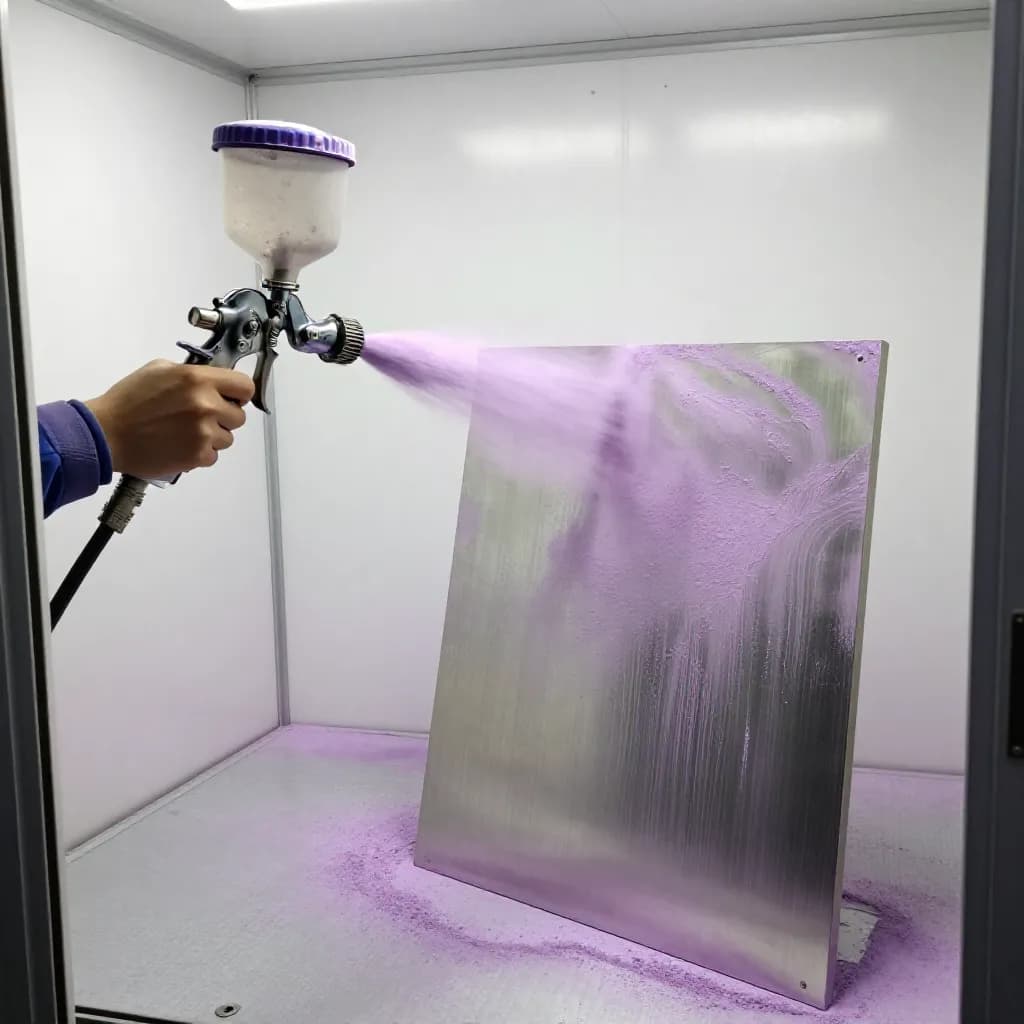
The confusion arises because the finishing industry and the general public use different terminology. Professionals in the coatings industry almost universally use the term powder coating, which is the technically correct and standardized name recognized by organizations such as the Powder Coating Institute, the European Powder Coating Association, and standards bodies like ASTM and ISO. The term powder painting is more commonly used by consumers, hobbyists, and people outside the industry who naturally associate the process with painting because the end result looks like paint.
Ready to Start Your Project?
From one-off customs to 15,000-part production runs — get precise pricing in 24 hours.
On This Page
The Short Answer: They Are the Same Process
This article exists because the terminology confusion is real and widespread. Search data shows that thousands of people every month search for powder coating vs powder painting, expecting to find two distinct processes. Understanding that these terms are synonymous is the first step toward making informed decisions about metal finishing. Throughout this article, we will use the industry-standard term powder coating while explaining why the process earned its alternative name and what you should know when specifying or purchasing this finish.
Why the Term Powder Painting Exists
The term powder painting gained traction because the process shares a superficial resemblance with traditional painting. Both involve applying a colored material to a surface to create a protective and decorative finish. Both use spray equipment. Both result in a smooth, colored surface. For someone unfamiliar with the technical details, calling it powder painting is a natural and intuitive description.
However, the similarities end at the surface level. Traditional liquid painting involves applying a wet coating that contains solvents, pigments, and binders dissolved or suspended in a liquid carrier. The coating dries through solvent evaporation and sometimes chemical cross-linking. Powder coating, by contrast, involves no liquid, no solvents, and no drying phase. The dry powder particles are held on the surface by electrostatic attraction until they are melted and fused in a curing oven at temperatures typically between 160 and 200 degrees Celsius.
The distinction matters because the absence of solvents gives powder coating significant advantages over liquid painting — zero volatile organic compound emissions, near-complete material utilization through overspray reclamation, and a thicker, more uniform film in a single application. These are not minor differences. They represent fundamental advantages in environmental performance, material efficiency, and coating quality that set powder coating apart from any liquid painting process. The term powder painting, while not incorrect in casual conversation, obscures these important distinctions.
How the Powder Coating Process Actually Works
Understanding the actual process helps clarify why powder coating is the preferred term. The process begins with surface preparation, which is critical for adhesion and long-term performance. Metal parts are cleaned to remove oils, dirt, rust, and mill scale, typically through a multi-stage chemical pretreatment process that includes degreasing, rinsing, and the application of a conversion coating such as iron phosphate, zinc phosphate, or a chrome-free alternative. This conversion coating promotes adhesion and enhances corrosion resistance.
After pretreatment, the parts are dried and moved to the powder application booth. Here, a powder spray gun charges the dry powder particles with a high-voltage electrostatic charge — typically 60 to 100 kilovolts — as they exit the gun nozzle. The charged particles are attracted to the grounded metal workpiece and adhere uniformly to all surfaces, including recesses and edges. The electrostatic attraction holds the powder in place without any liquid binder, which is why the process is fundamentally different from painting.
The coated parts then enter a curing oven where temperatures of 160 to 200 degrees Celsius cause the powder particles to melt, flow together, and chemically cross-link into a continuous polymer film. This curing process typically takes 10 to 20 minutes at the target temperature. The result is a hard, dense, uniform coating that is chemically bonded to the pretreated substrate — far more robust than a dried paint film.
Common Misconceptions Caused by Terminology Confusion
The interchangeable use of powder coating and powder painting leads to several misconceptions that can affect purchasing decisions. The most common misconception is that powder painting is a cheaper or simpler version of powder coating. Some consumers believe that powder painting refers to a basic spray-and-bake process while powder coating implies a more professional or industrial-grade treatment. This is incorrect — both terms describe exactly the same process, and the quality depends on the applicator's equipment, pretreatment, and adherence to standards, not on which name they use.
Another misconception is that powder painting can be done at home with regular paint equipment. While DIY powder coating is possible with specialized equipment — an electrostatic powder gun and a curing oven — it cannot be done with conventional paint sprayers, brushes, or rollers. The process requires electrostatic charging equipment and heat curing, which are fundamentally different from liquid paint application tools.
A third misconception involves touch-up and repair. Some people assume that because it is called painting, powder-coated surfaces can be touched up with matching liquid paint. While liquid touch-up paints are available for minor repairs, they do not replicate the hardness, thickness, or chemical resistance of the original powder coating. Proper repair of damaged powder coating typically requires stripping and recoating the affected area, or in some cases, applying a compatible liquid repair system specifically formulated for powder coating touch-up.
What to Look for When Specifying Powder Coating
Whether you call it powder coating or powder painting, the quality of the finished product depends on several factors that you should understand when specifying or purchasing the service. The first and most important factor is pretreatment. A powder coating is only as good as the surface preparation beneath it. Ask your applicator about their pretreatment process — a multi-stage chemical pretreatment with a conversion coating will always outperform a simple solvent wipe or mechanical abrasion alone.
The second factor is powder chemistry. Different applications require different powder formulations. Polyester powder coatings are the standard for exterior applications because of their excellent UV resistance and weathering performance. Epoxy powders offer superior chemical and corrosion resistance but degrade in sunlight, making them suitable only for interior or concealed applications. Hybrid epoxy-polyester powders offer a balance of properties for interior decorative use. Make sure the powder chemistry matches your application environment.
The third factor is quality certification. For architectural and industrial applications, look for applicators certified to recognized standards such as Qualicoat, GSB International, or AAMA. These certifications require regular auditing of the applicator's processes, equipment, and finished product quality. A certified applicator has demonstrated that their pretreatment, application, and curing processes meet independently verified performance standards — regardless of whether they call their service powder coating or powder painting.
Regional and Industry Terminology Variations
Terminology varies not only between professionals and consumers but also across regions and industries. In North America, the term powder coating is dominant in both professional and consumer contexts, though powder painting appears frequently in consumer searches and casual conversation. In parts of Europe, the German term Pulverbeschichtung translates directly to powder coating, while in some Romance languages, terms closer to powder painting or powder lacquering are used colloquially.
Within specific industries, additional terminology variations exist. The automotive aftermarket often refers to powder coating wheels or powder coating calipers, using the standard industry term. The furniture industry may use powder painted to describe finished products in catalogs and marketing materials, particularly when communicating with end consumers who are more familiar with the concept of painting. The architectural aluminum industry consistently uses powder coating in technical specifications and standards documentation.
These variations are worth noting because they can affect your ability to find qualified service providers. If you search for powder painting near me, you may get different results than searching for powder coating near me, even though you are looking for the same service. Using the industry-standard term powder coating in your searches will generally connect you with professional applicators who are more likely to have the equipment, certifications, and expertise to deliver a high-quality finish.
Why the Distinction Matters for Quality
While the terms are interchangeable, the way a service provider describes their work can sometimes signal their level of expertise. Professional powder coating shops that invest in proper pretreatment systems, certified powder materials, calibrated application equipment, and quality-controlled curing ovens tend to use the industry-standard terminology. They speak in terms of film thickness measured in microns, adhesion tested by cross-hatch methods, salt spray resistance measured in hours, and color consistency measured in Delta E values.
This is not to say that every shop using the term powder painting delivers inferior work — many excellent applicators use consumer-friendly language in their marketing. However, when evaluating potential service providers, pay attention to whether they can discuss the technical aspects of their process. Can they tell you what pretreatment they use? What powder chemistry they recommend for your application? What film thickness they target? What curing schedule they follow? These are the questions that separate a quality-focused operation from a basic spray-and-bake shop.
Ultimately, the name matters less than the process. A well-executed powder coating — whether the shop calls it powder coating or powder painting — will deliver a finish that outperforms liquid paint in durability, consistency, environmental impact, and long-term value. Focus on the process quality, not the terminology, and you will get the finish your project deserves.
Frequently Asked Questions
Is powder coating the same as powder painting?
Yes. Powder coating and powder painting are two names for the same process — applying dry powder electrostatically to a metal surface and curing it in an oven. Powder coating is the industry-standard term used by professionals and standards organizations, while powder painting is a colloquial term used mainly by consumers.
Why do some shops say powder painting instead of powder coating?
Some shops use the term powder painting in their marketing because it is more familiar to consumers who associate the process with painting. The term is not incorrect, but the industry-standard terminology is powder coating. The quality of the finish depends on the shop's process and equipment, not which term they use.
Can you do powder coating with regular paint equipment?
No. Powder coating requires specialized equipment including an electrostatic powder spray gun and a curing oven capable of reaching 160-200 degrees Celsius. Conventional paint sprayers, brushes, and rollers cannot be used because the process relies on electrostatic charge to adhere dry powder to the surface before heat curing.
Is powder coating better than regular liquid painting?
In most applications on metal substrates, yes. Powder coating produces a thicker, more uniform film with zero VOC emissions, near-complete material utilization, and superior durability compared to liquid paint. It resists chipping, scratching, and fading better than most liquid paint systems and requires less maintenance over its service life.
How do I find a good powder coating shop?
Search for powder coating rather than powder painting to find professional applicators. Look for shops that can discuss their pretreatment process, powder chemistry, film thickness targets, and curing procedures. Certifications such as Qualicoat, GSB, or AAMA indicate that the shop meets independently verified quality standards.
Ready to Start Your Project?
From one-off customs to 15,000-part production runs — get precise pricing in 24 hours.