The finish on metal furniture is not just cosmetic — it is the primary defense against corrosion, wear, and environmental degradation that determines how long the furniture will look good and remain structurally sound. Metal furniture, whether steel or aluminum, will corrode without a protective finish, and the quality of that finish directly affects the furniture's lifespan, maintenance requirements, and long-term appearance.
Comparison
Powder Coating vs Paint for Metal Furniture: Durability, Finish Quality, and Maintenance
Sundial Powder Coating·April 22, 2026·10 min
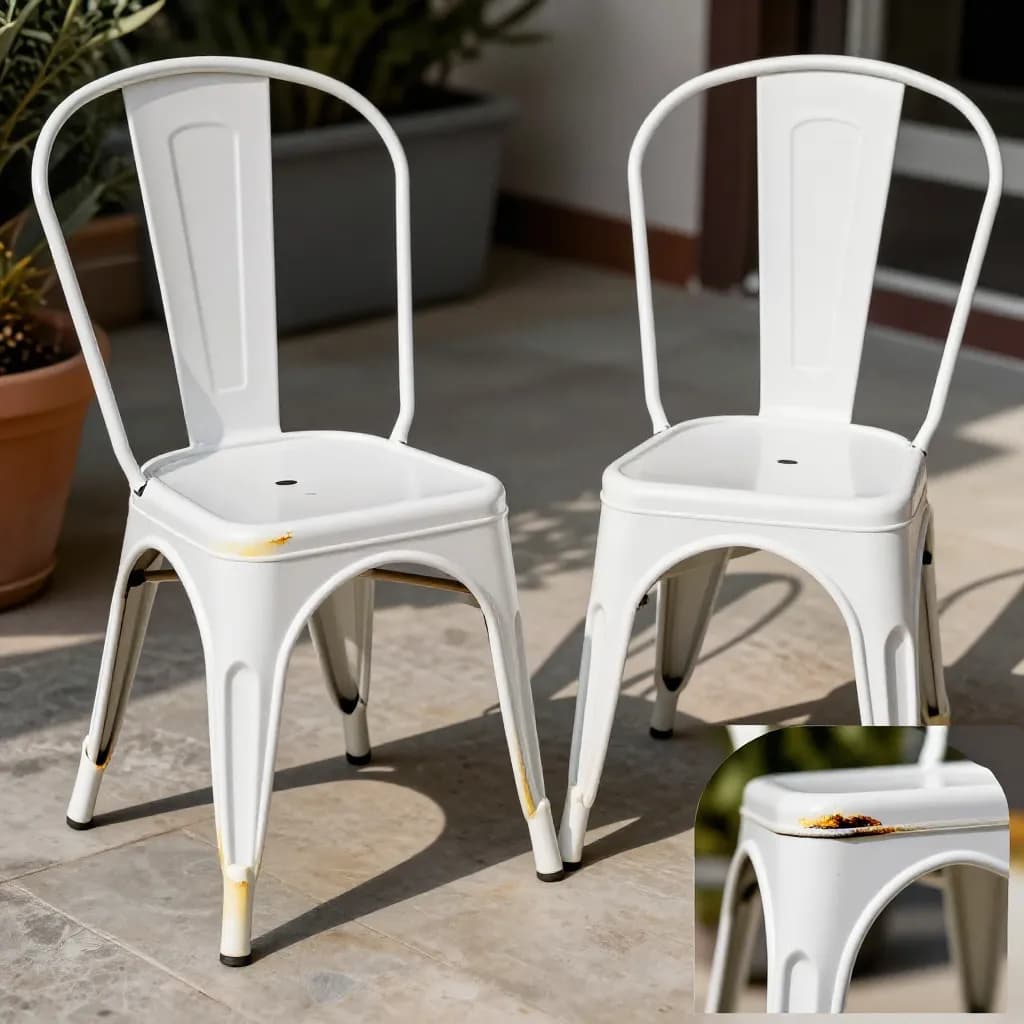
Consumers shopping for metal furniture — patio sets, dining chairs, shelving units, bed frames, office furniture, and decorative pieces — often encounter both painted and powder-coated options without fully understanding the difference. Marketing descriptions may use the terms interchangeably or provide vague descriptions like durable finish that do not help consumers make informed comparisons. Understanding the real differences between paint and powder coating empowers buyers to choose furniture that will perform as expected.
Ready to Start Your Project?
From one-off customs to 15,000-part production runs — get precise pricing in 24 hours.
On This Page
Why the Finish Matters for Metal Furniture
The comparison is particularly important for outdoor metal furniture, where the finish must withstand UV radiation, rain, humidity, temperature cycling, and physical wear from regular use. Indoor furniture faces less environmental stress but still requires a finish that resists scratching, chipping, and cleaning chemicals over years of daily use. In both contexts, the choice between paint and powder coating has measurable consequences for the furniture's longevity and the owner's maintenance burden.
How Painted Metal Furniture Is Made
Painted metal furniture is finished using liquid paint — typically spray-applied enamel, acrylic, or alkyd formulations that are either air-dried or baked in an oven. The quality of painted furniture varies enormously depending on the manufacturer's process. High-quality manufacturers use multi-stage pretreatment, primer coats, and baked enamel topcoats that provide reasonable durability. Budget manufacturers may use minimal surface preparation and single-coat air-dried paint that begins to fail within months of outdoor exposure.
The liquid painting process applies a wet film that must flow, level, and dry or cure to form the final finish. This process is susceptible to several defects — runs and sags from excessive application, orange peel from improper atomization, solvent popping from trapped solvents, and thin spots on edges and corners where liquid paint tends to pull away from sharp geometry. Skilled operators and automated spray systems can minimize these defects, but they remain inherent risks of the liquid painting process.
Film thickness for painted furniture typically ranges from 25 to 50 microns for a single coat, with multi-coat systems achieving 50 to 100 microns total. While adequate for indoor use, these film thicknesses provide limited protection in outdoor environments where UV radiation, moisture, and temperature cycling continuously attack the coating. The thinner the film, the sooner UV radiation penetrates to the metal surface and the sooner moisture finds pathways through the coating to initiate corrosion.
How Powder-Coated Metal Furniture Is Made
Powder-coated metal furniture is finished using the electrostatic powder coating process — dry powder particles are charged and sprayed onto the grounded metal furniture frame, then cured in an oven at 160 to 200 degrees Celsius to form a continuous, cross-linked polymer film. The process produces a finish that is fundamentally different from liquid paint in its thickness, density, uniformity, and durability.
The electrostatic application process provides excellent coverage on the tubular and angular geometries common in metal furniture. Charged powder particles wrap around tubes, into corners, and along edges more uniformly than liquid paint, which tends to thin on edges and pool in corners. This uniform coverage is particularly important for outdoor furniture, where thin spots in the coating become the first points of corrosion failure.
Powder coating on furniture typically achieves film thicknesses of 60 to 80 microns in a single coat — roughly double the thickness of a single coat of liquid paint. This thicker film provides a more substantial barrier against UV radiation, moisture, and mechanical damage. The cross-linked thermoset film is also denser and more chemically resistant than most air-dried paint films, providing better resistance to cleaning chemicals, sunscreen, insect repellent, and food and beverage spills that furniture surfaces routinely encounter.
Outdoor Durability: The Critical Difference
Outdoor durability is where the difference between powder coating and paint becomes most apparent on metal furniture. Outdoor furniture faces a relentless combination of UV radiation, rain, humidity, temperature swings, and physical wear that tests any finish to its limits. The finish that survives this environment longest while maintaining its appearance is the finish that delivers the best value to the furniture owner.
Powder-coated outdoor furniture, when properly manufactured with appropriate pretreatment and UV-resistant polyester powder, maintains its color and protective integrity for 5 to 10 years or more of outdoor exposure with minimal maintenance. The thick, cross-linked film resists chalking, fading, cracking, and peeling far more effectively than liquid paint. Premium outdoor furniture manufacturers specify superdurable polyester powder coatings that provide even longer color retention and weathering resistance.
Painted outdoor furniture, particularly budget-grade products with minimal pretreatment and thin paint films, can begin showing signs of failure within one to three years of outdoor exposure. Chalking, fading, cracking at stress points, and rust bubbles at edges and weld areas are common failure modes. Even well-painted furniture with baked enamel finishes typically shows noticeable degradation within three to five years of full outdoor exposure. The thinner film, lower cross-link density, and often inferior pretreatment of painted furniture simply cannot match the longevity of a quality powder coating.
Scratch and Chip Resistance
Scratch and chip resistance directly affects how furniture looks after months and years of use. Metal furniture is subject to constant minor impacts — chairs scraping against floors, tables bumping against walls, shelving units loaded and unloaded, and outdoor furniture moved and stacked for storage. Each impact tests the coating's ability to absorb damage without chipping or scratching through to the metal.
Powder coating's thicker film and cross-linked polymer structure provide superior chip resistance compared to most paint systems. The coating can absorb impacts that would chip through a thinner paint film, and its flexibility allows it to deform slightly under impact rather than cracking and flaking. This chip resistance is particularly important on chair legs, table edges, and other high-contact areas where impacts are frequent.
Paint films, being thinner and often less flexible than powder coatings, are more susceptible to chipping at impact points. Once a chip exposes bare metal, corrosion begins at the damage site and can spread beneath the surrounding paint through undercutting. On outdoor furniture, a single chip in the paint can become a visible rust spot within weeks, progressively worsening as the corrosion spreads. Powder coating's thicker film delays the onset of chipping, and its better adhesion to pretreated substrates resists the undercutting that allows corrosion to spread from damage sites.
Maintenance and Cleaning
Maintenance requirements differ significantly between painted and powder-coated furniture. Powder-coated furniture requires minimal maintenance — periodic cleaning with mild soap and water is sufficient to maintain appearance and performance for years. The hard, dense film resists staining, does not absorb dirt, and can be cleaned with standard household cleaners without damage. For outdoor furniture, an annual wash with soapy water and a soft cloth is typically all that is needed.
Painted furniture, particularly outdoor painted furniture, often requires more active maintenance to extend its service life. As the paint begins to chalk and fade, some owners apply wax or sealant to restore appearance and add a temporary protective layer. When paint begins to crack or peel, spot sanding and touch-up painting may be needed to prevent corrosion at damage sites. These maintenance activities add time and cost over the furniture's life.
The cleaning chemical resistance of powder coating is also superior to most paint finishes. Sunscreen, insect repellent, citrus-based cleaners, and alcohol-based sanitizers — all common on outdoor furniture surfaces — can soften or damage some paint finishes but have no effect on properly cured powder coatings. This chemical resistance means powder-coated furniture maintains its appearance through the real-world chemical exposures that furniture surfaces encounter daily.
Making the Right Choice When Buying Metal Furniture
When shopping for metal furniture, look for powder-coated finishes as an indicator of quality and durability. Reputable furniture manufacturers specify powder coating because it delivers the best combination of appearance, protection, and longevity for their products. Product descriptions that specifically mention powder coating — rather than vague terms like painted or finished — indicate that the manufacturer has invested in a superior finishing process.
For outdoor furniture, powder coating is essentially a requirement for acceptable longevity. The combination of UV exposure, moisture, and temperature cycling that outdoor furniture endures will defeat most paint finishes within a few years, while quality powder coating maintains its appearance and protection for five to ten years or more. The initial investment in powder-coated outdoor furniture is recovered through longer service life and reduced maintenance compared to painted alternatives.
For indoor furniture, the difference between paint and powder coating is less dramatic but still meaningful. Powder-coated indoor furniture resists scratching, chipping, and cleaning chemical damage better than painted furniture, maintaining its appearance through years of daily use. For high-traffic environments — commercial offices, restaurants, schools, and healthcare facilities — powder coating's superior durability provides measurable value through reduced replacement frequency and lower maintenance costs.
Frequently Asked Questions
How can I tell if furniture is powder coated or painted?
Powder-coated furniture typically has a thicker, more uniform finish with consistent coverage on edges and corners. The finish feels harder and more substantial than paint. Product descriptions from quality manufacturers will specifically state powder coated. If the description says only painted or finished, it is likely liquid paint.
How long does powder-coated outdoor furniture last?
Quality powder-coated outdoor furniture with proper pretreatment and UV-resistant polyester powder maintains its appearance for 5-10 years or more with minimal maintenance. Painted outdoor furniture typically shows noticeable degradation within 1-3 years for budget products and 3-5 years for quality painted finishes.
Can I repaint powder-coated furniture?
Yes. If powder-coated furniture eventually needs refinishing, it can be lightly sanded and repainted with a compatible liquid paint or professionally stripped and re-powder coated. For best results, professional re-powder coating restores the original quality of finish and protection.
Is powder-coated furniture safe for food contact?
Standard powder coatings are not specifically certified for direct food contact, though they are chemically inert once cured. For dining tables and food preparation surfaces, the powder-coated frame is not in direct food contact. Specialized food-safe powder coatings are available for applications requiring direct food contact certification.
Does powder-coated furniture rust?
Powder-coated steel furniture can eventually rust if the coating is severely damaged, exposing bare steel to moisture. However, the thick powder coating film resists damage far better than paint, and properly pretreated powder-coated furniture provides years of rust-free service. Powder-coated aluminum furniture does not rust at all.
Ready to Start Your Project?
From one-off customs to 15,000-part production runs — get precise pricing in 24 hours.