Lacquer is one of the oldest finishing materials in human history, with traditional lacquer derived from tree sap used in East Asian woodworking for thousands of years. Modern lacquer, however, refers to a fast-drying solvent-based coating that produces a hard, clear or pigmented film through solvent evaporation. The most common modern lacquer formulations are based on nitrocellulose, acrylic, or catalyzed (pre-catalyzed and post-catalyzed) resin systems, each offering different performance characteristics.
Comparison
Powder Coating vs Lacquer Finish: Clarity, Durability, and VOC Comparison
Sundial Powder Coating·April 22, 2026·11 min
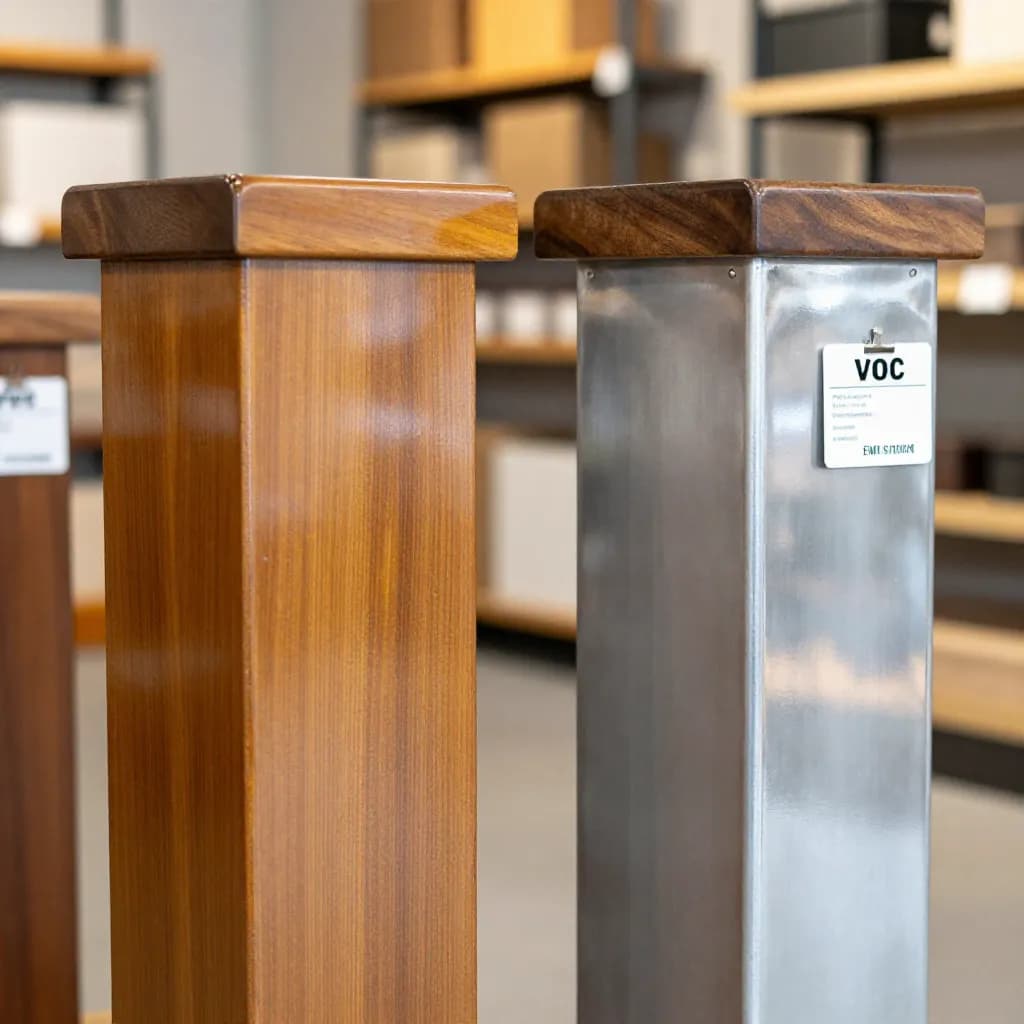
Nitrocellulose lacquer is the classic formulation, widely used in furniture finishing and musical instrument manufacturing for its warm tone, easy repairability, and the way it develops a rich patina over time. Acrylic lacquer was once the standard clear coat in automotive refinishing before being largely replaced by polyurethane and basecoat-clearcoat systems. Catalyzed lacquers are the most durable lacquer type, using an acid catalyst to cross-link the resin during curing, and are commonly used in high-end cabinet and furniture finishing.
Ready to Start Your Project?
From one-off customs to 15,000-part production runs — get precise pricing in 24 hours.
On This Page
What Is Lacquer and Where Is It Used?
Lacquer's primary advantages are its fast drying time, excellent clarity, ease of application by spray, and the ability to build up thin, even coats that can be rubbed out to a mirror-like finish. These properties have made lacquer the finish of choice for applications where visual clarity and depth are paramount — fine furniture, musical instruments, and decorative woodwork. However, lacquer's reliance on solvents and its relatively limited durability compared to modern cross-linked coatings have increasingly pushed specifiers toward alternatives like powder coating for metal applications.
How Powder Coating Compares in Application
The application methods for powder coating and lacquer are fundamentally different, and these differences have significant implications for finish quality, efficiency, and environmental impact. Lacquer is applied as a wet spray using conventional or HVLP spray guns, with each coat requiring a flash-off period for solvent evaporation before the next coat is applied. Building up a lacquer finish typically requires three to eight coats, with light sanding between coats to ensure inter-coat adhesion and a smooth final surface. The entire process can take hours to days depending on the number of coats and drying conditions.
Powder coating achieves its full film build in a single application. The electrostatically charged powder particles adhere uniformly to the grounded workpiece, and a single pass through the curing oven produces a fully cross-linked film of 60 to 120 microns — equivalent to or thicker than a multi-coat lacquer buildup. This single-coat efficiency dramatically reduces application time and eliminates the inter-coat adhesion issues that can plague multi-layer lacquer systems.
However, powder coating's application method limits it to substrates that can withstand oven curing at 160 to 200 degrees Celsius and that are electrically conductive or can be made conductive. This means powder coating is excellent for metal substrates but cannot be applied to most wood, plastic, or heat-sensitive materials using standard processes. Lacquer, being air-drying or low-temperature curing, can be applied to virtually any substrate including wood, metal, plastic, and composites, giving it broader substrate versatility.
Durability and Wear Resistance
Durability is where powder coating establishes a clear advantage over lacquer for most practical applications. A cured powder coating film is a fully cross-linked thermoset polymer that resists scratching, chipping, chemical attack, and UV degradation far more effectively than any lacquer formulation. Standard polyester powder coatings maintain their color and gloss through years of outdoor exposure, while even the best lacquer finishes will degrade, crack, and yellow when exposed to sunlight and weather.
Nitrocellulose lacquer, the most common type, is particularly vulnerable to environmental degradation. It is not cross-linked, meaning it remains soluble in its original solvents and can be softened by alcohol, acetone, and many household chemicals. It yellows with age and UV exposure, becomes brittle over time, and can crack or craze as the underlying substrate expands and contracts with temperature and humidity changes. These characteristics make nitrocellulose lacquer unsuitable for any exterior application or high-wear interior environment.
Catalyzed lacquers offer significantly better durability than nitrocellulose, with improved chemical resistance, hardness, and moisture resistance due to their cross-linked film structure. However, even catalyzed lacquers cannot match the impact resistance, flexibility, and weathering performance of powder coatings. In accelerated weathering tests, powder coatings routinely outperform catalyzed lacquers by factors of three to five in gloss retention and color stability. For any application where long-term durability is a priority, powder coating is the superior choice.
Clarity and Aesthetic Qualities
Aesthetic quality is the one area where lacquer can claim a genuine advantage over powder coating, at least for specific applications. Lacquer's exceptional clarity — particularly in clear formulations — allows the natural beauty of wood grain, figured veneers, and decorative substrates to show through with minimal distortion. The thin, even coats build up a depth and warmth that is difficult to replicate with thicker coating systems. This is why lacquer remains the preferred finish for fine furniture, high-end cabinetry, and musical instruments where the visual character of the wood is the primary design element.
Powder coating, by its nature, produces a thicker film that obscures fine surface details. While clear powder coatings exist, they do not achieve the same level of optical clarity as a well-applied lacquer finish. The thicker film and the melt-flow-cure process can introduce a slight haze or texture that is imperceptible on opaque colored finishes but noticeable when transparency is required. For applications where seeing through the coating to the substrate is important, lacquer retains an edge.
However, for opaque colored finishes on metal substrates, powder coating offers aesthetic options that lacquer cannot match. Textured finishes, metallic effects, pearlescent colors, and special effects like wrinkle and hammer-tone are all achievable with powder coating and are difficult or impossible to produce with lacquer. The design palette for powder coating is broader than lacquer for decorative metal finishing, even if lacquer excels in the specific niche of clear wood finishing.
VOC Emissions and Environmental Impact
The environmental comparison between powder coating and lacquer is stark and unambiguous. Lacquer is one of the highest-VOC finishing materials in common use. Nitrocellulose lacquer typically contains 70 to 85 percent solvents by weight, meaning that for every kilogram of lacquer applied, 700 to 850 grams of volatile organic compounds are released into the atmosphere during application and drying. Even catalyzed lacquers and compliant formulations contain significant solvent levels, typically 40 to 60 percent by weight.
Powder coating contains zero solvents and produces zero VOC emissions during application and curing. This is not a marginal difference — it is a complete elimination of an entire category of air pollution. For finishing operations processing significant volumes of product, the difference in VOC emissions between lacquer and powder coating can amount to tens or hundreds of tons of solvent emissions per year. This has direct implications for air quality permits, emission control equipment requirements, and regulatory compliance costs.
The environmental advantages extend beyond VOC emissions. Powder coating achieves 95 to 98 percent material utilization through overspray reclamation, while lacquer overspray is largely wasted. Powder coating generates no hazardous waste from solvents or paint sludge, while lacquer operations produce spent solvents, contaminated rags, and overspray waste that require hazardous waste disposal. For any operation where environmental responsibility is a priority, powder coating is the clearly superior technology.
Automotive Applications: A Shifting Landscape
The automotive industry illustrates the evolving relationship between lacquer and powder coating. Acrylic lacquer was once the standard automotive finish, prized for its ease of application, repairability, and the deep, lustrous appearance it produced on car bodies. However, acrylic lacquer has been almost entirely replaced in automotive OEM and refinish applications by polyurethane basecoat-clearcoat systems that offer far superior durability, chemical resistance, and UV protection.
Powder coating has carved out a significant role in automotive applications, though not as a direct replacement for lacquer on car bodies. Powder coating is now the standard finish for automotive wheels, engine components, suspension parts, brackets, and underbody structural components. Its superior corrosion resistance, chip resistance, and chemical resistance make it ideal for these demanding applications where the finish must withstand road debris, brake dust, salt spray, and chemical exposure.
Clear powder coatings are also gaining traction as a topcoat over metallic and decorative base coats in automotive wheel finishing, offering better chip resistance and durability than liquid clear coats. While powder coating has not replaced liquid systems for full vehicle body finishing — primarily due to the thin-film requirements and color-matching precision needed for automotive body panels — its role in automotive component finishing continues to expand as formulations improve and the industry seeks to reduce VOC emissions.
Making the Right Choice for Your Application
The choice between powder coating and lacquer depends primarily on the substrate material and the specific performance requirements of the application. For metal substrates in industrial, architectural, automotive component, and consumer product applications, powder coating is the superior choice in almost every respect — better durability, zero VOC emissions, higher material efficiency, and lower lifecycle cost. The only exception is when a very thin, optically clear coating is needed on metal for decorative purposes, where a clear lacquer may provide better visual results.
For wood substrates, lacquer remains a strong choice for interior applications where clarity, repairability, and traditional aesthetics are valued. Fine furniture, musical instruments, and high-end cabinetry benefit from lacquer's unique ability to enhance wood grain while building a thin, warm finish that can be repaired and refinished over decades of use. However, even in wood finishing, catalyzed lacquers and conversion varnishes are increasingly preferred over nitrocellulose lacquer for their improved durability.
For operations finishing metal products at any significant volume, the transition from lacquer to powder coating delivers measurable benefits in finish quality, environmental compliance, material efficiency, and worker safety. The technology has matured to the point where powder coating matches or exceeds lacquer's aesthetic capabilities for opaque finishes while dramatically outperforming it in durability and environmental performance. Where the substrate and curing requirements allow, powder coating is the modern, responsible choice.
Frequently Asked Questions
Is powder coating more durable than lacquer?
Yes, significantly. Powder coating produces a fully cross-linked thermoset film that resists scratching, chemicals, UV degradation, and impact far better than any lacquer formulation. Nitrocellulose lacquer is particularly vulnerable, remaining soluble in solvents and yellowing with age. Even catalyzed lacquers cannot match powder coating's weathering performance.
Can powder coating be applied to wood like lacquer?
Standard powder coating requires oven curing at 160-200 degrees Celsius, which most wood cannot withstand. Specialized low-temperature and UV-cure powder coatings for MDF and engineered wood products exist, but they are not yet as widely available as lacquer for wood finishing. Lacquer remains the more practical choice for most wood applications.
Why does lacquer have higher VOC emissions than powder coating?
Lacquer contains 40-85% solvents by weight that evaporate during application and drying, releasing volatile organic compounds into the atmosphere. Powder coating contains no solvents whatsoever and produces zero VOC emissions. This fundamental difference makes powder coating the environmentally superior finishing technology.
Is lacquer still used in automotive finishing?
Acrylic lacquer has been almost entirely replaced in automotive OEM and refinish applications by polyurethane basecoat-clearcoat systems. Powder coating is now the standard for automotive wheels, engine components, and underbody parts. Lacquer's poor durability and high VOC content have made it obsolete for modern automotive use.
Which finish is better for clear coating over metal?
For thin, optically clear coatings where maximum transparency is needed, lacquer can provide better clarity than clear powder coating. However, clear powder coatings offer far superior durability and are increasingly used for automotive wheels and decorative metal components where long-term performance matters more than absolute optical clarity.
Ready to Start Your Project?
From one-off customs to 15,000-part production runs — get precise pricing in 24 hours.