Hot-dip plastic coating, also known as dip coating or fluidized bed coating, is a finishing process in which a heated metal part is immersed in or exposed to a bath of thermoplastic powder or liquid plastisol, building up a thick plastic layer on the metal surface. The heat of the metal causes the plastic material to melt and fuse onto the surface, creating a continuous, relatively thick coating that provides cushioning, grip, electrical insulation, and corrosion protection.
Comparison
Powder Coating vs Hot-Dip Plastic Coating: Plastisol, Nylon, and PVC Dip Compared
Sundial Powder Coating·April 22, 2026·10 min
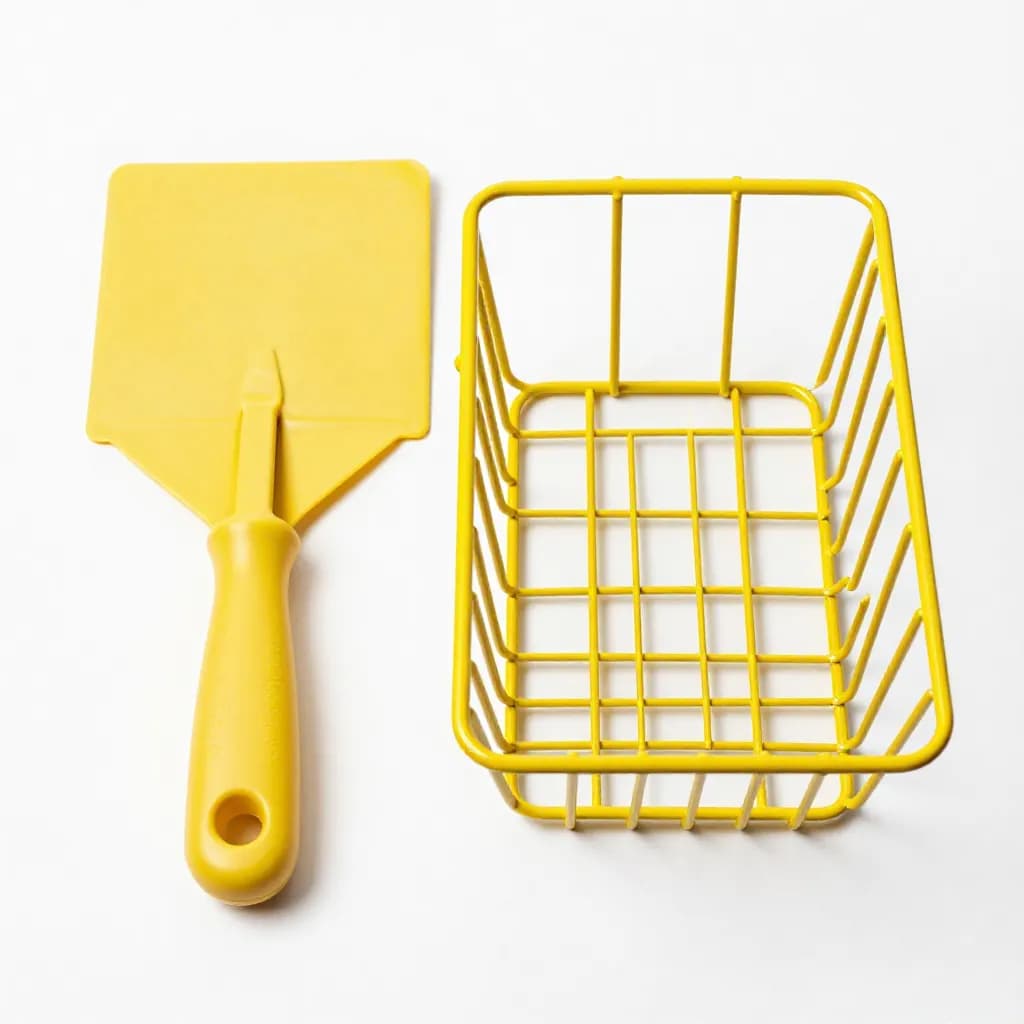
The most common hot-dip plastic coating materials are plastisol (a PVC-based liquid suspension), nylon (polyamide), polyethylene, and polypropylene. Each material offers different properties — plastisol provides a soft, cushioned, grippy surface; nylon offers excellent abrasion resistance and chemical resistance; polyethylene provides good chemical resistance and low friction; and polypropylene offers a balance of chemical resistance and rigidity.
Ready to Start Your Project?
From one-off customs to 15,000-part production runs — get precise pricing in 24 hours.
On This Page
What Is Hot-Dip Plastic Coating?
Hot-dip plastic coatings are typically much thicker than powder coatings, ranging from 200 microns to several millimeters depending on the application. This thickness is both an advantage and a limitation — it provides substantial cushioning and protection but adds significant dimensional change to the coated part, which can be problematic for precision components. Common applications include dishwasher racks, tool handles, wire shelving, medical instrument handles, playground equipment, and any product where a soft, grippy, or cushioned surface is desired.
How Powder Coating Differs in Approach
Powder coating and hot-dip plastic coating serve different primary purposes, which is essential to understand before comparing them. Powder coating is primarily a decorative and protective finish that provides a thin, hard, durable film on metal surfaces. It excels at delivering color, gloss, texture, and corrosion protection while maintaining the dimensional precision of the coated part. The typical film thickness of 60 to 120 microns adds negligible dimension to the part.
Hot-dip plastic coating is primarily a functional coating that provides cushioning, grip, insulation, or chemical containment. The thick plastic layer fundamentally changes the surface characteristics of the metal part — transforming a hard, cold metal surface into a soft, warm, grippy plastic surface. This functional transformation is the primary reason for choosing hot-dip plastic coating, with corrosion protection being a secondary benefit.
The application processes also differ significantly. Powder coating uses electrostatic spray application followed by oven curing, allowing precise control of film thickness and uniform coverage on complex geometries. Hot-dip coating involves immersing the heated part in the coating material, which naturally produces thicker coatings on areas that remain in contact with the material longer and thinner coatings on edges and points that drain more quickly. This makes hot-dip coating less precise than powder coating in terms of film thickness uniformity.
Grip, Cushioning, and Tactile Properties
Grip and cushioning are the primary reasons manufacturers choose hot-dip plastic coating over powder coating. A plastisol-coated tool handle provides a soft, comfortable grip that reduces hand fatigue and improves control during extended use. A nylon-coated dishwasher rack provides a cushioned surface that protects dishes and glassware from chipping while preventing the metal rack from rusting. These tactile and functional properties cannot be replicated by standard powder coatings.
Powder coatings cure to a hard, rigid film that feels similar to painted metal — smooth, hard, and with minimal cushioning effect. While textured powder coatings can provide some grip improvement over smooth finishes, they cannot approach the soft, cushioned feel of a plastisol or rubber dip coating. For applications where the user physically grips or handles the product, or where the coated surface must cushion impacts to protect other objects, hot-dip plastic coating is the appropriate choice.
However, for applications where a hard, durable, attractive surface is desired — furniture, architectural components, automotive parts, consumer electronics, and industrial equipment housings — powder coating is clearly superior. Its thin, hard film maintains the visual design of the product, provides a wide range of colors and finishes, and resists scratching and wear better than soft plastic dip coatings. The choice between the two technologies is driven by whether the application requires a hard decorative finish or a soft functional surface.
Corrosion and Chemical Resistance
Both powder coating and hot-dip plastic coating provide effective corrosion protection, but through different mechanisms and at different performance levels. Hot-dip plastic coatings, particularly nylon and polyethylene, provide excellent chemical resistance due to the inherent chemical inertness of the thermoplastic materials and the substantial thickness of the coating. A 500-micron nylon coating creates a formidable barrier against acids, alkalis, solvents, and salt spray that few thin-film coatings can match.
Powder coatings provide corrosion protection through a thinner but denser cross-linked thermoset film combined with a chemical pretreatment on the metal substrate. Epoxy powder coatings offer the best chemical resistance among powder coating chemistries, while polyester powder coatings provide good general corrosion resistance suitable for most architectural and consumer applications. The corrosion protection of powder coating is well-proven, with properly applied systems routinely exceeding 1000 hours of salt spray resistance.
The practical difference is that hot-dip plastic coatings provide a thicker, more damage-tolerant barrier that can withstand significant mechanical abuse without exposing the underlying metal. A plastisol-coated wire rack can be bent, flexed, and impacted repeatedly without the coating cracking or exposing bare metal. A powder-coated surface, while harder and more scratch-resistant, can be chipped or cracked by severe impact, potentially exposing the substrate to corrosion. For applications involving repeated mechanical stress and flexing, hot-dip plastic coating's thick, flexible layer provides more reliable long-term protection.
Aesthetic and Design Considerations
Aesthetic quality is where powder coating holds a decisive advantage over hot-dip plastic coating. Powder coating offers virtually unlimited color options from the RAL, NCS, and custom color systems, along with a full range of finishes including high gloss, satin, matte, metallic, pearlescent, textured, and wood-grain effects. The thin, uniform film preserves the shape and detail of the coated part, making powder coating suitable for products where visual design is important.
Hot-dip plastic coatings are available in a limited range of colors — typically black, white, red, blue, yellow, and green — with a characteristic soft, slightly glossy or matte appearance that is functional rather than decorative. The thick coating rounds off edges and fills in fine details, which can obscure the design features of the underlying part. Color matching to specific standards is more difficult with dip coatings, and the finish quality is less consistent than powder coating due to the inherent variability of the dipping process.
For consumer products where appearance drives purchasing decisions — furniture, appliances, automotive accessories, sporting goods, and electronics — powder coating provides the finish quality and design flexibility that the market demands. Hot-dip plastic coating is appropriate for products where function takes priority over appearance — industrial tool handles, wire storage systems, medical equipment, and utility products where the coating's grip, cushioning, or chemical resistance is more important than its visual appeal.
Temperature and Environmental Performance
Temperature performance varies significantly between the two coating types. Powder coatings, being thermoset polymers, maintain their properties across a wide temperature range. Standard polyester powder coatings perform well from minus 40 to plus 150 degrees Celsius, while specialized high-temperature powder coatings based on silicone or fluoropolymer chemistries can withstand temperatures up to 500 degrees Celsius or higher. This thermal stability makes powder coating suitable for engine components, exhaust systems, cookware, and industrial equipment exposed to elevated temperatures.
Hot-dip plastic coatings are thermoplastic materials that soften at elevated temperatures. Plastisol coatings begin to soften at around 70 to 80 degrees Celsius, limiting their use to ambient and mildly warm environments. Nylon coatings offer better heat resistance, maintaining their properties up to approximately 120 to 150 degrees Celsius depending on the specific nylon grade. Polyethylene and polypropylene coatings have intermediate heat resistance. None of the common hot-dip plastic materials can match the high-temperature performance of thermoset powder coatings.
For outdoor applications, powder coating's UV resistance is superior to most hot-dip plastic coatings. Plastisol and polyethylene coatings can degrade, become brittle, and crack when exposed to prolonged UV radiation unless stabilized with UV inhibitors. Polyester powder coatings are inherently UV-stable and maintain their color and flexibility through years of outdoor exposure. For products that will be used outdoors, powder coating provides more reliable long-term performance.
Choosing the Right Coating for Your Product
The choice between powder coating and hot-dip plastic coating should be driven by the primary function of the coating on the specific product. Choose hot-dip plastic coating when the product requires a soft, cushioned, or grippy surface — tool handles, dishwasher racks, wire shelving, medical instrument handles, playground equipment, and similar products where the user's tactile experience or the protection of adjacent objects is the primary concern. The thick plastic layer provides cushioning, grip, and impact absorption that powder coating cannot replicate.
Choose powder coating when the product requires a hard, durable, attractive finish with precise dimensional control — furniture, architectural components, automotive parts, consumer electronics, appliances, and industrial equipment where appearance, color selection, and surface hardness are priorities. Powder coating's thin, uniform film preserves part geometry while providing excellent corrosion protection, UV resistance, and design flexibility.
In some products, both coatings may be used on different components. A wire shelving unit might have powder-coated structural frames for appearance and corrosion resistance, with plastisol-dipped shelf surfaces for cushioning and grip. A power tool might have a powder-coated housing for durability and appearance, with a nylon-dipped handle for comfort and grip. Using each coating technology where it performs best produces a superior overall product.
Frequently Asked Questions
What is the difference between powder coating and plastisol dip coating?
Powder coating produces a thin (60-120 micron), hard, decorative finish applied electrostatically and oven-cured. Plastisol dip coating produces a thick (200+ micron), soft, cushioned finish applied by dipping heated parts into liquid PVC. Powder coating is chosen for appearance and durability; plastisol is chosen for grip, cushioning, and impact protection.
Can powder coating provide the same grip as dip coating?
No. Powder coating cures to a hard, rigid film that cannot replicate the soft, cushioned grip of plastisol or rubber dip coatings. Textured powder coatings can improve grip slightly compared to smooth finishes, but for applications requiring a comfortable, non-slip grip surface, hot-dip plastic coating is the appropriate choice.
Which coating is better for dishwasher racks?
Hot-dip plastic coating — typically plastisol or nylon — is the standard for dishwasher racks because it provides cushioning to protect dishes, flexibility to withstand rack movement, and chemical resistance to withstand detergents and hot water. Powder coating would be too hard and rigid for this application.
Is powder coating more heat-resistant than dip coating?
Yes. Standard polyester powder coatings perform well up to 150 degrees Celsius, and specialized formulations can withstand 500 degrees or higher. Plastisol softens at 70-80 degrees Celsius, and nylon coatings are limited to about 120-150 degrees. For elevated temperature applications, powder coating is the better choice.
Can you powder coat over a dip-coated surface?
This is not a standard practice. The thick thermoplastic dip coating would need to be completely removed before powder coating could be applied. The two technologies serve different purposes and are not typically used as layers in the same coating system. Choose one based on the primary functional requirement of the application.
Ready to Start Your Project?
From one-off customs to 15,000-part production runs — get precise pricing in 24 hours.