Black oxide is a chemical conversion coating that produces a thin, black magnetite layer on the surface of ferrous metals — primarily steel and iron. The process involves immersing clean metal parts in a hot alkaline solution containing sodium hydroxide, nitrates, and nitrites at temperatures of 140 to 150 degrees Celsius. The chemical reaction converts the surface iron into magnetite (Fe3O4), a black iron oxide that is integral to the metal surface rather than being an applied layer on top of it.
Comparison
Powder Coating vs Black Oxide Finish: Firearms, Tools, and Dimensional Stability
Sundial Powder Coating·April 22, 2026·10 min
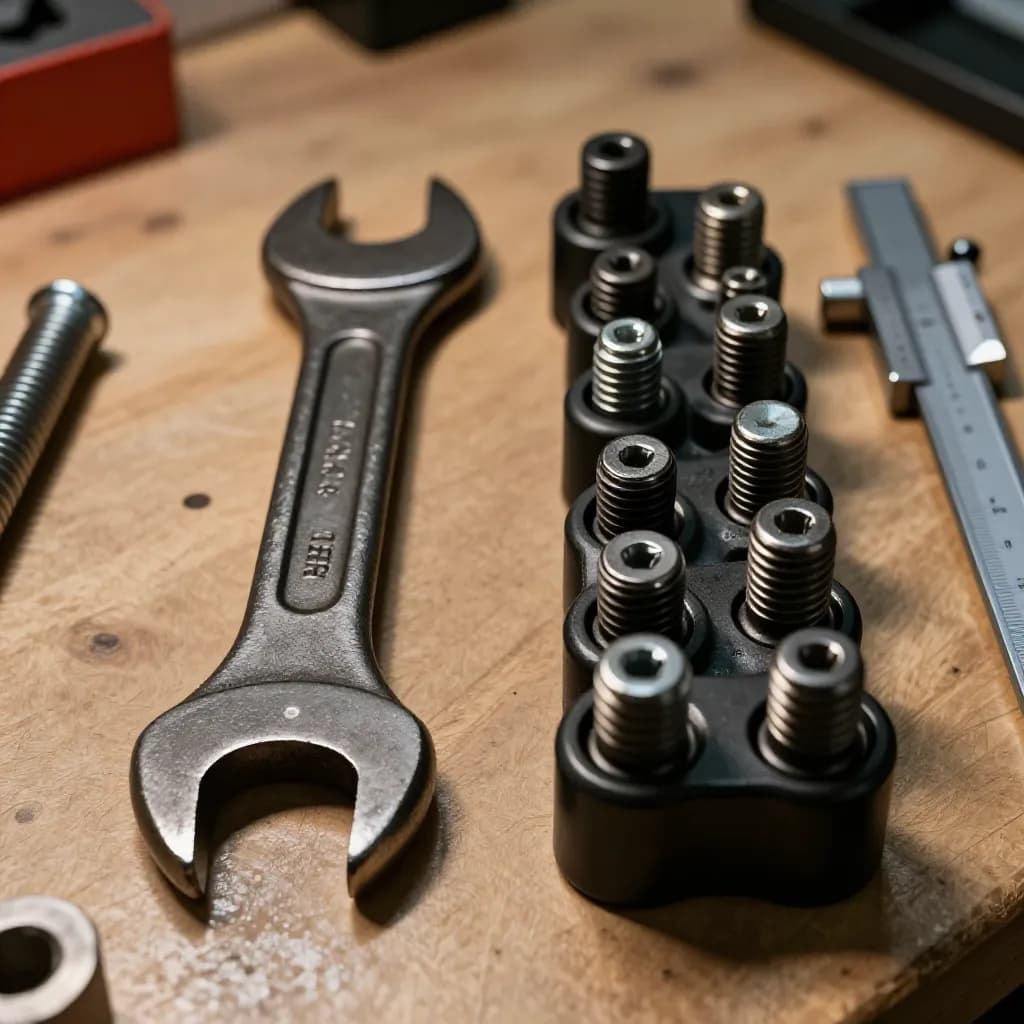
The resulting black oxide layer is extremely thin — typically 0.5 to 2.5 microns — which means it adds virtually no dimensional change to the treated part. This is the primary reason black oxide is specified for precision components such as gears, bearings, fasteners, measuring instruments, and firearm components where even a few microns of added thickness could affect fit and function. The coating must be sealed with oil, wax, or lacquer after formation to provide meaningful corrosion protection, as the porous oxide layer alone offers only minimal barrier against moisture.
Ready to Start Your Project?
From one-off customs to 15,000-part production runs — get precise pricing in 24 hours.
On This Page
What Is Black Oxide Finishing?
Black oxide has been used for over a century in manufacturing and is valued for its combination of attractive matte black appearance, dimensional neutrality, reduced light reflection, and improved lubricity when oil-sealed. It is one of the most common finishes for hand tools, drill bits, taps, dies, and precision mechanical components where a functional black finish is needed without any dimensional change.
Powder Coating's Approach to Black Finishes
Powder coating achieves black finishes through pigmentation rather than chemical conversion. Black powder coatings are available in a wide range of formulations — gloss black, satin black, matte black, textured black, and metallic black — each offering different aesthetic effects while providing the full protective performance of the powder coating system. The black color is achieved through carbon black, iron oxide, or other black pigments dispersed in the powder resin.
Unlike black oxide, powder coating adds a substantial layer to the part surface — typically 60 to 120 microns. This thickness provides excellent corrosion protection, UV resistance, and mechanical durability, but it also changes the dimensions of the coated part significantly. For precision components with tight tolerances, this dimensional addition can be problematic and may require masking of critical surfaces or adjustment of part dimensions to account for the coating thickness.
The visual appearance of black powder coating differs from black oxide. Powder coating produces a uniform, opaque black finish that completely covers the underlying metal surface and any surface texture or machining marks. Black oxide, being a conversion of the surface metal itself, preserves the underlying surface texture and machining marks, giving the part a more industrial, metallic character. The choice between the two often depends on whether the application requires the precision and metallic character of black oxide or the robust protection and uniform appearance of powder coating.
Corrosion Resistance: A Clear Powder Coating Advantage
Corrosion resistance is the area where powder coating most decisively outperforms black oxide. Black oxide alone provides minimal corrosion protection — the thin, porous magnetite layer offers only a slight improvement over bare steel. When sealed with oil or wax, black oxide provides moderate corrosion resistance suitable for indoor environments and short-term outdoor exposure, but it cannot withstand prolonged moisture exposure, salt spray, or aggressive chemical environments without supplemental protection.
In salt spray testing, oil-sealed black oxide typically provides 2 to 8 hours of protection before red rust appears — a performance level that is adequate for tools stored in a toolbox but insufficient for any outdoor or corrosive environment. By comparison, properly applied powder coatings routinely achieve 500 to over 1000 hours of salt spray resistance, representing a performance difference of two orders of magnitude.
This dramatic difference in corrosion resistance makes powder coating the clear choice for any application where the finished part will be exposed to moisture, humidity, outdoor weather, or corrosive chemicals. Outdoor furniture, architectural components, automotive parts, marine hardware, and industrial equipment all require the level of corrosion protection that only powder coating (or other thick-film coatings) can provide. Black oxide is appropriate only for indoor applications, oil-immersed components, or situations where the part will receive regular oil or wax maintenance to maintain its corrosion resistance.
Firearms and Weapons Applications
The firearms industry uses both black oxide and powder coating, but for different components and purposes. Black oxide — often marketed as bluing in the firearms context, though technically a different process — has been a traditional firearm finish for over a century. It provides an attractive, non-reflective black appearance that reduces glare, improves grip when oiled, and preserves the dimensional precision of slides, barrels, and action components where tight tolerances are essential for reliable function.
Powder coating has gained significant popularity in the firearms industry, particularly for frames, receivers, handguards, and accessories where the thicker coating does not interfere with mechanical function. Powder-coated firearm components offer dramatically better corrosion resistance, abrasion resistance, and chemical resistance than black oxide finishes. The wide range of available colors has also made powder coating popular for custom and tactical firearms where color coordination or camouflage patterns are desired.
The practical approach in modern firearms manufacturing often combines both finishes on the same weapon. Precision-fit components such as slides, barrels, and bolt carriers may receive black oxide or similar thin-film treatments to maintain dimensional precision, while frames, receivers, and external accessories receive powder coating for maximum durability and corrosion protection. This combined approach leverages the dimensional neutrality of black oxide where it matters and the superior protection of powder coating where thickness is not a constraint.
Tool and Hardware Applications
Hand tools and hardware represent another major application area where black oxide and powder coating compete. Black oxide is the traditional finish for drill bits, taps, dies, wrenches, sockets, and other precision tools where the coating must not affect the tool's dimensions or cutting geometry. The thin oxide layer also reduces friction and improves chip flow on cutting tools, providing a functional benefit beyond appearance.
Powder coating is increasingly used for tool handles, tool bodies, and non-precision surfaces of hand tools and power tools. The thick, durable powder coating film provides a comfortable grip surface, protects against corrosion during storage, and allows color coding for tool identification. Many modern hand tools feature a combination of black oxide on working surfaces and powder coating on handles and bodies.
For tool storage and organization products — toolboxes, tool chests, pegboard accessories, and workshop furniture — powder coating is the standard finish. These products require a durable, attractive finish that resists scratching, chipping, and corrosion through years of workshop use. The thick powder coating film provides this durability while offering the color options needed for product differentiation and brand identity. Black oxide would be inadequate for these applications due to its minimal corrosion resistance and limited aesthetic options.
Dimensional Stability and Precision
Dimensional stability is black oxide's defining advantage and the primary reason it is specified over powder coating for precision components. The 0.5 to 2.5 micron black oxide layer adds negligible dimension to the treated part — a 25.000 millimeter shaft will measure approximately 25.001 to 25.005 millimeters after black oxide treatment. This allows engineers to specify black oxide on finished, precision-machined components without adjusting tolerances or masking critical surfaces.
Powder coating's 60 to 120 micron film thickness represents a significant dimensional addition. A 25.000 millimeter shaft would measure approximately 25.120 to 25.240 millimeters after powder coating — an increase that would prevent the shaft from fitting into a precision bore designed for the uncoated dimension. For components that must maintain precise fits, clearances, and tolerances, powder coating requires either masking of critical surfaces or pre-machining the part undersize to account for the coating thickness.
For applications where dimensional precision is not critical — structural components, housings, enclosures, furniture, and decorative items — powder coating's thickness is an advantage rather than a limitation, providing a thicker protective barrier and a more substantial, higher-quality feel. The choice between black oxide and powder coating for dimensional reasons is straightforward: if the part has precision tolerances that cannot accommodate 60+ microns of coating, black oxide or another thin-film treatment is necessary. If dimensional tolerance allows for the coating thickness, powder coating provides far superior protection and appearance.
Making the Right Finish Selection
Select black oxide when the application requires dimensional neutrality on precision components, when the part will operate in an oiled or lubricated environment that maintains the oxide's corrosion resistance, or when the traditional metallic black appearance of conversion-coated steel is the desired aesthetic. Typical black oxide applications include precision gears, bearings, fasteners, cutting tools, measuring instruments, and firearm action components.
Select powder coating when the application requires robust corrosion protection, UV resistance, color options, or a durable decorative finish. Powder coating is the right choice for any component that will be exposed to outdoor weather, moisture, chemicals, or significant mechanical wear. Its thick film provides protection that black oxide simply cannot match, and its range of colors and finishes provides design flexibility that black oxide's single matte black appearance cannot offer.
For products that include both precision and non-precision components, consider using both finishes in their respective areas of strength. This combined approach is standard practice in firearms, power tools, and precision machinery, where black oxide protects precision surfaces without dimensional change while powder coating provides durable, attractive protection on housings, frames, and external surfaces. The result is a product that maintains its mechanical precision while offering the corrosion resistance and visual quality that modern markets demand.
Frequently Asked Questions
Does black oxide add thickness to parts like powder coating does?
Black oxide adds only 0.5-2.5 microns to part dimensions, which is negligible for most applications. Powder coating adds 60-120 microns, which is significant for precision components. This dimensional neutrality is the primary reason black oxide is specified for gears, bearings, and other precision parts.
Is powder coating more corrosion-resistant than black oxide?
Yes, dramatically. Powder coating achieves 500-1000+ hours of salt spray resistance, while oil-sealed black oxide typically provides only 2-8 hours. For any application involving moisture, outdoor exposure, or corrosive environments, powder coating provides far superior protection.
Can you powder coat a firearm?
Yes. Powder coating is widely used on firearm frames, receivers, handguards, and accessories for superior corrosion and abrasion resistance. However, precision-fit components like slides and barrels often use thinner finishes like black oxide to maintain dimensional tolerances critical for reliable function.
Why are drill bits black oxide coated instead of powder coated?
Drill bits require a coating that does not change their cutting geometry or dimensions. Black oxide's 0.5-2.5 micron thickness preserves the precise cutting edges and flute geometry, while also reducing friction and improving chip flow. Powder coating's 60-120 micron thickness would completely alter the tool's dimensions and function.
Does black oxide need to be maintained?
Yes. Black oxide alone provides minimal corrosion protection and must be sealed with oil, wax, or lacquer after application. Regular re-oiling is recommended for parts in storage or intermittent use. Powder coating requires no such maintenance — its thick polymer film provides long-term protection without supplemental treatments.
Ready to Start Your Project?
From one-off customs to 15,000-part production runs — get precise pricing in 24 hours.