Tropical climates present one of the most demanding environments for any surface coating system. Defined by consistently high temperatures averaging 25-35°C, relative humidity frequently exceeding 85%, intense solar radiation with UV indices regularly reaching 11-14, and annual rainfall often surpassing 2,000 mm, the tropics subject powder-coated surfaces to simultaneous attack from multiple degradation mechanisms. Regions spanning Southeast Asia, Central Africa, the Caribbean, Central America, and northern Australia all share these aggressive conditions.
Technical
Powder Coating Performance in Tropical Climates: Humidity, UV, and Biological Growth
Sundial Powder Coating·April 22, 2026·12 min
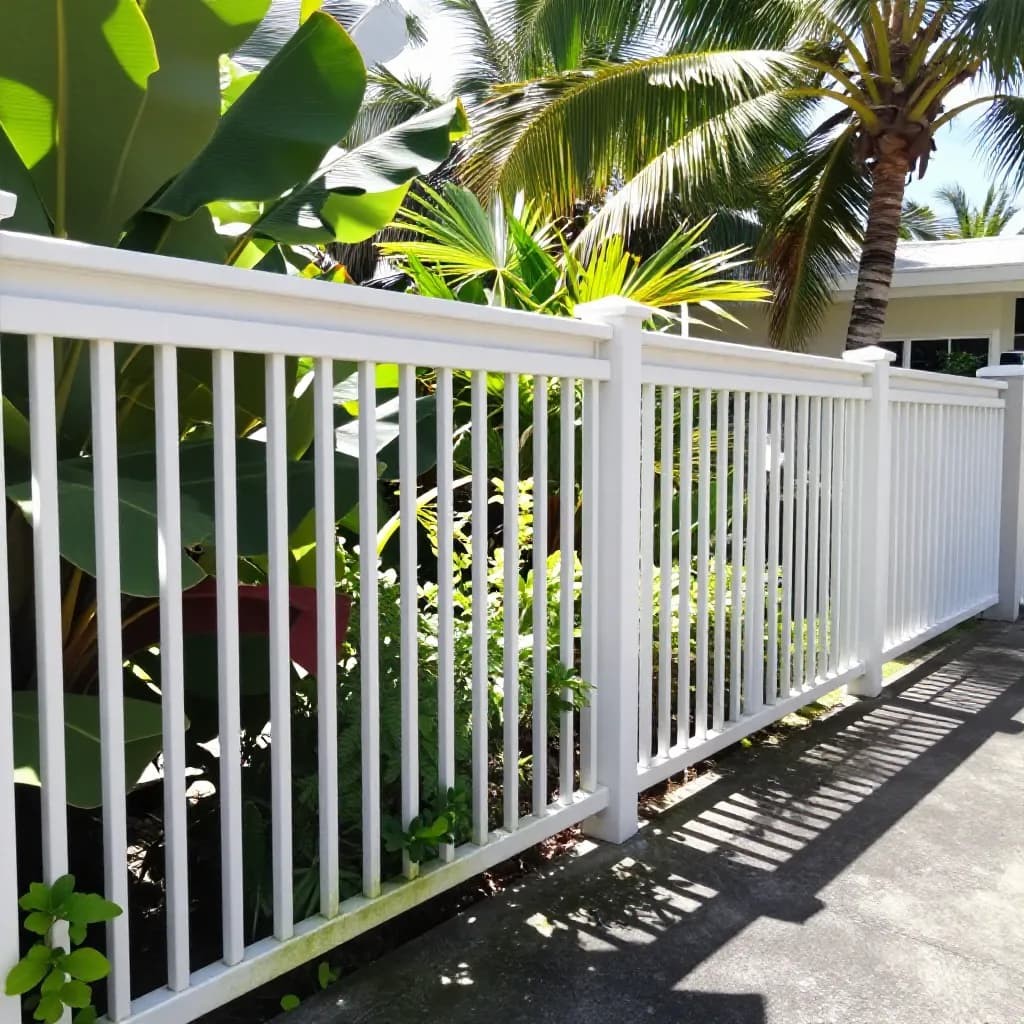
The combination of heat and moisture accelerates virtually every form of coating degradation. Hydrolysis — the chemical breakdown of polymer chains by water molecules — proceeds faster at elevated temperatures, potentially weakening the binder matrix of the coating over time. Simultaneously, intense UV radiation drives photodegradation of the organic resin, causing chalking, gloss loss, and eventual color fading. These two mechanisms work synergistically: UV damage creates micro-cracks that allow moisture penetration, which in turn accelerates further degradation from within the film.
Ready to Start Your Project?
From one-off customs to 15,000-part production runs — get precise pricing in 24 hours.
On This Page
The Tropical Challenge for Powder Coatings
Biological growth adds a third dimension to the tropical challenge. Algae, fungi, and lichens thrive in warm, humid conditions and readily colonize surfaces that retain moisture. While biological growth on powder-coated surfaces is primarily an aesthetic concern, the organic acids produced by these organisms can attack the coating-substrate interface over time, potentially compromising adhesion and creating pathways for corrosion of the underlying metal.
Humidity and Moisture Effects on Coating Integrity
Sustained high humidity is the defining characteristic of tropical climates and the primary driver of coating degradation in these regions. When relative humidity consistently exceeds 80%, moisture vapor permeates through the powder coating film and accumulates at the coating-substrate interface. This moisture accumulation can initiate osmotic blistering, where water molecules migrate through the coating toward soluble salts or contaminants trapped beneath the film, creating localized pressure that lifts the coating from the substrate.
The rate of moisture permeation through a powder coating film depends on several factors: film thickness, resin chemistry, crosslink density, and the presence of barrier pigments. Polyester powder coatings, the most common chemistry for architectural applications, have moderate moisture vapor transmission rates. In tropical environments, specifying a minimum film thickness of 80 microns — rather than the standard 60 microns — provides a significantly longer diffusion path for moisture and measurably improves long-term performance.
Condensation cycling presents an additional challenge. In tropical regions, nighttime cooling frequently drops surface temperatures below the dew point, causing condensation to form on powder-coated surfaces. This daily wet-dry cycling accelerates corrosion at any point where the coating has been compromised — scratches, edges, fastener holes, or areas of insufficient film build. The continuous presence of an electrolyte film on the surface drives electrochemical corrosion processes that can undercut the coating from defect points, leading to progressive adhesion loss and visible corrosion staining.
For immersion or semi-immersion applications in tropical environments, epoxy-polyester hybrid or pure epoxy powder coatings offer superior moisture resistance due to their lower permeability and stronger adhesion to metal substrates.
UV Intensity and Photodegradation in the Tropics
Solar UV radiation in tropical regions is substantially more intense than in temperate climates. The near-vertical solar angle, thinner ozone layer at equatorial latitudes, and minimal seasonal variation mean that tropical surfaces receive 30-50% more annual UV energy than equivalent surfaces in northern Europe or the northern United States. UV indices of 11-14 are routine, compared to summer peaks of 6-8 in temperate zones.
This elevated UV exposure accelerates photodegradation of the organic resin in powder coatings. The mechanism involves UV photons breaking chemical bonds in the polymer backbone, generating free radicals that propagate chain scission reactions. The visible result is chalking — the formation of a loose, powdery layer of degraded resin and exposed pigment particles on the coating surface. Chalking reduces gloss, alters color appearance, and progressively thins the effective coating film.
Resin selection is critical for tropical UV performance. Standard polyester powder coatings based on TGIC or HAA crosslinkers provide good UV resistance for temperate climates but may show accelerated chalking in tropical conditions. Super-durable polyester formulations, which use UV-stabilized resin systems with enhanced HALS (hindered amine light stabilizer) and UVA (UV absorber) packages, are strongly recommended for tropical exterior applications. These formulations are designed to pass 3,000+ hours of accelerated weathering testing and maintain acceptable gloss retention over 15-20 years of tropical exposure.
Fluoropolymer powder coatings — FEVE and PVDF-based systems — offer the ultimate UV resistance for tropical applications, with proven performance exceeding 30 years in equatorial conditions. However, their higher material cost limits their use to premium architectural projects where maximum longevity is required.
Biological Growth: Algae, Fungi, and Lichens
Biological colonization of powder-coated surfaces is a significant concern in tropical environments. The warm, humid conditions that characterize the tropics are ideal for the growth of algae, fungi, lichens, and mosses on building facades, infrastructure, and outdoor equipment. While powder coatings are inherently resistant to biological attack — the cured thermoset film does not provide nutrients for microbial growth — surface contamination with dust, pollen, and organic debris creates a substrate layer that supports biological colonization.
Algae are typically the first colonizers, appearing as green or dark staining on surfaces that remain damp for extended periods. North-facing facades in the southern hemisphere and south-facing facades in the northern hemisphere are particularly susceptible, as they receive less direct sunlight and retain moisture longer. Textured powder coating finishes, while aesthetically desirable, provide more surface area and micro-niches for biological attachment compared to smooth, glossy finishes.
Fungal growth presents a more persistent challenge. Tropical fungi produce melanin pigments that cause dark staining difficult to remove without aggressive cleaning. Some fungal species produce organic acids — oxalic, citric, and gluconic acids — that can etch the coating surface and, over extended periods, compromise the coating-substrate bond. Lichens, which are symbiotic organisms combining fungi and algae, are particularly tenacious and can physically penetrate micro-defects in the coating surface.
Antimicrobial powder coating additives based on silver ion technology, zinc pyrithione, or isothiazolinone compounds can significantly reduce biological colonization rates. These additives are incorporated into the powder formulation during manufacture and provide sustained antimicrobial activity over the coating's service life. For tropical applications where biological growth is a primary concern, specifying antimicrobial powder coatings can substantially reduce cleaning frequency and maintain aesthetic appearance.
Pretreatment Strategies for Tropical Environments
Pretreatment — the chemical or mechanical preparation of the metal substrate before powder coating — is arguably the most critical factor determining coating longevity in tropical climates. The aggressive moisture and temperature conditions of the tropics ruthlessly expose any weakness in the pretreatment layer, making the difference between a coating system that lasts 20 years and one that fails within 5.
For aluminum substrates in tropical environments, chrome-free conversion coatings based on titanium or zirconium chemistry have become the standard, replacing traditional chromate processes for environmental and health reasons. These thin-film conversion coatings — typically 20-50 nm thick — provide a chemically bonded interface layer that dramatically improves powder coating adhesion and corrosion resistance. Multi-stage pretreatment processes incorporating alkaline cleaning, acid etching, and conversion coating application deliver the most reliable results.
For steel substrates, iron phosphate pretreatment provides a minimum acceptable level of corrosion protection in tropical conditions, but zinc phosphate is strongly preferred for its superior barrier properties and cathodic protection contribution. The crystalline zinc phosphate layer, typically 2-5 microns thick, provides both a mechanical key for coating adhesion and an electrochemical barrier that slows corrosion propagation at defect points.
Qualicoat Class 2 pretreatment — which requires a minimum conversion coating weight and enhanced adhesion testing — should be specified as a baseline for all tropical architectural applications. For coastal tropical environments, where salt spray compounds the humidity challenge, Qualicoat Seaside certification provides additional assurance of pretreatment quality and coating system performance. The investment in premium pretreatment consistently delivers the highest return in tropical service conditions.
Resin Chemistry Selection for Tropical Service
Selecting the correct resin chemistry is fundamental to achieving acceptable powder coating performance in tropical climates. The three primary resin families — polyester, epoxy, and fluoropolymer — each offer distinct advantages and limitations that must be matched to the specific tropical application.
Super-durable polyester powder coatings represent the best balance of performance and economy for most tropical exterior applications. These formulations use specially selected polyester resins with enhanced UV stability, combined with high-performance HALS and UVA stabilizer packages. They typically achieve gloss retention above 50% after 3,000 hours of accelerated weathering (ASTM G154 or ISO 16474-3) and maintain color stability within Delta E 3-5 over 15-20 years of tropical exposure. For architectural aluminum, super-durable polyesters meeting Qualicoat Class 2 or AAMA 2604/2605 specifications are the recommended baseline.
Epoxy powder coatings offer excellent adhesion, chemical resistance, and moisture barrier properties but are unsuitable for tropical exterior applications due to their poor UV resistance. Epoxy coatings chalk rapidly when exposed to direct sunlight, losing both gloss and color within months. However, epoxy primers used beneath polyester topcoats in duplex systems provide outstanding corrosion protection for steel substrates in tropical environments.
Fluoropolymer powder coatings — particularly FEVE (fluoroethylene vinyl ether) systems — deliver the ultimate weathering performance for tropical conditions. Their carbon-fluorine bonds are among the strongest in organic chemistry, providing exceptional resistance to UV degradation, hydrolysis, and chemical attack. FEVE powder coatings routinely maintain gloss retention above 80% after 20+ years of tropical exposure, making them the preferred choice for landmark architectural projects, high-rise facades, and infrastructure with extended maintenance intervals.
Color Selection and Stability in Tropical Conditions
Color selection for tropical powder coating applications requires careful consideration of both aesthetic preferences and long-term stability. Not all pigments respond equally to the intense UV radiation and high temperatures characteristic of tropical climates, and poor color choices can result in premature fading, color shift, or chalking that undermines the building's appearance.
Inorganic pigments — iron oxides, titanium dioxide, chromium oxide green, and cobalt blue — offer the highest UV stability and are strongly recommended for tropical exterior applications. These mineral-based pigments are inherently resistant to photodegradation because their color is derived from electronic transitions within stable crystal structures rather than from organic chromophores that can be broken by UV energy. Earth tones, whites, grays, and muted blues and greens based on inorganic pigments maintain excellent color stability over decades of tropical exposure.
Organic pigments, which provide the brightest and most saturated colors, are inherently less UV-stable than their inorganic counterparts. Bright reds, oranges, yellows, and violets based on organic pigments will fade more rapidly in tropical conditions. However, modern high-performance organic pigments — such as DPP (diketopyrrolopyrrole) reds and quinacridone magentas — offer significantly improved lightfastness compared to earlier generations and can provide acceptable tropical performance when formulated into super-durable polyester systems.
Dark colors present an additional challenge in tropical environments: solar heat absorption. A dark-colored powder-coated surface in direct tropical sunlight can reach temperatures of 80-90°C, well above the glass transition temperature of standard polyester coatings (typically 60-70°C). This thermal stress can cause softening, reduced hardness, and accelerated aging. For dark tropical applications, specifying powder coatings with elevated glass transition temperatures or incorporating infrared-reflective pigments can mitigate heat-related degradation.
Maintenance and Inspection in Tropical Environments
Effective maintenance programs are essential to maximizing powder coating service life in tropical climates. The aggressive environmental conditions mean that even well-specified coating systems require regular attention to achieve their full performance potential. A structured maintenance program combining periodic cleaning, visual inspection, and targeted repair can extend coating service life by 30-50% compared to a neglect-until-failure approach.
Cleaning frequency in tropical environments should be higher than in temperate climates — typically every 6-12 months rather than the 12-24 month intervals common in northern Europe. Cleaning removes accumulated dirt, biological growth, and atmospheric contaminants that can trap moisture against the coating surface and accelerate degradation. Mild alkaline detergents (pH 8-10) applied with soft brushes or low-pressure washing are recommended. High-pressure washing above 50 bar should be avoided as it can damage the coating film, particularly at edges and joints.
Visual inspection should accompany each cleaning cycle, with particular attention to known vulnerability points: cut edges, fastener locations, drainage channels, and areas of mechanical contact. Early detection of coating defects — blistering, cracking, chalking, or corrosion staining — allows targeted repair before damage propagates. Touch-up using air-dry liquid coatings matched to the original powder coating color can effectively arrest localized degradation.
For large-scale tropical projects, establishing a coating condition monitoring program using standardized assessment methods such as ISO 4628 (evaluation of degradation of coatings) provides objective data for maintenance planning. Documenting coating condition over time enables prediction of remaining service life and optimal scheduling of recoating interventions, avoiding both premature recoating and costly emergency repairs.
Frequently Asked Questions
How long does powder coating last in tropical climates?
Super-durable polyester powder coatings typically last 15-20 years in tropical climates with proper pretreatment and maintenance. Fluoropolymer (FEVE) coatings can exceed 25-30 years. Standard polyester formulations may show significant degradation within 8-12 years due to the combined effects of intense UV, high humidity, and biological growth.
What is the best powder coating type for tropical humidity?
Super-durable polyester powder coatings with a minimum film thickness of 80 microns are recommended for most tropical exterior applications. For immersion or high-moisture environments, epoxy primers beneath polyester topcoats provide superior moisture barrier properties. Fluoropolymer coatings offer the best overall tropical performance but at higher material cost.
How do you prevent algae and mold on powder-coated surfaces in the tropics?
Specify smooth, glossy finishes that resist biological attachment, use antimicrobial powder coating additives based on silver ion or zinc pyrithione technology, and implement regular cleaning every 6-12 months. Ensuring adequate drainage and avoiding moisture-trapping design details also reduces biological colonization risk.
What pretreatment is needed for powder coating in tropical environments?
For aluminum, multi-stage chrome-free pretreatment with titanium or zirconium conversion coatings meeting Qualicoat Class 2 requirements is recommended. For steel, zinc phosphate pretreatment provides superior tropical performance compared to iron phosphate. Qualicoat Seaside certification is advised for coastal tropical locations.
Do dark colors perform poorly in tropical climates?
Dark colors absorb more solar radiation and can reach surface temperatures of 80-90°C in tropical sunlight, exceeding the glass transition temperature of standard polyester coatings. This accelerates aging and can cause softening. Specifying coatings with elevated glass transition temperatures or infrared-reflective pigments mitigates this issue.
Ready to Start Your Project?
From one-off customs to 15,000-part production runs — get precise pricing in 24 hours.