Transit stations and platforms operate in conditions that test every architectural finish to its limits. Vandalism is a persistent challenge, with graffiti, scratched surfaces, and deliberate damage occurring daily across networks worldwide. Weather exposure ranges from full outdoor conditions on surface platforms to the humid, polluted atmosphere of underground stations, where train movements create turbulent airflows that accelerate the deposition of brake dust and particulate matter on every surface.
Architecture
Powder Coating for Transit Stations, Platforms, and Shelters
Sundial Powder Coating·April 20, 2026·9 min
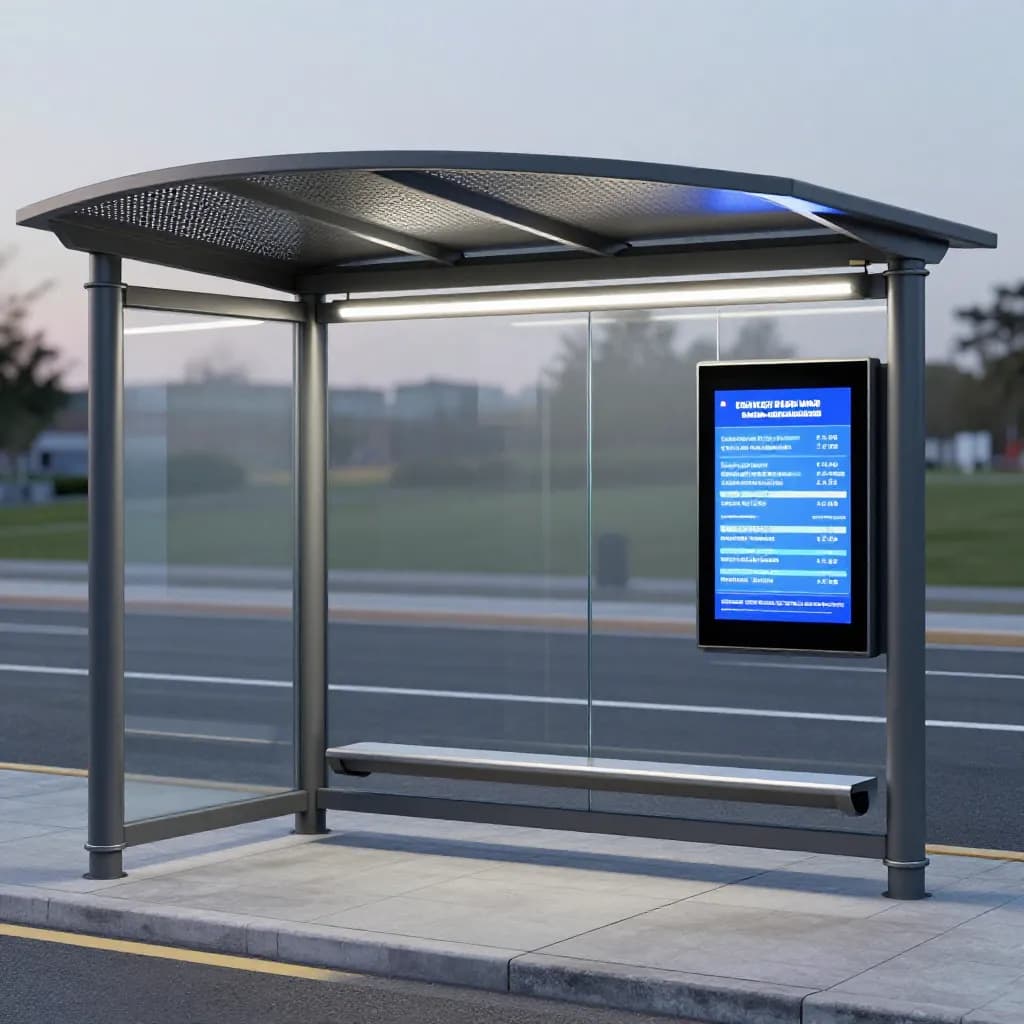
Public access is continuous, with stations serving passengers from early morning until late at night, seven days a week. This relentless traffic means that every railing, bench, shelter panel, and signage element is subject to constant physical contact, accidental impacts, and the general wear that millions of annual passenger journeys inflict on infrastructure.
Ready to Start Your Project?
From one-off customs to 15,000-part production runs — get precise pricing in 24 hours.
On This Page
Transit Infrastructure Demands
Cleaning regimes in transit environments are necessarily aggressive. Stations must be cleaned quickly during short overnight maintenance windows, using industrial cleaning agents and pressure washing equipment that can strip inadequate coatings from metal surfaces. The coating system must withstand these cleaning methods without degradation, maintaining both its protective properties and its visual appearance through thousands of cleaning cycles.
Components to Coat in Transit Environments
Transit stations contain a wide variety of metal components that require durable, protective finishes. Platform furniture, including benches, leaning rails, and windbreaks, must withstand continuous public use and frequent cleaning while maintaining an appearance that reflects well on the transit operator. Shelter structures, whether simple canopies or fully enclosed waiting areas, face weather exposure on their exterior surfaces and passenger contact on their interior faces.
Railings and handrails throughout stations, on staircases, escalators, and platform edges, are among the most heavily used components in any public building. These elements are gripped, leaned on, and impacted by bags and luggage thousands of times daily, requiring a coating that resists both abrasion and the oils and salts transferred from human hands.
Signage systems, including route maps, directional signs, and information displays, must maintain legibility and color accuracy over many years of exposure. Ticket machine housings and validator enclosures face both weather exposure and the mechanical stress of millions of annual transactions. All of these components benefit from the robust, long-lasting protection that powder coating provides at 60-120 microns.
Anti-Graffiti and Vandal-Resistant Finishes
Graffiti and vandalism represent a significant operational challenge for transit operators worldwide. The visual impact of graffiti on stations affects passenger perception of safety and service quality, making rapid removal essential. Anti-graffiti powder coatings are specifically formulated to address this challenge, featuring a low surface energy that prevents spray paint, marker pen, and adhesive materials from bonding permanently to the coated surface.
When graffiti is applied to an anti-graffiti powder-coated surface, it can be removed using standard cleaning solvents without damaging the underlying finish. This allows maintenance teams to restore surfaces to their original condition quickly and repeatedly, without the progressive degradation that occurs when graffiti is removed from conventional paint finishes. The coating maintains its protective and aesthetic properties through dozens of graffiti removal cycles.
Beyond graffiti resistance, the inherent toughness of powder coating at 60-120 microns provides excellent resistance to scratched vandalism and deliberate surface damage. The thick, hard film is far more difficult to penetrate than the 25-50 micron films of liquid paint, and minor surface scratches do not expose the metal substrate to corrosion. This combination of graffiti resistance and mechanical toughness makes powder coating the preferred finish for transit infrastructure in high-vandalism environments.
Wayfinding Through Color: Line Colors and Zone Identification
Color is a fundamental wayfinding tool in transit systems. Line colors, zone identifiers, and directional color coding help passengers navigate complex station environments quickly and intuitively. These colors must be applied consistently across all station components — from platform furniture and shelter panels to railings, signage frames, and architectural metalwork — to create a coherent visual system that passengers can follow instinctively.
Powder coating excels at delivering consistent, vibrant color across large volumes of diverse components. Whether coating hundreds of bench frames, thousands of railing sections, or tens of thousands of signage brackets, the technology produces precise, repeatable color matching that ensures visual uniformity across an entire transit network. This consistency is difficult to achieve with liquid paint, where batch-to-batch color variation can create noticeable differences between components.
The long-term color stability of powder coating is equally important for wayfinding effectiveness. Faded or inconsistent colors confuse passengers and undermine the wayfinding system's effectiveness. Powder coating maintains its color intensity for 20-25 years, ensuring that line colors and zone identifiers remain clearly distinguishable throughout the station's operational life, compared to the 8-12 year color life typical of liquid paint systems.
Fire Safety for Underground Stations
Underground transit stations present some of the most demanding fire safety challenges in public infrastructure. The confined spaces, limited evacuation routes, and high passenger densities mean that every material used in station construction must meet stringent non-combustibility requirements. Powder-coated aluminum achieves A1 or A2 Euroclass fire ratings, classifying it as non-combustible and meeting the highest fire safety standards for underground public spaces.
The non-combustible classification is critical for components such as ceiling panels, wall cladding, platform screen doors, and ventilation grilles that form part of the station's fire safety envelope. These elements must not contribute fuel to a fire or produce toxic smoke that could impede evacuation through tunnels and passageways. Powder-coated aluminum meets these requirements inherently, without the need for additional fire-retardant treatments or complex fire engineering assessments.
The zero VOC profile of powder coating provides an additional safety benefit in underground stations. In the event of a fire, materials that contain solvents or volatile compounds can release toxic gases that compromise air quality in confined underground spaces. Powder coating's solvent-free composition means it contributes no additional toxic load in fire scenarios, supporting the overall fire safety strategy for underground transit infrastructure.
Frequently Asked Questions
How does anti-graffiti powder coating work on transit stations?
Anti-graffiti powder coatings feature a low surface energy that prevents spray paint, marker pen, and adhesives from bonding permanently. Graffiti can be removed with standard solvents without damaging the finish, and the coating maintains its properties through dozens of removal cycles, making it ideal for high-vandalism transit environments.
Does powder coating meet fire safety standards for underground stations?
Yes. Powder-coated aluminum achieves A1 or A2 Euroclass fire ratings, classifying it as non-combustible. This meets the stringent fire safety requirements for underground transit stations, where confined spaces and limited evacuation routes demand the highest standards of material non-combustibility.
How does powder coating support wayfinding in transit systems?
Powder coating delivers precise, repeatable color matching across large volumes of station components, ensuring consistent line colors and zone identifiers throughout a transit network. The coating maintains color intensity for 20-25 years, keeping wayfinding systems clearly legible far longer than the 8-12 year color life of liquid paint.
Can powder coating withstand the aggressive cleaning used in transit stations?
Yes. The 60-120 micron powder coating film withstands industrial cleaning agents and pressure washing without degradation. This is a significant advantage over liquid paint at 25-50 microns, which can be stripped or degraded by the aggressive cleaning regimes required to maintain hygiene standards in high-traffic transit environments.
Ready to Start Your Project?
From one-off customs to 15,000-part production runs — get precise pricing in 24 hours.