Sports and leisure facilities subject their coatings to an unusually diverse range of stresses. Swimming pools expose metalwork to chlorine and bromine-based chemicals that aggressively attack many coating systems. Gymnasium and fitness areas generate constant physical impacts from weights, equipment, and high foot traffic. Outdoor stadiums and sports grounds add UV exposure, rain, and temperature cycling to the mix, while indoor arenas and leisure centres demand coatings that perform in humid, chemically active atmospheres.
Architecture
Powder Coating for Sports and Leisure Facilities
Sundial Powder Coating·April 20, 2026·9 min
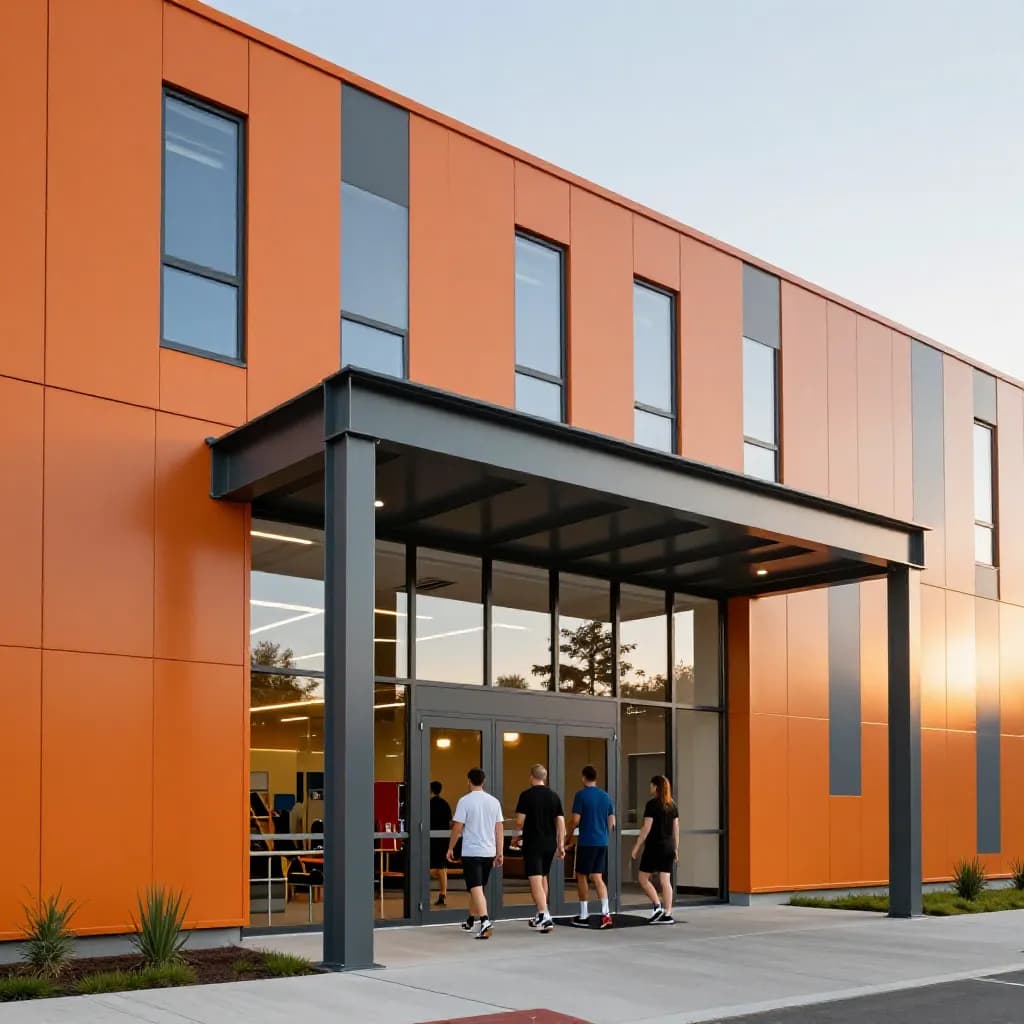
The combination of chemical exposure and mechanical abuse is particularly challenging. Pool halls contain airborne chloramines that condense on metal surfaces, creating a corrosive environment that rapidly degrades inadequate coatings. Changing rooms and wet areas experience persistent humidity and contact with cleaning chemicals. Sports halls endure impacts from balls, equipment, and the general rough handling that comes with active use.
Ready to Start Your Project?
From one-off customs to 15,000-part production runs — get precise pricing in 24 hours.
On This Page
Coating Demands of Sports and Leisure Buildings
These facilities also serve the public, meaning safety and air quality standards are non-negotiable. Coatings must not contribute to poor indoor air quality through off-gassing, must meet fire safety requirements for public assembly buildings, and must maintain a clean, professional appearance that reflects well on the facility operator.
Why Powder Coating Excels in Sports and Leisure Environments
Powder coating's chemical resistance makes it particularly well suited to the aggressive environments found in sports and leisure facilities. The dense, cross-linked polymer film formed during curing resists attack from chlorine, bromine, cleaning chemicals, and the acidic perspiration that accumulates on gym equipment and handrails. This chemical resilience is a direct consequence of the 60-120 micron film thickness and the absence of solvent-related porosity that weakens liquid paint films.
The thick powder film also provides excellent impact resistance, absorbing the energy of ball strikes, equipment collisions, and general rough handling without chipping or cracking. Where liquid paint at 25-50 microns would be breached by a single sharp impact, powder coating's thicker film maintains its integrity, preventing moisture and chemicals from reaching the substrate and initiating corrosion.
Zero VOC emissions make powder coating the responsible choice for indoor sports environments, particularly enclosed swimming pool halls where air quality is already compromised by chloramine levels. Specifying powder-coated metalwork eliminates any contribution to indoor air pollution from coating off-gassing, supporting healthier environments for swimmers, athletes, and staff. The A1/A2 Euroclass fire rating on aluminum substrates also satisfies the stringent fire safety requirements of public assembly buildings.
Applications Across Sports and Leisure Facilities
Stadium seating structures are among the most visible applications of powder coating in the sports sector. Aluminum seating frames, support structures, and access stairways must withstand UV exposure, rain, crowd loading, and the occasional spilled drink while maintaining the vibrant colors that define a venue's identity. Powder coating delivers the durability and color retention needed for these high-profile, high-exposure elements.
Swimming pool surrounds, diving platform structures, spectator railings, and changing room fittings all operate in the most chemically aggressive zone of any leisure facility. Powder coating's resistance to chlorine and humidity ensures these elements maintain their appearance and structural protection despite constant exposure to pool chemicals and moisture. Gym equipment frames, weight racks, and fitness station housings benefit from the impact resistance and cleanability of powder-coated surfaces.
Exterior cladding, entrance canopies, signage structures, and perimeter fencing complete the range of applications. Each of these elements faces a different combination of stresses, but powder coating's versatile performance profile — combining chemical resistance, impact toughness, UV stability, and fire safety — addresses them all within a single, consistent coating technology.
Color and Branding for Sports Venues
Color is central to the identity of sports and leisure facilities. Team colors on stadium structures, wayfinding systems in leisure centres, and bold branding on entrance features all rely on coatings that deliver vibrant, consistent color that endures for decades. Powder coating's extensive color range — encompassing the full RAL Classic palette, custom colors, metallics, and textured finishes — gives designers complete freedom to express a venue's identity through its metalwork.
The color stability of modern polyester powder coatings is a critical advantage for sports venues. Unlike liquid paints that can fade, chalk, or yellow under UV exposure, quality powder coatings certified to Qualicoat Class 2 or higher maintain their color and gloss for 20-25 years. This means a stadium's signature colors remain true and vibrant throughout the building's service life, reinforcing brand identity without the need for periodic repainting.
Multi-color schemes are readily achievable with powder coating, allowing different colors on different elements or even different faces of the same profile. This flexibility supports complex wayfinding and branding strategies that help visitors navigate large facilities while creating a visually dynamic and engaging environment.
Why Liquid Paint Fails in Leisure Environments
Liquid paint is poorly suited to the chemical and physical demands of sports and leisure facilities. The thin 25-50 micron films are rapidly attacked by chlorine and bromine compounds in pool environments, leading to blistering, delamination, and corrosion of the underlying metal within just a few years. The porosity inherent in solvent-evaporated liquid films allows chemicals to penetrate to the substrate more quickly than through the denser, solvent-free structure of cured powder coating.
Impact damage is another common failure mode for liquid paint in sports environments. A single strike from a weight, ball, or piece of equipment can chip through the thin liquid film, exposing bare metal to the humid, chemically active atmosphere. Each chip becomes a corrosion initiation site, and in the warm, wet conditions of a pool hall or changing room, corrosion spreads rapidly beneath the surrounding paint film.
VOC emissions from solvent-based liquid paints are particularly problematic in enclosed leisure environments. Pool halls already have compromised air quality due to chloramine levels, and adding solvent fumes from freshly painted surfaces exacerbates the problem. The 95-98% material efficiency of powder coating also contrasts sharply with liquid paint's 30-70% transfer efficiency, meaning less waste and lower material costs on the large surface areas typical of sports and leisure buildings.
Frequently Asked Questions
Can powder coating resist chlorine in swimming pool environments?
Yes. Powder coating's dense, cross-linked film at 60-120 microns provides excellent resistance to chlorine, bromine, and other pool chemicals. The absence of solvent-related porosity means the film is less permeable to chemical attack than liquid paint, making it the preferred finish for pool surrounds, railings, and changing room fittings.
Is powder coating suitable for outdoor stadium structures?
Powder coating is ideal for outdoor stadium structures. The thick film resists UV degradation, rain, and temperature cycling, while maintaining vibrant team colors for 20-25 years. Qualicoat-certified systems provide independently verified weathering performance for these high-profile, fully exposed applications.
Does powder coating emit fumes in enclosed sports buildings?
No. Powder coating produces zero volatile organic compound emissions. The cured film is chemically inert and does not off-gas, making it the safest coating choice for enclosed environments such as indoor pools, gymnasiums, and sports halls where air quality is a priority.
How does powder coating support venue branding?
Powder coating offers the full RAL Classic color range plus custom colors, metallics, and textured finishes, allowing precise reproduction of team colors and brand identities. The excellent color stability of modern polyester formulations ensures these colors remain vibrant for 20-25 years without fading or chalking.
Ready to Start Your Project?
From one-off customs to 15,000-part production runs — get precise pricing in 24 hours.