Solar panel mounting systems must deliver reliable structural performance for 25 years or more, matching the warranted output life of the photovoltaic panels they support. These structures face continuous outdoor exposure with no shelter — full UV radiation, rain, snow loading, wind stress, and temperature extremes that cycle daily and seasonally. The coating system protecting these mounting structures must match this demanding service life without maintenance intervention.
Architecture
Powder Coating for Solar Panel Mounting Systems and Renewable Energy
Sundial Powder Coating·April 20, 2026·9 min
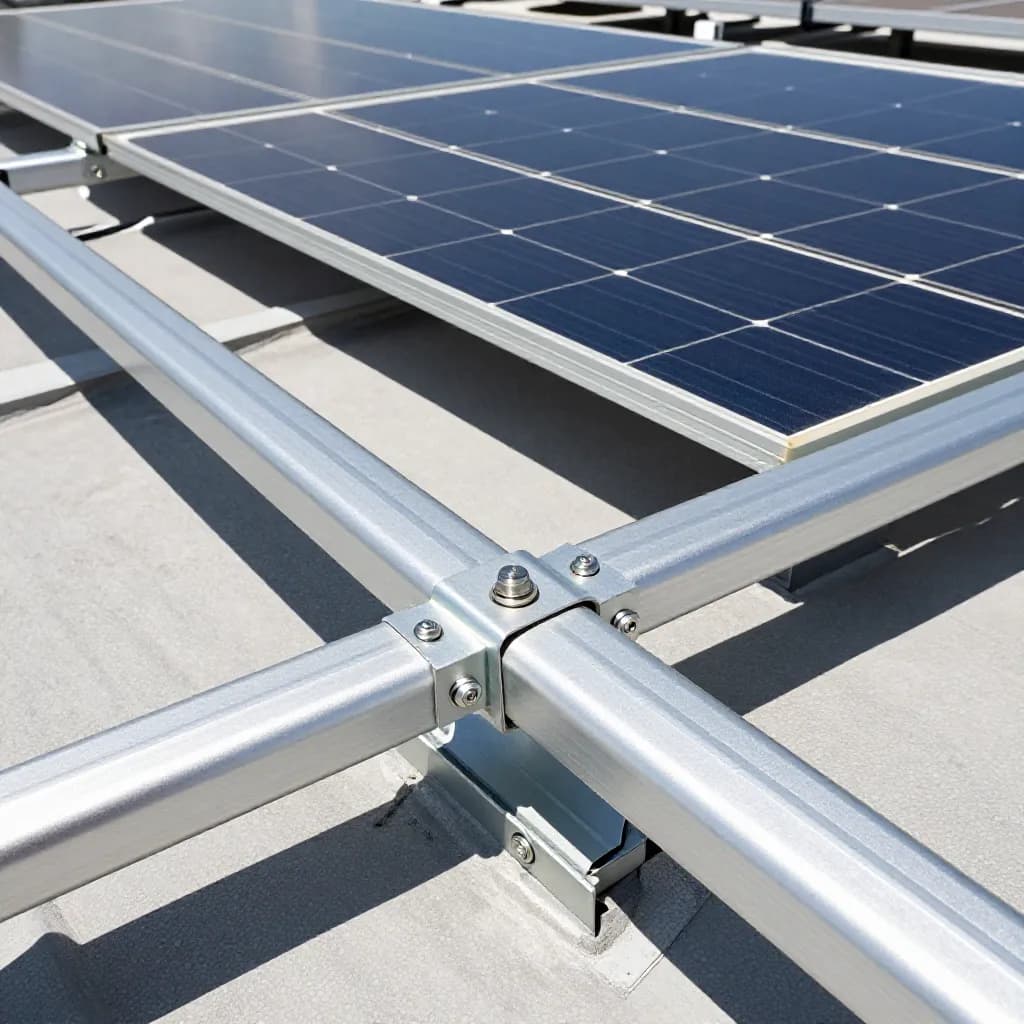
Corrosion resistance is the primary coating requirement for solar mounting infrastructure. Mounting rails, brackets, clamps, and structural supports are exposed to moisture from rain, dew, and condensation, often in combination with atmospheric pollutants or, in coastal installations, salt-laden air. Any corrosion of mounting components compromises structural integrity and can lead to panel displacement or system failure.
Ready to Start Your Project?
From one-off customs to 15,000-part production runs — get precise pricing in 24 hours.
On This Page
Solar Mounting System Demands
The remote and distributed nature of many solar installations adds a practical dimension to coating specification. Rooftop arrays on commercial buildings, ground-mounted solar farms, and building-integrated photovoltaic systems are often difficult to access for maintenance. A coating system that requires periodic touch-up or recoating is impractical for these installations, making zero-maintenance durability a functional requirement rather than merely a preference.
Why Powder Coating Suits Solar Infrastructure
Powder coating's service life of 20-25 years aligns naturally with the operational life of solar panel systems. This means that the mounting structure's coating should not require renewal during the panel system's warranted output period, eliminating coating maintenance as an operational concern for solar asset owners. The 60-120 micron film thickness provides a robust corrosion barrier that maintains its integrity through decades of continuous outdoor exposure.
The zero-maintenance characteristic of powder coating is particularly valuable for solar installations where access is difficult or where the scale of the installation makes component-level maintenance impractical. A ground-mounted solar farm may contain thousands of individual mounting components spread across hectares of land. The prospect of inspecting and maintaining paint finishes across this scale of installation is operationally unrealistic, making the fit-and-forget durability of powder coating essential.
Powder coating's factory application process also aligns well with the manufacturing model for solar mounting systems. Components are coated in controlled factory conditions before dispatch to site, arriving ready for immediate installation with no on-site finishing required. This eliminates weather-dependent site painting, reduces installation timelines, and ensures consistent coating quality across every component in the system.
Aluminum vs Steel Mounting Systems and Coating Needs
Solar mounting systems are manufactured from either aluminum or steel, each with distinct coating requirements. Aluminum systems benefit from the metal's inherent corrosion resistance, with powder coating providing additional protection and aesthetic finishing. Chromate-free conversion coating pretreatment followed by polyester powder topcoat is the standard specification, delivering reliable long-term performance without the environmental concerns of hexavalent chromium processes.
Steel mounting systems require more robust corrosion protection due to steel's susceptibility to rust. The most effective approach combines hot-dip galvanizing with powder coating, creating a dual-barrier system where the zinc galvanizing provides sacrificial corrosion protection and the powder topcoat provides a physical barrier against moisture and UV exposure. This combination delivers exceptional longevity, with the two protection systems working synergistically to extend service life beyond what either could achieve alone.
For steel systems where galvanizing is not specified, a dual-coat powder system with epoxy primer and polyester topcoat provides effective corrosion protection. The epoxy primer delivers excellent adhesion and moisture barrier properties, while the polyester topcoat provides UV resistance and color retention. This system is particularly suitable for rooftop installations where the mounting structure is partially sheltered by the panels above.
Color Considerations for Solar Mounting Systems
Color selection for solar mounting systems involves both aesthetic and functional considerations. Dark colors, particularly black and dark grey, are popular for residential and architecturally sensitive installations because they blend visually with the dark photovoltaic panels, creating a cohesive, unobtrusive appearance on rooftops and building facades. However, dark colors absorb more solar radiation, which can elevate the temperature of mounting components and, by thermal conduction, the panels themselves.
Light colors, including silver, light grey, and white, reflect solar radiation and maintain lower surface temperatures. For large-scale ground-mounted installations where aesthetics are less critical, lighter mounting colors can contribute to marginally cooler panel operating temperatures, which in turn supports slightly higher energy output from temperature-sensitive photovoltaic cells. The performance difference is modest but measurable across large installations.
Powder coating delivers consistent color across the thousands of components in a typical solar installation, ensuring visual uniformity whether the specification calls for dark aesthetic integration or light functional optimization. The coating's UV resistance maintains the chosen color throughout the system's operational life, preventing the fading and chalking that would make mounting structures increasingly visible and aesthetically intrusive over time.
Sustainability Alignment: Zero VOC for Green Energy
Solar energy infrastructure exists to reduce environmental impact, and the materials and processes used in its manufacture should align with this sustainability mission. Powder coating's zero VOC emissions during application support this alignment, ensuring that the manufacturing process for solar mounting systems does not contribute to air pollution or require solvent abatement equipment that consumes additional energy.
The material efficiency of powder coating further strengthens the sustainability case. With 95-98% material utilization through overspray reclamation, powder coating generates minimal waste compared to liquid paint systems that typically achieve only 30-70% transfer efficiency. For manufacturers producing thousands of mounting components, this efficiency difference translates into significant reductions in raw material consumption and waste generation.
The lifecycle environmental profile of powder-coated solar mounting systems is compelling. Zero VOC manufacturing, minimal waste generation, 25+ year maintenance-free service life, and full recyclability of the aluminum or steel substrate at end of life create a cradle-to-grave environmental performance that aligns with the sustainability values of the renewable energy sector. Specifying powder-coated mounting systems ensures that the infrastructure supporting clean energy generation is itself manufactured and finished using environmentally responsible processes.
Frequently Asked Questions
Does powder coating last as long as solar panels?
Yes. Powder coating provides 20-25 years of protection, aligning with the typical 25-year warranted output life of photovoltaic panels. This means mounting structure coatings should not require renewal during the panel system's operational life, eliminating coating maintenance as a concern for solar asset owners.
Should solar mounting systems be dark or light colored?
Dark colors like black blend with photovoltaic panels for aesthetic integration but absorb more heat. Light colors reflect radiation and maintain cooler temperatures, marginally improving panel efficiency on large installations. Powder coating delivers consistent, UV-stable color in either option throughout the system's 25+ year life.
How does powder coating protect steel solar mounting systems?
Steel mounting systems are best protected with hot-dip galvanizing plus powder coating, creating a dual-barrier system. Alternatively, a dual-coat powder system with epoxy primer and polyester topcoat provides effective corrosion protection. Both approaches deliver the 25+ year service life that solar installations require.
Is powder coating environmentally appropriate for renewable energy infrastructure?
Yes. Powder coating produces zero VOC emissions, achieves 95-98% material utilization, and provides maintenance-free protection for 25+ years. This environmental profile aligns with the sustainability mission of renewable energy, ensuring that mounting infrastructure is manufactured using responsible processes.
Ready to Start Your Project?
From one-off customs to 15,000-part production runs — get precise pricing in 24 hours.