When you first reach out to a powder coating shop, having the right information ready makes the conversation productive and helps the coater give you an accurate estimate. Start with a clear description of what you need coated, including the type of metal, the size and quantity of parts, and their current condition. Mention whether they have existing paint, rust, or are bare metal, as this affects the preparation work required.
Local Info
Powder Coating Services: What to Expect from Start to Finish
Sundial Powder Coating·April 20, 2026·9 min
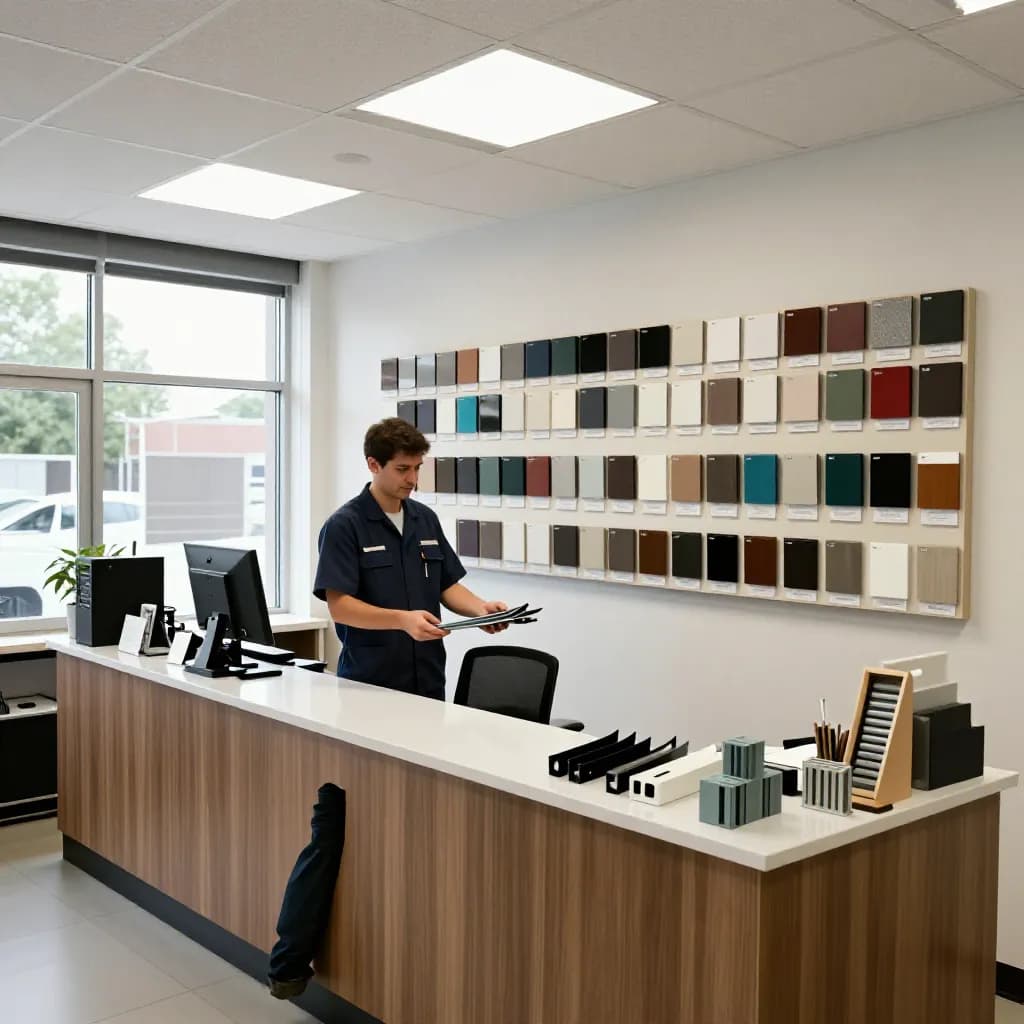
Let the coater know your color preference if you have one. A RAL code or Pantone reference is ideal, but even a general description like gloss black or satin bronze gives them a starting point. If you are unsure about color, most shops are happy to show you samples or help you choose. Also mention your timeline so the shop can let you know whether their current schedule can accommodate your needs.
Ready to Start Your Project?
From one-off customs to 15,000-part production runs — get precise pricing in 24 hours.
On This Page
Your First Contact with a Powder Coating Shop
Most shops will ask you to bring the parts in for inspection before giving a final quote. Photos can help with an initial estimate, but seeing the parts in person allows the coater to assess condition accurately, identify any repair needs, and confirm the scope of work. This initial conversation sets the tone for the entire project, so be thorough and ask any questions you have.
Drop-Off and Inspection
When you bring your parts to the shop, the coater will inspect them carefully. They are looking at the condition of the metal, the type and thickness of any existing coatings, signs of corrosion or damage, and any features that will need special attention during preparation and coating. This hands-on assessment is where the coater determines exactly what work is needed.
During inspection, the coater will discuss preparation requirements with you. Parts with heavy rust may need chemical stripping before blasting. Items with multiple layers of old paint take longer to strip than bare metal pieces. The coater will also identify any areas that need masking, such as threaded holes, bearing surfaces, or mounting points that must remain uncoated.
This is also when you confirm your color choice. The coater may show you physical samples, spray a test chip, or pull out a color fan deck so you can see the actual finish rather than relying on a screen image. Agree on the color, finish level, and any special requirements before leaving your parts. Getting everything confirmed at drop-off prevents surprises at pickup.
The Coating Process: What Happens to Your Parts
Once your parts are in the shop, the first step is removing any existing finish. This may involve chemical stripping, media blasting, or both, depending on what is on the surface. Chemical stripping dissolves old paint and powder, while media blasting removes rust, scale, and remaining residue to expose clean bare metal. The goal is a perfectly clean surface with the right profile for the new coating to grip.
Next comes pretreatment, which is a chemical process that cleans the metal at a molecular level and applies a conversion coating. This conversion coating, typically iron phosphate or zirconium-based, creates a bond-enhancing layer between the metal and the powder. Pretreatment is what gives powder coating its exceptional adhesion and corrosion resistance. Without it, the finish is far less durable.
After pretreatment, the parts are dried and moved to the spray booth where electrostatically charged powder is applied. The charged particles wrap around the part and cling to every surface. The coated parts then go into the curing oven, where they are heated to a specific temperature for a precise duration. This melts the powder, allows it to flow into a smooth film, and chemically cross-links it into a hard, durable finish.
Quality Check and Pickup
Before your parts are released, a quality shop will inspect them against the agreed specifications. They check for consistent color, uniform film thickness, proper coverage in recessed areas, and clean masking lines. Any runs, thin spots, or contamination defects are caught and addressed before you see the finished work.
When you collect your parts, take a moment to inspect them yourself. Look at the finish under good lighting, check that masked areas are clean and uncoated, and verify the color matches what you approved. Run your hand over the surface to feel for any rough spots or inconsistencies. If anything does not look right, raise it immediately while you are at the shop.
Your parts may be wrapped in protective material or placed on foam to prevent scratching during transport. Handle them carefully, especially in the first day or two. While the finish is fully cured when it leaves the oven, treating freshly coated parts gently during transport and installation helps avoid unnecessary marks or damage.
After-Care Advice for Your Coated Parts
Powder-coated parts are tough and low-maintenance, but a little care extends their life significantly. For routine cleaning, warm water with a mild soap or detergent is all you need. A soft cloth or sponge works well. Avoid abrasive cleaners, scouring pads, or harsh solvents, as these can dull the finish or damage the surface over time.
When installing coated parts, use care to avoid scratching the finish with tools or hardware. Rubber-tipped clamps, protective tape on contact points, and careful handling during assembly all help preserve the coating. If you need to drill or cut through a coated surface, touch up the exposed metal promptly to prevent corrosion at the cut edge.
For outdoor items, periodic cleaning removes dirt, pollen, and environmental deposits that can degrade the finish over time. A quarterly wash is usually sufficient for most outdoor applications. In coastal or industrial environments where salt or chemical exposure is higher, more frequent cleaning helps maintain the coating's appearance and protective performance.
What to Do If Something Is Not Right
If you notice an issue with your powder-coated parts, the first step is to contact the shop promptly and describe the problem clearly. Take photos showing the defect and include close-ups with good lighting. Whether it is a color mismatch, adhesion failure, rough texture, or missed masking, documenting the issue helps the coater understand what happened and how to resolve it.
Reputable shops stand behind their work and will address legitimate quality concerns. Depending on the issue, the resolution might be a touch-up, a full recoat, or an explanation of why the result looks the way it does. Some apparent defects, like slight orange peel texture or minor color variation between batches, may be within normal tolerances for powder coating.
Keep your expectations reasonable and your communication respectful. Powder coating is a manual process with inherent variability, and minor imperfections that are invisible at normal viewing distance are not defects. However, peeling, blistering, significant color mismatch, or coating in areas that should have been masked are legitimate concerns that a professional shop will want to make right.
Frequently Asked Questions
How long does the powder coating process take?
Most standard jobs are completed within three to seven business days. The actual coating and curing takes only a few hours, but preparation work like stripping, blasting, and pretreatment adds time. Custom colors that need to be ordered or complex masking requirements can extend the timeline. Ask your coater for a specific estimate based on your project.
Do I need to do anything to prepare my parts before drop-off?
Remove any non-metal components like rubber bushings, plastic caps, and stickers. Disassemble parts as much as practical and wipe off heavy grease or oil. The shop handles the final cleaning and preparation, but arriving with reasonably clean, disassembled parts speeds up the process and can reduce your overall turnaround time.
Can powder coating be removed if I change my mind about the color?
Yes, powder coating can be stripped chemically or by media blasting, and the parts can be recoated in a different color. This adds time and labor to the project, which is why approving a color sample before the full job is so important. Stripping and recoating is straightforward but it does mean going through the entire process again.
Is powder coating safe for food-contact items?
Standard powder coatings are not rated for direct food contact. However, FDA-approved powder coatings are available for applications like oven racks, food processing equipment, and commercial kitchen fixtures. If you need a food-safe finish, mention this requirement upfront so the coater can source the appropriate certified powder.
Ready to Start Your Project?
From one-off customs to 15,000-part production runs — get precise pricing in 24 hours.