School buildings face a combination of stresses that few other building types experience. Corridors, stairwells, and classrooms endure constant foot traffic from hundreds or thousands of students every day, while doors, frames, and lockers absorb repeated impacts from bags, trolleys, and general rough handling. Surfaces must withstand not only physical abuse but also frequent cleaning with disinfectants and chemical agents, particularly in the wake of heightened hygiene standards.
Architecture
Powder Coating for Schools and Educational Buildings
Sundial Powder Coating·April 20, 2026·9 min
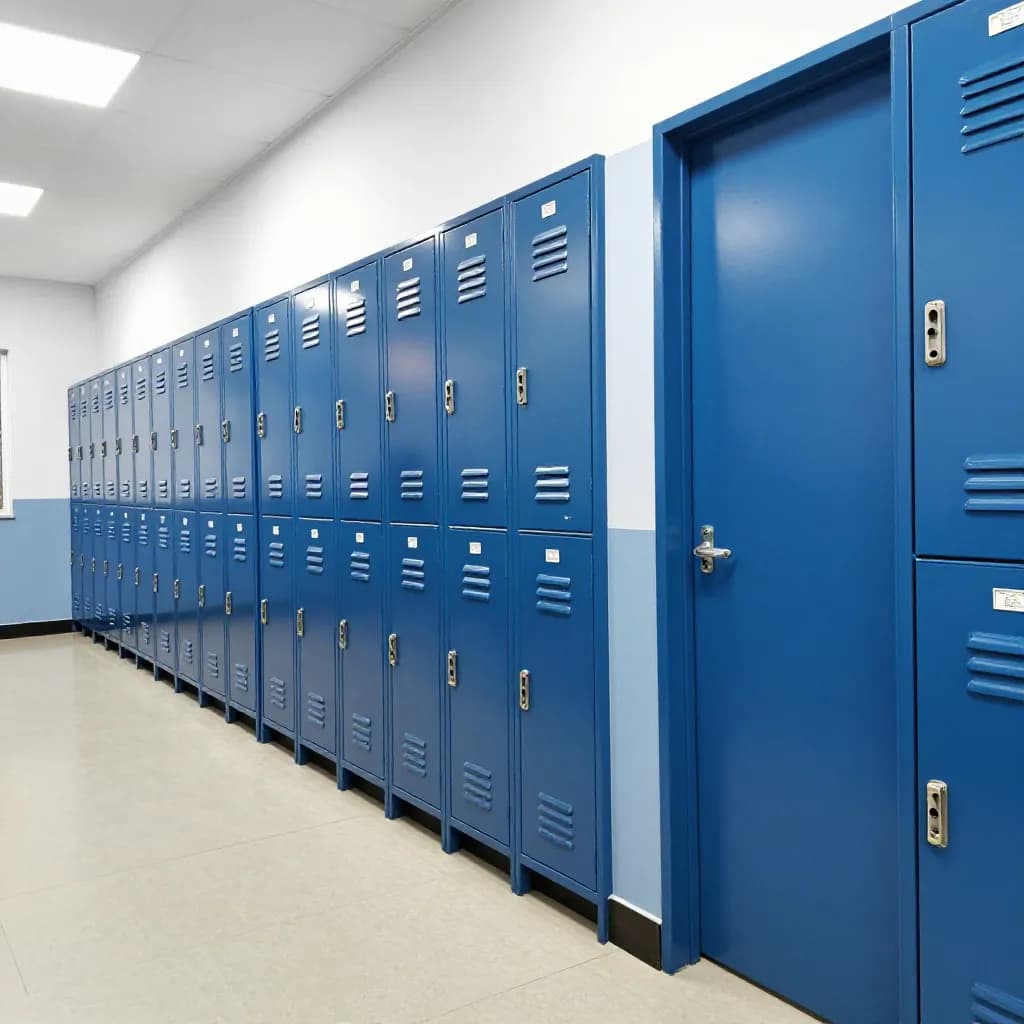
Vandalism and graffiti are persistent challenges in educational environments. Coatings on exposed metalwork must resist marker pens, scratching, and deliberate damage while remaining easy to clean and restore. At the same time, safety regulations impose strict requirements on fire performance, toxicity of materials, and indoor air quality — all of which directly affect the choice of coating system.
Ready to Start Your Project?
From one-off customs to 15,000-part production runs — get precise pricing in 24 hours.
On This Page
The Unique Demands of School Buildings
Budget constraints add another layer of complexity. Schools operate on tight maintenance budgets, so any coating specified must deliver long-term performance with minimal intervention. A finish that chips, fades, or requires frequent repainting is not just a cosmetic problem — it diverts funds away from educational resources and creates disruption during term time.
Why Powder Coating Is Ideal for Educational Environments
Powder coating addresses every major challenge that school buildings present. The 60-120 micron film thickness achieved in a single coat creates a hard, dense barrier that resists impacts, scratches, and abrasion far more effectively than the 25-50 micron films typical of liquid paint. This mechanical toughness is critical in high-traffic corridors and areas where metalwork is subject to daily punishment from students and equipment.
From a health and safety perspective, powder coating produces zero volatile organic compound emissions. This is particularly important in schools, where children spend extended periods indoors and are more vulnerable to the respiratory effects of chemical off-gassing. Specifying powder-coated metalwork eliminates any risk of VOC exposure from coated surfaces, contributing to healthier indoor air quality throughout the building.
Powder-coated aluminum also achieves A1 or A2 Euroclass fire ratings, classifying it as non-combustible. In buildings occupied by children, fire safety is paramount, and the inherent non-combustibility of powder-coated aluminum provides a straightforward route to compliance with the most demanding fire regulations. The smooth, dense surface is also easy to clean with standard detergents, supporting the rigorous hygiene regimes that modern schools require.
Interior Applications in Schools
Inside school buildings, powder-coated metalwork is found in virtually every space. Internal doors and door frames are among the most heavily used components, enduring thousands of opening and closing cycles each term along with impacts from bags, shoes, and equipment. Powder coating's thick, resilient film maintains its appearance under this constant use, resisting chipping and scuffing that would quickly degrade a liquid paint finish.
Lockers and storage units are another prime application. Students interact with lockers multiple times daily, and the combination of impacts, scratching, and occasional deliberate damage demands a coating that can absorb punishment without failing. Powder-coated lockers maintain their color and integrity for decades, avoiding the peeling and rust that plague liquid-painted alternatives in school environments.
Classroom furniture, partition systems, handrails, and staircase balustrades all benefit from powder coating's durability and cleanability. The ability to specify vibrant, consistent colors across all these elements allows architects to create engaging, well-coordinated learning environments that remain attractive throughout the building's service life.
Exterior Applications for School Buildings
The exterior envelope of a school building is equally well served by powder coating. Aluminum window frames, curtain walling, and entrance systems finished in powder coating deliver 20-25 years of maintenance-free performance, compared to just 8-12 years for liquid-painted equivalents. This extended service life is particularly valuable for schools, where maintenance budgets are limited and access for recoating work can be difficult to arrange around the academic calendar.
Exterior cladding panels, fascias, and soffits in powder-coated aluminum provide a durable, attractive envelope that resists UV degradation, moisture, and pollution. Perimeter fencing, gates, and security barriers also benefit from the thick powder film, which resists corrosion and maintains its appearance despite exposure to weather and physical contact.
Playground equipment and outdoor furniture represent some of the most demanding exterior applications. These items endure constant physical interaction, UV exposure, and wet conditions. Powder coating's combination of impact resistance, UV stability, and corrosion protection makes it the natural choice for metalwork that must remain safe and attractive in outdoor educational settings.
Why Liquid Paint Fails in School Environments
Liquid paint is fundamentally unsuited to the demands of school buildings. The thin 25-50 micron films achieved by liquid systems are quickly breached by the impacts, scratches, and abrasion that are routine in educational environments. Once the film is broken, moisture reaches the substrate and corrosion begins, leading to unsightly rust staining and further coating breakdown that accelerates over time.
The VOC content of solvent-based liquid paints is a significant concern in buildings occupied by children. Off-gassing from freshly painted surfaces can persist for weeks or months, contributing to poor indoor air quality and potentially triggering respiratory issues in sensitive individuals. Even water-based liquid paints contain some VOCs and co-solvents, making them a less clean option than zero-VOC powder coating.
Perhaps the most practical problem with liquid paint in schools is the disruption caused by repainting. With a typical service life of 8-12 years, liquid-painted metalwork requires recoating at least twice during a building's 25-year maintenance cycle. Each repainting project involves scaffolding, solvent fumes, drying times, and restricted access — all of which are extremely difficult to manage during term time and costly to schedule during short holiday windows.
Frequently Asked Questions
Is powder coating safe for use in schools with young children?
Yes. Powder coating produces zero volatile organic compound emissions, making it one of the safest coating options for buildings occupied by children. The cured film is chemically inert, non-toxic, and does not off-gas, contributing to healthy indoor air quality in classrooms, corridors, and assembly spaces.
How long does powder coating last on school metalwork?
Powder coating on architectural aluminum typically lasts 20-25 years before recoating is needed. This is significantly longer than the 8-12 year lifespan of liquid paint, reducing maintenance costs and minimizing disruption to the school environment over the building's service life.
Can powder coating resist the heavy use found in school corridors?
Yes. Powder coating is applied at 60-120 microns, creating a thick, hard film that resists impacts, scratches, and abrasion from bags, trolleys, and daily foot traffic. This mechanical toughness makes it far more durable than the thinner films achieved by liquid paint systems.
Does powder coating meet fire safety requirements for schools?
Powder-coated aluminum achieves A1 or A2 Euroclass fire ratings, classifying it as non-combustible. This meets the most stringent fire safety requirements for educational buildings, providing peace of mind for school administrators, architects, and building control authorities.
Ready to Start Your Project?
From one-off customs to 15,000-part production runs — get precise pricing in 24 hours.