Retail buildings and shopping centers are commercial assets whose value is directly linked to their visual appeal and physical condition. The facade is the primary interface between the retail environment and the public, and its appearance influences footfall, tenant demand, and rental values. A facade that looks tired, faded, or poorly maintained signals decline — deterring customers and undermining the commercial viability of the entire development.
Architecture
Powder Coating for Retail and Shopping Center Facades: Brand Identity, Maintenance, and Night-Time Appearance
Sundial Powder Coating·April 22, 2026·11 min
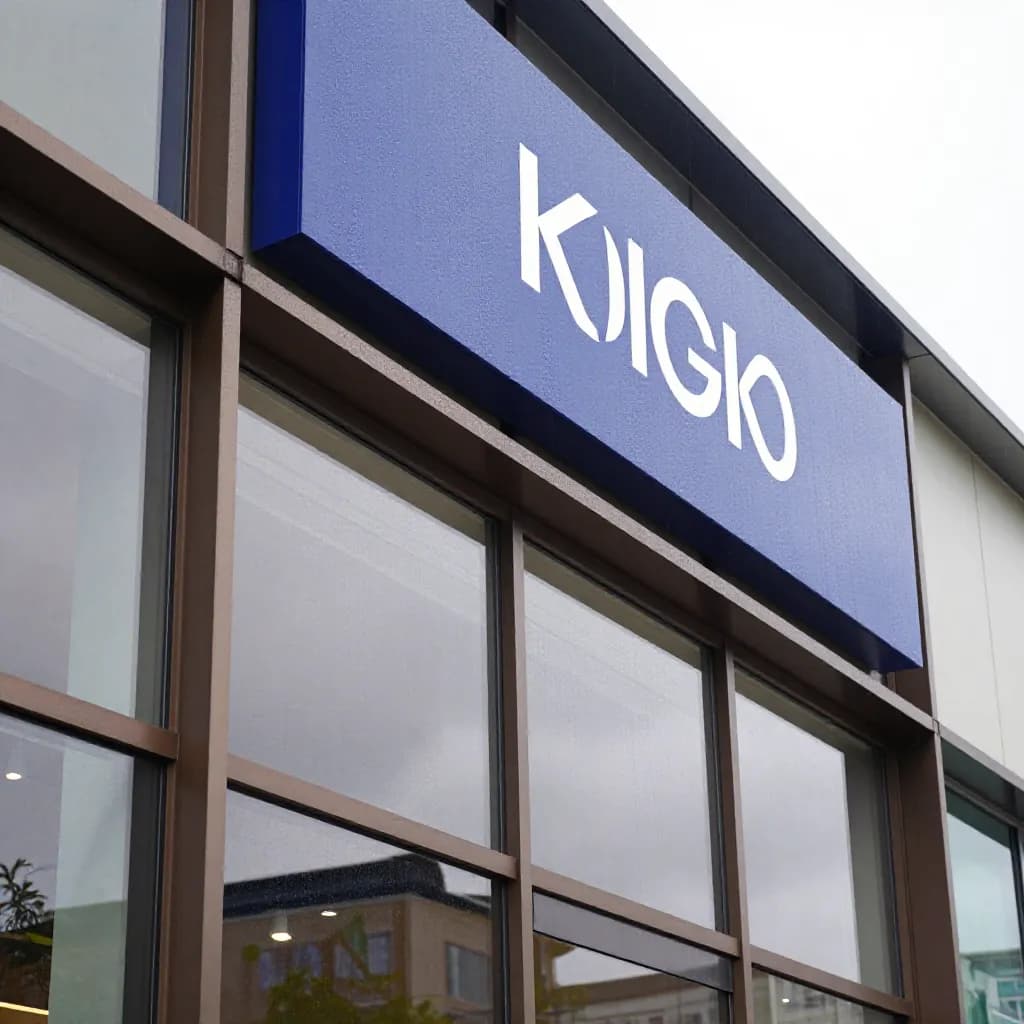
Powder coating has become the dominant finishing technology for retail facade metalwork because it delivers the long-term visual quality that commercial success demands. Applied at 60-120 microns — more than double the 25-50 micron film thickness of liquid paint — powder coating maintains its color, gloss, and surface integrity for 20-25 years, ensuring that the facade continues to attract customers and support premium rental values throughout its service life.
Ready to Start Your Project?
From one-off customs to 15,000-part production runs — get precise pricing in 24 hours.
On This Page
Retail Architecture: Where Commercial Performance Meets Facade Quality
The retail sector's embrace of powder coating is also driven by practical economics. The 95-98% material utilization efficiency of powder application reduces waste and material costs at the scale of major shopping center projects. Zero VOC emissions simplify compliance with environmental regulations during construction and renovation. And the reduced frequency of recoating — every 20-25 years versus 8-12 years for liquid paint — dramatically lowers the lifecycle maintenance costs that directly impact the development's net operating income.
Brand Identity and Custom Color Systems
Retail architecture is fundamentally about brand expression. Shopping center facades must communicate the positioning of the development — luxury, value, lifestyle, or community — through their material quality, color palette, and design language. Individual retail tenants require the ability to express their brand identity within the architectural framework of the center, often through distinctive colors and finishes on shopfront systems and signage.
Powder coating supports retail brand expression with unmatched color flexibility. The full RAL Classic and RAL Design color systems are available as standard, along with custom color matching to Pantone, NCS, and proprietary brand specifications. For shopping center developers, this means the facade color scheme can be precisely specified to reflect the development's brand positioning, with confidence that the specified colors will be accurately reproduced across all metalwork elements.
For individual retail tenants, powder coating enables rapid production of shopfront systems in brand-specific colors. The fast color-change capability of modern powder coating lines allows small batches of custom-colored components to be produced efficiently, supporting the tenant fit-out process without the long lead times and minimum order quantities associated with custom liquid paint mixing.
Metallic, textured, and special-effect powder finishes expand the design palette beyond solid colors. Bonded metallic formulations provide consistent sparkle effects that enhance the premium appearance of luxury retail facades, while textured finishes can replicate natural materials such as stone, timber, or weathered metal. These finishes allow architects to create visually rich facades that differentiate the development in a competitive retail market, all with the durability and maintenance advantages of powder coating technology.
Tenant Flexibility and Facade Adaptability
Shopping centers are dynamic commercial environments where tenant mix evolves continuously in response to market conditions. The facade system must accommodate tenant changes — including new shopfronts, updated branding, and reconfigured unit sizes — without compromising the overall architectural quality of the development. This requirement for adaptability influences both the design of the facade system and the specification of its surface finish.
Powder-coated modular facade systems support tenant flexibility by enabling individual elements to be replaced or refinished without affecting adjacent units. When a tenant changes, the shopfront panels, signage zones, and entrance elements for that unit can be removed, recoated in the new tenant's brand colors, and reinstalled — or replaced with new powder-coated components — without scaffolding, wet trades, or disruption to neighboring tenants.
The durability of powder coating also supports facade adaptability over time. Because the base facade system — the structural framework, cladding panels, and common area finishes — maintains its appearance for 20-25 years, the development retains its architectural quality even as individual tenant elements change. This contrasts with liquid-painted facades, where the base system may show visible degradation within 8-12 years, creating an inconsistent appearance when new tenant finishes are installed alongside aging common area elements.
For shopping center refurbishment projects, powder coating enables comprehensive facade renewal with minimal operational disruption. Existing metalwork can be removed, stripped, and recoated off-site to factory-quality standards, then reinstalled during overnight or low-trading periods. This approach delivers a complete visual transformation without the extended scaffolding periods, weather dependencies, and quality compromises of on-site liquid repainting.
Night-Time Appearance and Illuminated Facades
The night-time appearance of retail buildings is increasingly important as shopping centers extend their operating hours and compete for evening and weekend trade. Illuminated facades, backlit signage, and architectural lighting schemes transform the building's appearance after dark, and the interaction between light and surface finish determines the visual impact of these lighting installations.
Powder coating's precise control over gloss level and surface texture allows architects to optimize facade surfaces for both daytime and night-time appearance. High-gloss powder finishes create dramatic reflections of architectural lighting, amplifying the visual impact of facade-mounted luminaires and creating dynamic effects as viewing angles change. Matte finishes provide even, diffuse illumination that avoids hot spots and glare, creating a softer, more uniform night-time appearance.
Metallic powder coatings are particularly effective under artificial lighting. The aluminum or mica flakes within the coating matrix create directional reflectance that responds dynamically to changing light conditions, producing subtle shifts in color and brightness that add visual depth and interest to illuminated facades. This effect is especially striking with color-changing LED lighting systems, where the metallic coating surface interacts with different light wavelengths to create a continuously evolving visual display.
The color stability of powder coating under artificial lighting is also important. Some liquid paint pigments shift color under LED or fluorescent lighting, appearing different at night than during the day. Powder coating formulations for retail applications are tested for color consistency under multiple light sources, ensuring that the facade presents a consistent brand image regardless of the lighting conditions. For retail developments where brand color accuracy is commercially critical, this consistency under both natural and artificial light is a significant specification advantage.
Maintenance Reduction and Operational Efficiency
Shopping center operating costs directly impact net operating income and asset value, and facade maintenance represents a significant recurring expense. Scaffolding, access equipment, cleaning, repainting, and repair of damaged finishes all contribute to maintenance budgets, and any reduction in these costs flows directly to the bottom line.
Powder coating's 20-25 year service life between recoating cycles represents a step change in facade maintenance economics compared to liquid paint's 8-12 year cycle. For a major shopping center with thousands of square meters of facade metalwork, eliminating even one recoating cycle over the building's life saves hundreds of thousands in direct costs — plus the indirect costs of scaffolding, tenant disruption, and management time.
Routine cleaning of powder-coated facades is simpler and less frequent than for liquid-painted surfaces. The hard, smooth powder film resists dirt adhesion and atmospheric staining more effectively than softer liquid paint films, and accumulated soiling can be removed with mild detergent and water without risk of damaging the finish. For shopping centers in urban environments where atmospheric pollution accelerates facade soiling, this ease of cleaning translates into measurably lower cleaning costs and a consistently better appearance between cleaning cycles.
The resistance of powder coating to graffiti and vandalism further reduces maintenance costs. Anti-graffiti powder coatings allow graffiti removal without damaging the underlying finish, eliminating the cycle of damage and repainting that plagues liquid-painted retail facades in urban locations. For shopping center operators, this capability reduces both the direct cost of graffiti remediation and the indirect cost of the negative visual impact on customer perception and footfall.
Weather Performance and Climate Resilience
Retail facades are fully exposed to weather, and the surface finish must maintain its appearance and protective function through years of UV radiation, rain, wind, temperature cycling, and atmospheric pollution. The weather performance of the facade finish directly influences the building's commercial appeal and the frequency of maintenance interventions.
Super-durable polyester powder coatings certified to Qualicoat Class 2 or AAMA 2605 provide the highest level of weather resistance for retail facades. These formulations are tested through 10 years of South Florida exposure — one of the most aggressive natural weathering environments in the world — and must maintain color and gloss within specified limits to retain certification. This real-world performance verification provides confidence that the facade will maintain its intended appearance through decades of service in any climate.
For retail developments in coastal locations, Qualicoat Seaside certified coatings provide enhanced corrosion protection against salt spray and marine atmosphere. The combination of marine-grade pretreatment systems and specially formulated powder coatings ensures that facade metalwork resists the accelerated corrosion that coastal environments impose, maintaining both appearance and structural integrity.
Thermal cycling performance is important for retail facades that experience significant temperature variations between sun-exposed and shaded areas, or between daytime and night-time conditions. Powder coating's inherent flexibility allows it to accommodate the thermal expansion and contraction of aluminum cladding panels without cracking or delaminating — a performance advantage over more rigid liquid paint films that can develop micro-cracks under repeated thermal stress, leading to moisture ingress and premature coating failure.
Sustainability Credentials and Green Retail Development
Sustainability has become a competitive differentiator in retail development, with consumers, tenants, and investors increasingly favoring developments that demonstrate environmental responsibility. Green building certifications such as LEED, BREEAM, and Green Star are now standard requirements for major retail projects, and the specification of building materials directly influences the credits achievable.
Powder coating contributes to retail sustainability across multiple certification categories. Zero VOC emissions support credits for low-emitting materials and indoor environmental quality — important for enclosed shopping centers where air quality affects both customer comfort and tenant satisfaction. The 95-98% material utilization efficiency supports waste reduction credits, with reclaimed overspray reused rather than disposed of as waste.
The lifecycle environmental performance of powder coating strengthens the sustainability case further. Fewer recoating cycles over the building's life mean less material consumption, less waste generation, and less energy use for maintenance activities. The full recyclability of powder-coated aluminum at end of life supports circular economy credits and demonstrates responsible material stewardship.
For retail developers, sustainability credentials translate into tangible commercial benefits. Green-certified buildings command higher rental premiums, attract quality tenants with their own sustainability commitments, and qualify for favorable financing terms from ESG-focused lenders. By specifying powder coating as part of a comprehensive sustainability strategy, developers enhance both the environmental performance and the commercial value of their retail assets.
Frequently Asked Questions
How long does powder coating last on shopping center facades?
Super-durable polyester powder coatings maintain color and gloss for 20-25 years, compared to 8-12 years for liquid paint. This extended service life reduces recoating frequency and maintenance costs, directly improving the shopping center's net operating income.
Can powder coating match specific retail brand colors?
Yes. Custom color matching to Pantone, RAL, NCS, and proprietary brand specifications is standard. Spectrophotometric quality control ensures accurate reproduction, and fast color-change capability allows efficient production of small batches for individual tenant fit-outs.
How does powder coating perform under night-time lighting?
Powder coating's precise gloss and texture control optimizes facade appearance under artificial lighting. Metallic finishes create dynamic reflective effects with LED systems, and color stability under multiple light sources ensures consistent brand appearance day and night.
Does powder coating resist graffiti on retail facades?
Anti-graffiti powder coatings create a low-surface-energy finish that prevents permanent bonding of paint and marker. Graffiti can be removed with standard cleaners without damaging the coating, eliminating the cycle of damage and repainting that plagues liquid-painted retail facades.
How does powder coating support green retail development?
Powder coating contributes to LEED and BREEAM credits through zero VOC emissions, 95-98% material efficiency, and reduced lifecycle environmental impact. Green-certified retail buildings command higher rents and attract quality tenants with sustainability commitments.
Ready to Start Your Project?
From one-off customs to 15,000-part production runs — get precise pricing in 24 hours.