Restoration powder coating is the process of taking a metal item that has seen years or decades of use, stripping it back to bare metal, repairing any damage, and applying a fresh powder coat finish that makes it look and perform like new. It is a comprehensive renewal that addresses not just the surface appearance but the underlying condition of the metal itself.
Local Info
Powder Coating Restoration Services: Bringing Old Metal Back to Life
Sundial Powder Coating·April 20, 2026·8 min
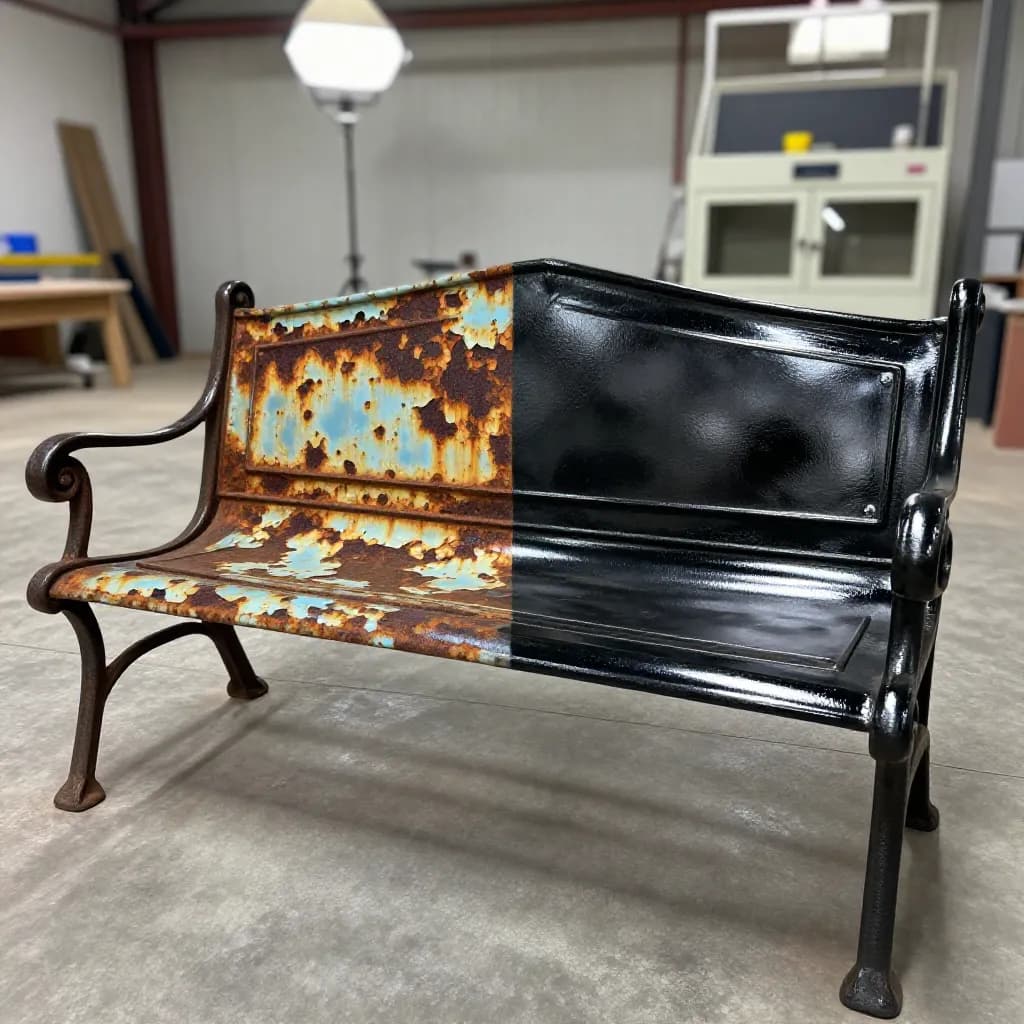
The process begins with stripping the old finish. Decades-old paint, lacquer, or previous powder coat is removed using chemical strippers, media blasting, or a combination of both. Multiple layers of old finish, each potentially a different type of coating, may need to be worked through before clean metal is revealed. This stripping phase is often the most time-consuming part of a restoration job.
Ready to Start Your Project?
From one-off customs to 15,000-part production runs — get precise pricing in 24 hours.
On This Page
What Restoration Coating Involves
Once the metal is bare, the true condition of the item becomes visible. Rust, corrosion, pitting, and any structural damage that was hidden under the old finish can now be assessed and addressed. This honest assessment is a critical step, as it determines what repair work is needed before the new coating can be applied. A quality restoration coater will discuss their findings with you and recommend the appropriate level of repair.
Common Restoration Projects
Vintage furniture is one of the most rewarding restoration coating projects. Mid-century metal chairs, tables, shelving units, and outdoor furniture from the 1950s through 1970s were built to last, but their original finishes have often deteriorated after decades of use. Stripping and recoating these pieces in their original colors or in a fresh modern palette gives them another lifetime of use while preserving their design heritage.
Classic car and motorcycle parts are a major category of restoration work. Chassis components, suspension parts, engine brackets, valve covers, and trim pieces all benefit from powder coating during a restoration. The finish is more durable than the original factory paint on most vintage vehicles, providing better protection while maintaining an authentic appearance when the correct colors are matched.
Antique ironwork, including garden gates, railings, fireplace surrounds, and decorative panels, responds beautifully to restoration coating. Cast iron and wrought iron pieces that have been neglected for years can be transformed from rusty, flaking eyesores into striking features. Old machinery, industrial artifacts, and architectural salvage pieces are also popular restoration candidates, whether they are being returned to functional use or repurposed as decorative elements.
Assessment and Repair
The assessment phase is where a skilled restoration coater adds real value. After stripping, they evaluate the structural integrity of the item, looking for metal that has thinned from corrosion, cracks from fatigue or impact, and joints that have weakened over time. This assessment determines whether the item is structurally sound for recoating or whether repair work is needed first.
Weld repairs are common in restoration work. Cracked joints, broken brackets, and corroded-through sections can often be repaired by a skilled welder before the item goes through the coating process. The coater may handle welding in-house or work with a trusted fabricator. Either way, repairs should be completed and ground smooth before blasting and pretreatment begin, ensuring the repaired areas are invisible under the new finish.
Rust treatment goes beyond surface removal. If corrosion has penetrated deeply into the metal, the affected area needs to be cleaned thoroughly and treated to prevent further progression under the new coating. In severe cases, sections of metal may need to be cut out and replaced. A restoration coater who takes the time to address corrosion properly ensures the new finish has a solid foundation and will not fail prematurely due to rust returning from within.
Color Options for Restoration
Matching the original color is the goal for many restoration projects, particularly for classic vehicles, period furniture, and heritage ironwork. Your coater can match original colors from unfaded samples, factory color codes, historical references, or even from a small protected area on the item itself. Spectrophotometer matching ensures the new finish replicates the original as closely as the powder medium allows.
Updating to a modern color is equally valid and increasingly popular. A vintage metal chair recoated in a contemporary matte black or a trending sage green becomes a design statement that bridges eras. Garden furniture refreshed in a bold color transforms an outdoor space. The beauty of restoration is that you get to choose whether to honor the original or create something new.
Period-appropriate finishes add authenticity to restoration projects without necessarily matching the exact original color. For example, a 1960s industrial shelving unit might look most authentic in a hammertone or wrinkle finish typical of that era, even if the specific color is updated. Your coater can advise on finish textures and effects that are historically appropriate for the period and style of your item.
The Transformation
The difference between a neglected metal item and a professionally restored one is dramatic. Items that arrived at the shop covered in rust, flaking paint, and years of grime leave looking factory-fresh, with smooth, even color, crisp edges, and a finish that feels as good as it looks. It is one of the most satisfying transformations in the finishing world, and it is why restoration coating has such a dedicated following.
Beyond appearance, restoration coating extends the functional life of the item significantly. The combination of thorough preparation, proper pretreatment, and quality powder creates a protective barrier that guards against the corrosion and degradation that damaged the original finish. A well-restored item is often better protected than it was when new, thanks to advances in pretreatment chemistry and powder technology.
The environmental value of restoration is worth noting as well. Restoring an existing metal item rather than replacing it with a new one keeps usable material out of the waste stream and avoids the energy and resources required to manufacture a replacement. A restored vintage chair, a recoated garden gate, or a refinished set of classic car parts all represent a sustainable choice that preserves craftsmanship and reduces waste.
Frequently Asked Questions
Can heavily rusted items be restored with powder coating?
In most cases, yes. Heavy surface rust is removed during the blasting process, and deeper corrosion is treated and repaired before coating. However, if rust has compromised the structural integrity of the item, such as thinning the metal to the point of weakness, repair or partial replacement of the affected sections may be needed before coating is viable.
How do you match the original color of a vintage item?
The coater can match original colors using a spectrophotometer reading from an unfaded area of the item, a factory color code if available, or a historical color reference. Even a small protected patch of original color, such as under a bracket or inside a joint, can provide enough information for an accurate match.
Is powder coating suitable for cast iron restoration?
Yes, powder coating works well on cast iron. The porous nature of cast iron benefits from thorough blasting and pretreatment to ensure proper adhesion. Cast iron items like fireplace surrounds, garden furniture, and decorative panels are commonly restored with powder coating and achieve excellent results in both appearance and durability.
Will restoration coating hide dents and surface imperfections?
Powder coating applies as a thin, even film that follows the contours of the underlying metal. It will not fill dents, deep scratches, or significant surface irregularities. These need to be repaired before coating. Minor surface texture from blasting is normal and actually helps adhesion. Discuss any cosmetic concerns with your coater during the assessment phase.
Ready to Start Your Project?
From one-off customs to 15,000-part production runs — get precise pricing in 24 hours.