Powder-coated aluminum and steel are found throughout modern residential architecture, often without homeowners realizing the technology behind the finish. Aluminum window frames and doors are the most common application, with powder coating providing the color, weather resistance, and low maintenance that homeowners expect from premium fenestration. Entrance doors, patio sliders, and bi-fold systems all rely on powder coating to deliver decades of reliable performance.
Architecture
Powder Coating in Residential Architecture: From Windows to Fences
Sundial Powder Coating·April 20, 2026·10 min
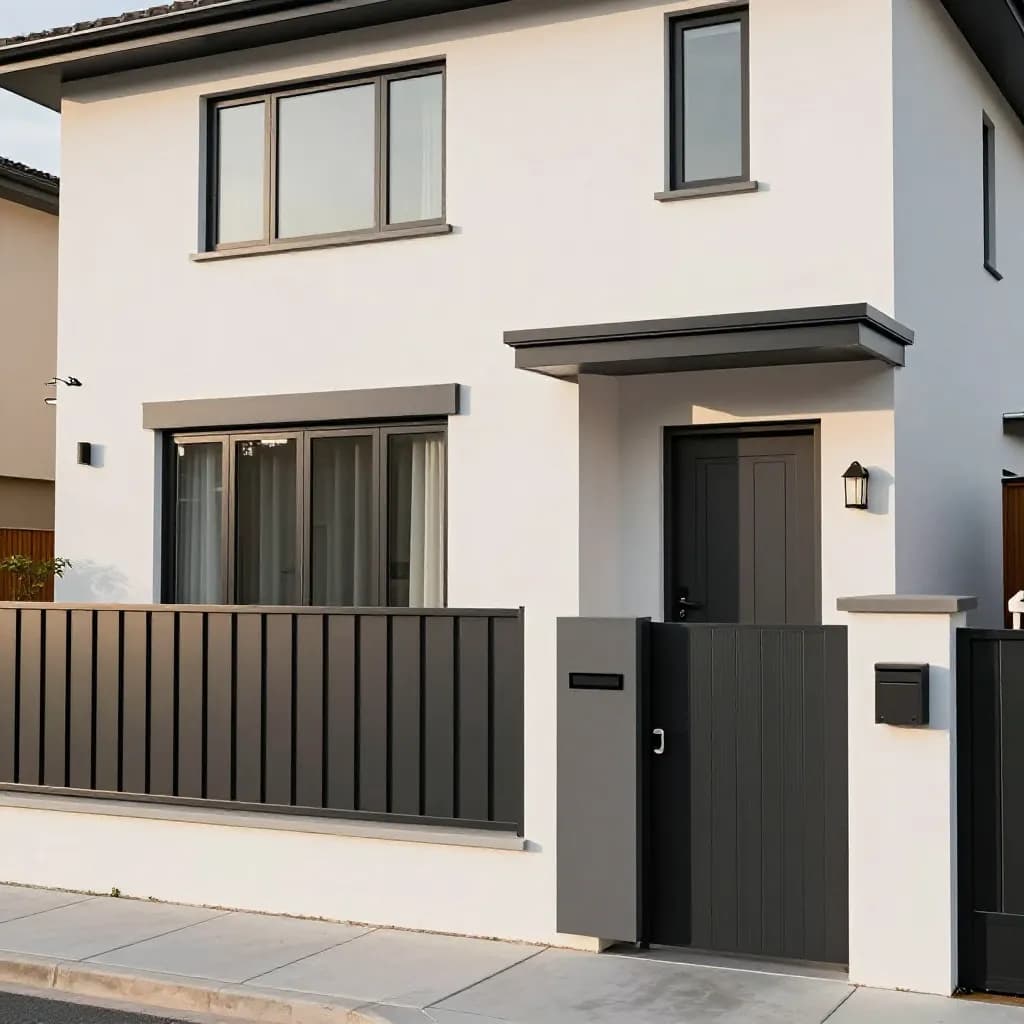
Beyond windows and doors, powder coating protects and beautifies a wide range of residential metalwork. Garden gates, driveway gates, and perimeter fencing are increasingly specified in powder-coated aluminum or steel, replacing traditional painted timber that demands constant maintenance. Balcony balustrades, juliet balconies, and staircase railings benefit from the durability and design flexibility of powder-coated finishes.
Ready to Start Your Project?
From one-off customs to 15,000-part production runs — get precise pricing in 24 hours.
On This Page
Powder Coating in the Modern Home
Garage doors, carport structures, outdoor furniture, pergola frames, and even letterboxes and house number plates can all be powder coated to create a coordinated aesthetic across the entire property. The ability to specify a single color or finish across all external metalwork gives architects and homeowners a powerful tool for creating a cohesive, high-quality residential design.
Why Homeowners Benefit from Powder Coating
The primary benefit of powder coating for homeowners is the elimination of routine painting maintenance. A powder-coated finish on aluminum delivers a 20-25 year maintenance-free service life, requiring nothing more than occasional cleaning with water and mild detergent. For homeowners accustomed to repainting gates, fences, and window frames every few years, this represents a transformative reduction in time, effort, and cost.
Zero VOC emissions make powder coating the safest finish for homes where families live and children play. Unlike solvent-based liquid paints that off-gas volatile organic compounds for weeks or months after application, powder-coated surfaces are chemically inert from the moment they leave the factory. There are no fumes, no chemical smells, and no health concerns — a particularly important consideration for window frames and doors that are in close proximity to living spaces.
The non-combustible A1/A2 Euroclass fire rating of powder-coated aluminum provides an additional layer of safety for residential buildings. In an era of increasing awareness about building fire safety, specifying non-combustible materials for external metalwork is a responsible choice that protects both the property and its occupants.
Popular Residential Colors
Residential color trends in powder coating reflect broader architectural fashion while maintaining a core palette of enduring favorites. RAL 7016 Anthracite Grey has become the defining color of contemporary residential architecture, specified for window frames, doors, gates, and fencing on modern homes across Europe and beyond. Its sophisticated, dark tone complements both light render and natural materials such as timber and stone.
RAL 9005 Jet Black and RAL 9010 Pure White remain perennial choices, offering clean, high-contrast aesthetics that suit both traditional and modern designs. RAL 8017 Chocolate Brown is popular for homes in rural settings where a warmer, more natural tone is preferred, while the growing range of wood-grain sublimation finishes allows homeowners to achieve the appearance of natural timber on aluminum profiles without any of the maintenance burden.
Metallic finishes, textured coatings, and matte effects are increasingly popular in the residential sector, allowing homeowners to differentiate their properties with distinctive, premium-feeling finishes. The ability to specify different colors on interior and exterior faces of window profiles means that a homeowner can have anthracite grey on the outside and pure white on the inside, coordinating with both the facade and the interior design scheme.
The Hidden Cost of Liquid Paint for Homeowners
Homeowners who choose liquid-painted metalwork often underestimate the true lifecycle cost. A liquid paint finish on external metalwork typically lasts 8-12 years before visible degradation — fading, chalking, cracking, or peeling — necessitates repainting. Over a 25-year period, this means at least two full repainting cycles, each involving surface preparation, primer application, and topcoat application.
The direct costs of repainting include materials, equipment hire or contractor fees, and the homeowner's own time if undertaking the work themselves. Weekend after weekend spent sanding, priming, and painting gates, fences, and window frames is a hidden cost that rarely features in the initial purchase decision but accumulates significantly over the years. For elevated or difficult-to-access elements such as upper-floor windows and balustrades, professional access equipment adds further expense.
Solvent fumes from liquid paint application near living spaces are an additional concern. Painting window frames and doors with solvent-based products generates chemical odors that permeate into the home, requiring ventilation and causing discomfort for occupants. Water-based alternatives reduce but do not eliminate VOC emissions, and their durability in exterior applications is generally inferior to both solvent-based liquid paints and powder coatings.
Specification Tips for Residential Projects
When specifying powder coating for residential projects, the minimum standard should be Qualicoat Class 1 certification. This ensures that the coating system — including pretreatment, powder application, and curing — meets independently verified performance requirements for adhesion, hardness, film thickness, and weathering resistance. Class 1 certification is appropriate for most residential applications in sheltered or moderately exposed locations.
For elements with higher exposure — south-facing facades, coastal locations, or fully exposed fencing and gates — Qualicoat Class 2 provides enhanced weathering resistance with superdurable polyester formulations that maintain color and gloss for longer periods under intense UV exposure. The incremental cost of Class 2 over Class 1 is modest and well justified for elements that are difficult or expensive to access for future maintenance.
Homeowners should also ensure that their fabricator or installer uses powder from approved Qualicoat-licensed suppliers and that the coating is applied by a Qualicoat-approved applicator. This chain of certification provides traceability and quality assurance from powder manufacture through to the finished product, giving homeowners confidence that their investment in powder-coated metalwork will deliver the expected 20-25 year performance.
Adding Value to Your Home
Powder-coated metalwork is increasingly recognized as a marker of quality in residential property. Estate agents and property valuers note that homes with well-maintained, high-quality external metalwork command higher prices and attract buyers more quickly than those with visibly deteriorating painted surfaces. The crisp, consistent finish of powder-coated windows, doors, and gates signals that a property has been specified and maintained to a high standard.
Curb appeal is the most immediate impact. A coordinated scheme of powder-coated metalwork — matching window frames, entrance door, gate, and fencing in a consistent color and finish — creates a polished, cohesive first impression that distinguishes a property from its neighbors. This visual quality is maintained for decades without the gradual decline in appearance that characterizes liquid-painted metalwork as it ages.
Beyond aesthetics, the practical benefits of powder coating contribute to property value. Buyers increasingly research maintenance requirements before purchasing, and the prospect of 20-25 years without repainting external metalwork is a tangible selling point. The zero-VOC, non-combustible credentials of powder coating also align with growing buyer interest in healthy, safe, and sustainable homes.
Frequently Asked Questions
What is the most popular powder coating color for residential windows?
RAL 7016 Anthracite Grey is currently the most popular color for residential window frames and doors. Its sophisticated dark tone complements modern and traditional architecture alike. RAL 9005 Jet Black, RAL 9010 Pure White, and RAL 8017 Chocolate Brown are also widely specified, along with wood-grain sublimation finishes.
How long does powder coating last on home windows and gates?
Powder coating on aluminum windows, gates, and fencing typically lasts 20-25 years before recoating is needed, compared to 8-12 years for liquid paint. This extended service life eliminates the need for routine repainting and significantly reduces the total cost of ownership for homeowners.
Is powder coating safe for homes with children?
Yes. Powder coating produces zero volatile organic compound emissions and the cured film is chemically inert and non-toxic. Unlike liquid paints that off-gas solvents near living spaces, powder-coated surfaces pose no health risk to children or other occupants from the moment of installation.
What Qualicoat class should I specify for my home?
Qualicoat Class 1 is the minimum recommended standard for residential applications in sheltered or moderately exposed locations. For south-facing elements, coastal properties, or fully exposed gates and fencing, Qualicoat Class 2 provides enhanced UV and weathering resistance at a modest additional cost.
Ready to Start Your Project?
From one-off customs to 15,000-part production runs — get precise pricing in 24 hours.