Religious buildings and places of worship hold a unique position in the built environment. Churches, cathedrals, mosques, synagogues, temples, and other sacred structures are often among the oldest, most architecturally significant, and most culturally valued buildings in their communities. The metalwork within and upon these buildings — from decorative ironwork and stained glass frames to bell towers, domes, and entrance systems — carries both functional and symbolic significance that demands the highest standards of care in its preservation and finishing.
Architecture
Powder Coating for Religious Buildings and Places of Worship: Heritage Restoration, Decorative Metalwork, and Bell Towers
Sundial Powder Coating·April 22, 2026·11 min
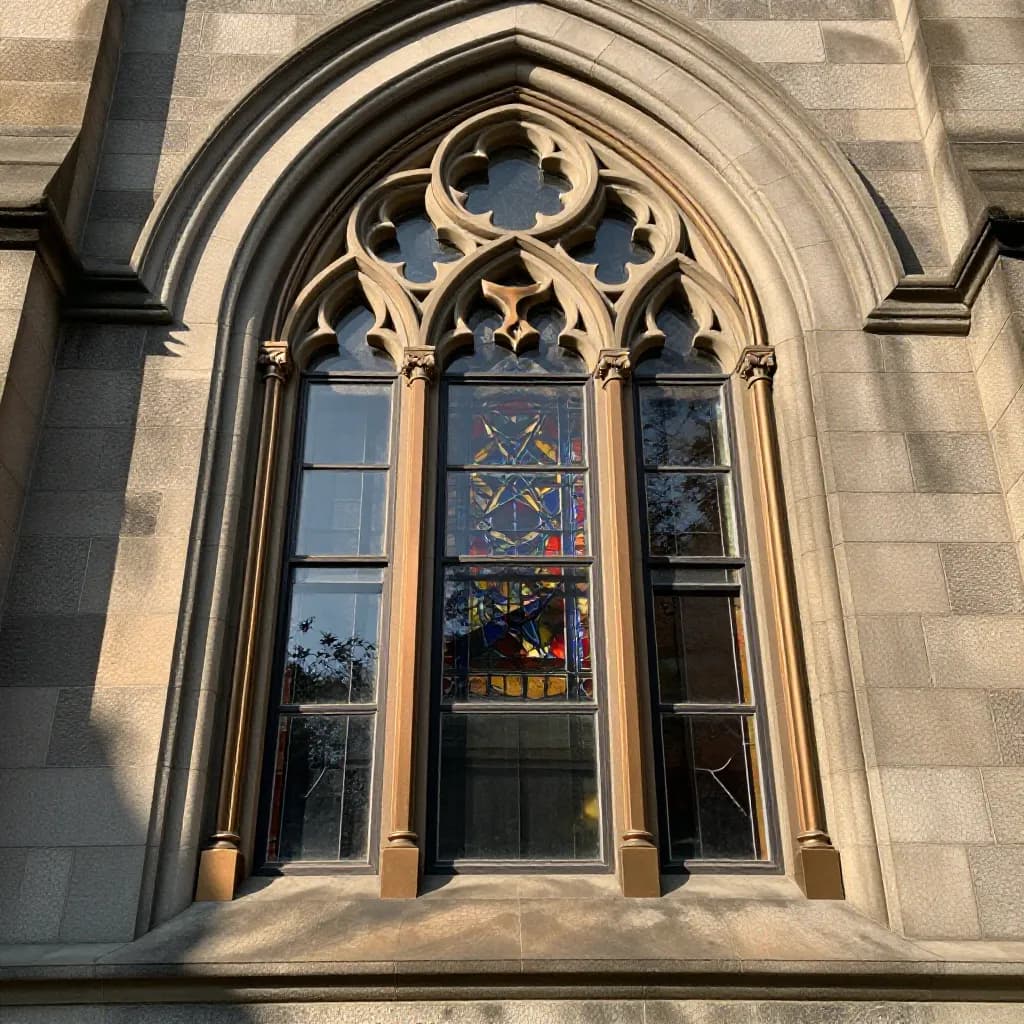
Powder coating has become an increasingly accepted technology for religious building metalwork because it delivers the combination of aesthetic precision, long-term durability, and heritage sensitivity that these buildings require. The 60-120 micron film thickness provides robust protection for metalwork exposed to centuries of weather, while the zero VOC characteristic ensures that coating work does not compromise the interior environment of spaces used for worship and contemplation.
Ready to Start Your Project?
From one-off customs to 15,000-part production runs — get precise pricing in 24 hours.
On This Page
Religious Architecture: Where Spiritual Purpose Meets Material Preservation
From the restoration of medieval ironwork to the finishing of contemporary worship space interiors, powder coating serves the full spectrum of religious architecture. This article examines how the technology addresses the specific challenges of sacred buildings, including heritage restoration principles, decorative metalwork finishing, stained glass frame protection, and the culturally sensitive application of modern coating technology to buildings of profound spiritual significance.
Heritage Restoration: Conservation Principles and Modern Protection
The restoration of metalwork on historic religious buildings must balance the preservation of original character with the application of effective modern protection. Conservation principles — including minimum intervention, reversibility, and respect for historic fabric — guide the approach, and any coating technology used must be compatible with these principles while delivering the long-term protection that ensures the building's survival for future generations.
Powder coating meets conservation requirements through several key characteristics. The technology can replicate the appearance of historic finishes — including the specific colors, textures, and patina effects of original paint schemes — through spectrophotometric color matching and specialized texture formulations. Heritage-effect powder coatings can reproduce the appearance of aged bronze, weathered copper, traditional lead paint, and historic iron oxide primers, providing visual authenticity while delivering modern thermoset durability.
The reversibility of powder coating satisfies a fundamental conservation principle. Powder coatings can be removed through controlled thermal stripping at temperatures that do not damage the underlying iron or steel substrate, or through chemical stripping using methods appropriate to the specific metal. This allows future conservators to access the original material for examination, treatment, or alternative finishing without irreversible alteration of the historic fabric.
Documentation is an essential component of heritage coating work. The powder coating specification — including color reference, formulation type, film thickness, and pretreatment method — should be recorded in the building's conservation management plan, providing a permanent record for future maintenance and restoration. Retained samples of the applied powder coating serve as reference standards for future color matching, ensuring consistency across maintenance cycles that may span decades.
Decorative Metalwork: Gates, Screens, and Ornamental Elements
Religious buildings are often distinguished by their decorative metalwork — entrance gates, choir screens, altar rails, memorial plaques, candelabra, and ornamental grilles that combine functional purpose with artistic expression. These elements may range from medieval wrought iron to Victorian cast iron to contemporary fabricated steel, and each requires a finishing approach that respects its character while providing effective protection.
Powder coating excels on decorative metalwork because the electrostatic application process achieves uniform coverage on complex three-dimensional forms. Charged powder particles wrap around the intricate profiles of scrollwork, finials, rosettes, and tracery, reaching recesses and undercuts that are difficult to coat consistently with brush or spray application of liquid paint. The result is a continuous, defect-free film that protects every surface of the decorative element, including the hidden areas where corrosion typically initiates on liquid-painted metalwork.
For wrought iron elements with their characteristic surface texture — the hammer marks, fire scale, and forge welding lines that record the blacksmith's craft — the powder coating must be applied at a thickness that protects without obscuring these historic surface features. Skilled powder coating applicators adjust their technique to achieve the minimum effective film thickness on textured surfaces, preserving the visual and tactile character of the ironwork while providing adequate corrosion protection.
Multi-color and gilded effects on decorative metalwork can be achieved through selective masking and multi-stage powder application. Gold, silver, and bronze metallic powder coatings replicate the appearance of traditional gilding and metal leaf finishes, providing the visual richness expected on religious decorative metalwork with the durability and weather resistance of modern thermoset technology. For interior applications where UV exposure is minimal, these metallic finishes maintain their appearance indefinitely, eliminating the periodic re-gilding that traditional metal leaf finishes require.
Stained Glass Frames and Window Systems
Stained glass windows are among the most precious and vulnerable elements of historic religious buildings. The metal frames that support these windows — typically steel, iron, or bronze — must provide structural support for the glass panels while resisting the corrosion that can cause frame expansion, glass cracking, and ultimately the loss of irreplaceable artwork. The coating on these frames is therefore a critical conservation measure, not merely an aesthetic treatment.
Powder coating on stained glass support frames provides superior protection compared to traditional liquid painting. The 60-120 micron film creates a continuous, impervious barrier against moisture ingress — the primary cause of corrosion in window frames. The dense, non-porous thermoset film prevents the capillary moisture penetration that occurs through the micro-porosity of liquid paint films, providing more effective protection at the critical interface between metal frame and glass panel where moisture accumulation is most damaging.
For ferrous metal frames — steel and iron T-bars, saddle bars, and ferramenta — corrosion causes volumetric expansion that exerts pressure on the glass, leading to cracking and eventual loss of glass pieces. Powder coating's long-term corrosion protection delays or prevents this expansion, protecting both the frame and the glass it supports. The 20-25 year service life of powder coating on properly pretreated ferrous metal significantly extends the interval between frame maintenance interventions, reducing the frequency with which stained glass panels must be removed for frame treatment.
The color of window frame coatings is carefully considered in stained glass conservation. Dark colors — typically black or dark bronze — are standard for interior-visible frame elements, as they minimize visual interference with the transmitted light of the stained glass. Powder coating's precise color control ensures that frame colors are consistent across all windows in the building, and the matte or satin finishes typically specified eliminate reflections that could distract from the glass artwork.
Bell Towers, Spires, and Elevated Metalwork
The elevated metalwork of religious buildings — bell tower structures, spire frameworks, cross finials, weathervanes, and lightning protection systems — is fully exposed to the most aggressive weather conditions. Wind, rain, UV radiation, temperature extremes, and atmospheric pollutants all attack these elements with an intensity that increases with height. Maintenance access is difficult, dangerous, and expensive, making the specification of the most durable coating system an economic and practical necessity.
Powder coating provides the long-term protection that elevated religious building metalwork requires. Super-durable polyester formulations certified to Qualicoat Class 2 maintain their color and protective properties for 20-25 years, significantly extending the interval between the costly access operations needed to maintain elevated elements. For bell tower steelwork, where the combination of weather exposure and vibration from bell ringing creates particularly demanding conditions, powder coating's adhesion and flexibility ensure that the film maintains its integrity through years of dynamic loading.
Bell frames and their associated hardware — headstocks, bearings, clappers, and stay mechanisms — operate in environments of extreme vibration and occasional moisture exposure. While the moving parts of bell installations require specialized tribological treatments, the structural bell frame and tower steelwork benefit from powder coating's combination of corrosion protection and vibration resistance. The thermoset film maintains adhesion under the cyclic loading generated by bell ringing, avoiding the micro-cracking and delamination that can affect more rigid liquid paint films under similar conditions.
Cross finials, weathervanes, and other decorative elements at the apex of religious buildings are the most exposed metalwork on the structure. These elements are often fabricated from copper, bronze, or gilded iron, and their coating must provide weather protection while maintaining the intended metallic appearance. Metallic powder coatings in gold, bronze, and copper tones provide the visual effect of traditional metal finishes with the weather resistance of modern thermoset technology, maintaining their appearance at heights where close inspection is impossible and maintenance access is prohibitively expensive.
Contemporary Worship Spaces: Modern Design and Acoustic Integration
Contemporary religious buildings — including modern churches, mosques, community worship centers, and multi-faith spaces — present different challenges from heritage restoration. These buildings use modern materials and construction methods, and their metalwork finishes must support contemporary architectural expression while meeting the functional requirements of worship spaces, including acoustic performance, lighting design, and flexible use.
Powder-coated aluminum and steel are standard materials for contemporary worship space interiors. Ceiling systems, wall panels, screen elements, and liturgical furniture all benefit from powder coating's combination of aesthetic quality and practical durability. The factory-applied finish provides the flawless surface quality expected in spaces designed for contemplation and spiritual experience, free from the imperfections that can result from on-site liquid painting.
Acoustic performance is critical in worship spaces, and powder-coated perforated metal panels are widely used as acoustic absorber facings. The powder coating must be applied without blocking the perforations that allow sound to pass through to the absorptive material behind. Electrostatic powder application achieves this, with the charged particles coating the panel surface and perforation edges without bridging the openings, maintaining the acoustic transparency of the panel while providing a durable, attractive finish.
The zero VOC characteristic of powder coating is particularly valued in worship spaces where large congregations gather in enclosed environments. The absence of volatile emissions from coated surfaces contributes to the indoor air quality of spaces that may be occupied for extended periods during services, ceremonies, and community events. For faith communities with environmental stewardship commitments, the sustainability credentials of powder coating — zero VOC, 95-98% material efficiency, and full recyclability — align with values of responsible resource use and care for creation.
Cultural Sensitivity and Symbolic Color in Religious Architecture
Color carries profound symbolic meaning in religious architecture. Gold represents divinity in Christian tradition, green is sacred in Islam, saffron holds spiritual significance in Hinduism and Buddhism, and blue symbolizes heaven across multiple faith traditions. The specification of colors for religious building metalwork must respect these symbolic associations while achieving the practical requirements of durability and protection.
Powder coating's extensive color range and custom matching capability allow precise reproduction of culturally and spiritually significant colors. Whether matching the specific gold of a Byzantine dome, the green of a mosque's decorative metalwork, or the saffron of a temple's entrance gates, powder coating delivers the color accuracy that symbolic application demands. Spectrophotometric measurement ensures that the applied color matches the specified reference within tight tolerances, and the long-term color stability of super-durable polyester formulations ensures that symbolic colors maintain their intended meaning throughout the building's service life.
The sensitivity required in working with religious buildings extends beyond color to the entire approach to coating specification and application. Consultation with religious leaders, congregation members, and heritage advisors ensures that coating decisions respect the spiritual and cultural significance of the building. The timing of coating work may need to accommodate religious calendars, and the conduct of work within sacred spaces must respect the sanctity of the environment.
For multi-faith buildings and community worship spaces that serve diverse religious communities, the flexibility of powder coating supports the creation of environments that are welcoming and appropriate for all users. Neutral finishes for shared spaces can be combined with faith-specific colors for dedicated worship areas, with powder coating's rapid color-change capability enabling efficient production of the multiple color specifications required for these complex projects.
Frequently Asked Questions
Is powder coating reversible for heritage religious building restoration?
Yes. Powder coatings can be removed through controlled thermal stripping or chemical methods without damaging the underlying iron, steel, or bronze substrate. This reversibility satisfies conservation principles and allows future conservators to access original material for examination or alternative treatment.
Can powder coating replicate historic metalwork finishes on churches?
Yes. Heritage-effect powder coatings replicate aged bronze, weathered copper, traditional lead paint, and historic iron oxide primers through spectrophotometric color matching and specialized texture formulations. These finishes provide visual authenticity with modern thermoset durability.
How does powder coating protect stained glass window frames?
The 60-120 micron film creates an impervious barrier against moisture that causes frame corrosion and expansion. This prevents the volumetric expansion of corroding iron that cracks stained glass panels, extending maintenance intervals to 20-25 years and reducing the frequency of glass removal for frame treatment.
Is powder coating suitable for bell tower steelwork?
Yes. Powder coating's adhesion and flexibility maintain film integrity under the vibration generated by bell ringing. Super-durable polyester formulations provide 20-25 years of weather protection on elevated structures, significantly reducing the costly access operations needed for maintenance.
Can powder coating achieve the gold and bronze finishes used in religious architecture?
Yes. Metallic powder coatings in gold, bronze, copper, and silver tones replicate traditional gilding and metal leaf finishes. For interior applications, these finishes maintain their appearance indefinitely, eliminating the periodic re-gilding required by traditional metal leaf.
Ready to Start Your Project?
From one-off customs to 15,000-part production runs — get precise pricing in 24 hours.