Red is one of the most visually powerful colors available in powder coating, commanding attention and conveying urgency, energy, and brand identity with unmatched immediacy. From fire safety equipment and emergency signage to sports cars and iconic brand installations, red powder coating serves applications where visibility and emotional impact are paramount. No other color in the spectrum carries the same combination of psychological intensity and functional significance.
Design
Powder Coating Red Finishes: RAL 3000, 3020, Safety Red, Automotive, and Brand Applications
Sundial Powder Coating·April 22, 2026·11 min
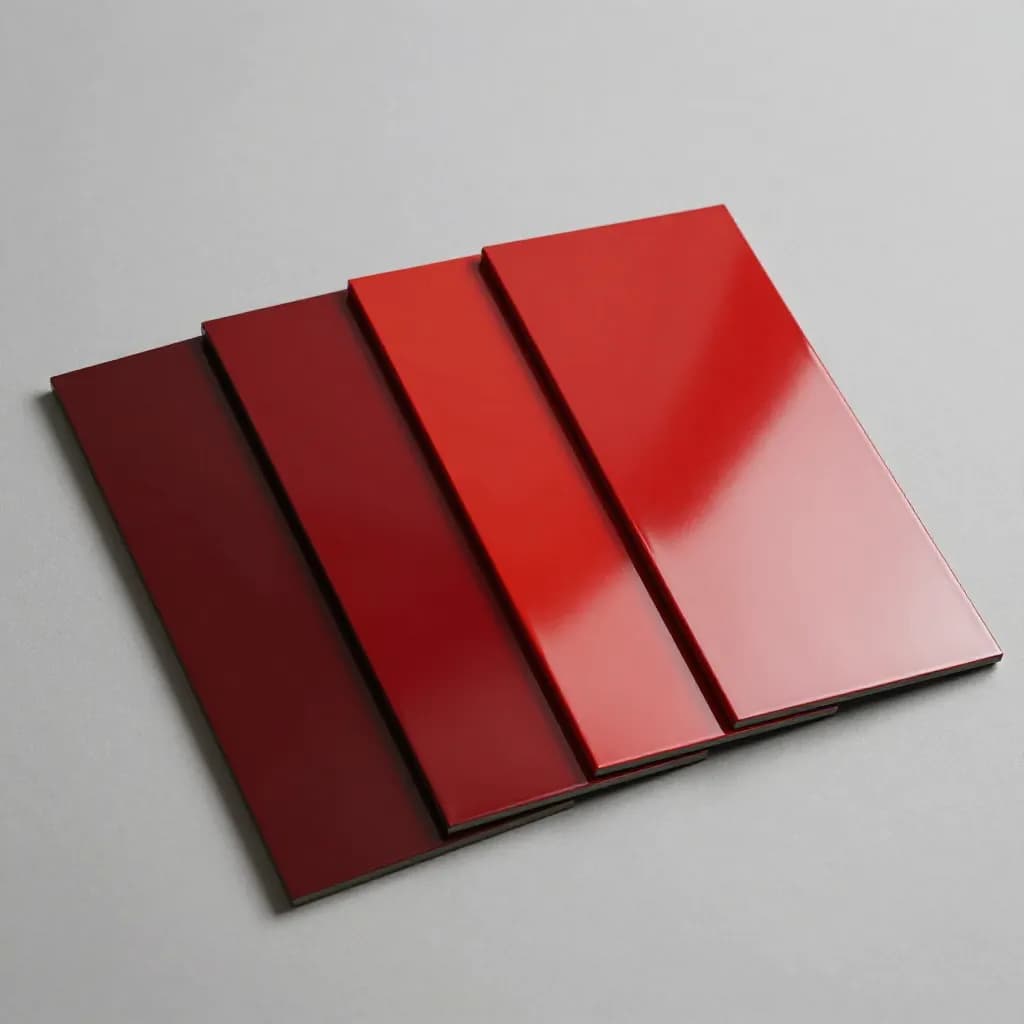
However, red is also one of the most technically demanding colors to specify and maintain. Red pigments are inherently more susceptible to UV degradation than many other colors, meaning that exterior red finishes require careful resin and pigment selection to prevent fading and color shift over time. The human eye is also exceptionally sensitive to variations in red, making batch-to-batch consistency and color matching more challenging than with neutral colors. Even minor formulation differences that would be invisible in a grey or black finish become noticeable in red.
Ready to Start Your Project?
From one-off customs to 15,000-part production runs — get precise pricing in 24 hours.
On This Page
Red Powder Coating: High Impact Color with Critical Specification Requirements
The RAL 3000 series offers a comprehensive range of reds, from warm orange-reds to cool blue-reds, each suited to different applications and design contexts. Understanding the differences between these reds, and the technical considerations that apply to red powder coating in general, is essential for achieving durable, consistent results that meet both aesthetic and functional requirements.
RAL 3000 Flame Red vs RAL 3020 Traffic Red: Key Differences
RAL 3000 Flame Red and RAL 3020 Traffic Red are the two most commonly specified reds in powder coating, and while they may appear similar at first glance, they serve different purposes and create different visual effects.
RAL 3000 Flame Red is a warm, slightly orange-toned red that evokes fire, heat, and energy. It is the standard red for fire extinguishers, fire hydrants, and fire safety equipment across much of Europe and internationally. RAL 3000 has a rich, saturated character that reads as a classic, traditional red. Its warm undertone makes it pair well with earth tones, warm metals, and natural materials.
RAL 3020 Traffic Red is a cooler, slightly blue-toned red that appears brighter and more vivid than RAL 3000. Originally specified for traffic signs, signals, and road safety equipment, RAL 3020 has become the go-to red for applications requiring maximum visibility and visual impact. Its cooler undertone gives it a more modern, graphic quality compared to the warmer RAL 3000.
Other notable reds in the RAL system include RAL 3001 Signal Red, which sits between RAL 3000 and RAL 3020 in terms of warmth and is widely used for safety signage and industrial marking. RAL 3002 Carmine Red is a deeper, more blue-toned red with a sophisticated character suited to architectural and design applications. RAL 3003 Ruby Red is a dark, rich red that approaches burgundy, popular for premium automotive and architectural features.
When selecting a red, the intended application context should drive the choice. Safety applications typically require specific reds mandated by regulations. Brand applications demand precise color matching to corporate standards. Architectural and design applications offer more freedom but require careful consideration of how the red will interact with surrounding materials and lighting conditions.
Safety Red: Regulatory Requirements and Standards
Red powder coating plays a critical role in safety applications, where specific shades of red are mandated by national and international regulations for fire equipment, emergency signage, hazard marking, and industrial safety systems. Understanding these regulatory requirements is essential for specifiers working on safety-critical projects.
Fire extinguishers and fire-fighting equipment are typically required to be finished in red conforming to specific standards. In Europe, EN 3 specifies the color requirements for portable fire extinguishers, with RAL 3000 Flame Red being the most commonly used shade. In North America, NFPA standards reference specific red shades for fire protection equipment. The exact shade required varies by jurisdiction and equipment type, so specifiers must verify local requirements before finalizing color selection.
Industrial safety marking uses red to indicate danger, prohibition, and fire-fighting equipment locations. ISO 3864 and ANSI Z535 define the use of safety colors including red, specifying chromaticity coordinates and luminance factors that the coating must achieve. Powder coating manufacturers offering safety reds typically provide documentation confirming compliance with these standards.
For safety applications, the durability of the red finish is not merely an aesthetic concern but a functional requirement. A faded or discolored fire extinguisher may not be immediately recognizable in an emergency. Specifying UV-stable polyester or super-durable polyester formulations ensures that safety reds maintain their visibility and regulatory compliance throughout the equipment's service life.
Gloss level also affects safety visibility. Semi-gloss finishes in the range of 50-70 gloss units at 60 degrees are typically specified for safety equipment because they provide good visibility without excessive glare that could impair readability of labels and markings. Matte finishes may reduce visibility in low-light conditions, while high-gloss finishes can create reflections that obscure surface markings.
Automotive and Motorsport Red Powder Coating
Red holds a special place in automotive culture, from the iconic rosso corsa of Italian racing heritage to the bold reds that dominate sports car showrooms worldwide. Powder coating has become an increasingly important finishing technology for automotive components, offering superior durability and environmental performance compared to traditional liquid automotive paints for wheels, brake calipers, engine components, and chassis parts.
Automotive red powder coatings are available in a wide range of effects beyond simple solid colors. Metallic reds incorporate aluminum flakes that create depth and sparkle, mimicking the multi-layer metallic paint systems used on vehicle bodies. Candy reds use transparent tinted topcoats over metallic base layers to create deep, luminous finishes with exceptional visual depth. Pearl reds incorporate mica-based pigments that shift between red and orange or red and violet depending on the viewing angle.
For brake caliper coating, red remains the most popular choice, with specific shades associated with premium automotive brands. Brake caliper powder coating must withstand extreme temperatures, typically requiring high-temperature polyester or silicone-modified formulations rated for continuous exposure above 200 degrees Celsius. Standard polyester powders will discolor and degrade under brake caliper operating temperatures.
Wheel coating in red demands excellent stone chip resistance and chemical resistance to brake dust, road salt, and cleaning agents. Super-durable polyester or polyurethane powder coatings provide the necessary combination of UV stability, mechanical toughness, and chemical resistance for wheel applications. A clear topcoat over metallic or effect red base coats adds additional protection and enhances the depth of the finish.
Custom color matching is common in automotive applications, where owners want their powder-coated components to match the vehicle's body color precisely. This requires spectrophotometer measurement of the original paint and careful formulation of a powder coating that achieves the closest possible match, accounting for the inherent differences in appearance between powder and liquid paint systems.
Brand Reds: Matching Corporate Colors in Powder Coating
Many of the world's most recognizable brands use red as their primary corporate color, and translating these brand colors into powder coating finishes requires precision, consistency, and an understanding of the limitations and possibilities of the medium. From retail signage and point-of-sale displays to corporate architecture and branded equipment, powder-coated brand reds must match approved color standards across all touchpoints.
The challenge of brand color matching in powder coating begins with the color reference system. Corporate brand colors are typically defined in Pantone, CMYK, or RGB color spaces that do not translate directly to powder coating formulations. A Pantone reference provides a physical color standard that can be measured and matched, but the appearance of a color on a coated metal surface differs from its appearance on printed paper due to differences in surface texture, gloss, and light interaction.
Successful brand red matching requires submitting an approved physical color standard, such as a Pantone chip, painted sample, or existing coated component, to the powder manufacturer for spectrophotometer analysis. The manufacturer then formulates a custom powder that achieves the closest possible match, typically targeting a Delta E value below 1.0 for critical brand applications. Sample panels are produced for approval before production coating begins.
Batch-to-batch consistency is particularly important for brand applications where coated components from different production runs must appear identical. Specifying tight color tolerances, requiring spectrophotometer verification of each powder batch, and maintaining approved reference panels throughout the project duration are essential quality control measures.
For multi-location brand rollouts, such as retail chains or franchise networks, establishing a single approved powder formulation and distributing it through a controlled supply chain ensures color consistency across all locations. This approach is more reliable than allowing individual coaters to match the brand color independently, which inevitably introduces variation.
UV Stability and Fade Resistance of Red Powder Coatings
Red pigments present unique challenges for UV stability in powder coating. Many traditional red pigments, particularly organic reds, are more susceptible to photodegradation than pigments used in other colors. This means that red powder coatings can fade, shift in tone, or lose saturation more quickly than blues, greens, or neutral colors when exposed to prolonged UV radiation.
The mechanism of red fading involves the breakdown of chromophore structures in the pigment molecules by UV energy. As these structures degrade, the red color loses intensity and may shift toward pink, orange, or a washed-out appearance. The rate of fading depends on the specific pigment chemistry, the resin system, the UV stabilizer package, and the intensity of UV exposure in the installation environment.
To maximize the fade resistance of red powder coatings, specify formulations that use high-performance inorganic or high-durability organic red pigments. Iron oxide reds offer excellent lightfastness but are limited to darker, more muted red shades. High-performance organic pigments such as DPP (diketopyrrolopyrrole) reds provide bright, saturated colors with significantly better UV stability than conventional organic reds.
The resin system also plays a critical role. Super-durable polyester formulations incorporate UV absorbers and hindered amine light stabilizers (HALS) that protect both the resin and the pigment from UV degradation. For the most demanding exterior applications, fluoropolymer powder coatings provide the ultimate level of color retention for red finishes.
Specifiers should request accelerated weathering test data for any red powder coating intended for exterior use. Look for color retention data expressed as Delta E values after specific exposure periods, and compare these against the requirements of the applicable quality standard. Qualicoat Class 2 and AAMA 2605 provide the most rigorous assurance of long-term color stability for exterior red finishes.
Red in Architectural and Interior Design Applications
Red powder coating in architecture and interior design serves as a powerful accent color that draws attention, creates focal points, and injects energy into otherwise neutral compositions. Used strategically, red transforms ordinary metalwork into statement features that define the character of a space or building.
In architectural facade design, red is typically used as an accent rather than a dominant color. Red entrance canopies, feature panels, window reveals, or structural elements create visual landmarks that aid wayfinding and establish building identity. The contrast between red metalwork and neutral facade materials such as concrete, glass, or grey cladding creates dynamic compositions that are visually engaging without being overwhelming.
Interior applications of red powder coating include furniture frames, shelving systems, staircase balustrades, and decorative screens. In hospitality and retail environments, red metalwork creates energetic, stimulating atmospheres that encourage activity and engagement. In corporate settings, red accents in brand colors reinforce identity and create memorable spaces.
The shade of red significantly affects the mood it creates. Bright, warm reds like RAL 3020 generate excitement and urgency. Deep, cool reds like RAL 3003 Ruby Red or RAL 3004 Purple Red convey luxury, sophistication, and warmth. Muted reds like RAL 3009 Oxide Red or RAL 3011 Brown Red create earthy, grounded atmospheres that connect to industrial heritage and natural materials.
For interior applications where UV exposure is limited, standard polyester or epoxy-polyester hybrid powder coatings provide adequate performance. The hybrid chemistry offers superior chemical and stain resistance, which is valuable for furniture and fixtures in commercial environments. For red elements near windows or in sunlit areas, polyester formulations should be specified to prevent fading.
Frequently Asked Questions
What RAL red is used for fire extinguishers?
RAL 3000 Flame Red is the most commonly specified red for fire extinguishers and fire-fighting equipment in Europe and internationally. However, specific requirements vary by jurisdiction, so always verify local regulations. The finish should use UV-stable polyester to maintain visibility throughout the equipment's service life.
Does red powder coating fade in sunlight?
Red pigments are more susceptible to UV fading than many other colors. To minimize fading, specify super-durable polyester formulations with high-performance pigments such as DPP reds. For critical exterior applications, request accelerated weathering data and specify Qualicoat Class 2 or AAMA 2605 certified coatings.
What is the difference between RAL 3000 and RAL 3020 red?
RAL 3000 Flame Red is a warm, slightly orange-toned red traditionally used for fire equipment. RAL 3020 Traffic Red is a cooler, brighter red with a slight blue undertone, originally specified for traffic signage. RAL 3020 appears more vivid and modern, while RAL 3000 has a classic, traditional character.
Can red powder coating match my brand's Pantone color?
Yes, powder manufacturers can custom-match brand colors from Pantone references using spectrophotometer analysis. Submit a physical color standard for matching, and specify a Delta E tolerance below 1.0 for critical brand applications. Batch consistency controls ensure the color remains accurate across production runs.
What red powder coating works for brake calipers?
Brake calipers require high-temperature powder coatings rated for continuous exposure above 200 degrees Celsius. Standard polyester reds will discolor under brake operating temperatures. Specify high-temperature polyester or silicone-modified formulations specifically designed for brake caliper applications.
Ready to Start Your Project?
From one-off customs to 15,000-part production runs — get precise pricing in 24 hours.