Product stewardship is the practice of minimizing the health, safety, and environmental impacts of a product throughout its entire lifecycle — from raw material extraction through manufacturing, distribution, use, and end-of-life management. For the powder coating industry, product stewardship encompasses the responsibilities of resin and additive manufacturers, powder coating formulators, applicators, and the end users of coated products. This shared responsibility model recognizes that environmental and health impacts occur at every stage of the product lifecycle and that effective management requires collaboration across the value chain.
Environmental
Product Stewardship in Powder Coatings: Cradle-to-Grave Responsibility and Design for Environment
Sundial Powder Coating·April 22, 2026·11 min
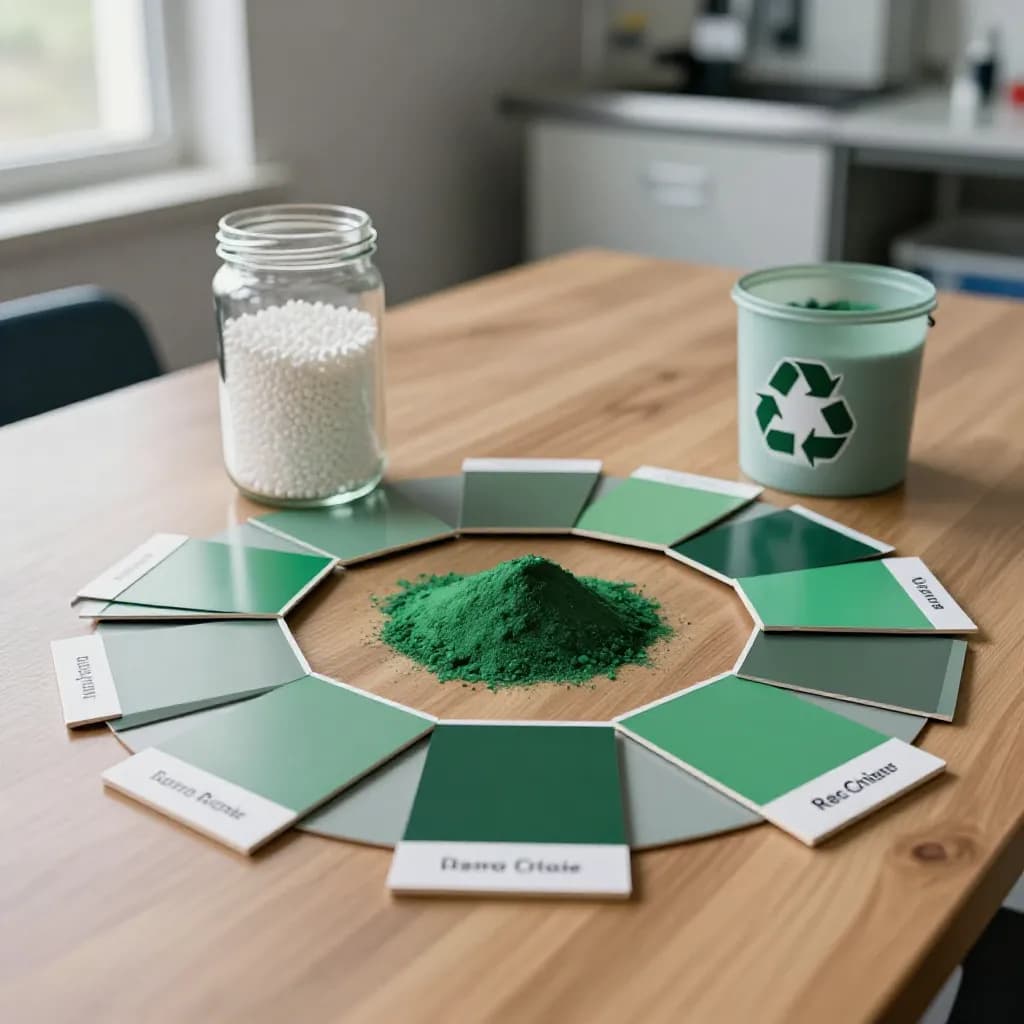
The concept of product stewardship has evolved from a voluntary best practice to an increasingly regulated obligation. Extended Producer Responsibility (EPR) legislation in the European Union and other jurisdictions places legal responsibility on producers for the end-of-life management of their products. While EPR regulations have primarily targeted packaging, electronics, and vehicles, the principles are progressively extending to other product categories, and the coatings industry is not immune to this trend. The EU's Chemicals Strategy for Sustainability explicitly calls for greater producer responsibility for the safe use and end-of-life management of chemical products.
Ready to Start Your Project?
From one-off customs to 15,000-part production runs — get precise pricing in 24 hours.
On This Page
Product Stewardship Principles for Powder Coatings
For powder coating companies, embracing product stewardship proactively — rather than waiting for regulatory mandates — provides competitive advantages. Companies that can demonstrate cradle-to-grave responsibility for their products build trust with customers, differentiate themselves in the market, and reduce the risk of future regulatory disruption. Product stewardship also drives innovation, as the discipline of considering lifecycle impacts during product development leads to formulations that are safer, more durable, and more environmentally responsible.
Design for Environment in Powder Coating Formulation
Design for Environment (DfE) integrates environmental considerations into the product development process from the earliest stages. For powder coating formulators, DfE means evaluating the environmental and health implications of raw material choices, formulation decisions, and performance specifications before a product reaches the market. This proactive approach is more effective and less costly than reformulating products after environmental or health concerns emerge.
Key DfE principles for powder coating formulation include hazard avoidance (selecting raw materials that minimize toxicity, sensitization potential, and environmental persistence), material efficiency (designing formulations that achieve required performance at minimum film thickness, reducing material consumption per unit area coated), energy efficiency (developing low-temperature cure formulations that reduce curing energy requirements), and durability optimization (formulating for maximum service life to reduce the frequency of recoating and the associated environmental impacts).
The practical application of DfE involves systematic screening of raw materials against hazard databases and regulatory watch lists during the formulation development stage. Tools such as the GreenScreen for Safer Chemicals, the Cradle to Cradle Certified material health methodology, and the REACH SVHC Candidate List provide frameworks for evaluating raw material hazard profiles. Formulators should also consider the end-of-life implications of their products — for example, whether the coating will interfere with substrate recycling, whether curing byproducts are environmentally benign, and whether the coating can be safely incinerated for energy recovery at end of life.
Responsible Raw Material Sourcing
Product stewardship begins with the sourcing of raw materials, and powder coating companies have a responsibility to understand and manage the environmental and social impacts of their supply chains. Responsible sourcing encompasses the environmental performance of raw material manufacturing processes, the social conditions under which raw materials are produced, the traceability of materials through the supply chain, and the avoidance of conflict minerals and other ethically problematic materials.
For powder coatings, key raw material categories requiring responsible sourcing attention include resins (derived from petrochemical or bio-based feedstocks), pigments (some of which involve mining operations with significant environmental impacts), fillers (mineral extraction and processing), and specialty additives. Titanium dioxide, one of the most widely used pigments in powder coatings, has a significant environmental footprint from mining (ilmenite and rutile ores) and processing (chloride or sulfate routes), and responsible sourcing of TiO2 is an area of increasing industry focus.
Supplier assessment and qualification programs are the primary mechanism for implementing responsible sourcing. These programs should evaluate suppliers against environmental criteria (ISO 14001 certification, environmental performance data, regulatory compliance history), social criteria (labor practices, community engagement, human rights policies), and governance criteria (anti-corruption policies, transparency, management systems). Regular supplier audits — either conducted directly or through third-party audit programs — verify that suppliers maintain the standards required. Industry initiatives such as the Together for Sustainability (TfS) program provide standardized supplier assessment frameworks that reduce duplication and improve consistency across the chemical industry supply chain.
Waste Powder Management and Take-Back Programs
Waste powder management is a critical element of product stewardship for the powder coating industry. Despite the high material utilization rates achieved through reclaim systems (95-98% in well-managed operations), some powder waste is inevitably generated. Sources include color change waste, contaminated reclaim powder, out-of-specification production batches, expired or obsolete inventory, and filter fines from booth exhaust systems. Responsible management of this waste is both an environmental obligation and a business opportunity.
Take-back programs, where powder coating manufacturers accept returned waste powder from their customers for recycling or responsible disposal, represent a proactive approach to product stewardship. Some manufacturers operate formal take-back programs that collect waste powder, sort it by chemistry and color family, and either reprocess it into lower-grade products or ensure its responsible disposal through licensed waste management facilities. These programs reduce the waste management burden on applicators, ensure proper handling of coating waste, and demonstrate the manufacturer's commitment to lifecycle responsibility.
Recycling options for waste powder include reprocessing into lower-specification products (such as general-purpose primers or non-critical industrial coatings), blending into composite materials, and energy recovery through incineration in waste-to-energy facilities. The feasibility of each option depends on the powder chemistry, contamination level, and local waste management infrastructure. Powder coating waste is generally classified as non-hazardous waste, but specific formulations containing heavy metals or other regulated substances may require hazardous waste management. Accurate waste characterization and proper classification are essential for regulatory compliance and for identifying the most environmentally responsible disposal or recycling pathway.
End-of-Life Considerations for Coated Products
Product stewardship extends to the end-of-life stage of coated products, where the powder coating's impact on substrate recyclability and waste management is an important consideration. The good news for the powder coating industry is that powder coatings generally do not impede the recycling of metal substrates. Aluminum recycling processes operate at temperatures that decompose the organic coating, and the small quantity of organic material from the coating is consumed in the melting process without significantly affecting metal quality. Steel recycling similarly accommodates powder-coated material without difficulty.
However, the composition of the powder coating can affect the environmental impact of end-of-life processing. Coatings containing heavy metals (lead, cadmium, hexavalent chromium) can contaminate recycled metal or generate hazardous emissions during melting. Coatings containing halogenated compounds can produce toxic byproducts during thermal processing. Product stewardship therefore requires that powder coating formulators consider the end-of-life implications of their ingredient choices and avoid substances that could create problems during substrate recycling or waste incineration.
The circular economy framework encourages thinking beyond simple recycling to consider how products and materials can be kept in use at their highest value for as long as possible. For powder coatings, this means maximizing coating durability to extend the service life of coated products, designing coatings that can be stripped and recoated when refurbishment is more resource-efficient than replacement, and ensuring that coating chemistry is compatible with the most efficient recycling pathways for the substrate material. These considerations should be integrated into the product development process as part of the DfE approach.
Communication and Transparency in Product Stewardship
Effective product stewardship requires transparent communication of product information throughout the value chain. Powder coating manufacturers should provide comprehensive product information that enables downstream users to make informed decisions about product selection, safe use, and end-of-life management. This information goes beyond the minimum regulatory requirements of Safety Data Sheets to include environmental performance data, health and safety guidance for specific applications, and end-of-life management recommendations.
Environmental Product Declarations (EPDs), Health Product Declarations (HPDs), and material ingredient disclosure formats such as Declare labels provide standardized frameworks for communicating product environmental and health information. These disclosure tools are increasingly requested by customers in the construction, automotive, and consumer goods sectors, and their availability can influence specification decisions. Powder coating manufacturers who invest in developing these disclosure documents demonstrate transparency and provide tangible value to customers pursuing green building certifications or corporate sustainability goals.
Product stewardship communication should also address the safe handling, storage, and disposal of powder coatings throughout their lifecycle. Application guidelines that specify recommended film thicknesses, curing conditions, and substrate preparation requirements help ensure that coatings perform as intended, maximizing service life and minimizing the need for premature recoating. Storage recommendations that specify temperature and humidity conditions prevent product degradation and waste. End-of-life guidance that identifies appropriate disposal or recycling pathways for waste powder and coated products completes the lifecycle communication chain.
Building a Product Stewardship Program
Implementing a comprehensive product stewardship program requires organizational commitment, cross-functional collaboration, and systematic processes. The program should be led by a designated product stewardship manager or team with authority to influence product development, procurement, manufacturing, and customer communication decisions. Senior management sponsorship is essential to ensure that product stewardship considerations are given appropriate weight in business decisions.
The program framework should include a product stewardship policy that articulates the organization's commitment and principles, a product lifecycle assessment process that evaluates environmental and health impacts at each stage, a raw material screening and approval process that incorporates hazard assessment and responsible sourcing criteria, a regulatory monitoring process that tracks emerging regulations and substance restrictions, a customer communication process that ensures product information is accurate, complete, and accessible, and a waste management and take-back process that addresses end-of-life responsibilities.
Performance measurement is essential for driving improvement and demonstrating program effectiveness. Key metrics might include the percentage of products with published EPDs or HPDs, the number of hazardous substances eliminated through reformulation, the percentage of raw materials sourced from audited suppliers, waste powder recycling rates, and customer satisfaction with product stewardship information. Regular reporting of these metrics — in sustainability reports, customer communications, and industry forums — demonstrates commitment and enables benchmarking against industry peers. The product stewardship program should be reviewed and updated regularly to reflect changes in regulations, customer expectations, and best practices.
Frequently Asked Questions
What is product stewardship in powder coatings?
Product stewardship is the practice of minimizing health, safety, and environmental impacts throughout a powder coating's entire lifecycle — from raw material sourcing through manufacturing, application, service life, and end-of-life management. It involves shared responsibility across the value chain and proactive management of lifecycle impacts.
Do powder coatings affect metal recycling?
Powder coatings generally do not impede metal recycling. The organic coating decomposes during aluminum or steel melting processes without significantly affecting metal quality. However, coatings containing heavy metals or halogenated compounds can create environmental issues during recycling, which is why responsible formulation avoids these substances.
What is Design for Environment in powder coating?
Design for Environment (DfE) integrates environmental considerations into formulation development, including hazard avoidance in raw material selection, material efficiency through optimized film thickness, energy efficiency through low-temperature cure chemistry, and durability optimization to maximize service life and reduce recoating frequency.
What are powder coating take-back programs?
Take-back programs are manufacturer-operated systems that accept waste powder from customers for recycling or responsible disposal. Collected powder may be reprocessed into lower-grade products, blended into composites, or sent to waste-to-energy facilities. These programs reduce customer waste management burden and demonstrate lifecycle responsibility.
What disclosure documents support product stewardship?
Key disclosure documents include Environmental Product Declarations (EPDs) for lifecycle environmental impacts, Health Product Declarations (HPDs) for ingredient transparency and hazard screening, Declare labels for material ingredient disclosure, and Safety Data Sheets (SDS) for hazard communication. These are increasingly required by customers pursuing sustainability certifications.
Ready to Start Your Project?
From one-off customs to 15,000-part production runs — get precise pricing in 24 hours.