Playground equipment operates under a unique combination of demands where child safety is the absolute priority. Every surface that children touch, grip, climb on, or slide across must be free from toxic materials, sharp edges, and any coating defect that could cause injury. The finish must be smooth enough to prevent splinters and abrasion injuries, yet provide sufficient grip on climbing elements to prevent slipping.
Architecture
Powder Coating for Playground Equipment: Safety and Durability
Sundial Powder Coating·April 20, 2026·9 min
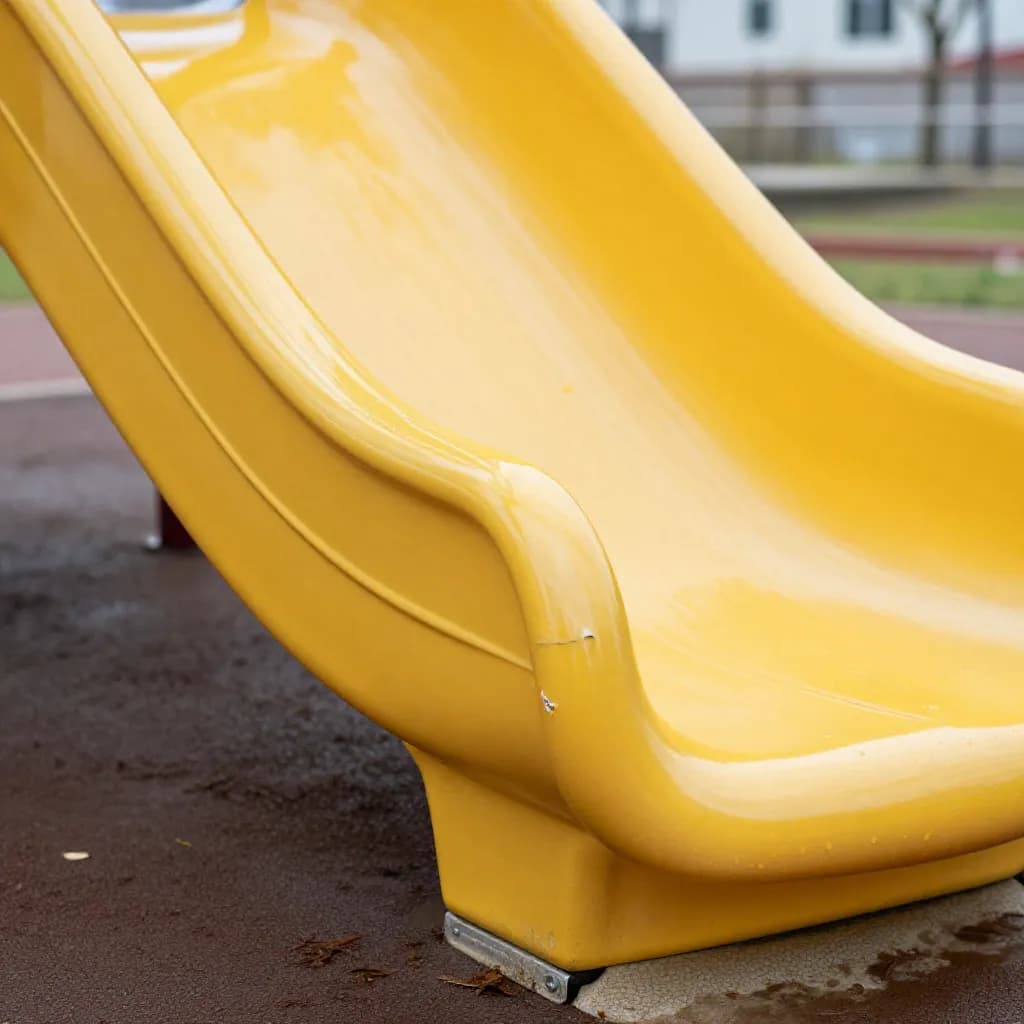
Beyond safety, playground coatings must withstand extraordinary physical demands. Children climb, swing, slide, and hang from equipment with an energy and frequency that creates intense mechanical stress on every coated surface. Grip points on climbing frames experience concentrated abrasion from thousands of small hands daily, while slide surfaces must resist the friction of continuous use without wearing through to expose bare metal.
Ready to Start Your Project?
From one-off customs to 15,000-part production runs — get precise pricing in 24 hours.
On This Page
Playground Coating Requirements
Outdoor playground equipment faces year-round weather exposure with no shelter or protection. UV radiation, rain, frost, and temperature cycling attack the coating system continuously, while the metal substrate beneath expands and contracts with temperature changes. The coating must accommodate this thermal movement without cracking or losing adhesion, maintaining its protective and aesthetic properties through every season.
Why Powder Coating Is the Standard for Playgrounds
Powder coating has become the industry standard finish for playground equipment, and the reasons are compelling. The zero VOC composition means that the coating contains no volatile solvents that could pose health risks to children who touch, grip, and inevitably mouth playground surfaces. Parents and playground operators can be confident that the finish is chemically inert and non-toxic once cured, presenting no ingestion or contact hazard.
The absence of flaking is a critical safety advantage. Liquid paint at 25-50 microns is prone to chipping and peeling under the intense mechanical stress of playground use, creating sharp paint flakes that can cut skin and expose bare metal edges. Powder coating at 60-120 microns forms a tough, adherent film that resists chipping and peeling, maintaining a smooth, continuous surface even under the most demanding use conditions.
The thick film build of powder coating provides a substantial protective barrier that extends equipment service life. The 60-120 micron coating resists the abrasion of climbing, the impact of swinging components, and the friction of sliding surfaces far more effectively than thin liquid paint. This durability translates directly into longer intervals between equipment refurbishment or replacement, maximizing the operational life of playground investments.
Color for Play: Bright, Themed, and Functional
Color is fundamental to playground design, creating the visual excitement and stimulation that attracts children and encourages active play. Bright primary colors — reds, yellows, blues, and greens — are the traditional playground palette, and powder coating delivers these colors with the vibrancy and consistency that playground designers specify. The technology produces intense, saturated colors that maintain their visual impact through years of outdoor exposure.
Themed playground designs increasingly use custom color palettes to create immersive play environments. Nature-themed playgrounds may use earth tones and forest greens, while adventure-themed installations might feature bold metallic silvers and industrial greys. Powder coating's custom color matching capability supports any design concept, with precise reproduction of specified colors across all equipment components.
Functional color coding also plays a role in playground design. Different colors can indicate age-appropriate zones, distinguish between equipment types, or guide children through sequential play activities. The long-term color stability of powder coating ensures that these functional color distinctions remain clear and effective throughout the equipment's service life, maintaining the designer's intended play experience for 20-25 years.
Weather Resistance for Year-Round Outdoor Use
Playground equipment must perform reliably in all weather conditions, from intense summer UV exposure to freezing winter temperatures. Powder coating's polyester formulations are specifically engineered for outdoor durability, with UV stabilizers and pigment systems that resist the photodegradation responsible for fading, chalking, and gloss loss in lesser coating systems.
Moisture resistance is critical for equipment that stands in the open year-round. Rain, dew, and melting frost create persistent moisture exposure that can penetrate thin or damaged coating films and initiate corrosion of the steel substrate beneath. Powder coating's dense, pinhole-free film at 60-120 microns provides an effective moisture barrier that prevents water from reaching the metal, maintaining the structural integrity of the equipment.
Temperature cycling creates expansion and contraction stress that can crack rigid coating systems. Powder coating's thermoset polymer matrix provides sufficient flexibility to accommodate the thermal movement of metal substrates through seasonal temperature ranges without cracking or losing adhesion. This flexibility, combined with the coating's inherent toughness, ensures that the protective barrier remains intact through years of thermal cycling in outdoor environments.
Safety Standards and Testing Requirements
Playground equipment is subject to rigorous safety standards that govern every aspect of design, manufacture, and installation. European standard EN 1176 and its international equivalents set requirements for structural integrity, entrapment hazards, fall heights, and surface finishes. The coating system applied to playground equipment must comply with these standards, particularly regarding surface smoothness, absence of sharp edges, and resistance to degradation that could create hazards.
Toxicity testing is a specific requirement for playground coatings. Standards require that coating materials do not contain harmful levels of heavy metals, plasticizers, or other substances that could pose health risks through skin contact or incidental ingestion. Powder coatings formulated for playground applications are tested and certified to meet these toxicity requirements, providing documented assurance of child safety.
Accelerated weathering tests verify that the coating will maintain its protective and aesthetic properties through the equipment's intended service life. These tests simulate years of UV exposure, moisture cycling, and temperature extremes in compressed timeframes, providing evidence that the coating system will not degrade to a point where it creates safety hazards. Powder coating's consistent performance in these accelerated tests underpins its position as the standard finish for playground equipment worldwide.
Frequently Asked Questions
Is powder coating safe for children's playground equipment?
Yes. Powder coating is the safest finish option for playground equipment. It contains zero volatile organic compounds, is chemically inert once cured, and is tested to meet toxicity standards for heavy metals and harmful substances. The thick, adherent film does not chip or flake to create sharp edges, maintaining a smooth, safe surface.
How long does powder coating last on outdoor playground equipment?
Powder coating on playground equipment typically lasts 20-25 years with proper maintenance, compared to 8-12 years for liquid paint. The 60-120 micron film provides robust resistance to UV radiation, moisture, temperature cycling, and the intense mechanical demands of daily playground use.
Why doesn't powder coating chip like paint on playground equipment?
Powder coating at 60-120 microns is two to three times thicker than liquid paint and forms a cross-linked thermoset film with superior adhesion and impact resistance. This thick, tough film absorbs the mechanical stress of climbing, swinging, and sliding without chipping, unlike thin liquid paint which is prone to flaking under playground use conditions.
What safety standards apply to playground powder coating?
Playground coatings must comply with EN 1176 and equivalent international standards covering surface smoothness, absence of sharp edges, and toxicity limits for heavy metals and harmful substances. Powder coatings for playground applications are specifically tested and certified to meet these requirements.
Ready to Start Your Project?
From one-off customs to 15,000-part production runs — get precise pricing in 24 hours.