Pastel powder coatings have moved from niche specification to mainstream design choice, driven by the global influence of Scandinavian design, the resurgence of mid-century modern aesthetics, and a broader cultural shift toward softer, more calming interior environments. These gentle, desaturated colors create spaces that feel serene, welcoming, and effortlessly stylish.
Design
Powder Coating Pastel Colors: Soft Tones for Interior Design, Furniture, and Scandinavian Aesthetic
Sundial Powder Coating·April 22, 2026·11 min
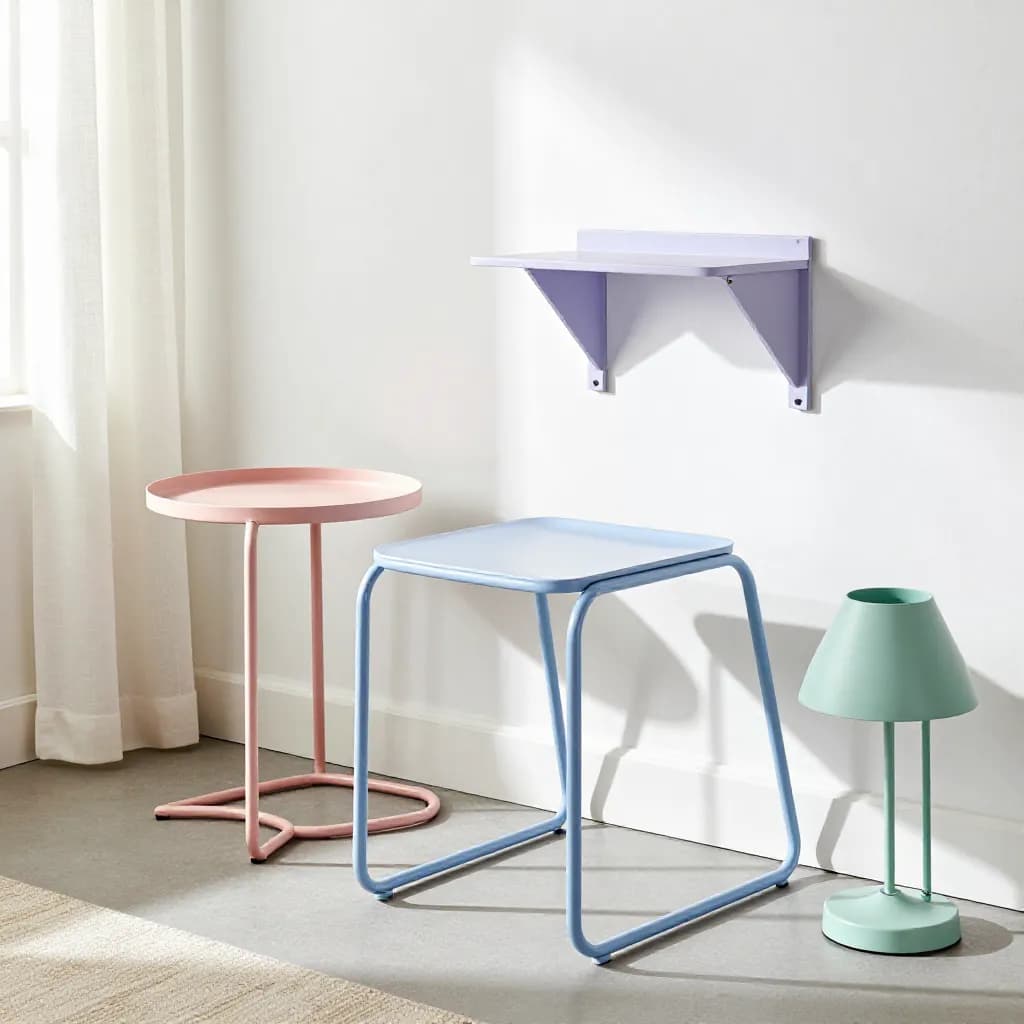
Pastel colors are created by adding significant amounts of white pigment to a base color, reducing its saturation and intensity while maintaining its essential hue character. A pastel blue retains the calming quality of blue but delivers it with a softness that a saturated blue cannot achieve. A pastel pink carries the warmth of red without its intensity. This softening effect is what makes pastels so effective in interior design, where they create atmosphere without demanding attention.
Ready to Start Your Project?
From one-off customs to 15,000-part production runs — get precise pricing in 24 hours.
On This Page
Pastel Powder Coating: Soft Color for Contemporary Design
The powder coating industry has responded to growing pastel demand with expanded color ranges that go well beyond the traditional RAL palette. While the RAL system includes some pastel shades, many designers find the standard RAL pastels too saturated or too grey for current design trends. Custom color matching allows powder manufacturers to formulate pastels that precisely match the soft, chalky tones popularized by contemporary paint brands and design influencers, bringing these fashionable colors to metal surfaces with the durability and consistency that powder coating provides.
The Pastel Color Palette: Key Shades and RAL References
The pastel powder coating palette spans the full color spectrum, with each pastel hue creating a distinct mood and design character. Understanding the available range helps designers select pastels that align with their design intent.
Pastel pink, ranging from barely-there blush to soft rose, is one of the most popular pastel choices for contemporary interiors. RAL 3015 Light Pink provides a classic pastel pink reference, though many designers prefer custom-matched pinks that are softer and more muted than the RAL standard. Pastel pink creates warm, nurturing environments and is widely used in hospitality, residential, and wellness design.
Pastel blue encompasses a range from icy pale blue to soft powder blue and dusty blue-grey. RAL 5024 Pastel Blue is the most commonly referenced pastel blue in the RAL system, offering a soft, grey-toned blue suited to contemporary design. Lighter options like RAL 5012 Light Blue provide a brighter, more vivid pastel blue. Pastel blues create calm, spacious-feeling environments and are popular for bedrooms, bathrooms, and commercial spaces seeking a tranquil atmosphere.
Pastel green, including sage, mint, and celadon tones, connects interiors to nature while maintaining the softness characteristic of the pastel palette. RAL 6019 Pastel Green provides a standard reference, though the current trend favors more muted, grey-toned greens that read as sage or eucalyptus rather than the brighter mint of traditional pastel green.
Pastel yellow, from soft buttercream to warm vanilla, adds gentle warmth and optimism to interiors. RAL 1015 Light Ivory and RAL 1013 Oyster White provide warm, yellowish pastel references that are popular for furniture and interior metalwork.
Pastel lavender and lilac tones have gained significant popularity in recent years, adding a subtle, sophisticated color note that feels both contemporary and timeless. These purple-based pastels are not well represented in the RAL Classic system, making custom color matching the preferred approach for achieving the specific lavender tones currently trending in interior design.
Scandinavian Design Aesthetic and Pastel Powder Coating
Scandinavian design has been the single most influential driver of pastel powder coating demand in recent years. The Nordic design philosophy of creating bright, functional, and emotionally comforting spaces aligns perfectly with the qualities that pastel colors bring to interior environments.
The Scandinavian pastel palette is characterized by its restraint and sophistication. Rather than the bright, candy-like pastels of pop culture, Scandinavian pastels are muted, grey-toned, and nature-referenced. Dusty pink, sage green, powder blue, and warm grey-beige are the core colors of the Scandinavian pastel palette, each chosen for its ability to create calm, harmonious spaces that feel connected to the natural landscape.
Scandinavian furniture design has been a major showcase for pastel powder coating. Iconic Scandinavian furniture brands use pastel powder-coated steel and aluminum for chair frames, table legs, shelving systems, and storage units. The combination of clean, functional forms with soft pastel colors creates the distinctive Scandinavian aesthetic that has influenced global design trends.
The matte finish is essential to the Scandinavian pastel aesthetic. Glossy pastels feel too bright and artificial for the understated Nordic sensibility. Matte or low-satin finishes, typically below 20 gloss units at 60 degrees, create the soft, chalky quality that defines Scandinavian pastel surfaces. This matte finish also reduces light reflection, contributing to the calm, glare-free environments that Scandinavian design prioritizes.
Material combinations are central to the Scandinavian approach to pastels. Pastel powder-coated metal is typically combined with light timber, particularly oak, birch, and ash, along with natural textiles in linen and wool. These material pairings create the warm, tactile, nature-connected interiors that characterize the best Scandinavian design. The pastel metal provides a gentle color accent within an otherwise neutral, natural material palette.
Pastel Powder Coating for Furniture and Product Design
Furniture and product design represent the largest application area for pastel powder coatings, where the combination of soft color with durable metal finishing creates products that are both beautiful and built to last.
Metal furniture frames in pastel powder coating have become a design staple across residential, commercial, and hospitality sectors. Dining chairs, bar stools, coffee tables, desks, and shelving units with pastel-coated steel or aluminum frames offer a contemporary alternative to the black, white, and chrome finishes that have traditionally dominated metal furniture. The soft color adds personality and warmth without overwhelming the space.
Lighting fixtures in pastel powder coating create gentle, decorative focal points that contribute to the overall color scheme of a room. Pendant lights, floor lamps, and wall sconces in pastel pink, blue, green, or yellow add color interest at eye level and above, where it has maximum visual impact without competing with furniture and floor-level elements.
Kitchen and bathroom accessories, including towel rails, shelf brackets, hooks, and storage containers, use pastel powder coating to add coordinated color accents to these functional spaces. The durability and moisture resistance of powder coating make it ideal for bathroom and kitchen environments where humidity and cleaning agents would damage less robust finishes.
Children's furniture and accessories are a natural application for pastel powder coatings. The soft, non-threatening character of pastel colors is psychologically appropriate for children's environments, and the tough, chip-resistant powder coating finish withstands the rough treatment that children's furniture inevitably receives. Pastel powder coatings also meet the safety requirements for children's products, including low heavy metal content and resistance to saliva and perspiration.
For furniture applications, the powder coating must provide excellent mechanical properties including impact resistance, scratch resistance, and flexibility to withstand the stresses of daily use. Standard polyester and epoxy-polyester hybrid formulations provide the necessary performance for interior furniture applications, with the hybrid chemistry offering superior chemical resistance for kitchen and bathroom products.
Achieving Consistent Pastel Colors in Powder Coating
Pastel colors present specific challenges for consistency in powder coating because the high white pigment content makes them sensitive to variations in formulation, application, and curing that would be less visible in darker or more saturated colors.
Film thickness consistency is critical for pastel finishes. Because pastels contain high levels of white pigment, variations in film thickness can cause visible differences in color depth and opacity. Thinner areas may appear slightly more transparent or different in tone compared to areas with full film build. Maintaining consistent film thickness across all components, typically 60-80 microns for pastel finishes, ensures uniform color appearance.
Curing temperature and time must be precisely controlled. Pastel colors, particularly those with warm undertones such as pinks and yellows, can shift in hue if overcured. Even slight overcuring can push a delicate pastel pink toward a more orange or brown tone, or cause a pastel yellow to develop an unwanted greenish cast. Accurate oven profiling and temperature monitoring are essential.
Substrate preparation affects pastel color consistency because any contamination, residual oils, or pretreatment variation can influence the final color appearance. The high reflectivity of pastel surfaces means that any underlying inconsistency is more visible than it would be under a darker, more opaque coating. Thorough, consistent pretreatment across all components is essential.
Batch-to-batch powder consistency is important for projects where components will be coated over multiple production runs. Request that the powder manufacturer holds sufficient stock from a single production batch to complete the entire project, or specify tight batch-to-batch color tolerances with Delta E values below 0.5 for critical pastel applications.
Lighting conditions during quality inspection significantly affect the perception of pastel colors. Inspect pastel-coated components under standardized lighting conditions, ideally D65 daylight simulation, to ensure consistent evaluation. Pastel colors are highly susceptible to metamerism, appearing different under daylight, fluorescent, and LED lighting.
Pastel Colors in Commercial and Hospitality Interiors
Pastel powder coatings have found enthusiastic adoption in commercial and hospitality interiors, where they contribute to creating distinctive, memorable environments that enhance the customer or guest experience.
Cafe and restaurant design uses pastel powder-coated furniture and fixtures to create inviting, photogenic spaces that encourage social media sharing and repeat visits. The soft, approachable character of pastel colors creates a relaxed atmosphere that puts customers at ease, while the distinctive color palette differentiates the venue from competitors. Pastel pink, mint green, and powder blue are the most popular choices for hospitality furniture.
Retail environments use pastel powder-coated display fixtures, shelving, and architectural elements to create shopping experiences that feel curated and aspirational. The soft colors provide a flattering backdrop for merchandise without competing for visual attention. Fashion, beauty, and lifestyle retailers are particularly drawn to pastel interiors that align with their brand aesthetics.
Co-working spaces and modern offices use pastel accents to create work environments that feel creative, energetic, and human-centered rather than corporate and institutional. Pastel-coated desk accessories, partition frames, and breakout furniture add personality and warmth to workspaces, contributing to employee wellbeing and satisfaction.
Healthcare and wellness environments benefit from the calming, non-clinical character of pastel colors. Soft blues, greens, and pinks create therapeutic atmospheres in clinics, spas, and wellness centers that reduce anxiety and promote relaxation. The durability and cleanability of powder coating make it practical for healthcare environments where hygiene standards are demanding.
For commercial applications, the durability of the pastel finish must withstand intensive daily use. Specify powder coatings with high scratch resistance and chemical resistance ratings appropriate to the cleaning regime of the intended environment. Epoxy-polyester hybrid formulations offer the best combination of color quality and chemical resistance for commercial interior applications.
Specifying Pastel Powder Coating: Getting the Tone Right
Pastel powder coating specification requires particular precision because the subtle, desaturated nature of pastel colors means that small variations in formulation or application can produce noticeable differences in the finished appearance.
Provide a physical color reference rather than relying on RAL codes alone. Many of the most desirable pastel tones fall between standard RAL colors or are softer and more muted than the closest RAL match. Paint color cards from premium interior paint brands often provide better references for contemporary pastel tones than the RAL system. Submit the physical reference to the powder manufacturer for spectrophotometer analysis and custom formulation.
Specify the gloss level with precision. For Scandinavian and contemporary aesthetics, matte finishes below 20 gloss units at 60 degrees are strongly preferred. For more traditional or commercial applications, satin finishes at 30-40 gloss units may be appropriate. The gloss level significantly affects the perception of pastel colors, with matte finishes appearing softer and more chalky while higher gloss levels make pastels appear brighter and more vivid.
Define the acceptable color tolerance tightly. For pastel colors, specify Delta E below 1.0 for standard applications and below 0.5 for critical color-match situations. The human eye is sensitive to variations in light, desaturated colors, so tighter tolerances are justified for pastels than for darker or more saturated colors.
Evaluate samples under multiple lighting conditions. Pastel colors are highly susceptible to metamerism and can appear dramatically different under daylight, warm LED, cool LED, and fluorescent lighting. Verify the color under all lighting conditions present in the intended installation environment.
For exterior pastel applications, which are less common but increasingly specified for contemporary architecture, use super-durable polyester formulations with Qualicoat Class 2 certification. Pastel colors can show fading and chalking more visibly than darker colors, so maximum UV stability is essential for exterior use. Light colors also show dirt accumulation more readily, so consider the maintenance implications of exterior pastel specification.
Frequently Asked Questions
What pastel colors are available in powder coating?
The full pastel spectrum is available, including pastel pink, blue, green, yellow, lavender, mint, and peach. While the RAL system includes some pastels, custom color matching provides access to the softer, more muted tones currently trending in interior design. Virtually any pastel shade can be formulated.
What gloss level is best for pastel powder coating?
Matte finishes below 20 gloss units at 60 degrees are preferred for contemporary and Scandinavian aesthetics, creating the soft, chalky quality that defines modern pastel design. Satin finishes at 30-40 gloss units suit more traditional applications. Higher gloss makes pastels appear brighter and more vivid.
Are pastel powder coatings durable enough for furniture?
Yes, pastel powder coatings provide the same mechanical durability as any other powder coating color. The thick, hard film resists chipping, scratching, and wear through years of daily use. For commercial furniture, epoxy-polyester hybrid formulations offer enhanced chemical and stain resistance.
Can pastel powder coating be used outdoors?
Yes, though light pastel colors show dirt and weathering more visibly than darker colors. Specify super-durable polyester with Qualicoat Class 2 certification for exterior applications. Consider the maintenance implications, as exterior pastels may require more frequent cleaning to maintain their fresh appearance.
How do I match a specific pastel shade from a paint brand?
Submit a physical color sample, such as a paint swatch card, to the powder manufacturer for spectrophotometer analysis. They will formulate a custom powder to match. Approve physical coated samples under the actual lighting conditions of the installation, as pastels are highly susceptible to appearing different under different light sources.
Ready to Start Your Project?
From one-off customs to 15,000-part production runs — get precise pricing in 24 hours.