Parking structures present one of the most aggressive environments for architectural coatings. Vehicle exhaust deposits acidic residues on metal surfaces, tire marks leave stubborn rubber compounds on barriers and bollards, and road salt carried in on vehicles during winter months creates a highly corrosive atmosphere. Every component in a car park is subject to regular vehicle impacts, from minor scrapes against barrier rails to direct collisions with bollards.
Architecture
Powder Coating for Parking Structures and Car Park Equipment
Sundial Powder Coating·April 20, 2026·9 min
Moisture is a constant challenge, particularly in underground and multi-story car parks where condensation forms on cold metal surfaces and drainage is often imperfect. Standing water, combined with salt and chemical contamination from vehicles, creates conditions that accelerate corrosion of unprotected or poorly coated steel and aluminum components.
Ready to Start Your Project?
From one-off customs to 15,000-part production runs — get precise pricing in 24 hours.
On This Page
Parking Structure Coating Challenges
The combination of chemical exposure, mechanical abuse, and persistent moisture means that coatings in parking environments must deliver exceptional corrosion protection, impact resistance, and chemical durability. Thin, fragile coating systems simply cannot survive in these conditions, making the choice of finishing technology a critical decision for car park designers and operators.
Components to Coat in Parking Environments
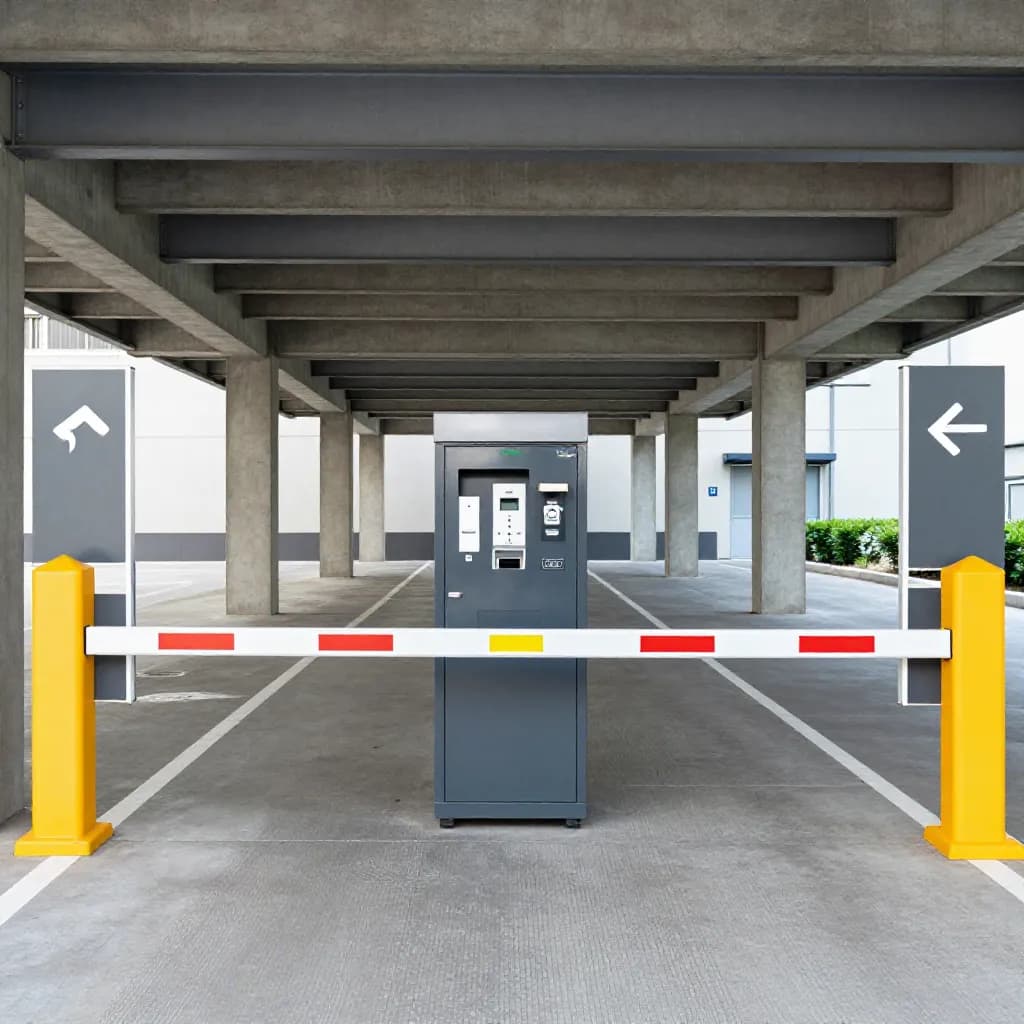
The range of metal components in a modern parking structure is extensive. Vehicle barriers and guard rails are the most obvious candidates for protective coating, as they receive direct impacts from vehicles and are constantly exposed to exhaust fumes and road salt. Bollards protecting pedestrian areas, structural columns, and equipment must withstand repeated low-speed collisions while maintaining their protective finish and visibility.
Signage systems, including directional signs, level indicators, and height restriction bars, require coatings that maintain color vibrancy and legibility over many years of exposure to vehicle exhaust and artificial lighting. Staircase railings and handrails in pedestrian access areas must resist both corrosion and the wear from thousands of daily hand contacts.
Equipment housings for ticket machines, payment terminals, barrier mechanisms, and ventilation systems all require durable, corrosion-resistant finishes. These components are often located in the most exposed areas of the car park, where they face the full combination of moisture, chemical exposure, and mechanical risk that defines the parking environment.
Corrosion Protection in Underground Environments
Underground car parks present particularly severe corrosion challenges. Humidity levels are consistently high due to limited natural ventilation, and condensation forms readily on metal surfaces as temperature differentials develop between the structure and incoming vehicles. Vehicles entering from wet roads bring water, salt, and de-icing chemicals directly into the enclosed space, where these corrosive agents accumulate rather than being washed away by rain.
Powder coating provides an effective corrosion barrier for steel and aluminum components in these demanding conditions. The 60-120 micron film thickness creates a dense, pinhole-free barrier that prevents moisture and salt from reaching the metal substrate. For steel components in the most aggressive zones, a dual-coat system combining an epoxy primer with a polyester topcoat delivers both excellent adhesion and long-term weather resistance.
Aluminum components benefit from chromate-free conversion coating pretreatment followed by polyester powder coating, providing corrosion protection without the environmental concerns associated with hexavalent chromium processes. This combination delivers reliable performance in the humid, chemically contaminated atmosphere of underground parking facilities.
Safety Colors and Wayfinding in Car Parks
Color plays a critical functional role in parking structures, far beyond mere aesthetics. Yellow barriers and bollards provide high-visibility warnings to drivers, reducing collision risk and clearly delineating vehicle lanes from pedestrian zones. Color-coded zones help drivers locate their vehicles in large multi-story facilities, with each level or zone assigned a distinct color that is applied consistently to columns, walls, signage, and metalwork.
Powder coating is ideally suited to delivering these safety and wayfinding colors. The technology produces vibrant, consistent color across large batches of components, ensuring that all barriers on a given level match precisely. Unlike liquid paint, which can vary in color between batches due to solvent evaporation and mixing inconsistencies, powder coating delivers repeatable color accuracy from the first component to the last.
The durability of powder-coated color is equally important for safety. Faded or peeling paint on safety barriers reduces their visibility and effectiveness, potentially creating hazards for drivers and pedestrians. Powder coating maintains its color intensity for 20-25 years, compared to just 8-12 years for liquid paint, ensuring that safety markings remain clearly visible throughout the operational life of the parking structure.
Durability Advantage Over Paint in High-Wear Parking Environments
The performance gap between powder coating and liquid paint is particularly pronounced in parking environments. Liquid paint applied at 25-50 microns provides a thin barrier that is quickly compromised by the mechanical abuse inherent in car park operations. Vehicle impacts chip through the paint film, exposing bare metal to the corrosive atmosphere. Once the barrier is breached, corrosion spreads beneath the surrounding paint, causing blistering and delamination that accelerates the failure of the entire coating system.
Powder coating's 60-120 micron film thickness provides a fundamentally more robust barrier. The thicker film absorbs impacts that would penetrate liquid paint, maintaining the integrity of the corrosion barrier even in high-impact zones. The cross-linked thermoset structure of cured powder coating also provides superior resistance to the chemical agents found in parking environments, including fuel spills, brake fluid, and de-icing salt solutions.
Over a 25-year building lifecycle, the maintenance implications are significant. Liquid-painted car park components typically require recoating every 8-12 years, involving disruption to parking operations, surface preparation, and the management of solvent emissions in an enclosed space. Powder-coated components maintain their protective and aesthetic properties for 20-25 years, dramatically reducing maintenance frequency and the associated operational disruption.
Frequently Asked Questions
Why is powder coating better than paint for parking structures?
Powder coating is applied at 60-120 microns compared to 25-50 microns for liquid paint, providing a much thicker barrier against vehicle impacts, road salt, and chemical exposure. It lasts 20-25 years versus 8-12 for liquid paint, significantly reducing maintenance frequency in demanding car park environments.
Can powder coating withstand vehicle impacts on barriers and bollards?
Yes. The 60-120 micron film thickness of powder coating absorbs impacts that would chip through thinner liquid paint films. The cross-linked thermoset structure provides excellent impact resistance, maintaining the corrosion barrier even in high-contact zones where vehicles regularly scrape against barriers and bollards.
How does powder coating protect against corrosion in underground car parks?
Powder coating creates a dense, pinhole-free barrier at 60-120 microns that prevents moisture and salt from reaching the metal substrate. For steel components in aggressive underground environments, a dual-coat system with an epoxy primer and polyester topcoat provides both excellent adhesion and long-term corrosion resistance.
Does powder coating maintain safety colors in parking structures?
Powder coating maintains vibrant safety colors for 20-25 years, far longer than the 8-12 year lifespan of liquid paint. This ensures that yellow barriers, color-coded zones, and wayfinding markings remain clearly visible throughout the operational life of the parking facility, supporting driver and pedestrian safety.
Ready to Start Your Project?
From one-off customs to 15,000-part production runs — get precise pricing in 24 hours.