An accurate powder coating quote depends on the coater understanding exactly what is involved in your job. The more complete your initial information, the more precise the estimate and the fewer follow-up questions needed. Start with a clear description of what you need coated: what the parts are, what they are made of, their approximate dimensions, and how many pieces are involved.
Local Info
How to Request a Powder Coating Quote: What Information to Provide
Sundial Powder Coating·April 20, 2026·7 min
The material type matters because different metals require different pretreatment processes. Steel, aluminum, stainless steel, and cast iron each have specific preparation requirements that affect the scope of work. If you are not sure what metal your parts are, mention that and the coater can determine it during inspection.
Ready to Start Your Project?
From one-off customs to 15,000-part production runs — get precise pricing in 24 hours.
On This Page
What a Coater Needs to Quote Accurately
The current condition of the parts is equally important. Are they bare metal, painted, powder coated, rusted, or a combination? Parts that need stripping of old finishes or significant rust removal require more preparation time than clean bare metal. Be honest about the condition, as underestimating the prep work leads to quotes that do not reflect the actual cost, which creates problems for both you and the coater later.
Color and Finish Specification
Specify your desired color as precisely as possible. A RAL code is the most universally understood color reference in the powder coating industry. If you have a RAL number, include it. Pantone codes, NCS references, or other color system codes are also useful. If you do not have a code, describe the color as specifically as you can, including the general hue, whether it should be warm or cool toned, and any reference points like a specific product or material you want to match.
Gloss level significantly affects the appearance of the finished coating and should be specified in your quote request. The main options are high gloss, semi-gloss, satin, and matte. If you are unsure, mention that and the coater can explain the differences or provide samples. The same color looks quite different at different gloss levels, so this is not a detail to overlook.
Texture preference is another finish characteristic to mention. Smooth finishes are the default, but textured options like fine texture, coarse texture, wrinkle, and hammertone are available and popular for certain applications. Textured finishes can hide minor surface imperfections and provide a distinctive tactile quality. If you have a texture preference or are open to suggestions, include that in your request.
Photos Help
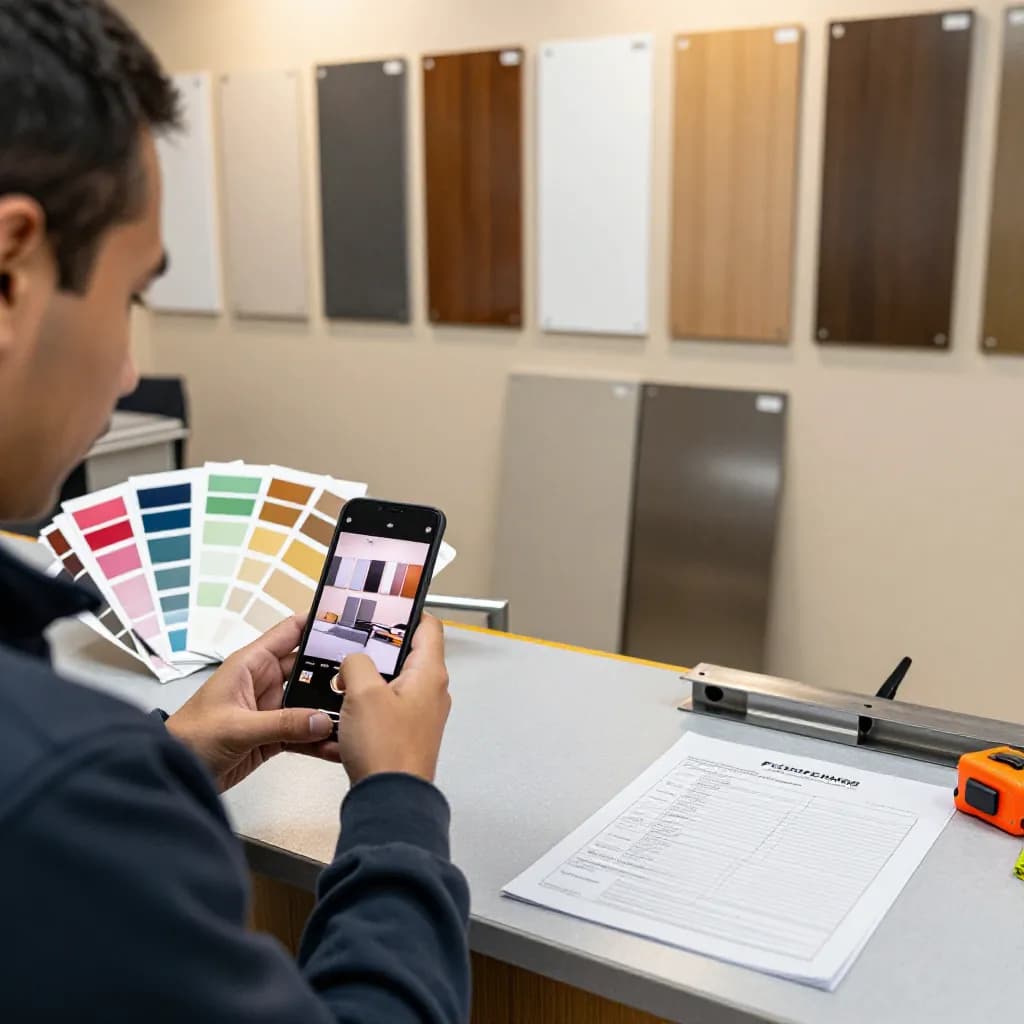
Clear photographs are one of the most valuable things you can include with a quote request. A few well-taken photos give the coater more information than paragraphs of written description. Include shots that show the overall size and shape of the parts, close-ups of the current surface condition including any rust, damage, or existing coatings, and images of any areas that will need special attention like masking or repair.
Include something for scale in at least one photo, whether that is a ruler, a coin, or your hand. This helps the coater estimate the size of the parts without needing to ask for dimensions. If you have multiple different parts, photograph each type separately and label them clearly so the coater can identify and quote each item.
If you have a photo of the finished result you are hoping to achieve, include that as well. A reference image showing the color, finish, and overall look you want communicates your expectations more effectively than words alone. This is especially helpful for custom colors, specialty finishes, or restoration projects where the desired outcome might not be obvious from the raw parts alone.
Special Requirements to Mention
Masking requirements should be described in your quote request. If your parts have threaded holes, bearing surfaces, electrical contacts, or any areas that must remain uncoated, mention them. Complex masking adds time and labor to the job, and the coater needs to account for this in their estimate. A marked-up photo showing masking areas is the clearest way to communicate these requirements.
Quality standards or certifications that apply to your project should be stated upfront. If the coating needs to meet a specific standard like Qualicoat, AAMA, or a customer-specified requirement, include this in your request. Meeting formal quality standards involves additional testing, documentation, and process control that affect the scope and effort of the job.
Delivery requirements and timeline expectations round out your quote request. If you need the parts by a specific date, say so. If you require delivery to a location rather than pickup from the shop, mention the delivery address. If the parts need special packaging for transport, describe what is needed. The more the coater knows about your logistical requirements, the more complete and accurate their quote will be.
What to Expect in Response
A thorough quote response from a professional coater will include a clear description of the scope of work, covering preparation, pretreatment, coating, and any additional services like masking, repair, or delivery. This scope description confirms that the coater understands your requirements and lets you verify that nothing has been missed or misunderstood.
The quote should include an estimated turnaround time based on the scope of work and the shop's current schedule. If the timeline depends on factors like custom color ordering or the condition of the parts upon inspection, the coater should note these variables. A realistic timeline estimate is more valuable than an optimistic one that leads to disappointment.
Do not be surprised if the coater has follow-up questions. Complex projects, unusual materials, or incomplete initial information may require clarification before an accurate quote can be provided. A coater who asks thoughtful questions is one who wants to get the quote right rather than guessing and adjusting later. Respond to their questions promptly to keep the quoting process moving efficiently.
Frequently Asked Questions
Can I get a quote from photos alone?
Photos can support an initial estimate, but most coaters prefer to see the parts in person before providing a final quote. The condition of the metal, the thickness of existing coatings, and the complexity of masking requirements are difficult to assess accurately from photos alone. An in-person inspection ensures the quote reflects the actual work involved.
How long does it take to receive a quote?
Most shops respond to quote requests within one to three business days. Complex projects or requests that require follow-up questions may take longer. Providing complete information with your initial request, including photos, dimensions, quantities, and color specification, helps the coater respond faster.
Should I get quotes from multiple shops?
Getting two or three quotes is good practice, especially for larger jobs. Compare not just the bottom-line number but the scope of work included. A lower quote that excludes stripping, pretreatment, or masking may end up costing more than a higher quote that includes everything. Ask each shop the same questions for a fair comparison.
What if the final cost differs from the quote?
Quotes based on photos or descriptions may be adjusted after the coater inspects the parts in person. Hidden damage, heavier-than-expected old coatings, or additional masking requirements can affect the final scope. A reputable coater will contact you to discuss any changes before proceeding with work that exceeds the original quote.
Ready to Start Your Project?
From one-off customs to 15,000-part production runs — get precise pricing in 24 hours.