Museums, galleries, and cultural buildings present a unique combination of coating requirements that few other building types demand. Archival air quality is paramount — the atmosphere within exhibition spaces must be free from volatile compounds that could damage sensitive artworks, textiles, manuscripts, and archaeological artifacts. Even trace levels of off-gassing from building materials can cause irreversible degradation of priceless collections over time.
Architecture
Powder Coating for Museums, Galleries, and Cultural Buildings
Sundial Powder Coating·April 20, 2026·9 min
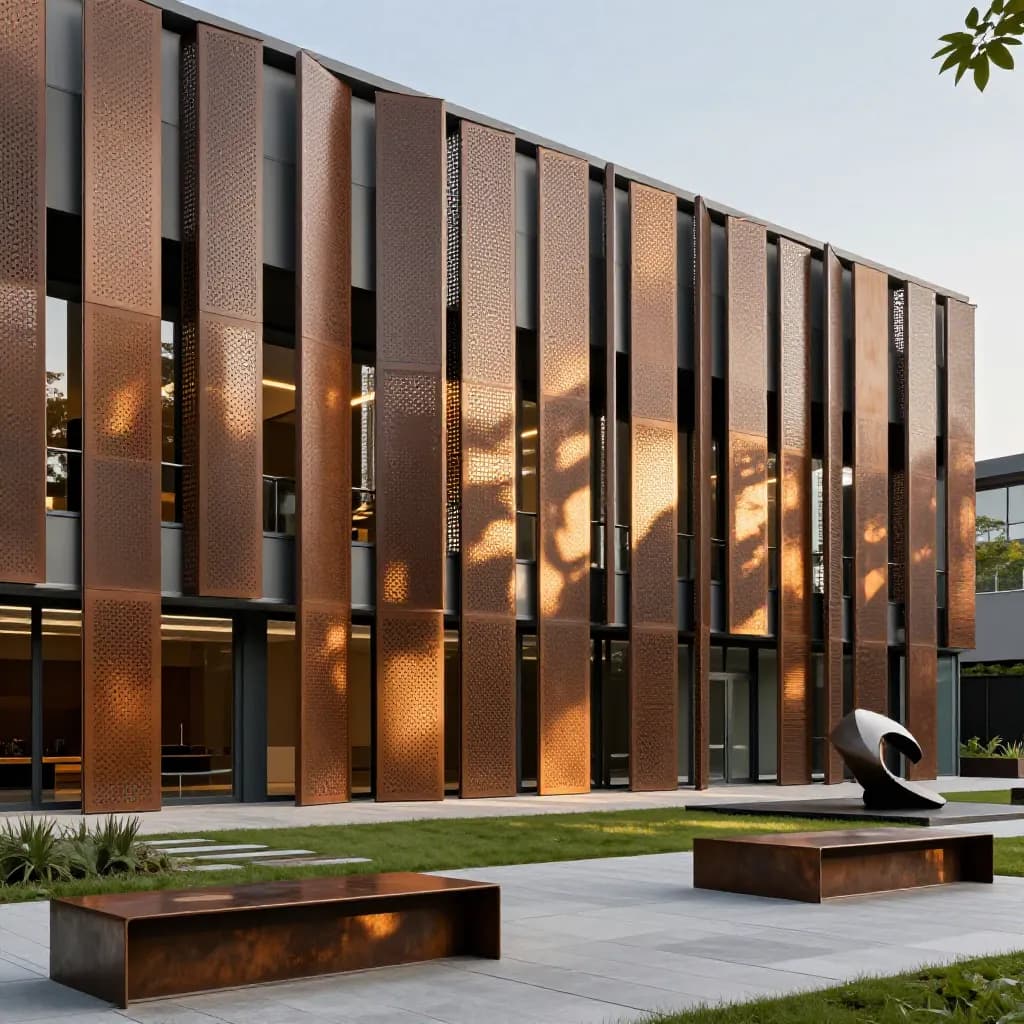
Aesthetically, cultural buildings demand subtlety. Finishes must complement rather than compete with the exhibits they house, providing a refined, understated backdrop that allows artworks and displays to command attention. This requires precise color control, consistent finish quality, and the ability to achieve the matte, low-reflectance surfaces that curators and exhibition designers prefer.
Ready to Start Your Project?
From one-off customs to 15,000-part production runs — get precise pricing in 24 hours.
On This Page
Cultural Building Coating Requirements
Durability remains essential despite the seemingly gentle interior environment. Exhibition spaces undergo frequent reconfiguration, with display systems, partitions, and lighting being moved and reinstalled for each new exhibition. Metal components must withstand this repeated handling without showing wear, scratching, or finish degradation that would compromise the gallery's presentation standards.
Display and Exhibition Systems
The metal components within exhibition spaces are diverse and demanding. Display cases and vitrines require finishes that are both visually neutral and chemically inert, ensuring that the coating does not emit compounds that could interact with the objects on display. Powder coating's zero VOC profile and chemically stable thermoset film make it the ideal choice for these critical enclosures.
Partition frames and movable wall systems form the backbone of flexible exhibition design. These components are handled frequently during exhibition changeovers, requiring finishes that resist scratching and scuffing from tools, fixtures, and the inevitable minor impacts of installation work. The 60-120 micron film thickness of powder coating provides substantially better protection than the 25-50 microns achievable with liquid paint.
Lighting tracks, hanging systems, and ceiling-mounted display infrastructure must be visually unobtrusive while providing reliable performance over years of continuous use. Powder coating in matte black or dark grey finishes allows these functional elements to recede visually, directing attention to the illuminated exhibits below. The consistent finish quality of powder coating ensures that these overhead elements present a uniform appearance across entire gallery spaces.
Zero VOC for Artifact Protection
The zero VOC characteristic of powder coating is not merely an environmental benefit in cultural buildings — it is a conservation imperative. Volatile organic compounds emitted by building materials can cause measurable damage to sensitive collections. Organic acids from off-gassing paints can corrode metal artifacts, discolor pigments in paintings, and degrade paper and textile fibers. Museums invest heavily in environmental monitoring and air filtration to protect their collections from these threats.
Powder coating eliminates one significant potential source of harmful emissions. Because the coating contains no solvents and the curing process fully cross-links the polymer matrix, there is no residual off-gassing from powder-coated surfaces. This is a decisive advantage over liquid paint systems, which can continue to emit low levels of VOCs for months or even years after application, particularly in the stable, low-ventilation environments typical of museum storage and display areas.
For institutions following the stringent environmental guidelines established by organizations such as the International Council of Museums, specifying powder-coated metalwork throughout exhibition and storage areas demonstrates a commitment to best-practice collection care. The coating's chemical stability provides long-term assurance that the building's finishes will not contribute to the degradation of the collections they are designed to protect.
Architectural Metalwork in Cultural Buildings
Beyond exhibition spaces, cultural buildings contain extensive architectural metalwork that benefits from powder coating. Grand staircases, feature railings, and balustrades in museum lobbies and circulation spaces must combine visual elegance with the durability to withstand heavy public traffic. Powder coating delivers both, offering refined finishes in any color while providing the mechanical resistance needed for high-footfall public areas.
Entrance systems, including revolving doors, automatic sliding door frames, and entrance canopies, create the first impression for visitors. These components face both exterior weather exposure and interior climate conditions, requiring a coating system that performs across this environmental transition. Powder coating's weather resistance and color stability ensure that entrance metalwork maintains its appearance regardless of orientation or exposure.
Interior architectural features such as column cladding, ceiling panels, and decorative screens contribute to the cultural building's identity and atmosphere. Powder coating's design flexibility allows architects to specify custom colors, metallic effects, and textured finishes that create distinctive interior environments. The ability to match specific color references ensures that metalwork integrates seamlessly with other interior materials and finishes.
Matte and Understated Finishes for Exhibition Spaces
Exhibition designers consistently favor matte and low-sheen finishes for gallery metalwork. High-gloss surfaces create reflections and glare that interfere with the viewing of artworks, distract visitors, and complicate lighting design. Matte powder coatings, typically specified at gloss levels below 30 units on a 60-degree meter, provide the non-reflective surfaces that gallery environments demand.
The range of matte finishes available in powder coating has expanded significantly. Fine texture matte coatings provide a subtle tactile quality that adds visual depth without creating a rough or industrial appearance. Smooth matte finishes deliver a contemporary, refined aesthetic that complements modern gallery architecture. Both options are available across the full color spectrum, allowing designers to specify precisely the tone and texture that their exhibition concept requires.
Color accuracy in matte finishes is particularly important in gallery environments, where metalwork is viewed under carefully controlled lighting conditions. Powder coating's precise color matching capability ensures that all components within a gallery space present a consistent appearance, even when coated in different production batches. This consistency is essential for maintaining the visual coherence that curators and exhibition designers demand.
Frequently Asked Questions
Why is zero VOC important for museum coatings?
Volatile organic compounds from building materials can cause irreversible damage to sensitive artworks, textiles, and artifacts. Powder coating produces zero VOC emissions during application and throughout its service life, eliminating a significant source of harmful off-gassing in museum exhibition and storage environments.
What finishes are best for gallery display systems?
Matte and low-sheen powder coatings below 30 gloss units are preferred for gallery environments. These non-reflective finishes eliminate glare that interferes with artwork viewing and allow functional elements like lighting tracks and hanging systems to recede visually, keeping attention on the exhibits.
How durable is powder coating for exhibition metalwork?
Powder coating at 60-120 microns provides excellent durability for exhibition components that undergo frequent handling during changeovers. The thick, cross-linked film resists scratching and scuffing from tools and fixtures, maintaining presentation standards through multiple exhibition cycles over a 20-25 year service life.
Can powder coating match specific colors for cultural building interiors?
Yes. Powder coating offers precise color matching to RAL, NCS, and custom references across the full spectrum. Matte, satin, textured, and metallic finishes are all available, allowing architects and exhibition designers to specify exactly the tone and texture their design concept requires.
Ready to Start Your Project?
From one-off customs to 15,000-part production runs — get precise pricing in 24 hours.