Museums and galleries occupy a unique position in architectural practice. These buildings must simultaneously serve as protective environments for irreplaceable collections, as inspiring spaces for public engagement with art and culture, and as architectural statements that reflect the cultural ambitions of their communities. The surface finishes specified for museum and gallery buildings are not merely functional — they are integral to the visitor experience and the conservation mission of the institution.
Architecture
Powder Coating for Museum and Gallery Architecture: Aesthetic Precision, Conservation, and Lighting Interaction
Sundial Powder Coating·April 22, 2026·11 min
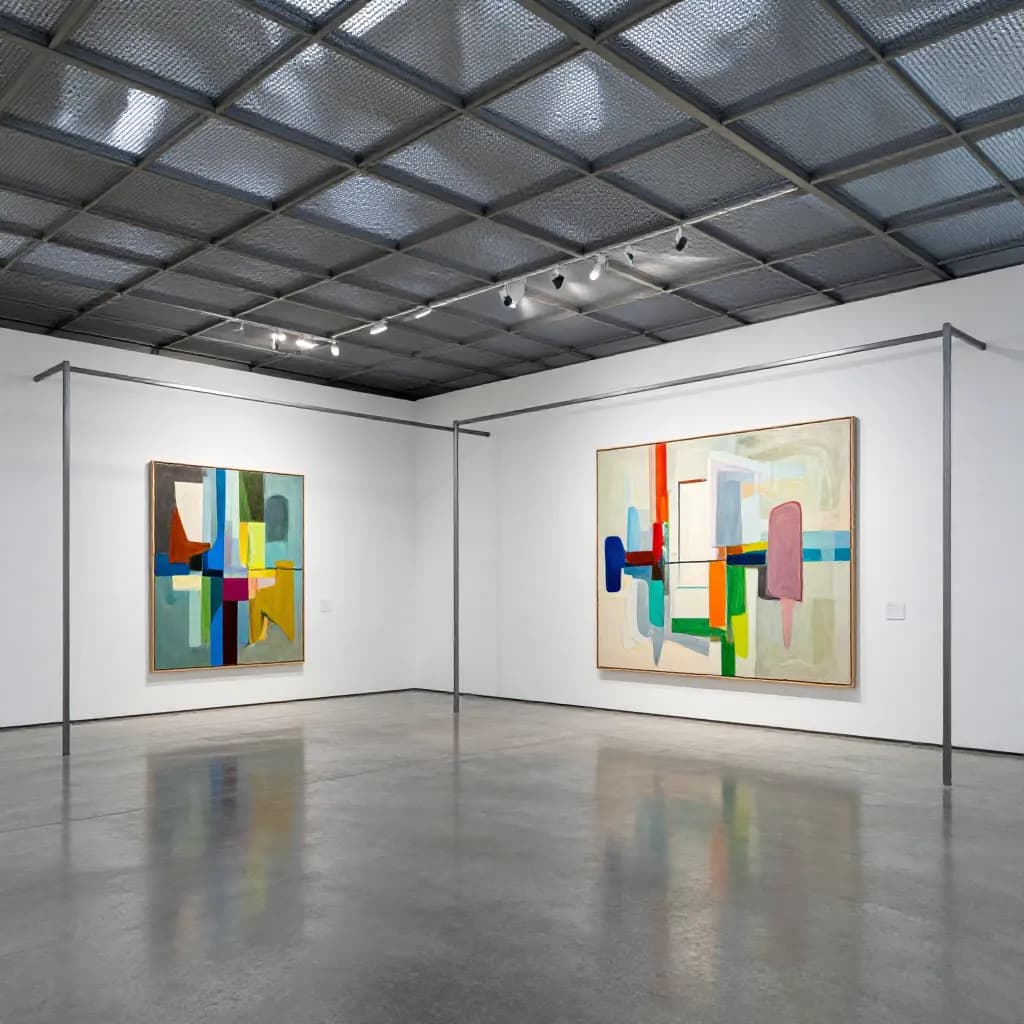
Powder coating has become increasingly specified for museum and gallery metalwork because it addresses the distinctive requirements of cultural buildings with a precision that liquid paint cannot match. The zero VOC emission characteristic is critical for conservation environments where airborne pollutants can damage sensitive artworks and artifacts. The 60-120 micron film thickness provides the durability needed for high-traffic public spaces while maintaining the flawless surface quality that museum architecture demands.
Ready to Start Your Project?
From one-off customs to 15,000-part production runs — get precise pricing in 24 hours.
On This Page
Museums and Galleries: Where Surface Finish Becomes Art
From external cladding and entrance canopies to internal display systems, lighting tracks, and climate control infrastructure, powder-coated metalwork contributes to every aspect of the museum experience. This article examines how powder coating technology serves the specific needs of cultural buildings, covering aesthetic precision, conservation compatibility, lighting interaction, and the sensitive integration of modern finishing technology with heritage and contemporary architectural contexts.
Conservation Environment: Indoor Air Quality and Outgassing Control
The conservation of museum collections depends critically on the quality of the indoor environment. Airborne pollutants — including volatile organic compounds, formaldehyde, acetic acid, and sulfur compounds — can cause irreversible damage to paintings, textiles, metals, and organic materials. Every material introduced into a museum environment, including surface finishes, must be evaluated for its potential to emit harmful compounds.
Powder coating's zero VOC formulation makes it inherently compatible with conservation environments. Because powder coatings contain no solvents, there are no volatile emissions during application or curing, and the fully cross-linked thermoset film produces negligible outgassing once cured. This contrasts sharply with liquid paint systems, which can continue to emit solvents and plasticizers for weeks or months after application, potentially compromising the conservation environment during and after construction or renovation work.
For critical applications — display cases, storage furniture, and climate control ductwork within gallery spaces — powder coatings can be tested to the Oddy test protocol (British Museum test) or equivalent accelerated corrosion tests that assess the suitability of materials for use in proximity to museum objects. Properly formulated and fully cured powder coatings consistently pass these tests, confirming their compatibility with sensitive collections.
The practical implications are significant. Museum construction and renovation projects using powder-coated metalwork can proceed with confidence that the surface finishes will not compromise the conservation environment. The elimination of solvent odors during and after installation also improves conditions for construction workers and allows faster occupation of completed spaces — an important consideration for institutions operating under tight project timelines and public opening commitments.
Aesthetic Precision: Color, Texture, and Surface Quality
Museum and gallery architecture demands the highest standards of surface finish quality. In spaces designed to showcase visual art, every surface becomes part of the viewing environment, and any defect, inconsistency, or visual distraction in the architectural finishes detracts from the visitor's engagement with the collection. Architects specifying finishes for cultural buildings require absolute precision in color, texture, and surface quality.
Powder coating delivers this precision through the controlled factory application process. Electrostatic spray application in a clean, temperature-controlled environment produces surfaces free from the dust inclusions, brush marks, drips, and orange peel texture that can affect on-site liquid painting. The cured powder film presents a uniform, defect-free surface that meets the exacting visual standards of museum architecture.
Color specification for museum interiors requires particular care. Gallery wall colors, display case finishes, and architectural metalwork colors are selected to complement the collection without competing with it. Neutral tones — whites, greys, and muted earth tones — dominate, but the specific shade, undertone, and finish level must be precisely controlled. Powder coating's spectrophotometric color matching capability allows exact reproduction of any specified color, with batch-to-batch consistency maintained within Delta E tolerances of 1.0 or less for critical applications.
Texture and gloss level are equally important. Matte finishes (gloss levels below 30 GU at 60°) are typically specified for gallery spaces to minimize reflections that could interfere with artwork viewing. Powder coating technology offers precise gloss control across the full range from deep matte to high gloss, with consistent results across large production runs. Fine texture finishes can also be specified to reduce the visibility of fingerprints and minor surface marks in high-touch areas, maintaining the pristine appearance that museum environments demand.
Lighting Interaction and Reflectance Control
Lighting design is fundamental to the museum experience, and the interaction between light and architectural surfaces directly influences how artworks are perceived. Surface finishes that create unwanted reflections, glare, or color casts can compromise carefully designed lighting schemes and diminish the quality of the viewing experience. The reflectance properties of powder-coated surfaces must therefore be considered as an integral part of the museum's lighting strategy.
Matte and satin powder coating finishes minimize specular reflection, reducing glare from both natural and artificial light sources. This is particularly important for metalwork elements in proximity to artworks — display case frames, partition walls, ceiling systems, and lighting track housings — where reflected light could create distracting highlights or veiling reflections on glazed artwork surfaces. The precise gloss control available in powder coating allows lighting designers to specify exact reflectance values for each architectural element, optimizing the visual environment for artwork viewing.
Color rendering is another critical consideration. The spectral reflectance properties of surrounding surfaces influence the perceived color of artworks under artificial lighting. Powder coatings with neutral spectral reflectance — reflecting all wavelengths of visible light equally — avoid introducing color casts that could distort artwork perception. This neutrality is verified through spectrophotometric measurement and is a standard quality parameter for powder coatings specified for gallery environments.
For exterior applications, the interaction between powder-coated facades and natural light creates dynamic visual effects that change with the time of day, season, and weather conditions. Metallic powder coatings, with their directional reflectance properties, can create subtle shifts in appearance as the viewing angle and light direction change — an effect that architects of cultural buildings often exploit to create facades that engage visitors before they even enter the building. The consistency of metallic particle distribution in bonded metallic powder coatings ensures that these effects are uniform across the facade, avoiding the patchy appearance that can result from inconsistent metallic orientation in liquid paint systems.
Display Systems, Vitrines, and Exhibition Infrastructure
The display infrastructure within museums and galleries — including vitrines, display cases, partition systems, hanging rails, and temporary exhibition structures — represents a significant application area for powder coating. These elements must combine visual refinement with practical durability, supporting the presentation of collections while withstanding the operational demands of exhibition installation, changeover, and public access.
Powder-coated steel and aluminum display cases provide the structural rigidity and surface quality needed for museum vitrines. The smooth, non-porous powder film does not harbor dust or microorganisms, supporting the controlled micro-environments within sealed display cases. The chemical inertness of cured powder coating ensures that no harmful emissions migrate into the case interior, protecting sensitive objects from coating-related degradation.
Modular exhibition systems — including movable partition walls, adjustable hanging rails, and reconfigurable display platforms — benefit from powder coating's abrasion resistance. These elements are repeatedly assembled, repositioned, and disassembled during exhibition changeovers, and the coating must withstand this handling without visible damage. The 60-120 micron powder film provides substantially better resistance to handling marks and minor impacts than the 25-50 micron liquid paint films used on older display systems.
Temporary exhibition structures present specific requirements for rapid production and consistent quality. Powder coating's fast curing cycle — typically 10-20 minutes at 180-200°C — supports the tight timelines of exhibition preparation, allowing custom-colored display elements to be produced and delivered within days rather than the weeks required for multi-coat liquid paint systems. The ability to achieve exact color matches for exhibition-specific themes and branding ensures that the display infrastructure complements the curatorial vision for each exhibition.
Cultural Sensitivity and Heritage Integration
Museums and galleries often occupy buildings of significant architectural heritage, and the introduction of modern surface finishes must be handled with sensitivity to the existing architectural character. Equally, new cultural buildings in historic settings must respond to their context through appropriate material and color choices. Powder coating's versatility in color and texture allows it to serve both contemporary and heritage-sensitive applications.
For heritage museum buildings, powder coating can replicate the appearance of traditional metalwork finishes — including patinated bronze, aged copper, wrought iron, and gilded surfaces — without the maintenance demands and environmental vulnerabilities of the original materials. These heritage-effect powder coatings provide the visual authenticity required by conservation architects while delivering the durability and low maintenance of modern thermoset technology.
Color matching to historic paint schemes is another important capability. When museum renovation projects require metalwork to be finished in colors that match existing historic paintwork, powder coating's spectrophotometric matching capability can reproduce the target color with precision. For listed buildings where color approval is required from heritage authorities, powder coating samples can be produced for assessment and approval before production coating begins.
In culturally diverse contexts, color carries symbolic meaning that must be respected in architectural specification. Powder coating's extensive color range and custom matching capability allow architects to incorporate culturally significant colors into museum and gallery designs with confidence that the specified colors will be accurately reproduced and maintained over time. The durability of powder coating ensures that these culturally meaningful color choices remain true to their intended expression throughout the building's service life, avoiding the gradual color shift that can alter the cultural reading of a building's exterior.
Sustainability and Institutional Environmental Responsibility
Museums and galleries are public institutions with responsibilities that extend beyond their collections to encompass environmental stewardship and community leadership. The sustainability credentials of building materials and finishes are increasingly important for cultural institutions seeking to demonstrate environmental responsibility and qualify for public funding that may be contingent on sustainability performance.
Powder coating's environmental profile aligns with institutional sustainability objectives across multiple dimensions. Zero VOC emissions during application and curing eliminate a significant source of air pollution during construction and renovation. The 95-98% material utilization efficiency of powder application minimizes waste, with reclaimed overspray reused in the production process. The absence of solvents eliminates hazardous waste streams associated with liquid painting operations.
The lifecycle environmental impact of powder coating supports the long-term sustainability of cultural buildings. A coating system that maintains its appearance and protective function for 20-25 years reduces the frequency of recoating interventions, each of which carries environmental costs in terms of material consumption, energy use, waste generation, and disruption to museum operations. Over the 50-100 year service lives typical of major cultural buildings, the cumulative environmental benefit of fewer recoating cycles is substantial.
For institutions pursuing LEED, BREEAM, or other green building certifications, powder coating contributes to credits for low-emitting materials, waste reduction, and responsible resource use. The full recyclability of powder-coated aluminum and steel at end of life supports circular economy principles and contributes to material recovery credits. These credentials strengthen funding applications and demonstrate the institution's commitment to environmental responsibility — values that resonate with the public audiences that museums and galleries serve.
Frequently Asked Questions
Is powder coating safe for use near museum collections?
Yes. Powder coatings contain no solvents and produce zero VOC emissions. Fully cured powder coatings pass the Oddy test (British Museum test) for material compatibility with sensitive collections, confirming they do not emit compounds harmful to artworks, textiles, metals, or organic materials.
Can powder coating achieve the matte finishes required for gallery spaces?
Yes. Powder coating offers precise gloss control from deep matte (below 30 GU at 60°) to high gloss. Matte finishes minimize specular reflection and glare, supporting museum lighting design. Fine texture options reduce fingerprint visibility in high-touch areas.
How does powder coating interact with museum lighting design?
Matte and satin powder finishes minimize unwanted reflections near artworks. Coatings with neutral spectral reflectance avoid introducing color casts that could distort artwork perception. Precise gloss and reflectance values can be specified to integrate with the museum's lighting strategy.
Can powder coating replicate heritage metalwork finishes?
Yes. Heritage-effect powder coatings replicate the appearance of patinated bronze, aged copper, wrought iron, and gilded surfaces. These finishes provide visual authenticity for heritage museum buildings while delivering the durability and low maintenance of modern thermoset technology.
Does powder coating support museum sustainability certifications?
Yes. Zero VOC emissions, 95-98% material efficiency, and 20-25 year service life contribute to LEED and BREEAM credits for low-emitting materials, waste reduction, and responsible resource use. Full recyclability of coated aluminum and steel supports circular economy principles.
Ready to Start Your Project?
From one-off customs to 15,000-part production runs — get precise pricing in 24 hours.