Modular and prefabricated construction methods are transforming the building industry, and powder coating is the natural finishing technology for this manufacturing-led approach. Both modular construction and powder coating share a fundamental principle: controlled factory environments produce more consistent, higher-quality results than variable site conditions. This alignment makes powder coating the default finish specification for modern methods of construction.
Architecture
Powder Coating for Modular and Prefabricated Buildings
Sundial Powder Coating·April 20, 2026·9 min
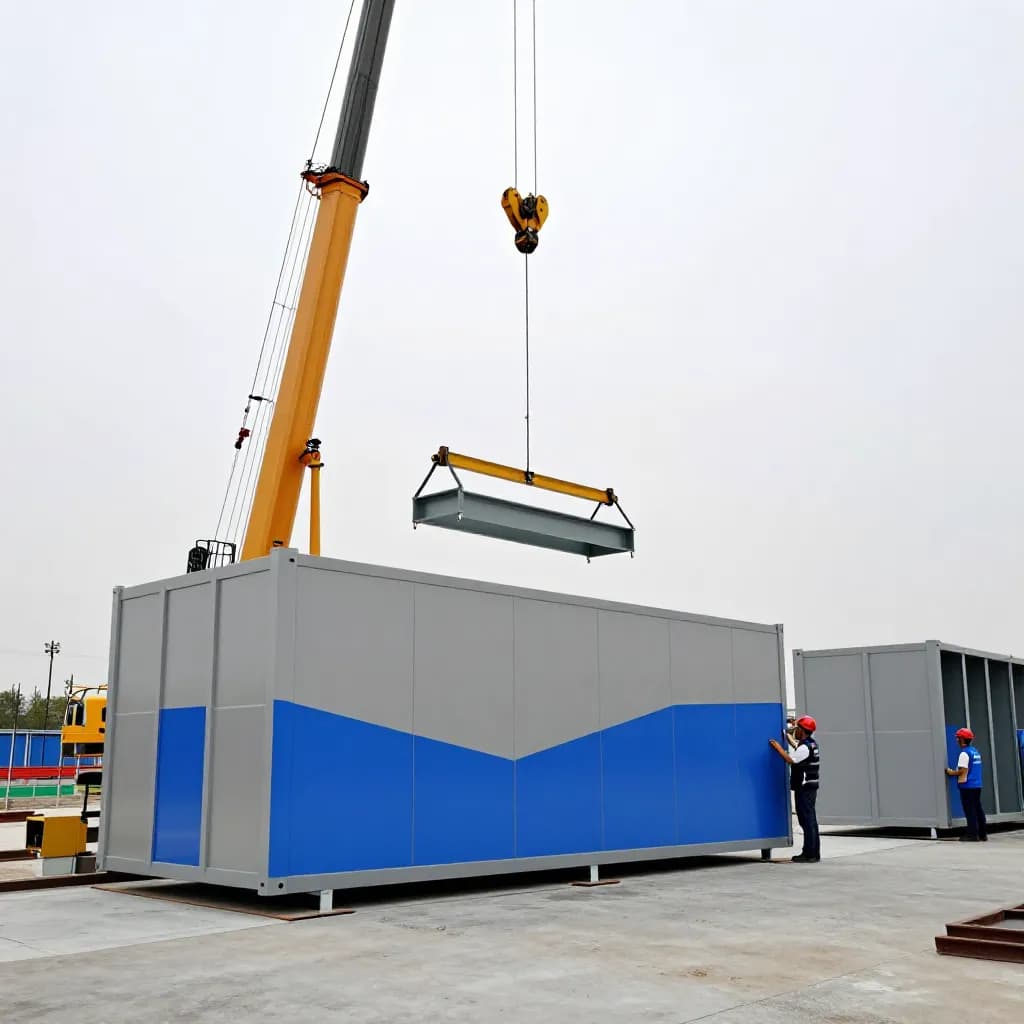
In a factory setting, powder coating can be applied under precisely controlled conditions of temperature, humidity, and cleanliness. The electrostatic application process, curing oven parameters, and quality inspection procedures are standardized and repeatable, ensuring that every component meets the same specification regardless of external weather conditions or seasonal variations. This consistency is impossible to achieve with site-applied liquid paint, where temperature, humidity, wind, and dust all affect the final result.
Ready to Start Your Project?
From one-off customs to 15,000-part production runs — get precise pricing in 24 hours.
On This Page
Why Modular Construction Suits Powder Coating
The efficiency of factory powder coating also supports the speed advantages that drive the adoption of modular construction. Components can be coated, cured, and ready for assembly within hours, compared to the multi-day drying and curing times required for liquid paint systems. This rapid turnaround supports the compressed manufacturing timelines that make modular construction commercially viable.
Pre-Finished Components: Coated Before Assembly
The modular construction workflow involves coating individual components before they are assembled into modules. Wall panels, window frames, structural elements, cladding sheets, and architectural metalwork are all powder coated as discrete items in the finishing facility, then transported to the assembly line where they are integrated into complete building modules.
This pre-finishing approach offers significant quality advantages. Each component can be inspected individually after coating, with any defects identified and corrected before assembly. Once a component is built into a module, access for coating repair becomes difficult or impossible, making pre-finish quality control essential. Powder coating's consistent factory application minimizes defect rates, but the ability to inspect and recoat individual components before assembly provides an additional quality assurance layer.
The range of components that can be pre-finished with powder coating is extensive. Structural steel frames receive corrosion-protective dual-coat systems before assembly. Aluminum window and door frames are coated to architectural specifications before glazing and installation. Cladding panels are finished to exact color and gloss specifications before mounting. This comprehensive pre-finishing means that modules arrive on site with all visible surfaces already at their final finish quality.
Transport Durability: Surviving Handling and Delivery
The journey from factory to site subjects modular building components to mechanical stresses that site-finished buildings never experience. Modules and pre-finished components are lifted by cranes, loaded onto trucks, transported over roads, and maneuvered into position on site. Throughout this process, coated surfaces are at risk of impact damage, abrasion from strapping and packaging, and scratching from contact with handling equipment.
Powder coating at 60-120 microns provides a substantially more robust barrier against transport damage than liquid paint at 25-50 microns. The thick, hard thermoset film absorbs minor impacts and resists abrasion from packaging materials and handling equipment that would chip or scratch through thinner liquid paint films. This transport resilience reduces the need for on-site touch-up work, maintaining the factory-quality finish through to final installation.
The practical benefit for modular construction projects is significant. Touch-up painting on site introduces variability, requires additional trades and materials, and can delay handover. By specifying powder coating with its superior transport durability, project teams can minimize on-site finishing work, maintaining the speed and quality advantages that justify the modular construction approach.
On-Site Assembly with Pre-Coated Elements
One of the most significant advantages of pre-coated modular construction is the elimination of on-site painting. Traditional construction sites involve extensive wet painting operations that generate VOC emissions, create overspray waste, require weather-dependent scheduling, and produce odors that affect neighboring properties and site workers. Pre-coated modular assembly eliminates all of these issues.
Zero VOC on the construction site is an increasingly important consideration for urban projects where buildings are constructed adjacent to occupied properties, schools, hospitals, or other sensitive receptors. Powder-coated modular components arrive on site fully finished, requiring no painting, no solvent storage, and no VOC emissions during the assembly process. This clean assembly approach supports planning compliance and community relations on sensitive urban sites.
The speed of on-site assembly is also enhanced by pre-coating. There are no painting operations to schedule, no drying times to accommodate, and no weather-dependent finishing activities that could delay the program. Modules are craned into position, connected, and sealed, with all visible surfaces already at their final finish quality. This streamlined assembly process is a key factor in the program certainty that makes modular construction attractive to developers and clients.
Quality Advantages of Factory Finishing vs Site Painting
The quality gap between factory powder coating and site-applied liquid paint is substantial and well documented. Factory powder coating is applied in a controlled environment with consistent temperature, humidity, and air quality. Automated or semi-automated application equipment delivers uniform film thickness across every component. Infrared or convection curing ovens provide precise, repeatable cure conditions that fully cross-link the powder coating to its optimal hardness and chemical resistance.
Site painting, by contrast, is subject to every variable that the outdoor environment presents. Temperature and humidity fluctuations affect paint viscosity, drying time, and film formation. Wind carries dust and debris onto wet paint surfaces. Rain can wash uncured paint from surfaces or cause blistering in partially cured films. Even skilled painters cannot achieve the consistency of factory-applied powder coating when working in these uncontrolled conditions.
The quality difference is visible in the finished product. Factory powder-coated surfaces present uniform color, consistent gloss, and smooth film formation across every component. Site-painted surfaces frequently show brush marks, roller texture, drips, runs, and color variation between areas painted at different times or under different conditions. For building owners and occupants who will live with these finishes for decades, the quality advantage of factory powder coating is immediately apparent and enduringly valuable.
Frequently Asked Questions
Why is powder coating better than site painting for modular buildings?
Powder coating is applied in controlled factory conditions with consistent temperature, humidity, and automated equipment, producing uniform quality impossible to achieve on site. The 60-120 micron film also survives transport and handling better than liquid paint at 25-50 microns, reducing on-site touch-up requirements.
Does powder coating survive the transport of modular building components?
Yes. Powder coating at 60-120 microns provides a thick, hard thermoset film that resists the impacts, abrasion, and scratching that occur during crane lifting, truck transport, and on-site maneuvering. This transport durability is a significant advantage over thinner liquid paint films that chip and scratch during handling.
How does pre-coated modular construction reduce on-site VOC emissions?
Powder-coated modular components arrive on site fully finished, eliminating all on-site painting operations. This means zero VOC emissions, no solvent storage, and no paint overspray during assembly — a significant advantage for urban sites near occupied buildings, schools, or hospitals.
Can all modular building components be powder coated?
Yes. Structural steel frames, aluminum window and door frames, cladding panels, wall panels, and architectural metalwork can all be powder coated before module assembly. This comprehensive pre-finishing means modules arrive on site with all visible surfaces at their final finish quality.
Ready to Start Your Project?
From one-off customs to 15,000-part production runs — get precise pricing in 24 hours.