Metal roofing has experienced a renaissance in contemporary architecture, driven by its exceptional durability, design versatility, and sustainability credentials. Standing seam systems, with their clean vertical lines and concealed fixings, have become a signature element of modern residential and commercial design. Flat lock panels, profiled sheets, and metal shingles offer additional aesthetic options that suit a wide range of architectural styles from industrial minimalism to traditional craftsmanship.
Architecture
Powder Coating for Metal Roofing and Standing Seam Systems
Sundial Powder Coating·April 20, 2026·9 min
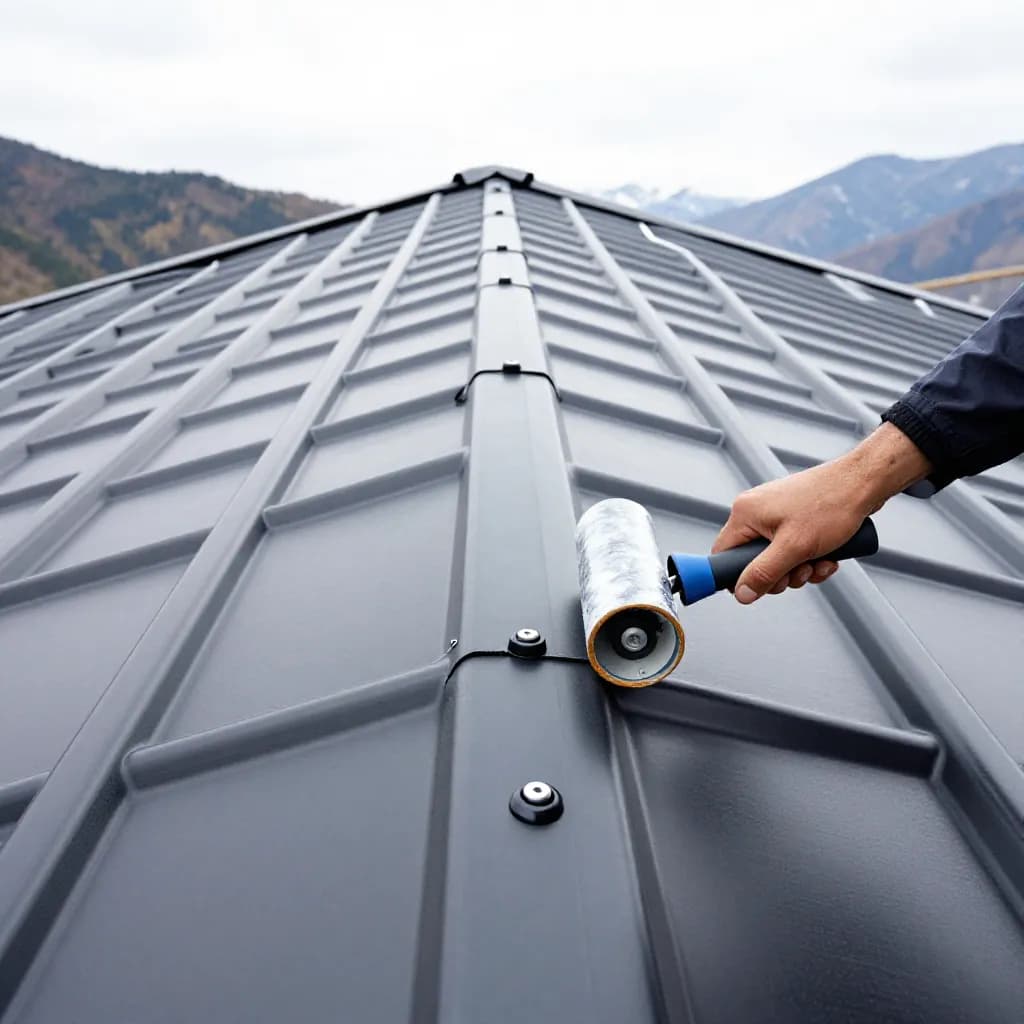
The growing popularity of metal roofing reflects a broader shift toward long-life, low-maintenance building materials. A well-specified metal roof can last 50 to 70 years — far exceeding the 15 to 30 year lifespan of asphalt shingles or concrete tiles. Metal roofing is also lightweight, reducing structural requirements, and is fully recyclable at end of life. These characteristics align with the lifecycle thinking and circular economy principles that increasingly guide architectural specification.
Ready to Start Your Project?
From one-off customs to 15,000-part production runs — get precise pricing in 24 hours.
On This Page
Metal Roofing in Modern Architecture
However, the performance and appearance of a metal roof depend critically on its coating. The roof is the most exposed surface on any building, receiving the most intense UV radiation, the most direct rainfall, and the widest temperature swings. A coating that cannot withstand these conditions will degrade rapidly, undermining the aesthetic appeal and corrosion protection that justify the investment in metal roofing. The choice of coating technology — and the specification of its performance requirements — is therefore one of the most important decisions in metal roof design.
Coating Requirements for Metal Roofing
Metal roofing imposes the most demanding coating requirements of any architectural application. The roof surface receives more UV radiation per square meter than any other building element because it faces the sky at a steep angle, maximizing solar exposure throughout the day. In tropical and subtropical climates, cumulative UV exposure on a roof can be two to three times greater than on a vertical facade, accelerating the photochemical degradation that causes coating fading, chalking, and loss of gloss.
Thermal cycling is another severe stress on roof coatings. Metal roof surfaces can reach temperatures of 70 to 80 degrees Celsius under direct summer sun and drop below freezing on winter nights. This daily and seasonal temperature cycling causes the metal substrate and the coating to expand and contract at different rates, generating internal stresses that can cause cracking, delamination, and loss of adhesion in coatings that lack sufficient flexibility and adhesion strength.
Rain erosion, hail impact, wind-borne debris, and biological growth (moss, lichen, algae) add further challenges. The coating must resist all of these stresses while maintaining its color — because a roof is visible from a distance and any fading or discoloration is immediately apparent. For these reasons, only the highest-performance coating technologies should be specified for metal roofing. Superdurable powder coatings, with their thick film build of 60 to 120 microns and formulations specifically engineered for extreme UV resistance, are ideally suited to meet these demanding requirements.
Powder Coating vs Coil Coating for Metal Roofing
Metal roofing can be finished using two principal coating technologies: post-formed powder coating and pre-painted coil coating. Each has distinct advantages depending on the roofing system and project requirements. Understanding the differences helps specifiers make informed choices.
Coil coating (also called pre-painting) applies liquid paint to flat metal coil before it is formed into roofing profiles. The process is highly efficient for large-volume production of standard profiles, and the controlled factory environment produces consistent results. However, coil coatings are typically limited to 20 to 25 microns of topcoat thickness, and the forming process after coating can stress the paint film at bends and seams, potentially creating micro-cracks that become corrosion initiation points. The coating must also be flexible enough to withstand forming without cracking, which can limit the range of coating chemistries and finishes available.
Post-formed powder coating applies the coating after the metal has been cut and formed into its final shape. This means the coating is applied to the finished component with no subsequent mechanical stress, and the full 60 to 120 micron film thickness is maintained uniformly across all surfaces including bends, seams, and cut edges. Post-formed powder coating is particularly advantageous for standing seam systems, architectural panels, and custom roofing elements where coating integrity at formed edges is critical. The thicker film provides better UV protection and longer color retention than thinner coil coatings, and the absence of post-coating forming eliminates the risk of mechanical damage to the coating. For premium architectural metal roofing where appearance and longevity are paramount, post-formed powder coating delivers superior results.
Color Selection for Metal Roofs
Color selection for metal roofing involves both aesthetic and functional considerations. Dark colors — RAL 7016 Anthracite Grey, RAL 7021 Black Grey, RAL 9005 Jet Black, and RAL 7024 Graphite Grey — dominate contemporary residential and commercial roofing design. These colors create a strong, defined roofline that contrasts with lighter facade materials and gives buildings a modern, grounded appearance. Dark metal roofs have become a signature element of Scandinavian, minimalist, and industrial architectural styles.
Light-colored roofs offer functional advantages in warm climates. White, light grey, and pale metallic finishes reflect a higher proportion of solar radiation, reducing heat absorption and lowering the building's cooling energy demand. Cool roof coatings with high solar reflectance indices can reduce roof surface temperatures by 20 to 30 degrees Celsius compared to dark colors, contributing to urban heat island mitigation and qualifying for energy efficiency credits in green building certification systems.
Regardless of color choice, the coating must maintain its color stability for decades under the intense UV exposure that roofs experience. Superdurable powder coatings are formulated with UV-stable resins and pigments that resist fading and chalking far longer than standard coatings. This is where powder coating's advantage over liquid paint is most pronounced on roofing applications — the thick, UV-resistant powder coating film maintains its specified color for 20 to 25 years, while thinner liquid coatings on roofs can show visible fading and chalking within 5 to 8 years of installation.
Why Liquid Field-Applied Paint Fails on Roofs
Field-applied liquid paint on metal roofing is a recipe for premature failure. The combination of thin film build, extreme UV exposure, and the practical limitations of field application creates conditions where liquid paint degrades faster than on almost any other building surface. A field-applied liquid paint coat of 25 to 50 microns on a roof surface receiving peak UV radiation will begin to chalk and fade within 3 to 5 years in most climates, and within 2 to 3 years in tropical or high-altitude locations.
The quality of field-applied liquid paint is inherently inferior to factory-applied coatings. Field conditions — variable temperature, humidity, wind, dust, and lighting — make it difficult to achieve consistent film thickness, proper adhesion, and uniform appearance. Surface preparation on an installed roof is limited compared to factory conditions, and contamination from construction dust, bird droppings, and atmospheric deposits can compromise adhesion. Multi-coat liquid systems applied in the field are particularly vulnerable to inter-coat adhesion failure when recoat windows are missed or environmental conditions change between coats.
Recoating a metal roof is expensive and disruptive regardless of the coating technology used, but the frequency of recoating is dramatically different between powder coating and liquid paint. A factory-applied superdurable powder coating on a metal roof will maintain acceptable appearance for 20 to 25 years. A field-applied liquid paint system may need its first recoating within 5 to 8 years, with subsequent recoating cycles at similar intervals. Over a 50-year roof life, this means the liquid-painted roof may require six to eight recoating interventions while the powder-coated roof requires one or two. The cumulative cost of repeated roof recoating — including access, preparation, materials, labor, and disruption — makes liquid paint the most expensive option over the roof's lifecycle despite its lower initial cost.
Frequently Asked Questions
Is powder coating suitable for standing seam metal roofs?
Yes. Post-formed powder coating is ideal for standing seam roofing because the coating is applied after forming, maintaining the full 60-120 micron film thickness on all surfaces including seams and bends. This provides better protection than pre-painted coil coatings, which are thinner and can be stressed during the forming process.
How long does powder coating last on a metal roof?
Superdurable powder coatings on metal roofing last 20 to 25 years, maintaining color and gloss retention under the intense UV exposure that roofs experience. This compares to 5 to 8 years for field-applied liquid paint, which degrades rapidly under constant solar radiation. Factory-applied powder coating is the most durable option for architectural metal roofing.
Should I choose a light or dark color for a metal roof?
Dark colors (anthracite, black, graphite) are popular for contemporary design aesthetics. Light colors reflect more solar radiation, reducing cooling energy demand in warm climates and qualifying for cool roof credits. Superdurable powder coatings maintain color stability for 20-25 years regardless of color choice, so the decision can be based on design preference and climate.
What is the difference between coil coating and powder coating for roofing?
Coil coating applies liquid paint to flat metal before forming, typically achieving 20-25 microns of topcoat. Powder coating is applied after forming, achieving 60-120 microns with no risk of mechanical damage at bends. Powder coating provides thicker protection, better UV resistance, and longer color retention, making it the premium choice for architectural metal roofing.
Ready to Start Your Project?
From one-off customs to 15,000-part production runs — get precise pricing in 24 hours.