The global powder coating market has experienced sustained growth over the past three decades, evolving from a niche industrial finishing technology into a mainstream coating solution that serves virtually every manufacturing sector. As of the mid-2020s, the worldwide powder coating market is valued at approximately 16-17 billion USD, with annual production volumes exceeding 5 million metric tons of powder coating material.
Reference
Powder Coating Market Size, Growth Drivers, and Global Trends
Sundial Powder Coating·April 23, 2026·11 min
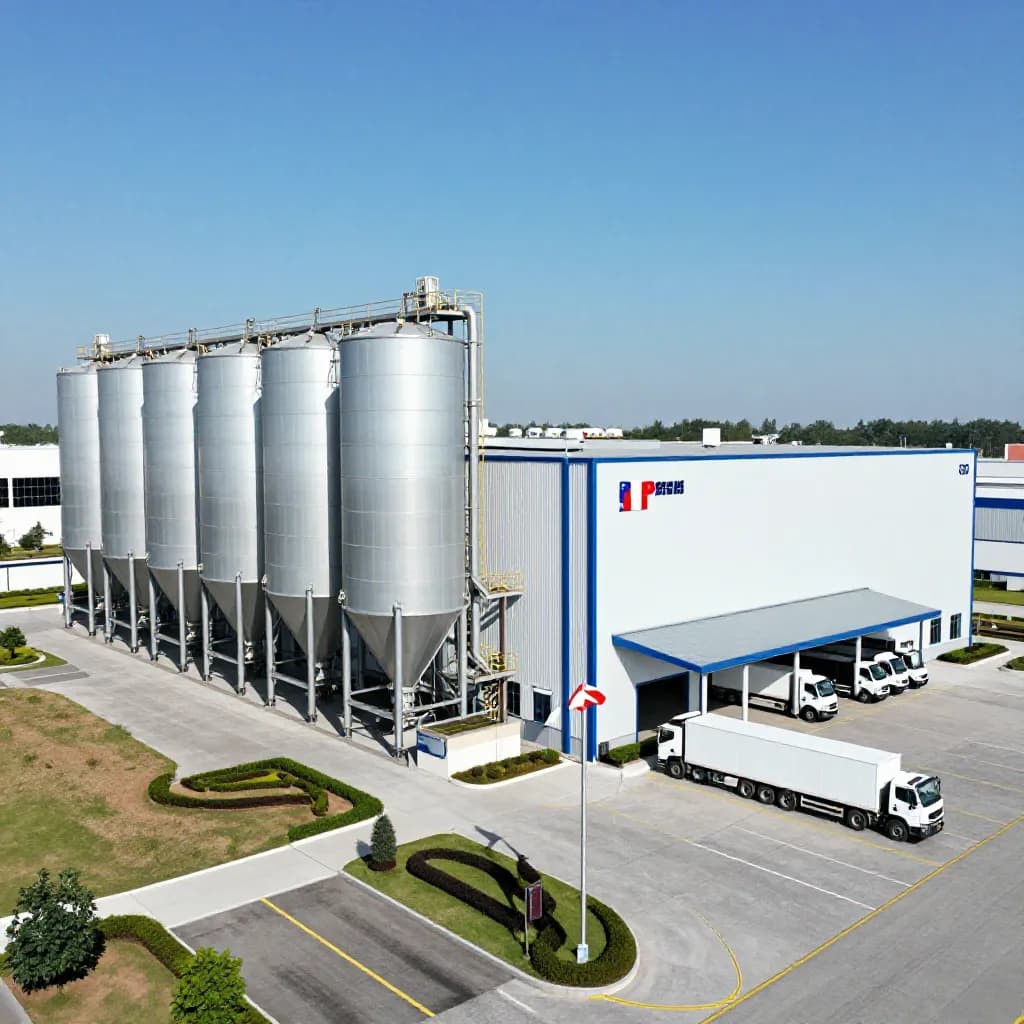
This growth trajectory reflects the convergence of several powerful market forces: tightening environmental regulations that penalize solvent-based coatings, increasing demand for durable and sustainable finishes across construction and manufacturing, and continuous improvements in powder coating technology that have expanded the range of viable applications. The compound annual growth rate (CAGR) for the global powder coating market has consistently outpaced the broader industrial coatings sector, typically running at 6-8% annually compared to 3-4% for the coatings industry as a whole.
Ready to Start Your Project?
From one-off customs to 15,000-part production runs — get precise pricing in 24 hours.
On This Page
Global Powder Coating Market Overview
The market is served by a mix of global chemical companies and regional specialists. Major powder coating manufacturers include AkzoNobel, Sherwin-Williams, Axalta Coating Systems, PPG Industries, Jotun, Tiger Coatings, and IGP Pulvertechnik, among others. These companies invest heavily in research and development, new product launches, and geographic expansion to capture growing demand in emerging markets.
Powder coating's market position is strengthened by its fundamental economic and environmental advantages over liquid paint. Higher material utilization rates, zero VOC emissions, simpler waste management, and reduced energy consumption per unit of coated surface area all contribute to a favorable total cost of ownership that drives conversion from liquid to powder across industries.
Key Growth Drivers
Several interconnected factors are driving the continued expansion of the powder coating market. Environmental regulation remains the single most powerful growth driver. Governments worldwide are implementing increasingly stringent limits on volatile organic compound emissions from industrial coating operations. The European Union's Industrial Emissions Directive, China's aggressive air quality regulations, and ongoing tightening of US EPA standards all create regulatory pressure that favors zero-VOC powder coatings over solvent-based liquid alternatives.
The global construction boom, particularly in Asia-Pacific, the Middle East, and Africa, is generating enormous demand for architectural powder coatings. Urbanization, infrastructure development, and rising standards for building performance are driving specification of powder-coated aluminum for facades, windows, doors, curtain walls, and interior fittings. The construction sector represents the largest single end-use segment for powder coatings, accounting for approximately 25-30% of global demand.
Automotive lightweighting trends are creating new opportunities for powder coating as manufacturers increasingly use aluminum and other lightweight metals that are well-suited to powder finishing. The shift toward electric vehicles is also favorable, as EV manufacturers seek sustainable manufacturing processes that align with the environmental positioning of their products.
Technological advancement continues to expand the addressable market for powder coatings. Low-temperature cure formulations enable coating of heat-sensitive substrates including MDF, plastics, and pre-assembled components. Ultra-thin film technology makes powder competitive in applications previously reserved for liquid paint. And functional coatings with antimicrobial, anti-fingerprint, or thermal-barrier properties open entirely new market segments.
Sustainability commitments by major manufacturers and brand owners are accelerating the shift to powder. Companies with public carbon reduction targets and circular economy goals are actively converting liquid paint lines to powder coating as part of their sustainability strategies.
Regional Market Analysis: Asia-Pacific
Asia-Pacific is the largest and fastest-growing regional market for powder coatings, accounting for approximately 45-50% of global consumption. China alone represents roughly 30% of worldwide powder coating demand, driven by its massive manufacturing base, rapid urbanization, and increasingly stringent environmental regulations that are forcing industrial coating operations to transition away from solvent-based systems.
China's powder coating market has undergone a dramatic transformation over the past decade. Government crackdowns on VOC-emitting industries, particularly in the Yangtze River Delta and Pearl River Delta manufacturing regions, have accelerated the conversion from liquid to powder coating across furniture, appliance, automotive component, and general industrial finishing operations. Chinese powder coating manufacturers have also invested heavily in technology and quality, narrowing the gap with European and North American producers.
India represents the second major growth engine in Asia-Pacific. The country's expanding middle class, infrastructure development programs, and growing manufacturing sector are driving demand for powder-coated products across construction, automotive, appliance, and general industrial applications. India's powder coating market is growing at double-digit rates, albeit from a smaller base than China.
Southeast Asian markets — Vietnam, Thailand, Indonesia, and the Philippines — are emerging as significant powder coating consumers as manufacturing activity shifts to these countries from China. The establishment of new automotive, electronics, and appliance manufacturing facilities in Southeast Asia is creating demand for local powder coating supply chains and application services.
Japan and South Korea, while mature markets with slower growth rates, continue to drive innovation in high-performance powder coating applications for automotive, electronics, and precision engineering. Japanese manufacturers in particular have been leaders in developing ultra-thin film and functional powder coating technologies.
Regional Market Analysis: Europe and North America
Europe is the second-largest regional market for powder coatings and remains the global center of innovation for architectural and high-performance powder coating technology. The European market accounts for approximately 25-28% of global powder coating consumption, with Germany, Italy, Turkey, Spain, and France as the leading national markets.
The European powder coating industry benefits from the world's most developed quality certification infrastructure, including Qualicoat, GSB International, and national quality marks that set rigorous performance standards for architectural coatings. This quality framework has driven the near-complete adoption of powder coating for architectural aluminum finishing across Europe, with market penetration exceeding 95% in many countries.
European environmental regulations, including the EU Emissions Trading System, REACH chemical regulation, and national VOC directives, continue to favor powder coating adoption. The European Green Deal and associated industrial policy initiatives are expected to further accelerate the transition from liquid to powder coating across manufacturing sectors.
North America represents approximately 15-18% of global powder coating demand. The United States is the dominant market, with significant consumption in automotive, appliance, architectural, agricultural equipment, and general industrial applications. The North American market is characterized by high levels of automation, sophisticated quality requirements, and strong demand for custom colors and specialty finishes.
Canada and Mexico contribute additional demand, with Mexico's growing automotive and appliance manufacturing sectors driving particularly strong growth. The USMCA trade agreement has facilitated cross-border supply chains that include powder coating operations serving automotive OEMs and tier-one suppliers across all three countries.
Both European and North American markets are seeing increased demand for sustainable and bio-based powder coating formulations, reflecting the broader corporate sustainability movement and consumer preference for environmentally responsible products.
End-Use Segment Analysis
The powder coating market serves a diverse range of end-use segments, each with distinct performance requirements, growth dynamics, and competitive characteristics. Understanding these segments is essential for assessing market opportunities and technology development priorities.
Architectural and construction applications represent the largest end-use segment, accounting for 25-30% of global powder coating demand. This segment includes aluminum extrusions for windows, doors, and curtain walls; aluminum and steel cladding panels; fencing and railing systems; and interior architectural fittings. Growth in this segment is closely tied to construction activity and is particularly strong in regions experiencing rapid urbanization.
The automotive segment, including both OEM and aftermarket applications, accounts for approximately 15-20% of demand. Automotive powder coating applications include underbody components, wheels, engine parts, trim pieces, and increasingly, body panels. The shift to electric vehicles and the use of aluminum body structures are expanding opportunities for powder coating in this segment.
Appliance and white goods manufacturing represents 10-15% of the market. Refrigerators, washing machines, dryers, dishwashers, and small appliances are commonly finished with powder coatings that provide durability, chemical resistance, and aesthetic appeal. This segment is mature in developed markets but growing rapidly in Asia and other emerging regions.
General industrial applications — including agricultural equipment, industrial machinery, shelving and storage systems, electrical enclosures, and HVAC equipment — collectively account for 20-25% of demand. This diverse segment is characterized by a wide range of performance requirements and a mix of functional and decorative coating needs.
Furniture, both commercial and residential, represents a growing segment as manufacturers convert from liquid paint to powder coating for metal furniture components. Outdoor furniture is a particularly strong application due to powder coating's superior weathering resistance.
Technology Trends Shaping Market Growth
Several technology trends are reshaping the powder coating market and creating new growth opportunities. Low-temperature and ultra-low-temperature cure powder coatings are among the most commercially significant developments. Formulations that cure at 140-160°C, compared to the traditional 180-200°C range, reduce energy consumption by 15-25% and enable coating of heat-sensitive substrates that were previously inaccessible to powder technology.
Super-durable polyester powder coatings with enhanced UV and weathering resistance are gaining market share in architectural applications. These formulations, which use specialized polyester resins and UV stabilizer packages, can achieve performance levels approaching those of fluoropolymer coatings at significantly lower material costs. They are particularly popular in regions with high UV exposure, such as the Middle East, Australia, and the southern United States.
Metallic and special-effect powder coatings are growing faster than the overall market as manufacturers and consumers demand more sophisticated aesthetic options. Bonded metallic technology, which attaches metallic flake particles to the surface of powder particles, has improved the consistency and appearance of metallic powder coatings, making them viable for automotive and premium architectural applications.
Digital color management and rapid color matching systems are reducing the time and cost associated with custom color development. These systems use spectrophotometric measurement and computerized formulation to match target colors quickly and accurately, enabling powder coating to serve markets that require frequent color changes or small-batch custom colors.
Industry 4.0 integration is transforming powder coating operations through connected equipment, real-time process monitoring, predictive maintenance, and data-driven quality control. Smart coating lines that automatically adjust spray parameters based on part geometry, ambient conditions, and real-time film thickness measurements are improving first-pass quality and reducing waste.
Market Forecasts and Future Outlook
Industry analysts project continued strong growth for the global powder coating market through the remainder of the 2020s and into the 2030s. Most forecasts anticipate a compound annual growth rate of 6-8% in value terms, with the market potentially reaching 25-30 billion USD by 2030. Volume growth is expected to be somewhat lower, in the 4-6% range, reflecting the trend toward higher-value specialty and functional coatings.
Asia-Pacific is expected to remain the fastest-growing region, driven by continued industrialization, urbanization, and environmental regulatory tightening in China, India, and Southeast Asia. The region's share of global powder coating consumption is projected to increase from approximately 45-50% to 50-55% by 2030.
Europe and North America are expected to grow at more moderate rates of 3-5% annually, with growth driven primarily by conversion from liquid to powder in existing applications rather than by expansion of overall coating demand. Sustainability mandates and corporate ESG commitments will be key drivers of conversion activity in these mature markets.
The Middle East and Africa represent emerging growth opportunities, with infrastructure development, industrial diversification, and climate-driven demand for durable exterior coatings supporting above-average growth rates. Latin America is also expected to see accelerating powder coating adoption as environmental regulations tighten and manufacturing activity expands.
Several factors could accelerate growth beyond current forecasts. Breakthroughs in low-temperature cure technology that enable widespread powder coating of plastics and composites would open enormous new markets. Successful commercialization of bio-based powder coatings could attract sustainability-focused customers currently using liquid alternatives. And further tightening of VOC regulations in major markets would accelerate the liquid-to-powder conversion trend.
Conversely, economic slowdowns, raw material supply disruptions, or the emergence of competing zero-VOC liquid coating technologies could moderate growth. However, the fundamental structural advantages of powder coating — zero VOC, high material efficiency, superior durability, and lower lifecycle cost — provide a strong foundation for continued market expansion.
Frequently Asked Questions
How large is the global powder coating market?
The global powder coating market is valued at approximately 16-17 billion USD as of the mid-2020s, with annual production volumes exceeding 5 million metric tons. The market has been growing at a compound annual growth rate of 6-8%, consistently outpacing the broader industrial coatings sector.
Which region consumes the most powder coating?
Asia-Pacific is the largest regional market, accounting for approximately 45-50% of global powder coating consumption. China alone represents roughly 30% of worldwide demand, driven by its massive manufacturing base and increasingly stringent environmental regulations that favor zero-VOC coating technologies.
What is the largest end-use segment for powder coatings?
Architectural and construction applications represent the largest end-use segment, accounting for 25-30% of global powder coating demand. This includes aluminum extrusions for windows and doors, cladding panels, fencing systems, and interior architectural fittings.
What is driving powder coating market growth?
Key growth drivers include tightening environmental regulations on VOC emissions, the global construction boom (particularly in Asia-Pacific), automotive lightweighting trends, technological advances enabling new applications, and corporate sustainability commitments driving conversion from liquid paint to powder coating.
What is the projected market size for powder coatings by 2030?
Most industry forecasts project the global powder coating market will reach 25-30 billion USD by 2030, representing a compound annual growth rate of 6-8% in value terms. Asia-Pacific is expected to account for 50-55% of global consumption by that date.
Ready to Start Your Project?
From one-off customs to 15,000-part production runs — get precise pricing in 24 hours.