Marine and offshore environments represent the most aggressive corrosion conditions that structural steel and equipment encounter anywhere on Earth. The combination of salt water immersion, salt spray, high humidity, UV radiation, wave action, and biological fouling creates corrosion rates that can exceed 200 microns per year on unprotected carbon steel — meaning that a 10 mm thick steel plate could lose 20% of its thickness in a single decade without adequate protection.
Industrial
Powder Coating for Marine and Offshore Platforms: C5-M Corrosion Protection and Duplex Systems
Sundial Powder Coating·April 22, 2026·12 min
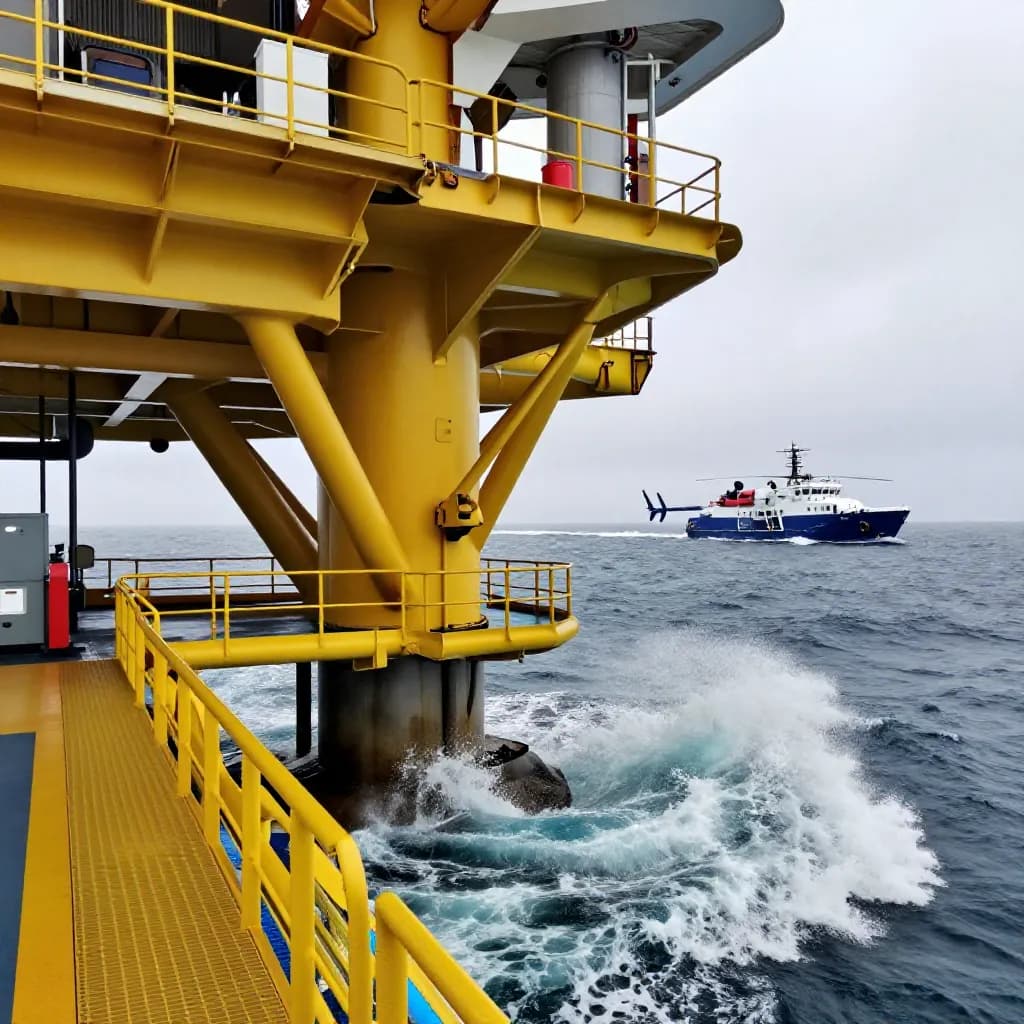
The offshore oil and gas industry, marine renewable energy sector, port and harbor infrastructure, and naval/commercial shipping industries all depend on protective coating systems to maintain the structural integrity and operational capability of their assets. The economic consequences of coating failure in these sectors are enormous — offshore platform maintenance campaigns can cost tens of millions of dollars, and unplanned shutdowns due to structural corrosion can result in production losses of millions of dollars per day.
Ready to Start Your Project?
From one-off customs to 15,000-part production runs — get precise pricing in 24 hours.
On This Page
The Marine and Offshore Corrosion Challenge
Powder coating has established a growing role in the marine and offshore coating market, particularly for factory-applied coatings on fabricated components, equipment housings, and piping systems. While field-applied liquid coatings remain necessary for large structural elements that cannot be transported to coating facilities, powder coating's superior film build, zero VOC emissions, and excellent barrier properties make it the preferred technology for components that can be coated in controlled factory environments.
This article examines the specific requirements for powder coating in marine and offshore applications, covering the ISO 12944 corrosion protection framework, C5-M and CX corrosivity classifications, duplex coating systems, splash zone protection, and cathodic disbondment resistance.
ISO 12944 Framework and C5-M Corrosion Classification
ISO 12944 (Paints and Varnishes — Corrosion Protection of Steel Structures by Protective Paint Systems) is the international standard that provides the framework for specifying corrosion protection systems for steel structures in all environments, including marine and offshore. Understanding this framework is essential for specifying powder coating systems for marine applications.
The standard classifies atmospheric corrosivity into categories from C1 (very low) to CX (extreme), based on the corrosion rate of standard steel and zinc reference specimens exposed to the environment. Marine and offshore environments are classified as follows: C4 (high) for coastal areas 1-5 km from the sea, C5 (very high, formerly C5-M for marine) for coastal areas within 1 km of the sea and offshore atmospheric zones, and CX (extreme) for offshore environments with high salinity and persistent moisture.
The 2018 revision of ISO 12944-2 replaced the former C5-I (industrial) and C5-M (marine) sub-categories with a single C5 category and introduced the new CX category for the most extreme environments. However, the C5-M designation remains widely used in industry specifications and is understood to represent the severe marine atmospheric conditions encountered on offshore platforms, coastal structures, and ships.
ISO 12944-5 defines coating system types and their expected durability in each corrosivity category. Durability is classified as low (2-5 years), medium (5-15 years), high (15-25 years), and very high (>25 years). For offshore and marine structures with design lives of 25-40 years, high or very high durability systems are specified, requiring coating systems that have been validated through extensive accelerated testing and, ideally, real-world exposure data.
ISO 12944-6 specifies the laboratory test methods for qualifying coating systems, including salt spray testing (ISO 9227), cyclic corrosion testing, cathodic disbondment testing, and accelerated weathering. The test durations and acceptance criteria are defined for each corrosivity category and durability class, providing a rigorous framework for comparing and qualifying coating systems.
For powder coating systems, ISO 12944-9 (Protective Paint Systems and Laboratory Performance Test Methods for Offshore and Related Structures) provides additional requirements specific to the offshore environment, including testing under combined mechanical and corrosive stress conditions that simulate the real-world loading of offshore structures.
Duplex Coating Systems for Maximum Marine Protection
Duplex coating systems — combining hot-dip galvanizing with powder coating — represent the gold standard for corrosion protection in marine environments. The synergistic interaction between the zinc galvanizing layer and the organic powder coating produces a protection system that significantly outperforms either component alone, delivering service lives that can exceed the sum of the individual system lifetimes by a factor of 1.5 to 2.3.
The mechanism of synergistic protection in duplex systems operates through complementary protection modes. The zinc galvanizing layer provides sacrificial (cathodic) protection to the steel substrate at any point where the coating system is breached — scratches, impacts, cut edges, and weld repairs all receive active corrosion protection from the surrounding zinc. Simultaneously, the powder coating acts as a barrier that prevents the zinc from corroding prematurely through atmospheric exposure, dramatically extending the life of the zinc layer.
For marine and offshore applications, the galvanizing specification follows ISO 1461, with minimum zinc coating thicknesses of 85 microns for steel sections above 6 mm thick. In practice, offshore specifications often require minimum zinc thicknesses of 100-140 microns to provide additional sacrificial protection capacity for the aggressive marine environment.
The powder coating component of the duplex system is typically a dual-coat application: epoxy primer (50-70 microns) applied directly to the galvanized surface, followed by a polyester or super-durable polyester topcoat (60-80 microns). The epoxy primer provides excellent adhesion to the zinc surface and superior moisture barrier properties, while the polyester topcoat delivers UV resistance and color retention for the atmospheric exposure zone.
Adhesion of powder coating to galvanized steel requires specific surface preparation. The zinc surface must be free of white rust (zinc oxide/hydroxide), oils, and any chromate or organic passivation treatments that could inhibit coating adhesion. Sweep blasting with fine aluminum oxide media (100-150 mesh) at reduced pressure (2-3 bar) creates a surface profile of 25-40 microns on the zinc surface without removing excessive zinc. Alternatively, T-wash (mordant solution) or specialized zinc-compatible conversion coatings provide chemical adhesion promotion.
The total system thickness of a marine duplex system — 85-140 microns of zinc plus 110-150 microns of powder coating — provides a combined barrier of 200-290 microns that delivers very high durability (>25 years) in C5 marine environments. This performance level meets the requirements of ISO 12944-9 for offshore structures and is validated through accelerated testing including 4,200 hours of cyclic corrosion testing per ISO 12944-6.
Splash Zone and Immersion Zone Coating Requirements
Offshore structures experience distinctly different corrosion conditions at different elevations relative to the waterline. The atmospheric zone (above the splash zone), splash zone (intermittently wetted by waves), tidal zone (between high and low tide), submerged zone (continuously immersed), and buried zone (in the seabed) each require coating systems tailored to their specific exposure conditions.
The splash zone is widely recognized as the most aggressive corrosion zone on any marine structure. The continuous cycle of wetting and drying provides both the moisture needed for electrochemical corrosion and the oxygen needed to sustain the corrosion reaction at maximum rate. Corrosion rates in the splash zone can reach 300-400 microns per year on unprotected steel — 2-3 times higher than in the fully submerged zone where oxygen availability limits the corrosion rate.
Powder coating for splash zone applications requires the highest level of barrier protection and adhesion retention under cyclic wet-dry conditions. Fusion-bonded epoxy (FBE) at 400-800 microns is the standard powder coating technology for splash zone protection, applied to preheated steel substrates to achieve the void-free, high-adhesion film needed for this extreme service. The thick FBE film provides a robust moisture barrier that maintains protection despite the continuous wet-dry cycling and the mechanical action of waves and floating debris.
The submerged zone (below the lowest astronomical tide) experiences continuous seawater immersion at temperatures of 4-25°C depending on location and depth. Coating systems for the submerged zone must resist water permeation, cathodic disbondment (from the cathodic protection system), and marine biological fouling. FBE at 400-600 microns provides excellent immersion resistance, with cathodic disbondment resistance validated per ISO 15711 or ASTM G8.
The atmospheric zone above the splash zone is exposed to salt spray, UV radiation, and temperature cycling but is not directly wetted by seawater. This zone uses the duplex or multi-coat powder coating systems described in the previous section, with super-durable polyester topcoats providing the UV resistance needed for the 25-40 year design life of offshore structures.
Transition zones between different coating systems require careful detailing to prevent corrosion at system boundaries. The overlap between splash zone FBE and atmospheric zone powder coating must be designed to prevent moisture ingress at the interface. A minimum overlap of 50-100 mm, with the atmospheric coating overlapping onto the splash zone coating, provides a reliable transition.
Cathodic Disbondment Resistance
Cathodic protection (CP) is universally applied to submerged and buried steel structures in the marine environment to supplement the barrier protection provided by coatings. CP works by making the steel structure the cathode in an electrochemical cell, either through sacrificial anodes (zinc or aluminum alloy) or impressed current systems. While CP is essential for preventing corrosion at coating defects, the alkaline environment generated at the cathode surface can cause coating disbondment — a phenomenon known as cathodic disbondment that is one of the most important performance parameters for marine coatings.
Cathodic disbondment occurs because the cathodic reaction (reduction of dissolved oxygen or water) generates hydroxyl ions (OH⁻) at the steel surface, creating a highly alkaline environment (pH 12-14) beneath the coating at defect sites. This alkaline environment can attack the coating-metal bond, causing the coating to lift away from the substrate in a circular pattern around the original defect. The rate and extent of disbondment depend on the coating chemistry, adhesion mechanism, applied potential, temperature, and seawater chemistry.
Cathodic disbondment testing per ISO 15711 (Method A — ambient temperature, Method B — elevated temperature) or ASTM G8 evaluates the coating's resistance to this mechanism. The test applies a controlled cathodic potential (-1.5V vs. Ag/AgCl reference electrode) to a coated panel with an artificial defect (typically a 6 mm diameter holiday) immersed in synthetic seawater. After 28-90 days of exposure, the coating is removed around the defect and the radius of disbondment is measured.
Fusion-bonded epoxy coatings typically achieve cathodic disbondment radii of 5-8 mm after 28 days at ambient temperature per ISO 15711 Method A, meeting the requirements of most offshore specifications. At elevated temperatures (65°C, simulating hot riser and pipeline conditions), disbondment radii increase to 8-15 mm, which is still within acceptable limits for most applications.
The adhesion mechanism of the coating to the steel substrate is the primary factor determining cathodic disbondment resistance. FBE coatings applied to preheated steel (220-245°C) achieve chemical bonding between the epoxy functional groups and the iron oxide surface, creating a bond that is more resistant to alkaline attack than the mechanical adhesion of conventionally applied powder coatings. This is why FBE is specified for immersion and CP-protected applications rather than standard powder coating chemistries.
For duplex systems in the atmospheric zone where CP is not applied, cathodic disbondment resistance is less critical. However, if the structure's CP system extends into the atmospheric zone (as it may at the splash zone boundary), the coating in this transition area must still resist cathodic disbondment.
Marine Equipment and Offshore Component Applications
Beyond structural steelwork, a wide range of marine and offshore equipment components are powder coated in factory environments before installation on platforms, vessels, and coastal structures.
Offshore crane structures — pedestal cranes, knuckle boom cranes, and pipe-handling cranes — are fabricated in shipyards and heavy engineering workshops where powder coating facilities are available. The crane boom, jib, and pedestal are powder coated with duplex systems (galvanizing plus epoxy primer plus polyester topcoat) before assembly and installation. The coating must withstand the dynamic loads of crane operation, including the vibration and flexing that occur during lifting operations in sea states.
Helideck structures on offshore platforms use powder-coated steel grating and structural members. The coating must resist aviation fuel spillage, de-icing chemicals, and the thermal effects of helicopter exhaust. Anti-slip powder coatings with aggregate additives provide the friction coefficient required for safe helicopter operations in wet conditions. The helideck color scheme (typically green with yellow perimeter markings per CAP 437) uses UV-stable powder coatings that maintain visibility throughout the platform's service life.
Piping systems on offshore platforms — process piping, utility piping, and fire water systems — use powder-coated carbon steel for atmospheric service and FBE-lined carbon steel for seawater service. Color coding of piping per ISO 14726 or operator-specific standards identifies the pipe contents, and the powder coating provides both the color identification and the corrosion protection needed for the marine atmospheric environment.
Electrical and instrumentation enclosures on offshore platforms must achieve IP66 or IP67 ratings for the marine environment. Powder-coated stainless steel (grade 316L) or powder-coated carbon steel with enhanced corrosion protection provides the enclosure material, with the coating contributing to the IP rating through smooth gasket sealing surfaces and continuous barrier protection.
Lifeboat davits, escape route structures, and safety equipment housings are safety-critical components where coating integrity directly affects equipment reliability in emergency situations. These components are coated with high-visibility safety colors (orange RAL 2004, yellow RAL 1023) using super-durable polyester powder coatings that maintain color visibility throughout the platform's service life. Regular inspection and maintenance of safety equipment coatings is mandated by offshore safety regulations.
Wind turbine foundations and transition pieces for offshore wind farms represent a rapidly growing market for marine powder coating. The transition piece — the conical steel structure that connects the monopile foundation to the turbine tower — is fabricated onshore and powder coated before installation. The coating system must protect the structure in the splash zone, tidal zone, and atmospheric zone simultaneously, requiring a multi-zone coating specification with FBE in the lower zones and duplex powder coating in the atmospheric zone.
Quality Assurance, Inspection, and Certification
Quality assurance for marine and offshore powder coatings operates within the most rigorous inspection and certification framework in the coating industry. The safety-critical nature of offshore structures, combined with the extreme difficulty and cost of coating maintenance at sea, demands that the factory-applied coating is right the first time.
Coating specifications for offshore projects are typically developed by specialist coating engineers and referenced in the project's engineering specifications. These specifications define the coating system for each zone and component type, the surface preparation requirements, application parameters, inspection and testing requirements, and acceptance criteria. NORSOK M-501 (Surface Preparation and Protective Coating) is the most widely referenced offshore coating specification internationally, providing comprehensive requirements for all aspects of coating work on offshore structures.
Surface preparation inspection verifies that the steel surface meets the specified cleanliness and profile requirements before coating application. Visual assessment per ISO 8501-1 confirms the cleanliness grade (Sa 2.5 or Sa 3), surface profile measurement per ISO 8503 verifies the anchor profile (typically 50-100 microns for marine coatings), and soluble salt testing per ISO 8502-6 or ISO 8502-9 confirms that chloride contamination is below the specified limit (typically <20 mg/m² for offshore applications). Chloride contamination from marine atmospheric exposure during fabrication is a particular concern for offshore structures and must be removed before coating.
Coating application inspection includes continuous monitoring of ambient conditions (temperature, humidity, dew point), film thickness measurement at defined frequencies (typically every 10 m² of coated surface), and visual inspection for defects. For FBE coatings, cure verification using differential scanning calorimetry (DSC) confirms that the coating has achieved the required degree of crosslinking (typically >95% of theoretical cure).
Holiday detection (spark testing) is performed on 100% of the coated surface for immersion-service and splash zone coatings. The test voltage is calculated based on the film thickness (typically 5-6 V per micron of coating thickness), and any holidays detected must be repaired and re-tested before the component is accepted.
Third-party inspection by independent coating inspection firms (certified to NACE CIP Level 2 or 3, or FROSIO Level III) is standard practice for offshore coating work. The inspector witnesses surface preparation, monitors application conditions, performs or witnesses all testing, and issues inspection reports that form part of the project's quality documentation package.
Coating certificates and documentation — including material certificates for the powder coating, pretreatment chemicals, and blast media; application records; inspection reports; and test results — are compiled into a coating data book that is retained for the life of the structure. This documentation supports maintenance planning, warranty claims, and regulatory compliance throughout the structure's 25-40 year design life.
Frequently Asked Questions
What is C5-M corrosion classification and what coating does it require?
C5-M (now C5 in ISO 12944:2018) represents very high corrosivity in marine atmospheric environments — coastal areas within 1 km of the sea and offshore platforms. It requires duplex systems (galvanizing plus powder coating) or high-build multi-coat systems achieving very high durability (>25 years). Total system thickness of 200-290 microns is typical.
Why is the splash zone the most corrosive area on offshore structures?
The splash zone's continuous wet-dry cycling provides both moisture for electrochemical corrosion and oxygen to sustain the reaction at maximum rate. Corrosion rates reach 300-400 microns per year on unprotected steel — 2-3 times higher than fully submerged zones. FBE at 400-800 microns is the standard protection for splash zone steel.
What is cathodic disbondment and why does it matter?
Cathodic disbondment is coating delamination caused by the alkaline environment (pH 12-14) generated by cathodic protection systems at coating defects. It's tested per ISO 15711 by applying -1.5V potential to a coated panel with an artificial defect in seawater. FBE coatings achieve disbondment radii of 5-8 mm after 28 days, meeting offshore requirements.
How long do duplex coating systems last in marine environments?
Duplex systems (galvanizing plus powder coating) achieve very high durability of 25+ years in C5 marine environments per ISO 12944. The synergistic protection factor of 1.5-2.3x means the duplex system outlasts the sum of individual system lifetimes. This meets the 25-40 year design life of most offshore structures.
What inspection is required for offshore powder coating?
Offshore coating requires surface preparation verification (cleanliness, profile, salt contamination), continuous application monitoring, film thickness measurement every 10 m², 100% holiday detection for immersion coatings, cure verification by DSC, and third-party inspection by NACE CIP or FROSIO certified inspectors. Complete documentation is retained for the structure's life.
Can powder coating be used on offshore wind turbine foundations?
Yes. Transition pieces connecting monopile foundations to turbine towers are powder coated onshore before installation. Multi-zone specifications use FBE in splash and tidal zones and duplex powder coating in the atmospheric zone. This is a rapidly growing market as offshore wind capacity expands globally.
Ready to Start Your Project?
From one-off customs to 15,000-part production runs — get precise pricing in 24 hours.